Do larder beetles only infest food?
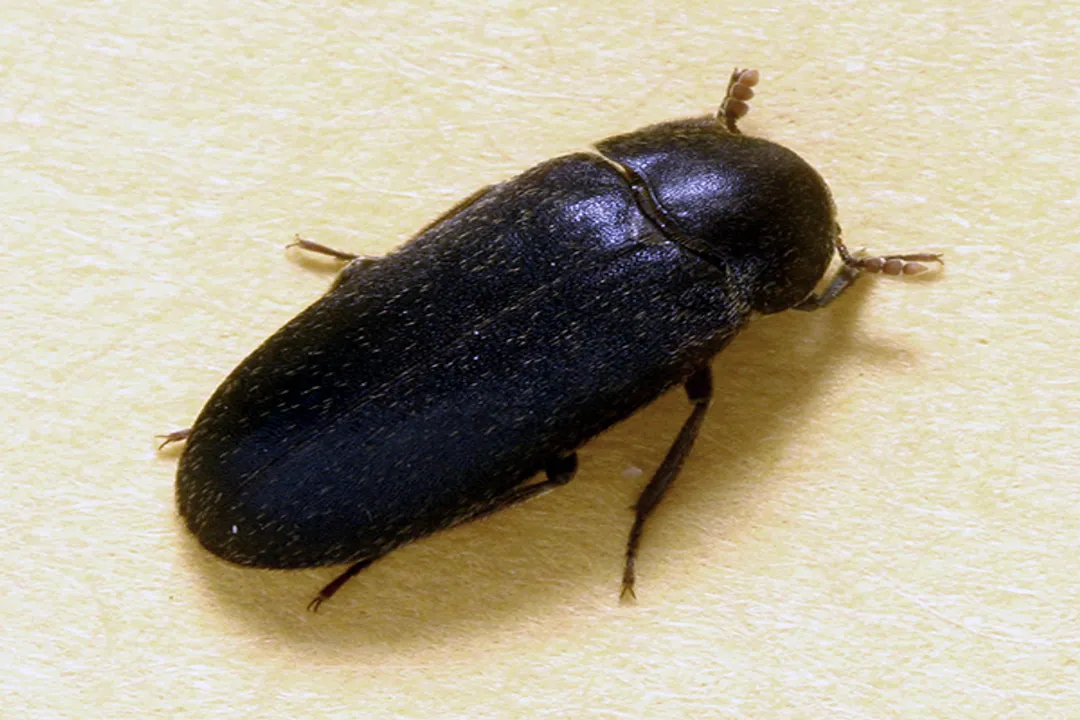
The name itself, larder beetle (Dermestes lardarius), strongly suggests a creature exclusively interested in the cured meats and stored provisions traditionally kept in a larder or pantry. While it is undeniably true that these beetles pose a significant risk to human food supplies, limiting their threat assessment to stored dry goods misses a substantial part of their behavior and potential for infestation within a home structure. [1][4] The reality is that the larder beetle is far more adaptable, functioning primarily as a scavenger of animal protein and organic materials, which means their activity can span far beyond the kitchen cupboards. [3][6]
# Food Targets

When larder beetles do settle into the pantry, they target a specific range of dried animal products. This preference distinguishes them from other common stored product pests that might exclusively consume flour or grains. Larder beetles readily infest dried meats, including jerky, cured hams, and smoked fish. [1][5] Beyond meat, they are known to consume cheese, dried pet food, and occasionally even certain types of dried fruit or cereal if those products contain animal-derived ingredients or are cross-contaminated. [3][6] The infestation risk is particularly high anywhere non-refrigerated meat products are stored long-term. [5]
# Non-Food Threats

The true breadth of the larder beetle's diet explains why infestations are often found in areas seemingly unrelated to food storage, such as attics, crawlspaces, or wall voids. [8] Because they are scavengers that feed on dried animal matter, their targets include materials that most homeowners would not categorize as "food." These sources often serve as the initial, undetected reservoir for an infestation that eventually spills into the living areas. [4]
Materials commonly consumed by larder beetles include:
- Dead Insects: Accumulated dead flies, moths, or other insects trapped in window wells, light fixtures, or behind furniture serve as a readily available food source. [1][2]
- Animal Carcasses: Small, deceased rodents or birds that have entered and died within the wall voids, under the floor, or in the attic are prime feeding material for both the larvae and the adults. [1][4]
- Nests and Debris: Bird nests built under eaves, on porches, or in wall vents, as well as rodent nests constructed from available debris, contain feathers, fur, and insect remains that sustain the beetles. [1][4]
- Structural Contaminants: In less common but serious cases, the beetles can damage materials containing animal proteins, such as wool fabrics, leather upholstery, feathers in down insulation, or even some animal-based glues used in older construction or bookbinding. [3][6]
This dietary flexibility—feeding on both pantry staples and structural animal debris—is a key difference between the larder beetle and a pest like the sawtoothed grain beetle, which is generally restricted to processed grains and flour. [1] A larder beetle infestation often signals an underlying sanitation issue involving animal remains somewhere in the home or immediate exterior environment, rather than simply an open bag of dry pasta.

# Identification Marks

Recognizing the difference between the adult and larval stages is important for successful eradication, as the larvae are often the primary agents of damage when feeding on non-food items like wood near their pupation sites. [2]
Adult larder beetles are readily identifiable. They are oval-shaped and typically measure between one-eighth and one-third of an inch long. [1][5] Their color is generally dark brown to black, but the most reliable field mark is the presence of a pale or yellowish, wavy band of small scales running across the base of the wing covers (elytra). [3][6] Adults are also strong fliers and are often drawn to lights, meaning they can enter homes from outdoor breeding sites. [1]
The larvae present a different challenge. They are fuzzy, hairy, and reddish-brown in color. [1][3] A distinct characteristic is the presence of two stiff, backward-pointing spines (urogomphi) situated near the rear end of the body. [5] Before pupation, the larvae leave their food source and actively crawl away, often seeking protected crevices in wood or insulation where they bore slightly to create a pupal chamber. [2][4] Finding these wandering, hairy larvae in unusual places—like high on a wall or in a window frame—is often the first sign that the problem originates from a non-food source nearby. [8]
# Entry and Movement
The presence of larder beetles indoors typically follows one of two pathways: direct entry by flying adults or introduction via contaminated items.
Adult beetles are attracted to light and can easily enter homes through open doors, windows, or gaps in screens, especially during warmer months when they are actively seeking mates or new breeding locations. [1][4] If you find adults primarily near exterior windows or doors, this suggests adult infiltration from an outdoor source, such as dead insects in an exterior light fixture or debris in a nearby bird nest. [4]
However, a more insidious entry point is through the introduction of contaminated materials. Purchasing infested pet food, dried fish products, or even second-hand items containing animal fur or wool can bring the initial eggs or larvae inside. [5] Once inside, the larvae will disperse to find suitable protein sources. A practical measure for long-term residents is to monitor attic spaces or spaces near chimneys, as these areas frequently accumulate bird or rodent carcasses that become sustained food supplies for generations of larder beetles if left undisturbed. [1] If you live in a region with abundant wildlife, treating the exterior perimeter for potential entry points used by small animals that might die near or in the structure is as important as monitoring the pantry. [4]

# Control Steps
Addressing a larder beetle issue requires a dual approach, focusing both on the traditional food threat and the structural contamination threat. A simple audit of potential sources helps ensure nothing is missed.
# Food Audit
- Inspection: Carefully examine all stored dry pet foods, bird seed, animal feed, and any open or partially used packages of dried meats, fish products, or cheese. [1][3]
- Disposal: If infestation is found, seal all infested items in a heavy plastic bag and dispose of them outside immediately. Do not simply put them in the kitchen trash bin. [3]
- Cleaning: Thoroughly vacuum all shelves, cracks, and corners in the pantry or storage area where the food was kept. The vacuum bag or canister contents must be immediately removed from the house and discarded. [1]
# Structural Sweep
This step targets the non-food sources that allow populations to persist even after the pantry is cleaned.
- Locate Debris: Inspect areas where animal debris is likely to accumulate: window wells, under large appliances, in storage boxes containing wool or leather items, attic eaves, and basement corners. [4]
- Address Exterior Sources: Walk the exterior of the home, looking specifically for old bird nests, rodent activity signs near vents, or any dead wildlife near the foundation. Removing these outdoor breeding grounds drastically reduces the pressure on the structure. [1][4]
- Seal Entry Points: Focus on sealing cracks and crevices where adults might enter or where wandering larvae might disappear to pupate. Use caulk or sealant around baseboards, plumbing penetrations, and exterior siding gaps. [4]
For a homeowner facing an ongoing issue, differentiating between the two sources is key; if pantry cleaning solves the problem within a few weeks, the source was likely food. If the activity continues weeks later, the source is almost certainly animal debris within the walls, attic, or crawlspace, requiring a different kind of investigative effort. [8] Ignoring the possibility of non-food sources guarantees that adults will continue to emerge and re-infest stored products or materials over time.
Related Questions
#Citations
Larder Beetle Prevention and Control - Plunkett's Pest Control
Larder Beetles - Wisconsin Horticulture
Larder Beetle - Plant & Pest Diagnostics - Michigan State University
Larder Beetle Controln & Prevention - Adam's Pest Control
[PDF] Larder Beetles - Maine.gov
Hide and larder beetles - Insects in the City
Why are there so many larder beetles in my home? - Facebook
Larder beetles in house but not in pantry (yet) : r/pestcontrol - Reddit
It Came From The Cupboard: Larder Beetles - Adirondack Almanack