What is a beetle's favorite food?
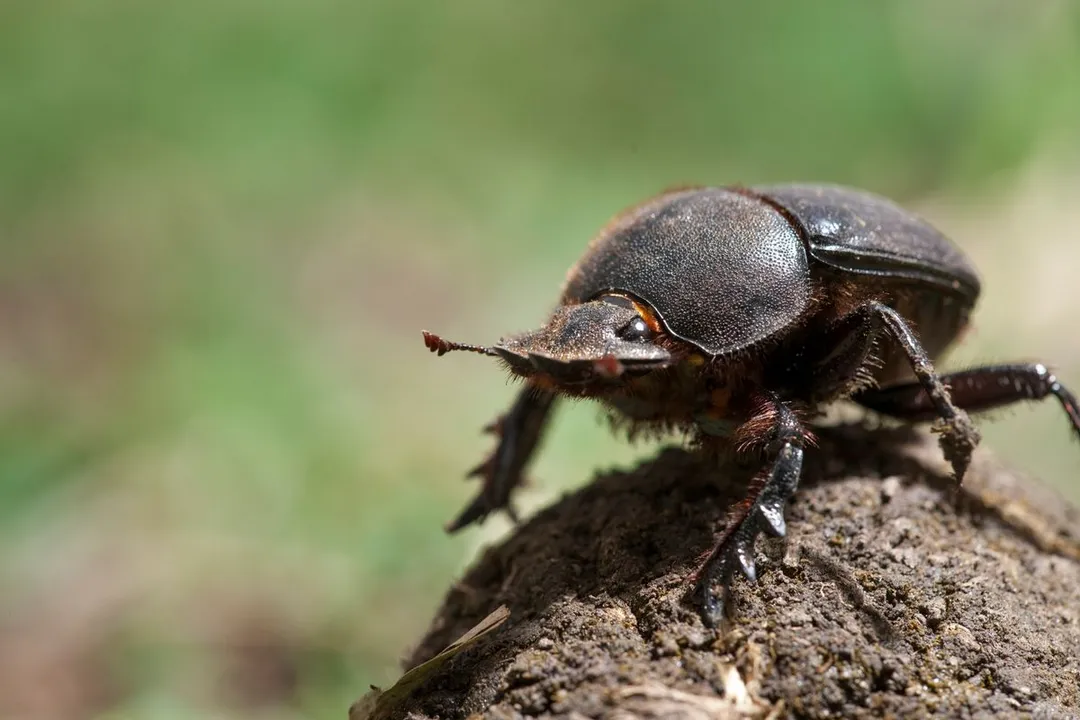
The world of beetles, classified under the order Coleoptera, represents an astonishing array of life forms, meaning a single "favorite food" is as elusive as finding one standard beetle. Their diets are incredibly varied, adapting to nearly every available organic niche on the planet, from the canopy of a tree to the depths of rotting logs. [5][1] To truly answer what a beetle eats, one must first recognize that this group encompasses herbivores, carnivores, omnivores, and even specialized scavengers, each with its own preferred menu. [5]
# Diet Types

The sheer diversity within the beetle family dictates their nutritional needs. Some species consume living plant matter, such as leaves, roots, or sap. [7][1] Others are strictly carnivorous, preying on smaller insects or other invertebrates. [5] A large segment relies on decaying organic material—be it dead wood, fallen leaves, or animal excrement—making them nature's primary recyclers. [4][9] Finally, many exhibit omnivorous tendencies, happily consuming a mix of both living plants and small prey or detritus. [1]
# Leaf Munchers

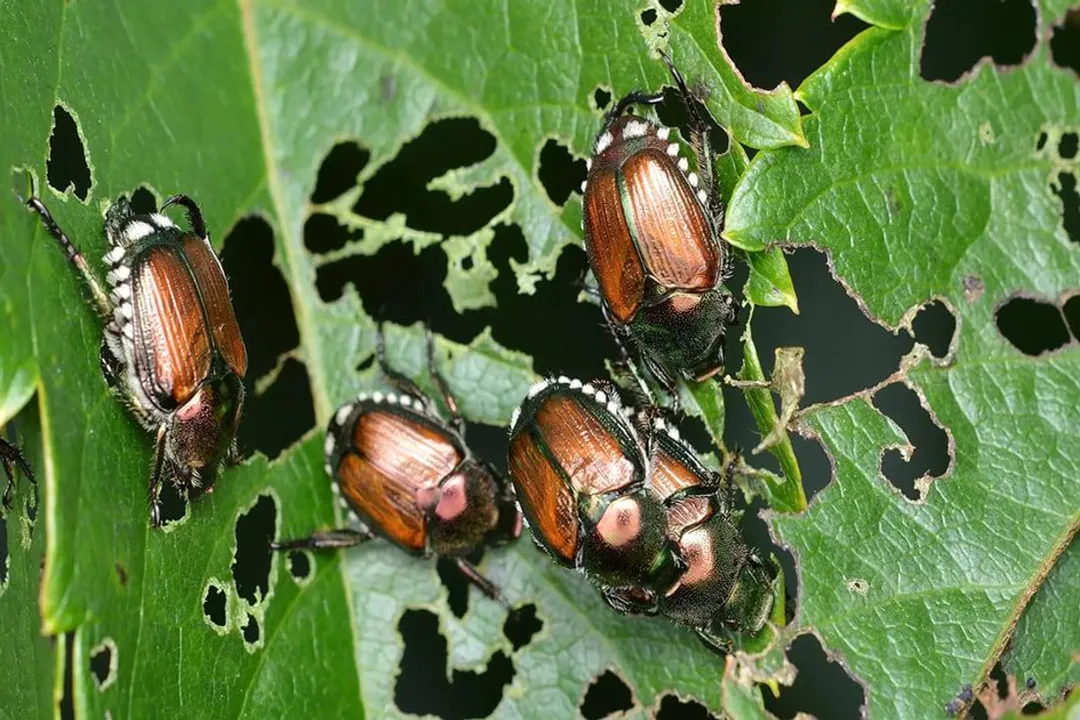
For beetles that favor plant life, the options range from generalist grazing to highly specific tastes. Many beetles feed on flowers, leaves, and fruit. [1] The Japanese Beetle (Popillia japonica) offers a perfect case study in dietary specificity among plant-eaters. This species is notorious for feeding on the foliage and flowers of hundreds of different plant species. [7] While they are known to target various trees and shrubs, their documented favorites often include roses, holly, grapes, and birch trees. [7]
Contrast this with a wood-boring beetle, which consumes the wood itself, often relying on symbiotic microbes to help digest the tough cellulose. [1] The dietary distinction is important: one beetle might destroy the aesthetics of a garden by skeletonizing leaves, while another weakens structural integrity by consuming the inner wood, but neither is eating the same thing in the same way. [1][7]

# Predators
Not all beetles are plant-eaters; many hold important roles as insect predators. [5] Lady beetles, or ladybugs, are perhaps the most well-known beneficial predators, primarily feeding on soft-bodied pests like aphids. [5] Ground beetles, on the other hand, often hunt larger prey, consuming slugs, snails, and earthworms. [5]
It is interesting to observe the foraging strategy associated with these carnivorous groups. A ground beetle, often found scurrying under rocks or leaf litter, is an active hunter patrolling the soil surface. [5] In contrast, the ladybug may remain stationary on a leaf, patiently waiting for slow-moving prey to come within striking distance. [5]
# Dung Focus
A truly specialized diet belongs to the family of Dung Beetles. These insects bypass the issues of finding fresh vegetation or chasing prey altogether, instead focusing exclusively on animal feces. [9] Their diet consists of animal dung, which they consume directly or roll into balls to bury for later consumption or to serve as food for their larvae. [9] This behavior is crucial for nutrient cycling, as they break down waste material and help aerate the soil as they burrow. [9]
# Captive Cuisine
Keeping certain beetle species as pets has led to a different set of dietary considerations, often diverging from their wild food sources based on what keepers can easily provide. [2][6] For pet beetles, including species kept for observation, the menu often features easily accessible fruits and vegetables. [2] Common offerings include slices of apples, bananas, carrots, and even watermelon. [2] Vegetables like lettuce or cucumber might also be offered. [2]
Beyond fresh produce, keepers frequently supplement these diets with protein sources or prepared dry foods, such as fish flakes or small amounts of dry dog or cat food. [2] Some enthusiasts report success feeding fermented fruits or sweet, rotting matter, which mimics the natural breakdown process they might encounter in the wild. [6] When considering captive diets, it’s worth noting the significant shift from a wild diet that might rely on seasonal availability or fresh nectar/sap to one based on consistent, high-sugar or high-moisture produce. Balancing this captive menu is key; relying too heavily on overly sugary fruits or improperly stored vegetables can lead to rapid mold growth or nutritional deficiencies, requiring diligent daily cleaning and replacement of uneaten items. [2][6]
# Decomposition Roles
Beyond the obvious dung eaters, many beetles specialize in consuming dead or decaying matter, sometimes referred to as detritivores or saprophages. [1][4] This group includes those that process rotting wood or leaf litter. The ecological impact of these processors varies dramatically by species. A wood-boring beetle, for example, might take years to pass through the structural wood of a dead tree, slowly breaking down lignin and cellulose through their larval stage. [1] This slow, structural breakdown is a very different ecological service than the rapid incorporation of nutrients into the soil that a dung beetle achieves within days or weeks. [9] Understanding this difference helps illustrate that "eating decaying matter" covers a spectrum of chemical processing and time scales. [1][9]
# Key Food Categories Summary
To visualize the breadth of beetle sustenance, organizing the primary food sources into a simplified chart clarifies just how many options are available across the order:
| Feeding Guild | Primary Food Source | Example Beetle Type |
|---|---|---|
| Herbivore | Living leaves, flowers, fruit | Japanese Beetle [7] |
| Carnivore | Aphids, slugs, small invertebrates | Lady Beetle, Ground Beetle [5] |
| Detritivore | Decaying wood, leaf litter | Wood-boring Beetles [1] |
| Specialized Scavenger | Animal feces (dung) | Dung Beetle [9] |
| Omnivore | Mix of living plants and prey/detritus | Various generalists [1] |
It's important to remember that even within these categories, there are exceptions and overlaps. A species classified generally as a herbivore might consume a dead insect if the opportunity arises, blurring the lines between the defined guilds. [1][5] Ultimately, a beetle's favorite food is determined by its mouthparts, its digestive enzymes, and the specific ecological pressure that shaped its evolution within the vast insect world. [5]
#Videos
What Do Beetles Eat? - YouTube
Related Questions
#Citations
What Do Beetles Eat? A Breakdown of Their Diverse Diets - Terminix
What foods do your beetles like? : r/BDFB - Reddit
What Do These BEETLES EAT?! #beetle #insects - YouTube
What do beetles eat around your home and outside? - Earthkind
What do beetles eat? - Discover Wildlife
What foods do your beetles like best? - Facebook
What Japanese beetles like to eat - SavATree
Dung beetle | San Diego Zoo Wildlife Explorers