What are smallmouth bass' favorite foods?
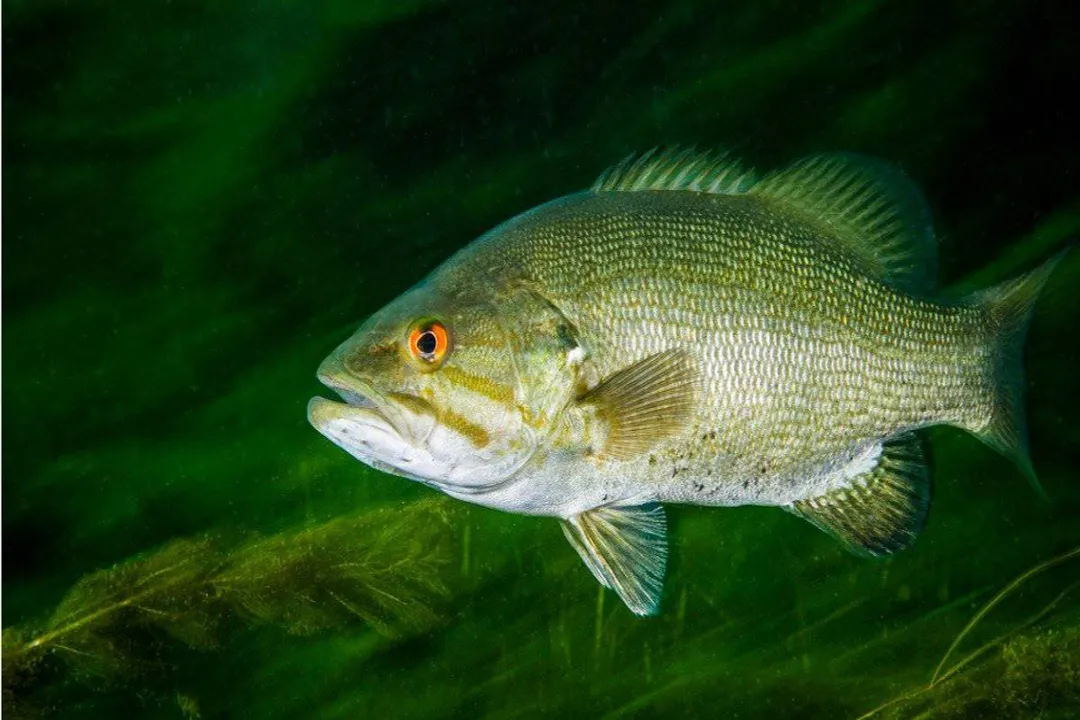
The diet of a smallmouth bass, often called a bronzeback or brownie, is less a strict menu and more a reflection of what is readily available, small enough to fit in its mouth, and nutritious enough to justify the chase. [2][3] These popular game fish are highly regarded as opportunistic feeders. [2] What a smallmouth prefers—or rather, what keeps it healthy and growing—changes based on its environment, size, the season, and the current water temperature. [2][3] Understanding this dynamic is the key to predicting their next meal, whether you are a biologist studying population health or an angler trying to select the perfect lure. [3]
# Core Prey
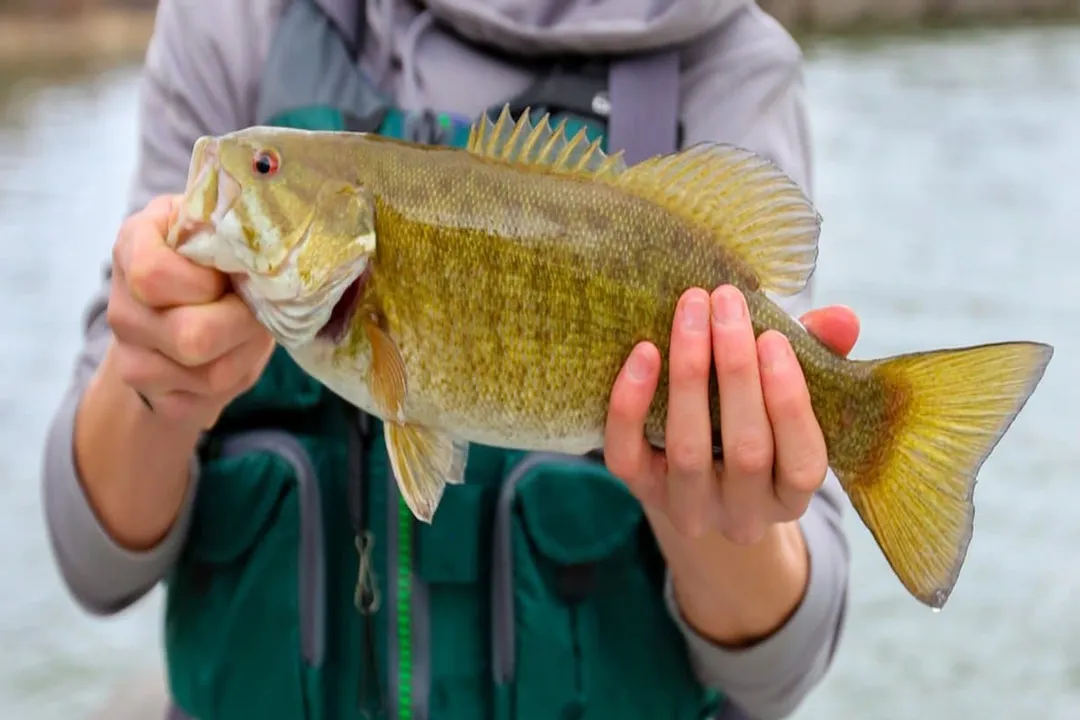
Smallmouth bass are classic top predators in their ecosystems. [3] While they will consume nearly anything they can manage, certain food items form the backbone of their sustenance across various habitats. [2]
# Crayfish Dominance
If one food item consistently rises to the top of the smallmouth preference list, it is the crayfish. [2] When available, crayfish make up a substantial percentage of the forage for older and larger smallmouth bass. [3] This preference is so strong that in certain regions, such as the eastern basin of Lake Erie near Buffalo, NY, crayfish accounted for half of the smallmouth bass diet in one study. [2] This suggests that when conditions allow, a large, shelled crustacean is a high-value target. [4] The visual evidence of this dietary staple is often clear to anglers; it is not uncommon to see crayfish claws protruding from the throat of a recently caught smallmouth. [3]
# Fish Selection
Fish are another central component of the smallmouth diet, though the specific species varies dramatically by location. [3] Minnows are noted as likely prey. [3] Threadfin shad can become a particularly significant food source in warmer climates during the summer when they are abundant, or conversely, in the winter when cold water might cause them to become sluggish or die, making them easy targets. [2][3] Biologists studying bass stomachs note that soft-rayed fish, like shad, are often preferred because they are easier to swallow than spiny fish. However, this preference for ease over challenge can sometimes be overridden by other factors, as seen in other dietary reports.
The level of opportunism is perhaps best illustrated by the case of invasive species. In the Lake Erie study mentioned earlier, when round gobies invaded the ecosystem, the smallmouth bass rapidly shifted away from crayfish and began consuming gobies to such an extent that the invasive fish represented 75% of their diet. [2] This remarkable adaptability shows that while crayfish might be the default favorite, the bass will follow the highest concentration of available, consumable calories. [2]
# Terrestrial Items
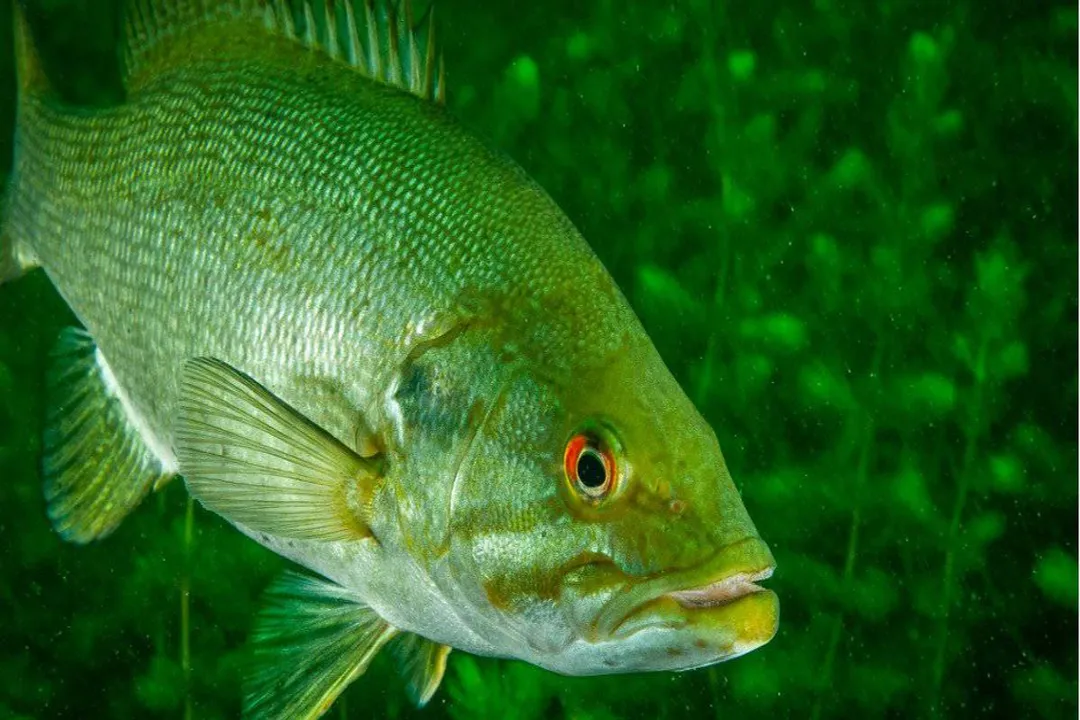
While the majority of their feeding happens beneath the surface, the smallmouth bass’s territory often overlaps with the land, leading to occasional, yet significant, terrestrial meals. [3]
# Amphibians and Insects
Frogs and lizards are documented members of the smallmouth menu. [2][3] During warmer months, when terrestrial insects are active, smallmouth will readily feed on unfortunate bugs that end up on the water’s surface. [3] For fly fishers targeting smallmouth, patterns imitating large beetles or even cicadas—when they are hatching in numbers—can lead to exceptionally productive fishing sessions. [3] For the younger, developing bass, insects, including their aquatic larvae like dragonfly nymphs, are essential. [3][4]
# Unexpected Meals
It is a well-documented oddity that smallmouth bass can and will consume mice if one happens to fall into their watery domain. [2] While this does not happen often, it underscores their willingness to capitalize on any food item small enough to gulp down. [2] A more perplexing inclusion found in the stomachs of smallmouth bass in some Virginia rivers were madtoms, which are small members of the catfish family equipped with sharp, barbed fins. Biologists expressed confusion over this choice, as the rivers were also loaded with less-spiny, easier-to-consume forage like shiners and sunfish. This observation suggests that sometimes the bass are selecting food not just based on ease of capture, but perhaps due to specific vitamin or mineral content that the spiny prey offers, or simply local abundance that makes the risk worth the reward.

# The Early Years
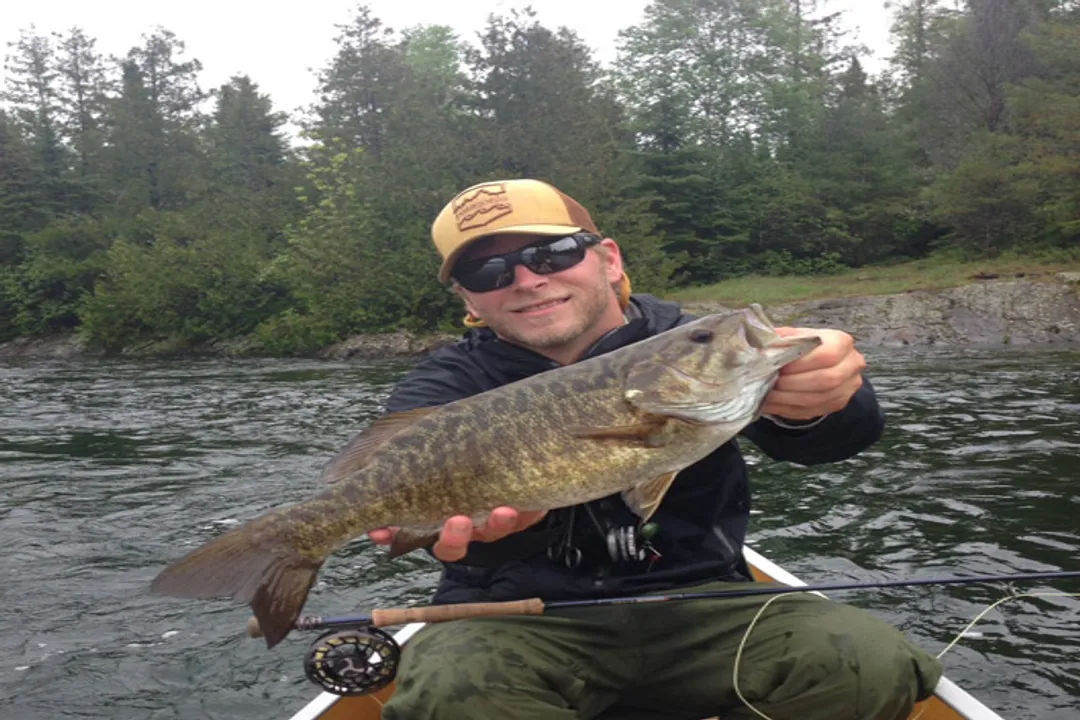
The transition from an infant fish to a mature predator marks a significant shift in what the smallmouth bass consumes. The smallest individuals, the juveniles, rely on much smaller fare to fuel their rapid growth. [2][3]
Juvenile smallmouth bass primarily eat zooplankton, tiny crustaceans, and small aquatic insects. [2][3] This foundation of micro-prey is what allows them to grow large enough to transition into the larger predatory roles. Experts note that when a largemouth bass reaches about 8 inches, it typically switches its diet from primarily insects to fish and other larger prey; a similar developmental shift occurs in the smallmouth as it gains size and hunting capability. For anglers managing smallmouth populations, ensuring a strong, consistent supply of these tiny initial food sources—aquatic insects, scuds, and grass shrimp—is vital, as it directly impacts recruitment into the adult population. [4]
# Contextualizing Forage and Growth
Anglers and fisheries managers often seek a single "best food" answer, but the reality for smallmouth is far more nuanced, dependent on the specific conditions of their home water. [3] The difference between success and failure often hinges on matching the bass's current need to the available menu.
For instance, when considering what to stock or what to mimic with a lure, one must differentiate between northern and southern environments. [4] In northern waters, smallmouth bass have a tendency to overpopulate if the habitat is suitable (like gravel beds). [4] Their feeding strategy here centers on exploiting seasonal hatches—dragonfly nymphs one month, crayfish the next—which keeps the population dynamic but can lead to overcrowding if the fish cannot grow quickly enough. [4] The key management challenge in the north often involves dealing with successful reproduction. [4]
In contrast, southern waters present a different food challenge. While smallmouth bass exist there, successful reproduction rates are often quite low, meaning management focus shifts heavily toward ensuring that the existing population has the highest quality, most consistent forage available to maximize growth. [4] Furthermore, in many waters, sunfish like bluegills reproduce so successfully that they can overpopulate and, worse, disrupt smallmouth spawning cycles. [4] Smallmouth bass are noted as being much less effective than largemouth bass at keeping these sunfish numbers in check. [4]
This comparison leads to an important consideration for fisheries health: while sunfish might be present, the smallmouth thrives on diversity. [4] If you are fishing a river known for high water quality and good substrate, you should expect hellgrammites—the larva of the dobsonfly—to be a major seasonal draw, and therefore, a good pattern to imitate with a fly or jig. [3] A seasoned angler understands that the lake's food base might be entirely different from the river next door, meaning the best food is truly the most abundant food at that moment. [3] If a lake has a massive population of native crawfish, that will dominate the diet, whereas a lake dominated by soft-rayed baitfish will reflect that preference. [2][4]
The behavioral element is also critical for anglers. Smallmouth are active feeders primarily during the day, especially at dawn and dusk, though they will feed at night in warm water periods. [2][3] Their hunting method often involves drawing the prey out into open water before the final strike. [2] When selecting a lure, understanding that they are as curious as any other animal is helpful, but ultimately, if the item looks like potential food—even if it is a brightly colored, wild-looking soft plastic—they will often grab it to test it, which is why a wide variety of lures, from spinnerbaits to jerkbaits and Ned rigs, all find success in a smallmouth tackle box. The most crucial element is not finding the perfect imitation of one food source, but recognizing the type of food currently dominating the system, whether it's a crustacean, a baitfish, or a terrestrial insect that took an unplanned swim. [3]
Related Questions
#Citations
Smallmouth Bass Diet | Byron Begley - Little River Outfitters
What Do Smallmouth Bass Eat? - A-Z Animals
Smallmouth and Forage Fish - Bass Resource
What bass eat - Bassmaster