What are some fun facts about bonnethead sharks?
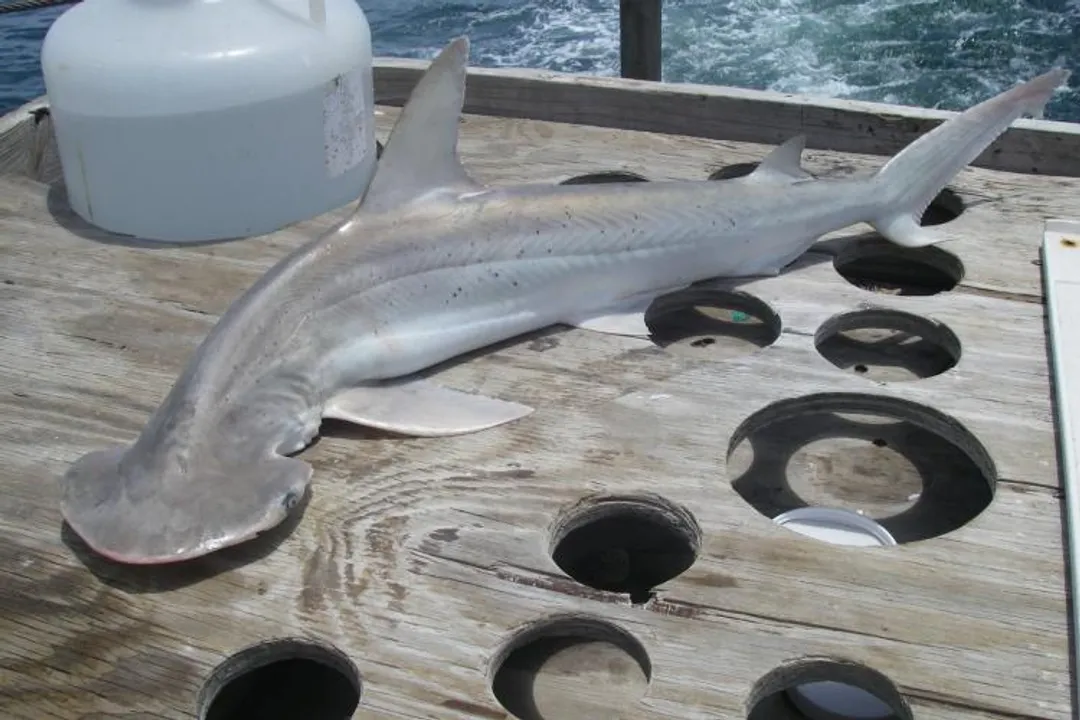
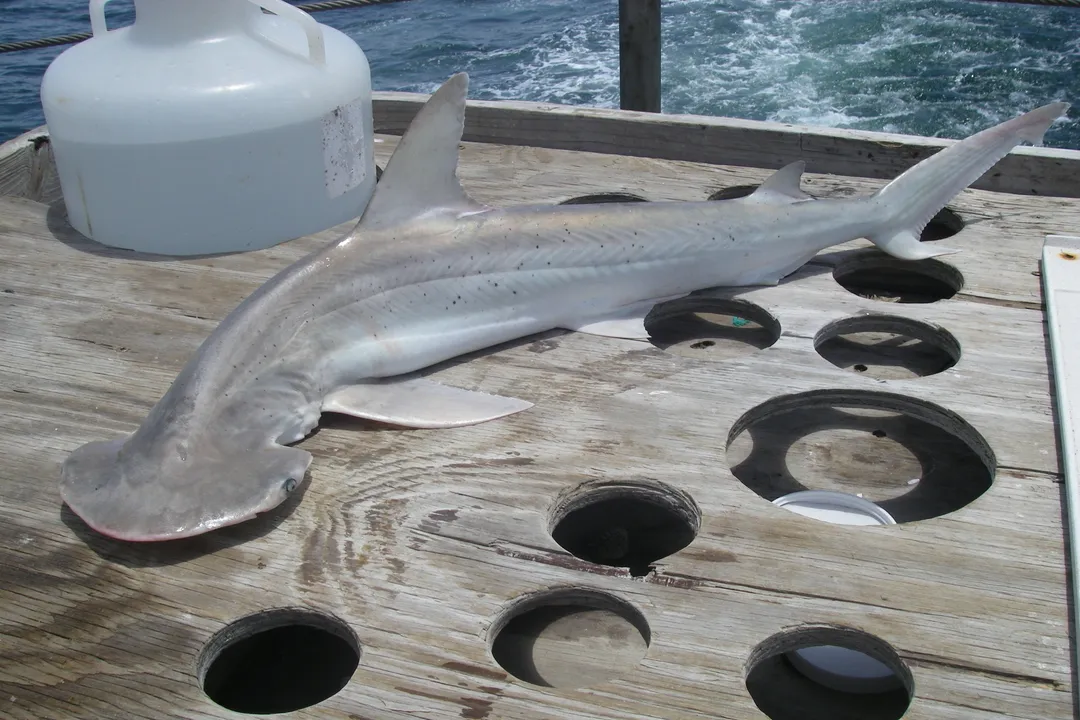
The bonnethead shark, often recognized by its distinct, flattened, shovel-shaped head, is a fascinating creature in the cartilaginous fish family, deserving of closer inspection beyond its famous hammerhead relatives. [1][2] While it shares the characteristic cephalofoil shape, this shark is significantly smaller and possesses unique biological quirks that set it apart from other sharks swimming in the world's oceans. [4][6] It is officially known by the scientific name Sphyrna tiburo. [2]
# Shovel Head
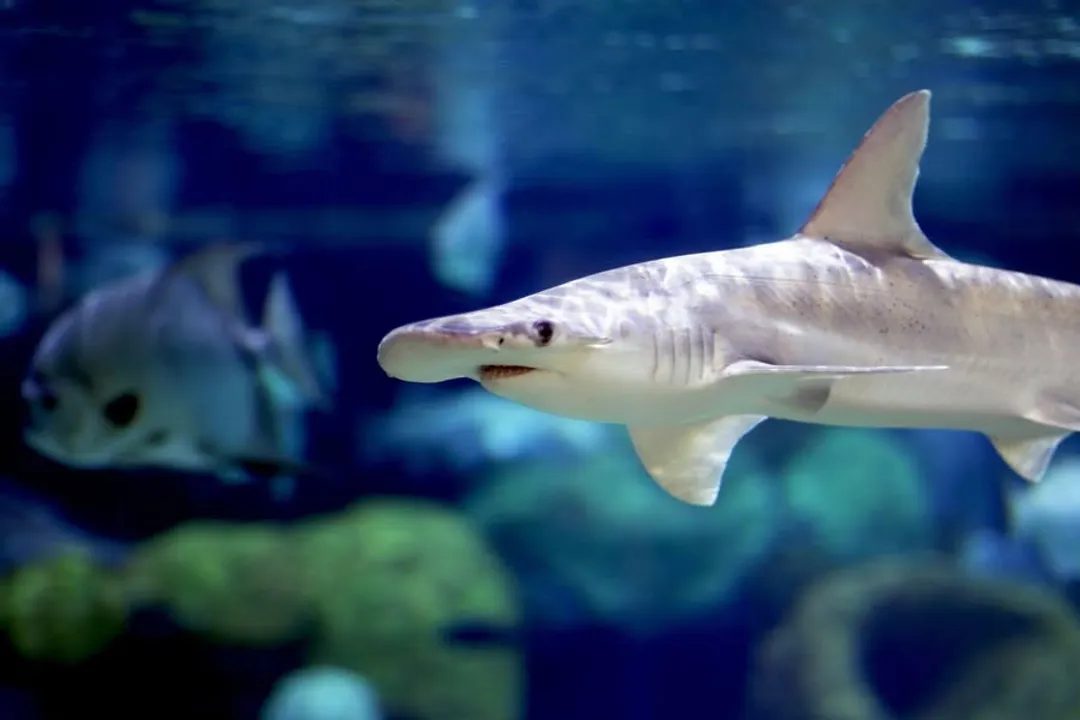
The most immediate feature distinguishing the bonnethead is its head structure, which resembles a small shovel or a miniature hammerhead shape, though it is not as wide as those found on the larger hammerhead species. [1][4] This distinctive cephalofoil structure is unique among sharks. [1] In fact, the bonnethead is known to be the smallest species in the hammerhead shark family. [4] The shape of this head isn't just for show; it is believed to aid in their sensory perception, allowing them to detect prey hiding in the sandy bottoms of their shallow habitats. [1] The presence of this structure clearly places them within the family Sphyrnidae, even at their diminutive size. [2]
# Size Comparison
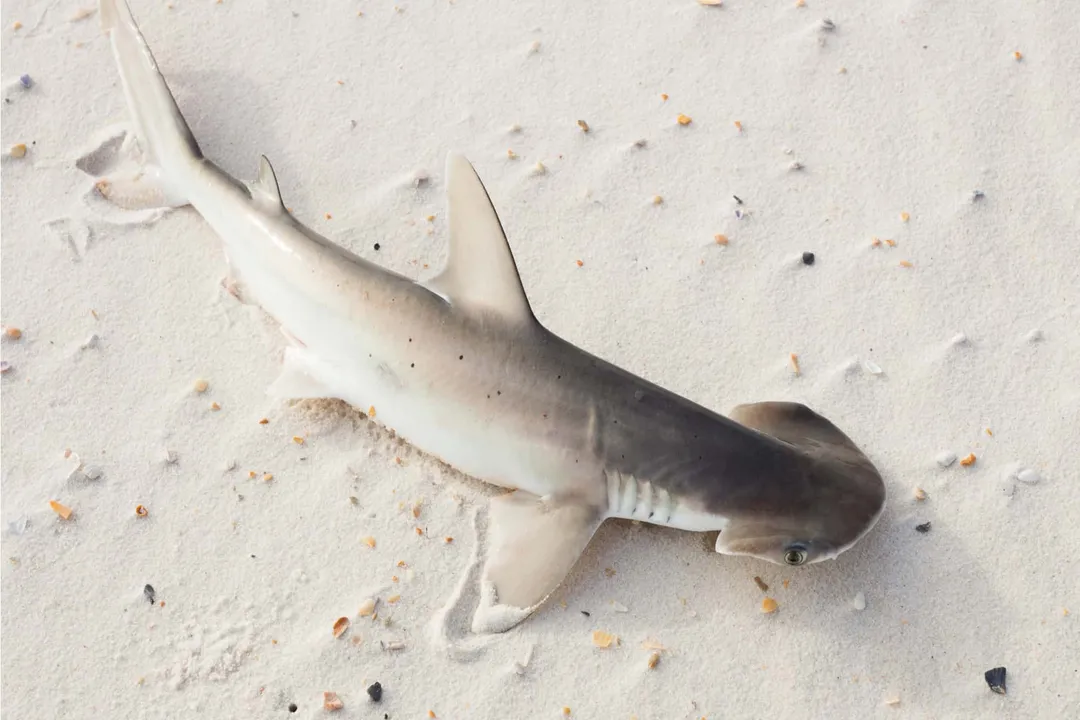
When compared to other sharks, the bonnethead is decidedly small. Adults typically reach lengths of about 3 feet (1 meter). [1][2] Some sources indicate they can grow up to about 3.3 feet or just over 100 centimeters. [5] This places them firmly in the small-to-medium category for sharks. [2] Given that many sharks are giants of the sea, the bonnethead is a miniature marvel. [4] For instance, the Great Hammerhead (Sphyrna mokarran) can exceed 20 feet, making the bonnethead significantly different in scale. [4] It is also noted that they are the second smallest cartilaginous fish species overall, although the smallest one is not always specified in the readily available information. [4]
# Unique Diet
Perhaps the most astonishing characteristic of the bonnethead shark is its diet, which defies the typical carnivorous reputation associated with sharks. [1][6] While most sharks are strict carnivores, the bonnethead is the only known shark species that is largely herbivorous. [1][6] Their diet consists primarily of seagrasses. [1][8] In fact, studies have shown that seagrass can account for up to 60% of their diet at certain times of the year. [6] They consume this plant material, along with small crustaceans and invertebrates they uncover in the sandy substrate. [2][5]
This dietary specialization is incredibly rare in the marine world, particularly for a shark. [6] It suggests a highly efficient digestive system capable of processing fibrous plant matter, a feat that requires a different biological approach than digesting fish or squid. [1] Considering their unique feeding habits, the health of local seagrass meadows is not just important for the environment; it is directly linked to the survival and nutritional well-being of the local bonnethead population. If seagrass beds in a specific region were to decline rapidly, these sharks would face a significant energetic challenge finding enough alternative sustenance to meet their needs, unlike more generalized predators who can easily switch prey species. [1][6]
# Coastal Range
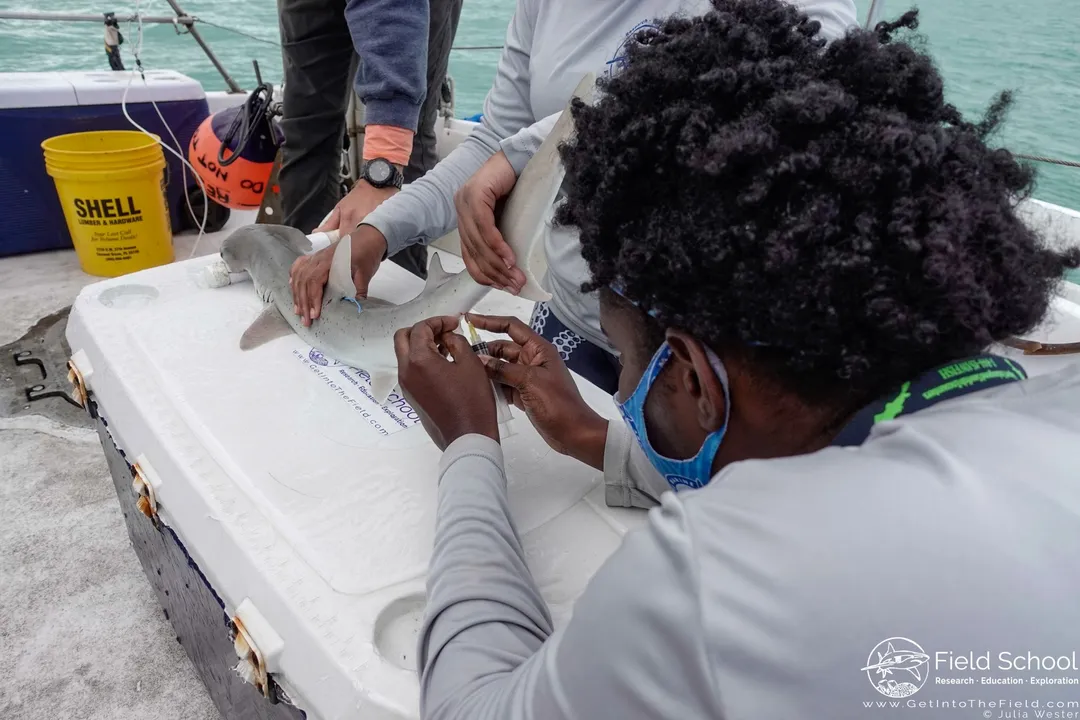
Bonnetheads are not deep-sea dwellers; they prefer warm, shallow, coastal waters. [1][3] They can be found in the western Atlantic Ocean, ranging from the southern United States down to the Gulf of Mexico and the Caribbean Sea, and along the Atlantic coast of South America. [2][3] In the United States, their range extends from North Carolina down to Florida and into the Gulf of Mexico. [3] On the Pacific side, they are found from the southern Gulf of California to Peru. [3]
This preference for shallow, nearshore environments means they are often found near seagrass beds, which aligns perfectly with their primary food source. [2][8] They typically inhabit areas that are less than 30 feet deep. [8] This limited habitat makes them more susceptible to coastal development, pollution, and changes in nearshore water quality compared to pelagic (open ocean) species. [3]
# Reproduction Facts
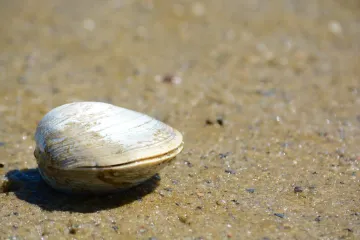
Like many other shark species, bonnetheads are viviparous, meaning the young develop inside the mother and are born live, rather than hatching from an egg laid externally. [2] Gestation periods are thought to last around 10 to 11 months. [8] Females typically give birth to a small litter of pups, usually numbering between 4 and 18 young sharks. [2][5] These newborn pups are immediately self-sufficient, ready to hunt for small prey like crustaceans in the nearshore environment. [2] The size of the litter is relatively small, which is characteristic of species that invest significant energy into developing live young. [8]
# Behavior and Socializing
Bonnethead sharks exhibit social behavior, often forming groups. [1] Unlike many solitary sharks, they can be seen swimming together in schools or small aggregations. [1][5] This schooling behavior might offer some protection in their shallow habitats or be related to foraging. [1] They are generally considered docile, non-aggressive toward humans, and are not known to pose a threat. [5]
Their foraging strategy utilizes that distinctive head structure. They are known to use their heads like a plow or snowplow to overturn sand and sediment on the seabed, searching for hidden crustaceans and other benthic invertebrates. [1][8] This physical action is a direct extension of their specialized anatomy into their daily routine.
# Lifespan
Estimates for the lifespan of a bonnethead shark suggest they can live for a significant period for their size, perhaps reaching up to 25 years. [5] This longevity suggests a slow reproductive rate, making recovery from population declines more challenging, reinforcing the need for careful management of their coastal ecosystems. [2]
# Size Table
To better visualize the relative size of the bonnethead compared to its larger cousin, consider this comparison:
| Feature | Bonnethead Shark (Sphyrna tiburo) | Great Hammerhead (Sphyrna mokarran) |
|---|---|---|
| Maximum Length | ~3.3 feet (1 meter) [5][1] | Over 20 feet [4] |
| Head Shape | Shovel-like, rounded front [1] | Wide, distinct "hammer" [4] |
| Primary Diet | Seagrass (up to 60%) [6] | Fish, rays, crustaceans [4] |
| Habitat | Shallow coastal waters (< 30 ft) [8] | Wider range, often deeper [4] |
# Conservation Status
While they are generally small and not a major target for commercial fisheries, bonnetheads are listed as Vulnerable globally on the IUCN Red List of Threatened Species. [3] Their vulnerability stems directly from their specific lifestyle—their reliance on shallow coastal habitats makes them highly susceptible to impacts from human activity. [3] Coastal development, propeller strikes from boats common in shallow areas, and especially the degradation of seagrass meadows, pose significant threats to their populations. [3][8] Since they are born live and reproduce relatively slowly, overfishing or habitat loss can severely limit their ability to bounce back quickly. [2][8] Understanding the importance of their seagrass diet is crucial for any conservation effort focused on this unique shark. [6]
Related Questions
#Citations
Bonnethead Shark Facts and Information | United Parks & ...
Bonnethead Shark | Online Learning Center
Bonnethead Shark
Five Facts Friday: Bonnethead Shark Edition 1. ...
Bonnethead Shark Fish Facts - Sphyrna tiburo
Bonnethead sharks are this year's guest #BestShark
Bonnethead Facts For Kids | AstroSafe Search
Bonnethead Shark