Can I keep a bonnethead shark as a pet?
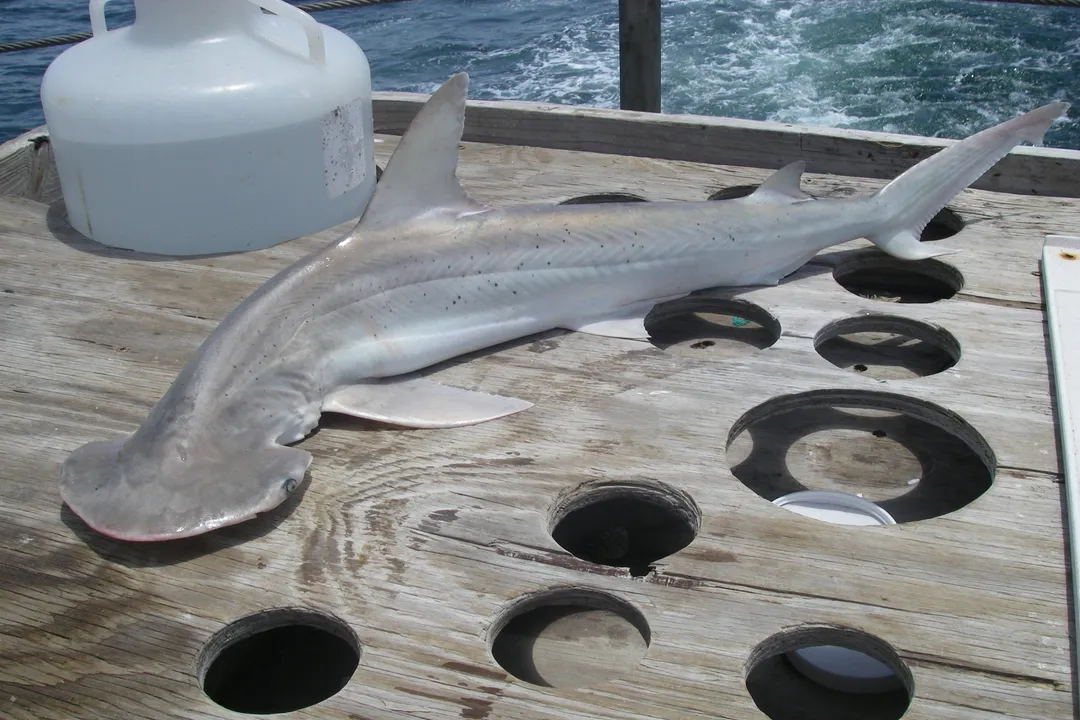
The appeal of owning a truly wild marine predator, like the bonnethead shark, often captures the imagination of advanced aquarists. These unique, hammerhead relatives, recognizable by their shovel-shaped heads, possess a certain mystique that naturally leads dedicated hobbyists to question their feasibility as home pets. However, transitioning from admiration to actual ownership involves confronting a steep reality check dictated by biology, engineering, and ethics. [2][4]
# Species Facts
The bonnethead shark, scientifically known as Sphyrna tiburo, is one of the smaller shark species, which might initially suggest a manageable aquarium candidate. [6] These sharks are found along the Atlantic and Pacific coasts of the Americas, often inhabiting shallow, nearshore waters, including seagrass beds. [6] A key feature, besides their distinct head shape, is their surprisingly omnivorous diet, as they are known to consume significant amounts of seagrass along with crustaceans and small fish. [6] While their smaller size is an initial draw, it is essential to understand their full adult dimensions and life expectancy when planning any enclosure. [2][4]
# Dimensions Needed
When looking at what a bonnethead becomes, the "pet" classification quickly falls apart. While they are among the smaller sharks, adult bonnetheads can still reach lengths of about three feet, or slightly more in some documented cases. [6] For a shark that is three feet long, a standard home aquarium is entirely inadequate. Realistically, keeping even one adult requires a custom-built, massive marine enclosure—think thousands of gallons. [3][7] Forum discussions repeatedly highlight that anything less than a very large, professionally designed tank often results in stress, injury, and eventual death for the animal. [2][4]
To put this in perspective, if we estimate a conservative adult length of 36 inches (3 feet), and apply a very basic, often-cited guideline for long, slender fish/sharks to have at least 10 to 15 tank lengths of swimming space to allow for turning and straight-line swimming—a bare minimum requirement might suggest a tank that is 30 to 45 feet long. [7] Since this is physically impossible for nearly all private residences, the required volume scales dramatically to compensate for an artificial, contained environment. A common recommendation for a single shark of this size, acknowledging space limitations, often floats in the range of 2,000 to 3,000 gallons or more just for minimal welfare standards. [7] This level of infrastructure moves far beyond standard aquarium keeping and into the realm of private, small-scale public display facilities, which carry staggering construction and maintenance costs.
# Environmental Support
Providing the correct water conditions is another monumental hurdle. Bonnetheads are not deep-water pelagics; they are found in shallow, often warmer, brackish or fully saline coastal waters. [6] Maintaining stable, pristine water quality in a tank housing a powerful, continuously swimming predator is a full-time engineering challenge. [2] Sharks produce significant bioload, requiring filtration systems that far surpass those used for typical reef or freshwater setups. [3] This necessitates heavy-duty protein skimmers, robust biological filtration, and massive water change capabilities to manage nitrates and other toxins. [2][8] Furthermore, adequate flow is necessary to simulate their natural environment and support their swimming behavior, but this flow must be managed carefully to avoid exhausting the animal. [3]
# Dietary Complexities
The feeding regimen for a captive bonnethead presents logistical and financial strain. While they are known to consume seagrass, their primary nutritional needs in captivity revolve around high-quality marine proteins. [6] This means a steady supply of appropriate fresh or frozen fish and crustaceans. Sourcing enough variety and quantity of food to meet the needs of a growing, active shark year-round can be incredibly expensive and logistically demanding for an individual hobbyist. [4] Moreover, sharks must be trained to accept non-live food, and ensuring they receive complete nutrition—not just calories—requires expert knowledge to prevent deficiencies that can manifest as skeletal issues or illness. [9]
# Legal Hurdles and Ethics
Beyond the technical impossibilities, significant legal and ethical boundaries exist. Depending on the location, acquiring and keeping certain shark species can be heavily regulated or outright illegal without specialized permits. [1][6] NOAA information confirms their status, which guides regulations regarding their capture and trade. [6] In many communities, owning an animal that poses a potential safety risk or requires such specialized resources is prohibited. [1] Even where it might be technically legal, the ethical consideration of confining a wild, active species like a shark in a home setting is frequently debated within the marine community. [1][5] When enthusiasts discuss housing multiple individuals, as one anecdote suggests, the complexity and ethical burden multiply exponentially, often leading to firm discouragement from experienced keepers. [1]
It is worth noting that many hobbyists who successfully keep large marine fish or sharks often do so after years of dedicated experience with smaller, more manageable species. Jumping straight to a three-foot shark based on a momentary desire is a recipe for disaster, as the commitment required can span decades, far outliving the novelty of the acquisition. [4][9] A practical consideration many overlook is the potential cost of failure; if the specialized life support system fails, replacing it quickly enough to save the shark is rarely achievable, leading to significant loss and potential regulatory consequences. [3]
# Expert Community Viewpoint
Across various online forums dedicated to large and difficult-to-keep marine animals, the sentiment regarding bonnethead sharks as typical "pets" is overwhelmingly negative. [2][4][5] The consensus isn't that they are impossible to keep—as aquariums and research facilities successfully maintain them—but rather that they are impossible to keep properly in a standard residential setup. [3][7] Experienced marine aquarists consistently advise against it for anyone lacking the resources, space, and long-term commitment equivalent to a small public aquarium or research institute. [2] The species often requires social structures or specific environmental enrichment that is difficult to replicate reliably on a small scale, leading to chronic stress. [1] If a reader is considering a shark, the community generally points toward much smaller, hardier species that can still provide the thrill of shark ownership in a more realistic tank size, often under 200 gallons, provided the keeper has years of high-level reef experience first. [8]
# Commitment Scale
The reality of owning a bonnethead isn't a single purchase; it’s adopting a decades-long responsibility with extremely high running costs. Think about the sheer volume of water needing regular testing and replacement, the electricity required to run massive filtration, chilling, and circulation pumps 24/7, and the constant need to source specialized food. [3] If one were to estimate the annual operational cost for a minimum viable 2,500-gallon system supporting this shark—factoring in replacement parts, electricity, salt mix, and food—a reasonable estimate, even without factoring in the initial build cost, would likely start in the high four-figure range annually, potentially exceeding ten thousand dollars depending on local utility rates and food sources. [7] This recurring financial commitment, coupled with the physical space required, makes the bonnethead a creature for institutions, not typically for the average enthusiast.
#Videos
Can Bonnethead Sharks Be Kept In Aquariums? - YouTube
FEEDING OUR *NEW* BABY BONNETHEAD SHARKS - YouTube
Related Questions
#Citations
This person wants to put 3 Bonnet head sharks is here - Reddit
Bonnethead - Reef2Reef
Bonnethead sharks | Saltwaterfish.com Forums for Fish Lovers!
Scalloped Bonnetheads, any one ever kept one?
Can Bonnethead Sharks Be Kept In Aquariums? - YouTube
Bonnethead Shark - NOAA Fisheries
Bonnethead sharks for sale - Reef Central Online Community