Do Arctic wolves eat salmon?
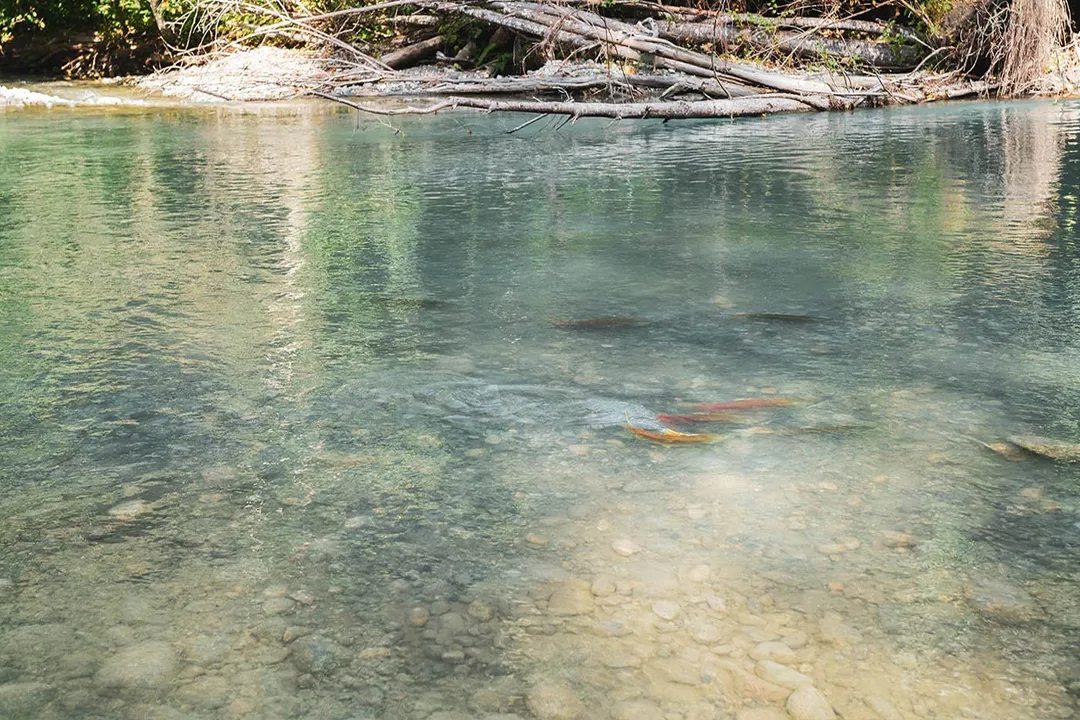
The adaptability of wolves is one of their most defining characteristics, often leading the public to associate them almost exclusively with vast, snowy territories and the pursuit of large ungulates like elk or caribou. While these large mammals certainly form the backbone of the diet for many wolf populations globally, particularly for the Arctic wolf (Canis lupus arctos), their actual meals are dictated by immediate geography and seasonal availability. The simple query of whether these northern canids consume salmon reveals a fascinating intersection between marine ecosystems and terrestrial predators, extending the wolf’s pantry far beyond the terrestrial game trails.[2]
# Core Diet
Generally speaking, the dietary success of any wolf population hinges on its ability to hunt and secure large herbivores. In the deep north, where Arctic wolves roam, the primary prey items would traditionally consist of species like muskoxen and various caribou herds, depending on the specific region and time of year.[2] These large animals provide the necessary caloric density to sustain packs through the harsh, prolonged winters. However, wolves are not specialized feeders; they are highly opportunistic carnivores. When primary prey is scarce, or when an easier, abundant source of protein presents itself, wolves will readily shift their focus to smaller game, carrion, and, where available, aquatic resources.[2]
# Coastal Reliance
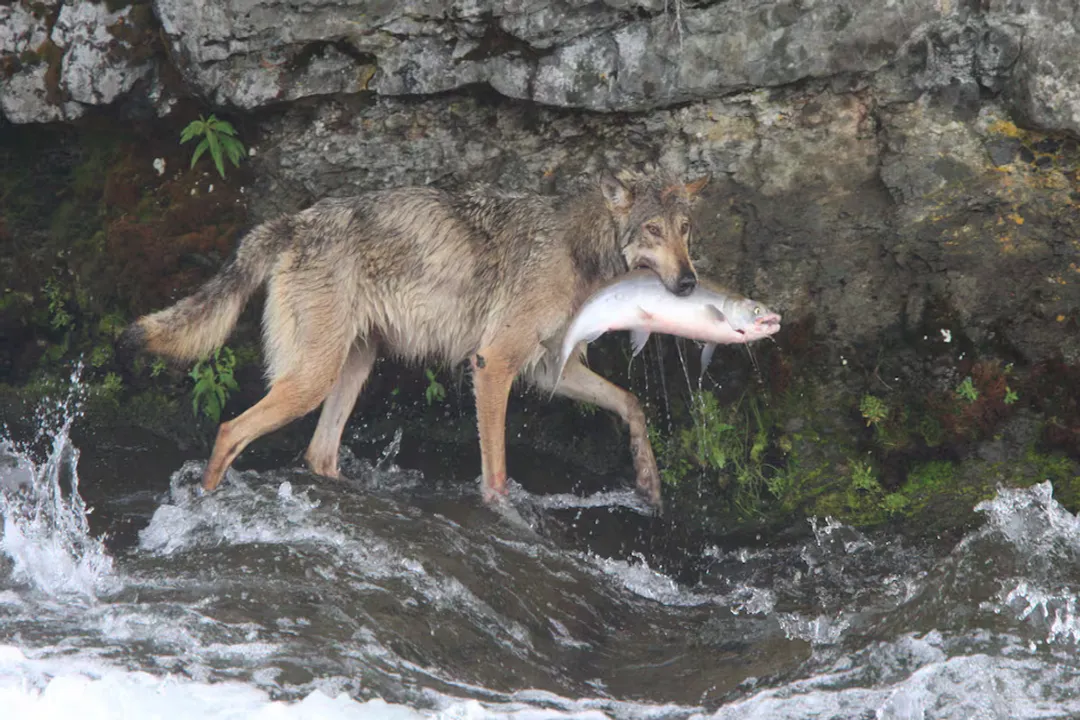
To understand the potential for Arctic wolves to eat fish, it is helpful to first examine populations closer to coastlines where the evidence of fish consumption is well-documented. In the Pacific Northwest, specifically along the coasts of British Columbia and Alaska, certain wolf populations have become heavily reliant on spawning salmon runs.[6] These "sea wolves" utilize the abundant fish runs—including pink, chum, and coho salmon—as a major, predictable food source that bolsters their nutrition when inland hunting might be less successful.[6] Researchers tracking these coastal packs have found strong evidence of salmon in their scat and activity patterns around the spawning rivers.[7] The ability of these wolves to efficiently catch fish, sometimes simply by snatching them directly from the water, underscores their behavioral flexibility when faced with a reliable aquatic bounty.[5]
# Arctic Confirmation
While the coastal populations offer a clear precedent, direct observations confirming this behavior specifically among Arctic wolves in the far north have also emerged. These sightings capture moments that appear unusual to the casual observer—wolves seen dragging fish ashore onto the land.[4][8] This activity suggests that, much like their southern counterparts, when Arctic wolves encounter access to fish, they incorporate them into their diet opportunistically.[4][1] Though salmon might not be as universally accessible to every single Arctic wolf pack as they are to coastal groups, the documented behavior confirms that the potential is there, and the inclination to secure an easy meal is consistent across subspecies.[8]
# Ecological Exchange
The consumption of salmon by wolves, whether coastal or Arctic, is more than just a dietary footnote; it represents a significant ecological process known as marine nutrient subsidy.[9] Salmon are rich in nutrients derived from the ocean, which they carry inland to spawn and die. When a wolf successfully procures a salmon, it essentially transports oceanic energy onto the terrestrial landscape.[6] The discarded carcasses and scat left behind by the feeding wolves then enrich the nearby soil with crucial elements like marine-derived nitrogen. This transfer effectively links the health of the ocean ecosystem directly to the productivity of the inland riparian zones. It is a quiet, continuous exchange where the predator acts as the delivery vehicle for the sea’s bounty to the forest floor.[9]
This ecosystem service is fascinating because it means that even wolf packs not directly adjacent to a salmon run may benefit indirectly from the nutrient input created by wolves that are fishing nearby. The greater the salmon run, the greater the potential nutrient pulse into the interior ecosystem via the wolves’ feeding habits.

# Feeding Strategy
For any wolf, the decision to pursue a specific food source involves a quick calculation of risk versus reward. Chasing down a mature caribou or moose is a high-energy endeavor that carries a significant risk of injury, especially for a lone animal or a group facing weakened individuals.[2] In contrast, intercepting a fish migrating upstream can be a much lower-cost activity, provided the fish are dense enough in the stream. The energy expended to capture several salmon might be significantly less than the energy required to bring down even a medium-sized deer. This efficiency is particularly valuable during times when pups are small, or when the primary terrestrial prey base is stressed or inaccessible. A wolf near a salmon stream in Alaska or a river in the high Arctic during a run has access to easily digestible calories that require minimal sustained exertion.
Considering the energy metrics involved, it might be that for an Arctic wolf operating near an accessible water source during a fish run, the salmon represents a superior short-term energy source compared to hunting large, fleet-footed ungulates across rugged, often snow-covered terrain. The salmon offers immediate, concentrated energy without the inherent threat of retaliation or injury common in large game hunting.
# Adapting to Place
The ability of wolves to be seen dragging fish ashore in the Arctic and simultaneously being heavy salmon consumers on the BC coast demonstrates a fundamental truth about the species: they are masters of their environment, thriving not by adhering to a single recipe, but by mastering multiple survival strategies tailored to local conditions.[2] A wolf pack’s territory defines its menu. If that territory happens to border a productive river system during the summer or fall spawning period, the wolf will integrate that resource, whether it’s a high-country pack in the far north or one nestled against the temperate rainforests of the south.[6] Their existence proves that even an apex predator famous for its pursuit of large game remains pragmatic, always ready to pivot toward the path of least resistance when calories are abundant.[5]
Related Questions
#Citations
Wolves dragging fish onto land looks like a bad decision until you ...
Hungry as a Wolf: What Wolves Eat
TIL that there is a group of sea wolves on Vancouver Island that can ...
Big, bad predator image aside, wolves are happy to grab a salmon ...
[PDF] Foraging behaviour by gray wolves on salmon streams in coastal ...
Scat, tracks, and spawning salmon: following signs of wolves along ...
Kenneth Howard's Post - LinkedIn
Assessment of anadromous salmon resources in the diet ... - PubMed