Can spotted skunks be pets?
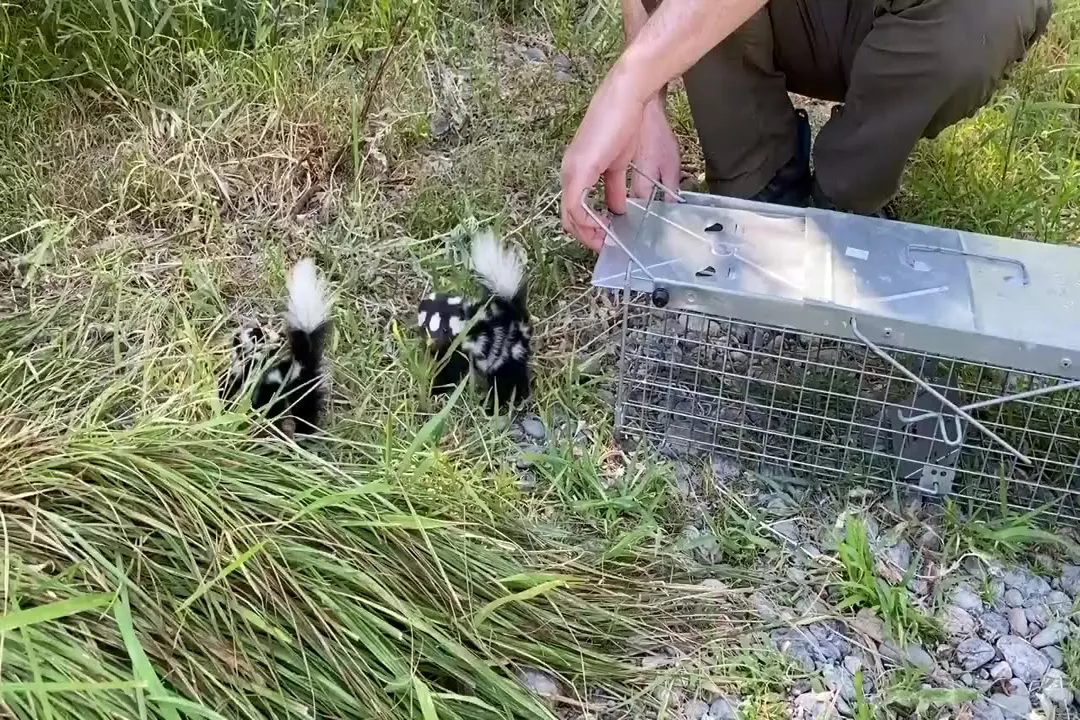
The prospect of owning a spotted skunk often raises eyebrows, blending the appeal of an exotic, distinctive pet with the inherent risks associated with wild or semi-wild animals. While many people familiar with pet skunks are referring to domesticated, de-scented striped skunks (Mephitis mephitis), the spotted varieties—such as the Western spotted skunk (Spilogale gracilis)—present a unique set of considerations regarding temperament, legality, and specialized care. [4] Understanding whether these charismatic, small carnivores can transition successfully into a domestic setting requires looking closely at their natural history and the experiences of those who have tried to keep them.
# Species Identity
Spotted skunks are physically distinct from their more commonly encountered striped cousins. The Western spotted skunk is characterized by its striking, broken white stripes and spots, which contrast with the solid stripes of Mephitis mephitis. [4] They are generally smaller than striped skunks, with males weighing between 1.5 and 2.3 pounds and females usually weighing less. [4] In the wild, these animals are found across western North America, ranging from southern British Columbia down through the western United States and into Mexico. [4]
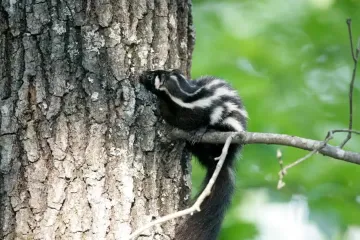
Their behavior in the wild is notable. Spotted skunks are skilled climbers and often use trees and elevated structures, which is less typical for striped skunks. [4] They are also known for performing a unique warning display before spraying: they often do a handstand, stamping their feet and hissing. [4] This natural athleticism and slightly different threat display hint at a potentially higher energy level or different behavioral wiring compared to the commonly kept pet skunks. [7]
# Legal Hurdles
Before contemplating acquiring any skunk, the most immediate and often insurmountable barrier is legality. Regulations vary dramatically depending on the state, county, or municipality. [6] In many areas, keeping native wildlife, regardless of how it was obtained, is strictly prohibited. [5] Even where they are permitted, there are often specific stipulations, such as requiring the animal to be a captive-bred specimen, rather than one captured from the wild. [6]
When researching whether a spotted skunk can be a pet, one must look beyond generic exotic pet laws. Since they are often seen as native wildlife, local ordinances might place them in a different category than non-native species, sometimes resulting in a blanket ban. [5] For instance, while some areas may permit pet skunks, the specific classification of Spilogale gracilis might place it under restrictions meant for animals that pose a higher risk of rabies transmission or ecological disruption if released. [6] The lack of widespread, standardized availability of captive-bred spotted skunks—compared to domesticated striped skunks—further complicates the legal acquisition process.
# Owner Realities
The consensus from those who keep skunks as pets revolves around two major factors: scent glands and personality. Most reputable sources and owners stress that any pet skunk must be descented, a procedure typically performed when the animal is very young. [6][7] Without this, the animal remains a wild creature incapable of fully integrating into a home environment.
However, even descented skunks are not like dogs or cats. Owners report that skunks can be quite demanding pets, requiring significant socialization and supervision. [1] They are highly intelligent and naturally curious, which translates into a great capacity for mischief and destruction. One owner noted that skunks can be litter trained, though it might take time, and they can be surprisingly noisy, using squeals and chirps. [1] Destructive behavior is common; owners must "skunk-proof" areas, as these animals are driven to dig, chew, and explore tight spaces. [6]
A key difference to note when considering a spotted skunk over a striped one relates to their natural hardiness and independence. While both need socialization, reports from groups discussing spotted skunks suggest they might retain more of their wild instincts, possibly making them less docile or more prone to nervousness around strangers than the domesticated M. mephitis lines bred for the pet trade. [2] If one were to hypothetically compare the effort needed to manage a pet spotted skunk versus a ferret, the skunk generally requires more specialized diet management and might exhibit more intense territoriality or stubbornness in training efforts. [7]
# Veterinary Needs
Finding appropriate medical care is a significant practical challenge for any exotic pet owner, and skunks are no exception. [6] Most general small animal veterinarians are not equipped or experienced in treating skunks. It is imperative to locate a veterinarian experienced with exotic pets, specifically mustelids or skunks, before acquiring one. [6]
Vaccinations are necessary, with rabies being a primary concern, although the efficacy of current vaccines in skunks may not be as thoroughly proven as in traditional domestic species. [6] Furthermore, specialized procedures, such as descenting (if not already done) or spaying/neutering, require an experienced professional. [7] Lack of appropriate veterinary access can quickly turn a manageable health issue into a crisis.
# Dietary Basics
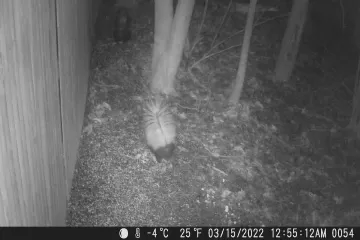
Skunks are omnivores, and their diet in captivity needs to reflect this broad natural eating habit. [6] In the wild, they consume insects, grubs, eggs, small vertebrates, fruits, and carrion. [4][6] Simply feeding them dog or cat food is insufficient long-term, as these often lack the proper balance of nutrients, particularly protein and calcium. [6]
A high-quality captive diet usually centers around a base of low-fat, high-protein kibble (sometimes veterinary-approved reptile or ferret food can supplement), supplemented heavily with fresh, low-sugar vegetables, small amounts of fruit, and occasional sources of lean animal protein like cooked egg or specialized insect feeders. [6] Overfeeding high-sugar items can quickly lead to obesity and associated health problems like fatty liver disease, a known risk factor in captive skunks. [7] Establishing a precise dietary ratio—perhaps aiming for 50% vegetables, 40% protein sources, and 10% grains/fruits—is essential for long-term health. [6]
# The Commitment Comparison
When assessing the viability of keeping any skunk, it is useful to establish a benchmark for commitment. For instance, compared to a domestic cat, a skunk demands far more intensive environment modification (blocking off access points, securing electrical cords) and less predictable house manners. [1] Compared to a dog, the social needs might be less about constant companionship and more about structured, supervised playtime and environmental enrichment to prevent boredom-induced destruction. [7]
Considering the spotted skunk specifically, their natural history as adept climbers and potentially more nervous disposition suggests they might require a more elaborate, vertical enclosure setup than a standard ground-dwelling pet. [4] An owner must be prepared for a pet with a lifespan that can reach up to 10 years, demanding a decade-long commitment to specialized care, diet preparation, and constant vigilance against their exploratory nature. [6] If a home environment cannot accommodate the need for secure, dedicated space and daily engagement, the animal's welfare, and the owner's safety, are compromised. [6][5]
# Enrichment and Housing
Housing a skunk requires more than just a standard cage. Because they are intelligent diggers and climbers, they need substantial space to express these behaviors safely. [6] Enclosures should be secure, with reinforced floors if kept indoors and allowed to roam, or dedicated outdoor enclosures designed to prevent burrowing underneath. [6]
Enrichment is non-negotiable for mental health. This means providing items to chew, dig in (like a designated dirt/sand box), and climb on. [7] Owners often suggest using ferret or large bird toys, but must constantly monitor for ingestion risks. [1] The constant need for environmental management—from securing cabinets to ensuring no toxic substances are within chewing range—is a daily reality that prospective owners must internalize. It’s not just about containing the animal; it’s about providing an environment where its natural behaviors can be directed safely away from household items. [6]
Related Questions
#Citations
How are pet skunks really? - Reddit
Skunks as Pets - Dave's Garden
Western spotted skunks as house pets - Facebook
Western spotted skunk - Wikipedia
Spotted Skunks - Montezuma Costa Rica
[PDF] Care of Skunks - Milwood Animal Clinic
Living with skunks | Minnesota DNR
Intro to Skunks