Can you keep a margay as a pet?
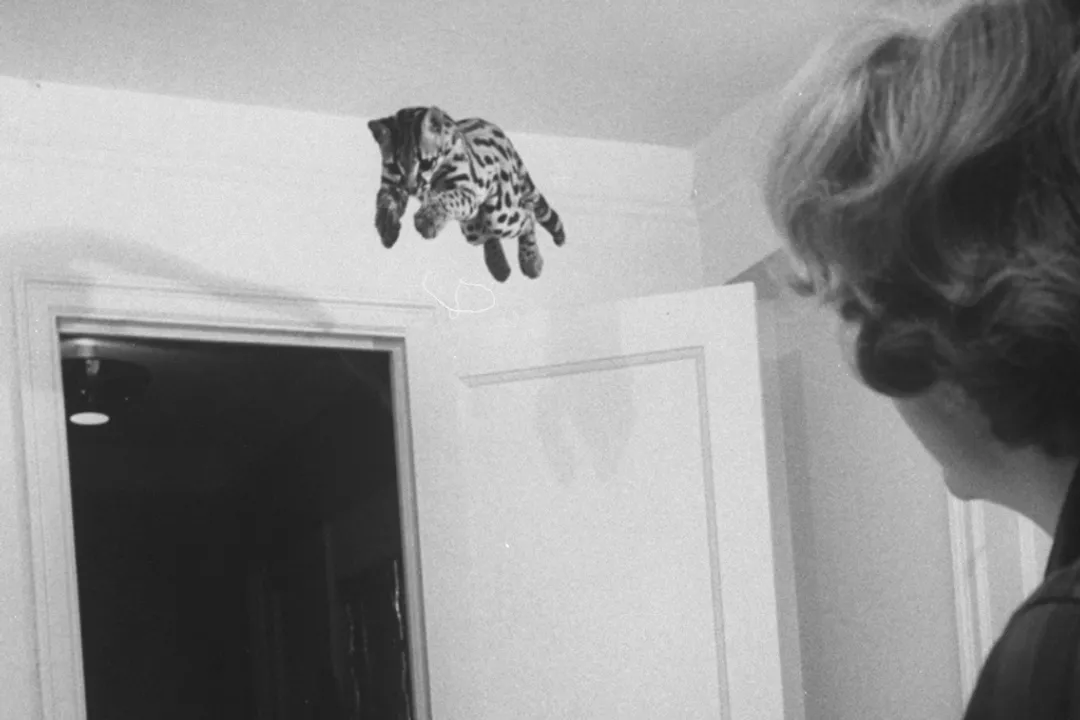
The margay, a small, exquisitely patterned wild cat native to Central and South America, often captures the imagination of those seeking an exotic companion. [1][3] Its spotted coat and captivating features make it an object of fascination, but the prospect of keeping one in a domestic setting brings up significant legal, ethical, and practical considerations that far outweigh any potential appeal. [2][9]
# Wild Characteristics
The margay (Leopardus wiedii) is a creature exquisitely adapted to its dense, forested environment. [3] They are closely related to the ocelot, though noticeably smaller. [3] A defining characteristic is their highly arboreal nature; margays spend a significant amount of time in the trees, a necessity supported by their unique physical attributes. [3] For instance, they possess the remarkable ability to rotate their ankles almost 180 degrees, allowing them to descend trees headfirst, a trait shared by only a few other cat species. [3] This physical agility suggests an incredibly active, high-energy lifestyle. Even glimpses of these animals in motion, such as in documented footage, reveal a constant need for climbing and exploration that a standard home environment simply cannot replicate. [5]
Geographically, they inhabit areas spanning from southern Mexico down through parts of Central America, including Guatemala, and deep into South America. [3][6] In Guatemala, for example, they are known to be present in various forested regions. [6] While they are adept hunters of small prey in the wild, their natural behaviors—hunting, territorial marking, and complex social structures—are instinctual and deeply rooted, making their adaptation to human-centric life extremely challenging. [9]
# Legal Status
The legality of owning any wild cat, including the margay, is highly fragmented and often restrictive, varying dramatically based on the specific country, state, or municipality. [7] While some jurisdictions may permit the ownership of certain exotic felines, the process is rarely straightforward, often requiring extensive permitting, inspections, and proof of specialized caging and care. [7] For a species like the margay, which is not commonly bred in captivity like some larger exotic cats, securing legal acquisition, even where technically possible, can be nearly impossible. [4]
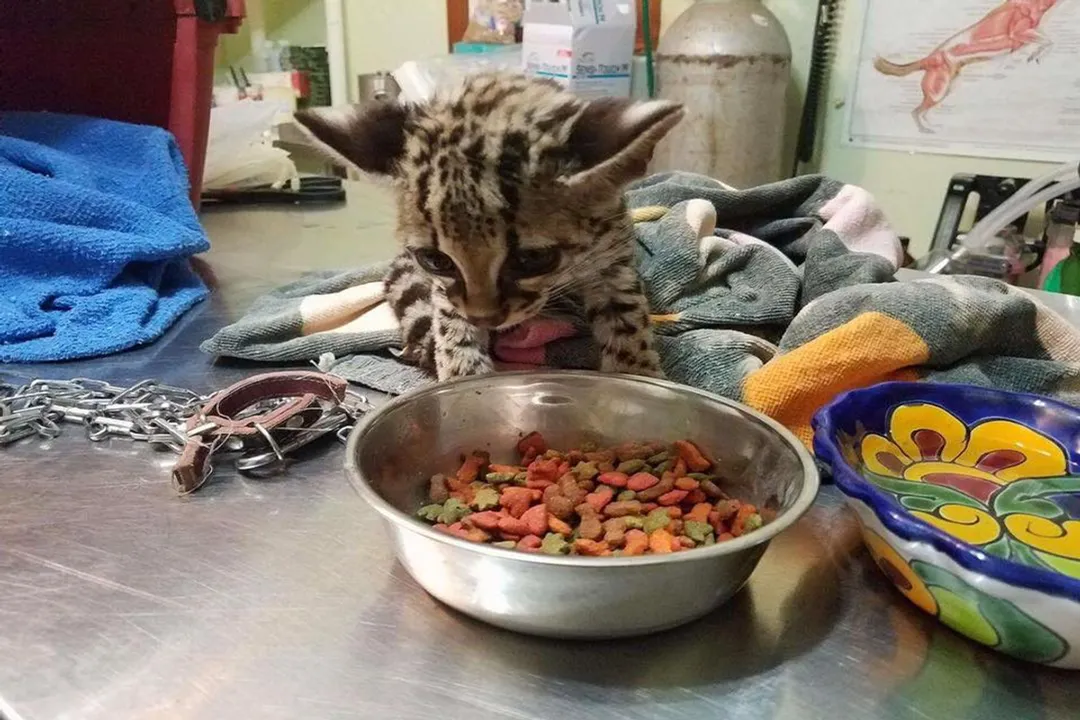
Furthermore, the international trade in wild cats poses a serious threat to their survival in the wild, contributing to population decline. [4] Reports of rescued margays, such as one turned over to an animal rescue group in Belize, underscore that these animals frequently end up in inadequate situations due to poor ownership decisions. [2] The very act of keeping a wild animal, regardless of local statutes, raises serious ethical questions about whether we can ever truly meet the needs of a creature evolved for the wild. [9]
# Caring for Wildness
The fantasy of owning a small, spotted jungle cat rarely aligns with the reality of managing an animal whose primary drives are untamed. Unlike domestic cats, which have undergone thousands of years of selective breeding for sociability with humans, a margay remains fundamentally wild. [9]
One immediate, practical consideration for anyone contemplating such an ownership scenario is the sheer vertical space required. Since margays are primarily arboreal, their physical and psychological well-being depends heavily on extensive vertical territory for climbing, leaping, and surveying their environment. [3] A typical home enclosure, even a large room, severely restricts this vital behavior, which can lead to stress, destructive tendencies, and stereotypic behaviors common in confined wild animals. [8] Considering the average ceiling height in modern housing, providing the equivalent of a mature forest canopy structure is exceptionally difficult, often resulting in an environment that is wholly inadequate for their natural locomotive needs.
The commitment extends far beyond spatial requirements. Wild cats have distinct dietary needs, require specialized veterinary care that many general practitioners cannot provide, and often exhibit nocturnal tendencies and powerful instincts regarding territory and mating. [2][9] The experience of keeping an animal that is inherently undomesticated suggests that what might seem like an appealing novelty quickly becomes a demanding, potentially dangerous, and ethically compromising situation for the animal involved. [2][9]
# Conservation Impact
When individuals acquire wild cats, whether legally or illegally, it often fuels a market that directly impacts wild populations. [4] Even if an owner obtains a cat through captive breeding, the overall demand for exotic pets places pressure on wild populations and complicated conservation efforts. [4] Organizations dedicated to wildlife preservation often find themselves intervening when domestic situations fail, taking in animals like the rescued margay that are no longer manageable as pets. [2]
It is worth noting that the legal framework designed to protect these animals often focuses on preventing poaching or illegal entry, but it can sometimes inadvertently create loopholes for high-cost, low-volume exotic trade. Even in the United States, where regulations vary so widely, obtaining permits for a species that is not commonly established in accredited captive breeding programs (like AZA facilities) requires navigating layers of federal, state, and local laws, making legitimate ownership rare and difficult to maintain long-term. [7] For the average citizen, the path to legal, responsible ownership of a margay is virtually nonexistent, and attempting to circumvent these structures only exacerbates conservation issues.
Ultimately, the margay serves as a powerful example of a species that belongs in its native habitat. While their captivating appearance inspires desire, their biological imperatives as true wild predators mean they are unsuited for life in a human home. [2][9] For those who admire these beautiful cats, the most responsible action is to support conservation efforts that protect them in the wild and observe them through reputable organizations or media, rather than attempting to bring the wild into their living rooms. [4]
#Videos
CARE Bios - Juno the Margay - YouTube
Related Questions
#Citations
The margay. It doesn't get enough attention. : r/aww - Reddit
Wild animals should not be pets; captive Margay rescued and turned ...
Margay - International Society for Endangered Cats (ISEC) Canada
Global pet trade in wild cats is a threat to their survival | Blog - PBS
CARE Bios - Juno the Margay - YouTube
13 Facts About Margay Wild Cat in Costa Rica Wildlife
Where is it legal to own wild cats, such as mountain lions, in ... - Quora
A Margay Kitten Launches Himself From the Top of a Door, NYC, 1961
Keeping an animal (who is basically wild in nature) as a 'Pet'