Can Somali cats be left alone?
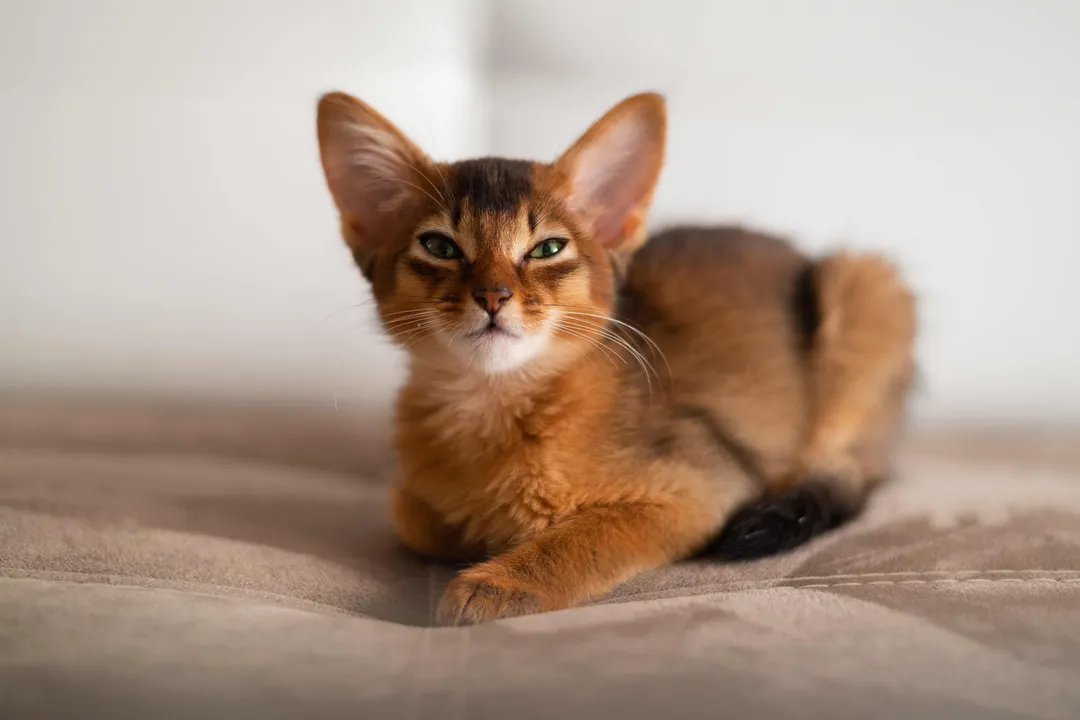
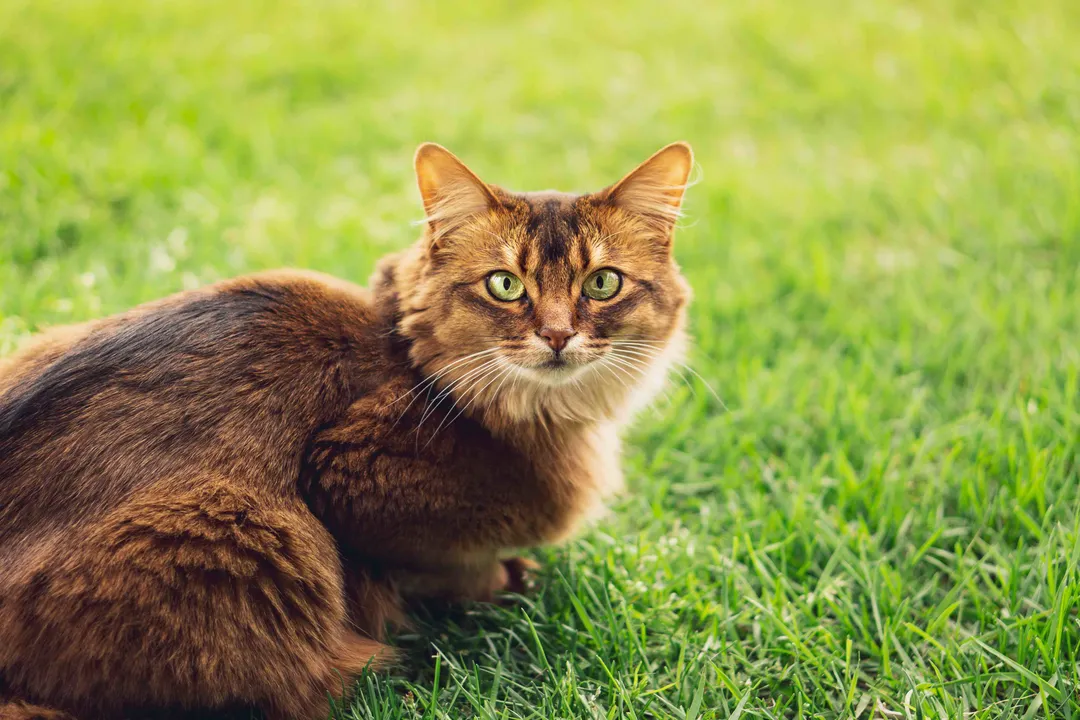
The Somali cat, often nicknamed the "fox cat" for its beautiful coat and spirited demeanor, possesses an active and engaging personality that brings up important considerations for potential owners. When pondering whether this breed can handle being left on its own for extended periods, the answer lies not in a simple yes or no, but in a deeper look at their significant intellectual and social requirements. These cats are renowned for their intelligence, curiosity, and high energy levels, traits which directly impact their tolerance for solitude. [1][5][7]
# Temperament Profile
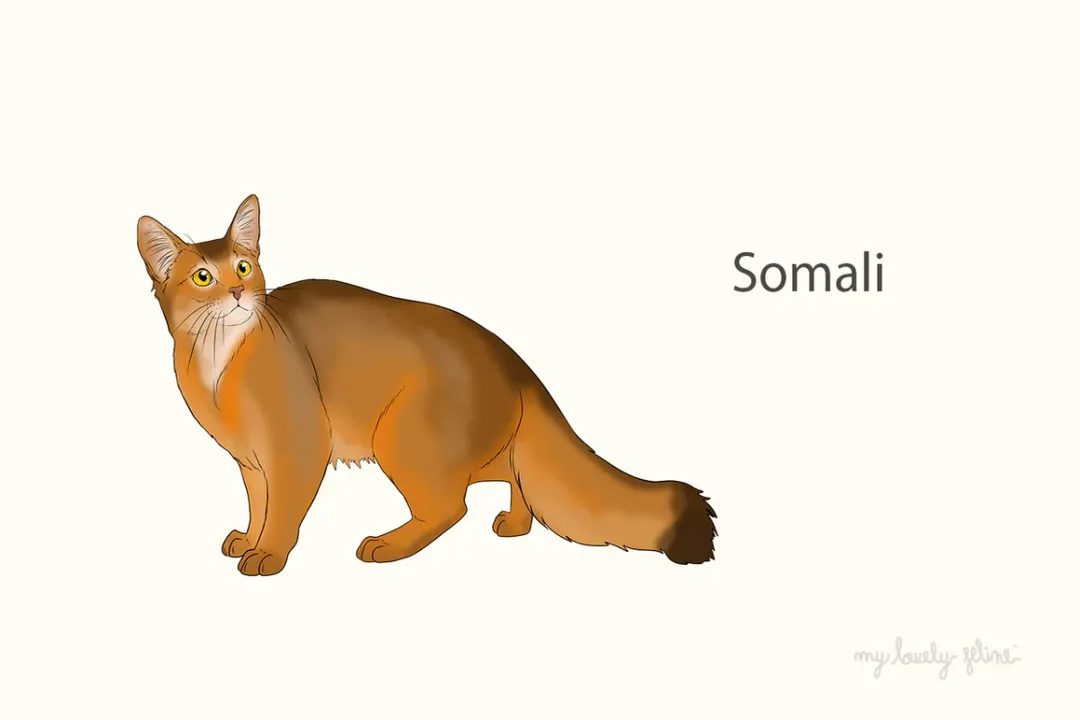
Somalis are far from the stereotypical aloof feline. They tend to be quite social and form strong bonds with their human families. [1] Many descriptions suggest they behave similarly to dogs, often following their owners from room to room and actively participating in household activities. [8] This close attachment means they genuinely enjoy company and interaction. [1][8]
# Energy and Intellect
The high level of energy paired with sharp intelligence is a defining feature of the Somali. They need mental stimulation just as much as physical activity. [5] A bored Somali is often a mischievous Somali. They are problem-solvers who can figure out how to open cabinets or manipulate toys. [7] This active mind requires engagement; if left to entertain themselves without appropriate outlets, they can quickly develop undesirable behaviors stemming from frustration. [1][5] While they are adaptable to new situations, their core need for engagement remains constant. [2]
# Solitude Limits
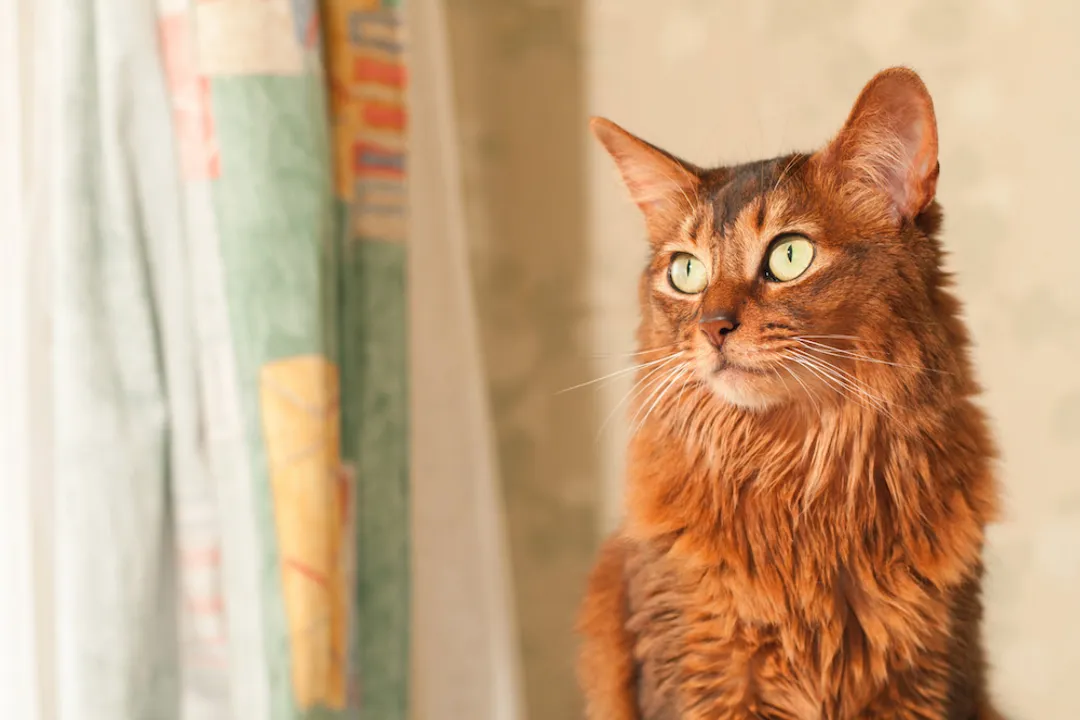
Considering their sociable nature, leaving a Somali cat alone for long stretches is generally not advisable, especially compared to more independent breeds. They thrive when they have interaction and can become lonely or distressed if their social needs are consistently unmet. [1]
For an owner working a standard eight-hour day, the cat will certainly be alone for a significant portion of that time, and many Somalis can manage this, provided their environmental needs are fully addressed before and after work. [1] However, if daily routines involve many consecutive hours alone, or frequent overnights, a Somali may begin to suffer from the isolation. This can manifest as excessive vocalization, destructive chewing, or even inappropriate elimination habits as they try to cope with boredom or anxiety. [1][5]
| Breed Comparison (Generalization) | Independence Level | Typical Need for Company |
|---|---|---|
| Somali | Low to Moderate | High; thrives on interaction |
| A very independent shorthair (e.g., Egyptian Mau) | Moderate to High | Content with periodic check-ins |
| A highly social breed (e.g., Siamese) | Low | Very High; needs near-constant companionship |
This breed is generally not suited for households where the cat will spend the majority of its waking hours completely alone, such as for individuals who travel frequently or work very long, irregular hours without a caretaker option. [1]

# Enrichment Strategies
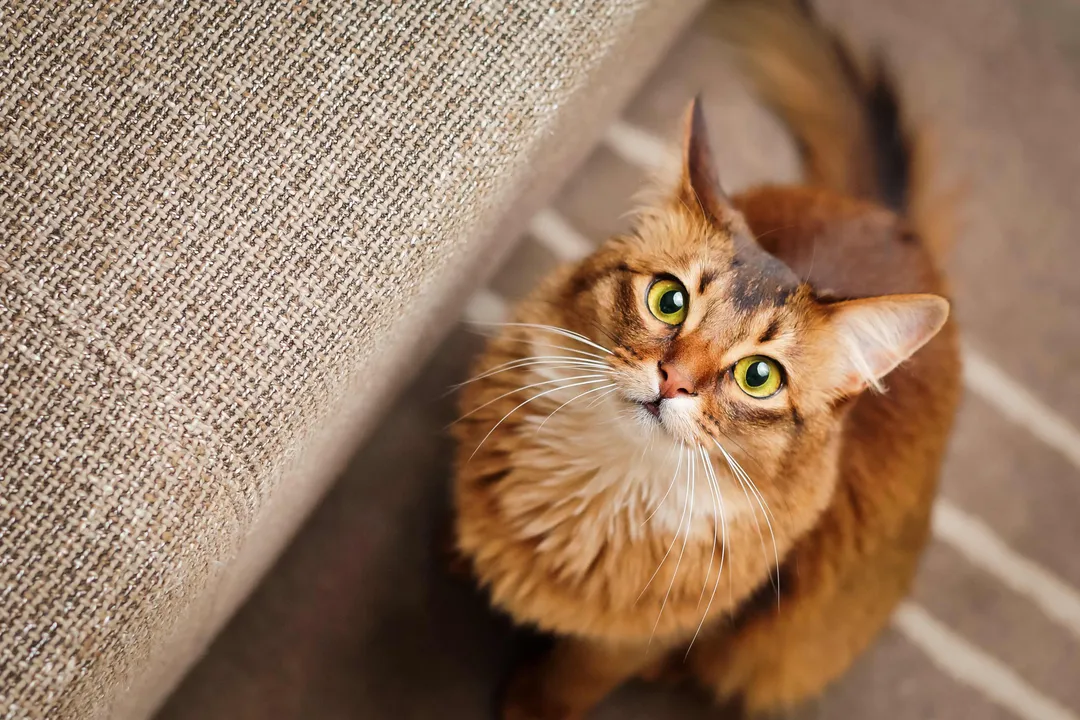
Successfully integrating a Somali into a busy life requires proactive management of their environment to keep their minds occupied while you are away. Think of their solitude time as mandatory enrichment sessions. Simply providing a few toys will likely not suffice for a cat this bright. [5][7]
One effective method is implementing a rotation of puzzle feeders. Instead of simply placing their daily kibble in a bowl, use feeders that require batting, rolling, or manipulation to release food. [7] This taps into their natural hunting drive and keeps them mentally occupied during the day. Furthermore, maximizing vertical space is key. Somalis love to climb and survey their domain from a height. [1] Installing tall, sturdy cat trees, wall-mounted shelves, or clear pathways up high gives them an engaging, multi-level playground to explore. [5]
When setting up their environment for your absence, consider creating a designated "Somali stimulation station" near a window. This area should feature rotating toys—including electronic toys that mimic prey movement or motion-activated items—placed near a safe perch overlooking bird feeders or neighborhood activity. This focused setup channels their natural curiosity into acceptable outlets, making the solitude feel less like isolation and more like an adventure in their own private domain. [1][5]
# Social Support
For owners who are concerned about the length of time the cat must remain alone, introducing a companion animal can sometimes alleviate the issue, though this requires careful consideration. Because Somalis are quite social, they may bond well with another friendly, similarly energetic cat who can keep them company. [1] However, introducing a second pet must be done slowly and deliberately, as a mismatch in energy or temperament can create more stress than it solves.
Another strong option is arranging for a pet sitter or trusted friend to stop by mid-day. Even a 30-minute visit for a dedicated play session—using interactive wand toys to mimic hunting—can dramatically improve the cat’s mood and reduce potential boredom-related behaviors when the owner returns home. [1][7] Structured playtime is more beneficial than just leaving toys out; they respond well to targeted interaction.

# Ownership Commitment
Owning a Somali cat is comparable to committing to the social needs of a very bright toddler or a high-energy sporting dog that happens to prefer climbing furniture. Their affection is freely given, but their mental stamina demands frequent engagement. [1][8] If you are looking for a pet that is happy to nap silently for ten hours while you are at work, the Somali is likely not the best match. They require daily, focused, interactive time to truly flourish. The commitment isn't just about providing food and a clean litter box; it's about actively participating in their mental and physical exercise schedule every single day. [5][7] The reward for meeting these high standards is a devoted, engaging, and unique companion.
Related Questions
#Citations
Everything You Need to Know About Somali Cats
Somali Cat Breed Health and Care - PetMD
Self-Confident Somali Cat: Nature, Keeping & Care - MAXI ZOO
Hello, I'm looking for some infos about somali cats as I - Facebook
How should I change my life if I wanted to live with an Abyssinian?
Somali cat - GoofyTails
Somali Cat - NHV Natural Pet Products
Somali Cat Personality: How Do Somali Cats Act? - Litter-Robot
Somali Cat | The History, Traits, and Care - Feline Fancy