Can German Spitz be left alone?
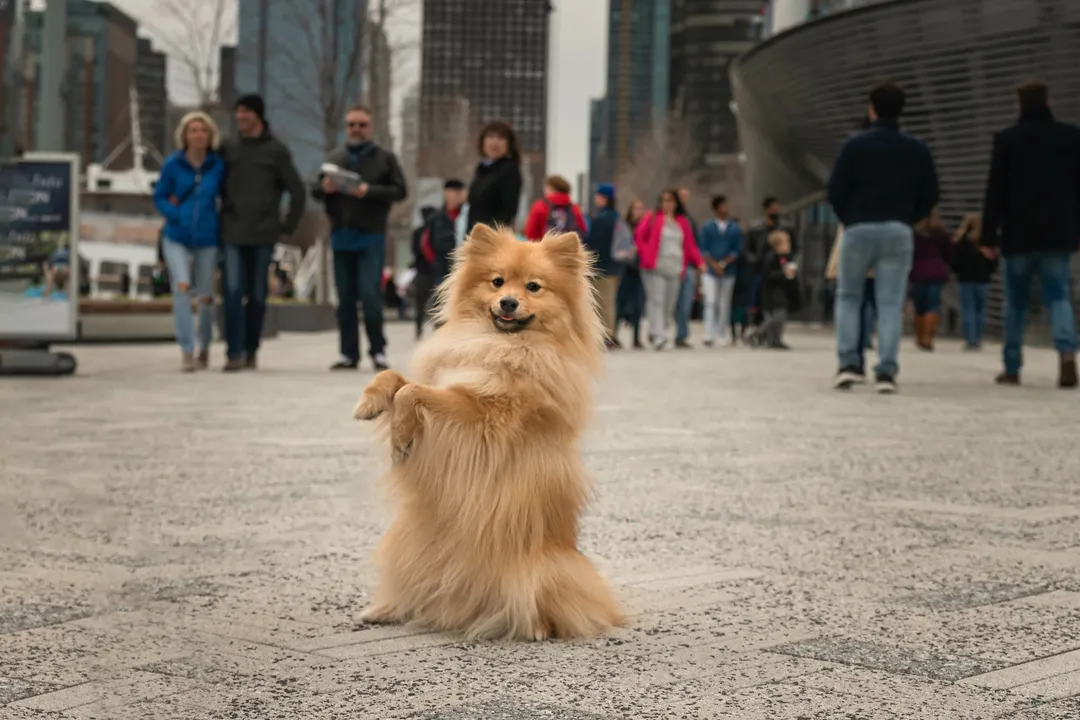
The German Spitz, a breed celebrated for its lively, devoted, and attentive nature, understandably prompts questions about their ability to cope when left to their own devices. These dogs are built for companionship; they form intense bonds with their human families and, as a result, generally do not do well when left alone for long stretches. They are social creatures that thrive when they are actively involved with their people, preferring to be the center of attention. When their need for interaction goes unmet, the resulting boredom can quickly translate into undesirable outcomes, such as becoming mischievous or developing vocal habits.
# Core Temperament Needs

Understanding the German Spitz's innate characteristics is the first step in determining how much solitude they can handle. Bred historically in Germany, they are an ancient European breed known for their cheerful disposition when with their loved ones. They possess a classic spitz appearance—a fox-like face, erect triangular ears, and a profuse, stand-off double coat. This history, however, also shapes their modern behavior.
The breed was originally valued as a farm guardian and watchdog. This background means they retain strong guardian tendencies, making them inherently alert and quite vocal. They are quick to sound the alarm if they notice suspicious activity or new stimuli. While this makes them excellent alert dogs, it presents a challenge when considering time spent alone, particularly in close-living situations like apartments. A lonely Spitz might be noisy, not just from anxiety, but from simply announcing every passing sight or sound.
Furthermore, German Spitzes are highly intelligent and quick learners, yet they can also exhibit a stubborn streak or an independent nature. While they are eager to please, this intelligence demands engagement. If this mental energy is not channeled into constructive activities, it can manifest as destructive behavior. They need more than just passive companionship; they require active mental stimulation to keep their sharp minds focused.
# Defining Solitude
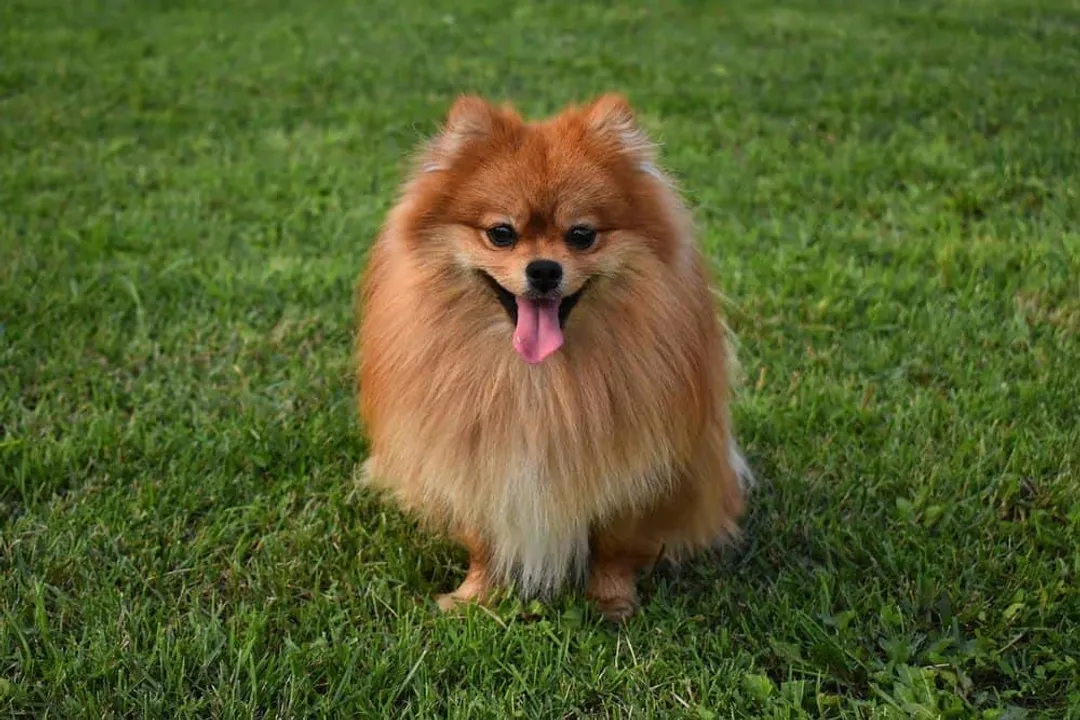
The consensus among those familiar with the breed is clear: consistent absence for long stretches is detrimental to their wellbeing. They are not suited for owners who are perpetually out of the house. However, the issue isn't an absolute ban on being alone; rather, it hinges on what constitutes a "reasonable period" and the dog's prior conditioning.
For a German Spitz, a "reasonable period" is directly tied to their fundamental needs for physical activity and mental engagement being met before the owner leaves, and the quality of their environment while they are alone. A dog whose exercise needs are ignored is significantly less likely to cope well than one who has just completed a satisfying training session. While specific time limits—like "no more than four hours"—can be a helpful starting point for many breeds, the Spitz requires a more nuanced approach based on their sociability and vigilance. Unlike some breeds that might nap away the day, the Spitz’s alertness means they are often more engaged with their environment, heightening the risk of boredom-related distress or excessive barking if left too long without adequate preparation.

# Pre-Departure Preparation
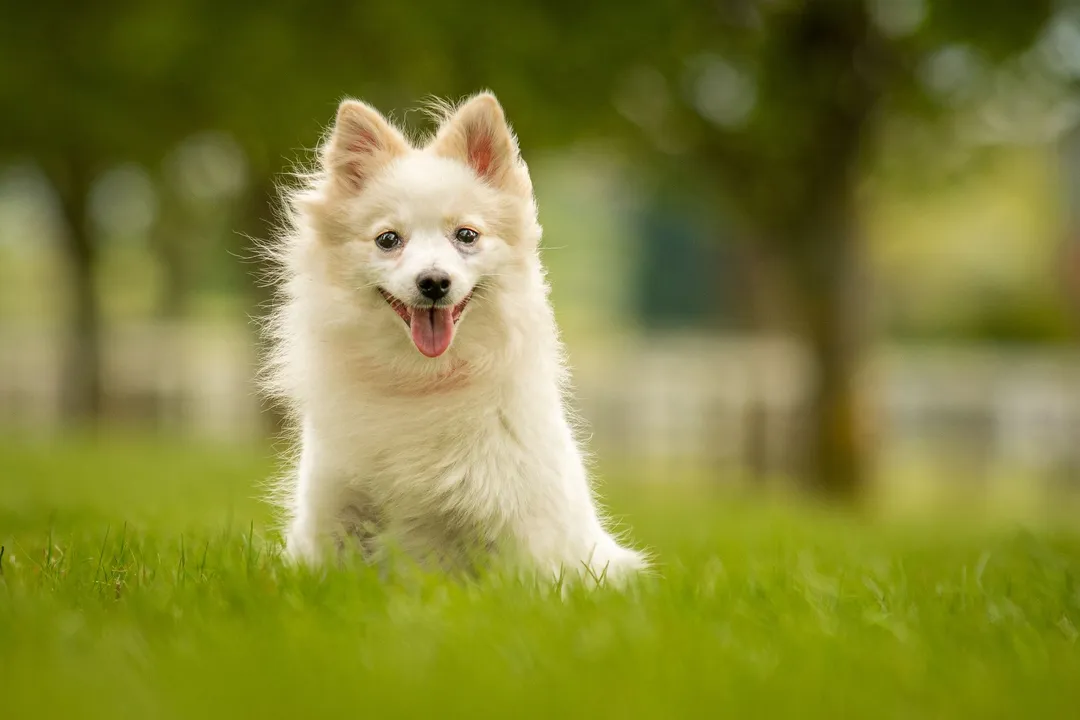
Because the German Spitz craves attention and thrives on interaction, successful alone time training is built on a foundation of fulfilling their high needs before separation occurs. This means structuring the day to manage both their body and their brain.
# Physical Activity Load
While they are not built for marathon running or lengthy, vigorous hikes, they are energetic and require regular physical outlets. Owners should establish a routine that includes brisk walks and active playtime, aiming for about 30 minutes to an hour of daily exercise. For smaller varieties, like the Klein Spitz, this might mean a couple of dedicated, brisk 20-minute walks. The key is consistency; meeting these needs ensures the dog is physically tired, making them more amenable to resting when the house is empty.
# Mental Enrichment
For an intelligent breed like the German Spitz, mental exercise can often be more crucial than physical exhaustion when preparing for alone time. A sharp mind left idle is a recipe for mischief.
- Training Sessions: The breed responds well to consistent training using positive reinforcement, especially treats and praise. Short, fun sessions keep them interested. Practicing basic commands or teaching new tricks tires the brain quickly and reinforces the owner-dog bond, which paradoxically helps them feel more secure when the owner departs.
- Interactive Tools: Utilizing puzzle toys or feeding meals through interactive devices is highly recommended. If you are planning to leave your Spitz for a moderate period—say, a few hours—providing a food puzzle right before you walk out the door can redirect their focus from your departure to a rewarding task. This shifts the association from anxiety to engagement.
# Cultivating Independence Through Training
The goal is not to force independence but to teach the dog that solitude is safe and temporary. Since the German Spitz is highly intelligent, they will quickly learn routines, which can be leveraged for training alone time tolerance.
For owners living in areas where noise is a concern, managing the ingrained watchdog behavior is vital for practicing alone time successfully. Because they are quick to bark at new sights or sounds, early and consistent training—specifically targeting the "quiet" command—can help curb this tendency. If the dog learns to settle when instructed inside the home, they are more likely to remain quiet when alone, reducing potential conflicts with neighbors that could otherwise make owners rush home prematurely.
When introducing crate time or confinement, the process must be gradual, aligning with the positive reinforcement methods that work best for this breed.
- Positive Association: Never use the confinement area (crate, pen) as punishment. Feed meals inside it with the door open initially.
- Short Durations: Start with very short absences, perhaps stepping out of sight for just a minute, rewarding calm behavior upon return.
- Desensitization: Practice "departure cues" (picking up keys, putting on a coat) without actually leaving, to diminish their power to trigger anxiety. When you do leave, make the actual departure calm and uneventful.
One analytical point to consider when structuring your day is the interplay between a Spitz’s historical role and its modern environment. Historically, the German Spitz was sometimes referred to as a "mistbeller," or "dung-hill barker," because they sat on hilltops to watch their domain. This innate vigilance means that even when well-exercised, they remain hyper-aware of external triggers. If you live in a dense urban area with constant pedestrian or traffic noise, their threshold for boredom-induced or alert barking may be lower than a dog living in a quieter, more rural setting. Therefore, the "reasonable period" for an apartment-dwelling Spitz might be shorter than for one in a quiet home, even if their stimulation levels are ostensibly matched.

# The Alone-Time Readiness Scorecard
To help owners gauge their readiness to leave their German Spitz alone, it is helpful to assess the dog against their core needs. Since a single universal time frame is absent in breed guidance, readiness relies on meeting these measurable criteria:
| Readiness Factor | Low Score (Needs Improvement) | High Score (Ready for Training) |
|---|---|---|
| Daily Physical Output | Walks are irregular or only brief potty breaks. | Achieves 45+ minutes of brisk activity/play daily. |
| Mental Engagement | Relies on simple chews or is left with no specific toys. | Regularly works with puzzle toys, has completed a training session that day. |
| Separation Training History | Exhibits pacing, destructive chewing, or excessive vocalization when the owner leaves temporarily. | Comfortable resting in a designated spot (e.g., crate or bed) for 15–30 minutes while the owner is home but out of sight. |
| Vocalization Management | Barks frequently at every external noise when owner is present. | Knows and responds consistently to the "quiet" command. |
| Bond Stability | Owner frequently caters to every attention-seeking behavior. | Dog is comfortable entertaining itself for short periods while the owner is home but busy (e.g., working at a desk). |
A dog scoring low across the board, especially in the Physical and Mental Engagement categories, should not be left alone for more than very short, highly managed intervals. Conversely, a dog consistently hitting the High Score benchmarks is primed to benefit from structured alone-time training designed to safely extend their comfort window.
# Companionship Versus Coexistence
The German Spitz desires to be a family member, not just a cohabitant. This desire is closely tied to their intense loyalty. When planning for longer absences, owners must be prepared to invest heavily in environmental enrichment that mimics interaction. If an owner works a standard nine-to-five job, they are looking at a dog that is alone for roughly eight hours, a duration that is generally too long without significant modifications to the dog’s daily routine or environment.
For situations where long absences are unavoidable, the owner must consider external support. This could involve hiring a dedicated dog walker who can provide mid-day exercise and a mental break, or perhaps arranging for the dog to spend the middle of the day at a trusted, dog-friendly workplace or a reputable daycare that caters well to smaller, moderately active breeds. Remember, this breed is highly intelligent and eager to please, meaning they learn routines fast—both good ones and bad ones. If they learn that being alone equals panic, that pattern will solidify quickly.

# Lifespan and Long-Term Commitment
The German Spitz typically enjoys a long life expectancy, often reaching 13 to 15 years. This long commitment underscores the necessity of establishing sound behavioral patterns early on, particularly regarding solitude. A puppy or young dog left alone too often, too soon, sets a precedent for lifelong anxiety that becomes increasingly difficult to correct as the dog matures.
When considering adding a German Spitz to the family, prospective owners must be honest about their daily schedule. Their affectionate and lively nature means they are ideal for households that value interaction, perhaps working from home, or those who can commit to significant after-work engagement to meet their stimulation needs. This breed thrives on having a job, whether that job is obedience training, agility, or simply being an attentive companion who participates in family life.
Ultimately, the answer to whether a German Spitz can be left alone is conditional. They can cope with reasonable periods of solitude, but only if their inherent needs as a devoted, intelligent, and alert companion dog are consistently met through dedicated exercise, structured mental work, and slow, careful desensitization to being separated from their beloved humans.
Related Questions
#Citations
German Spitz Dog Breed Health and Care - PetMD
German spitz: Dog breed characteristics & care - BetterPet
German Spitz | Dog Breed | | Royal Canin IE
German Spitz - GoofyTails
German Spitz: Dog Breed Characteristics & Care - The Spruce Pets