What are some fun facts about Somali cats?
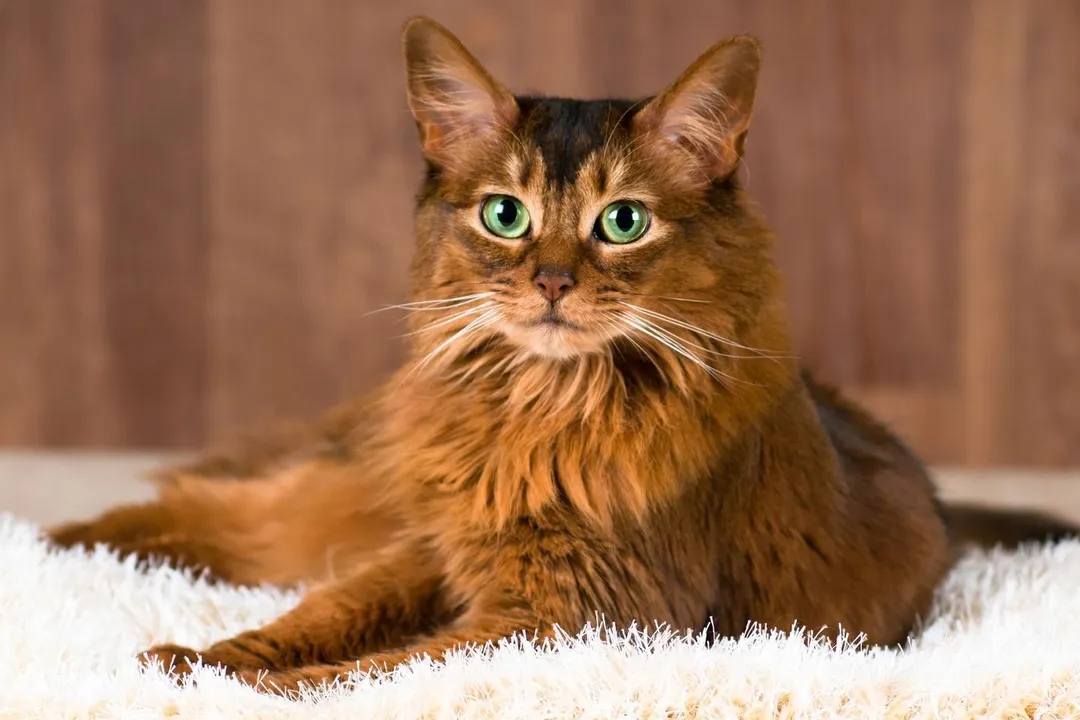
When you picture a Somali cat, you might first think of their wild, striking appearance that seems almost regal. Often nicknamed the "Fox Cat" because of their full tail and ticked coat, the Somali is much more than just a pretty face; they possess a vibrant, energetic personality packed into a medium-sized body. [6][10] This breed is less about lounging on the velvet cushion and more about investigating every corner of your home with intense curiosity.
# Abyssinian Link
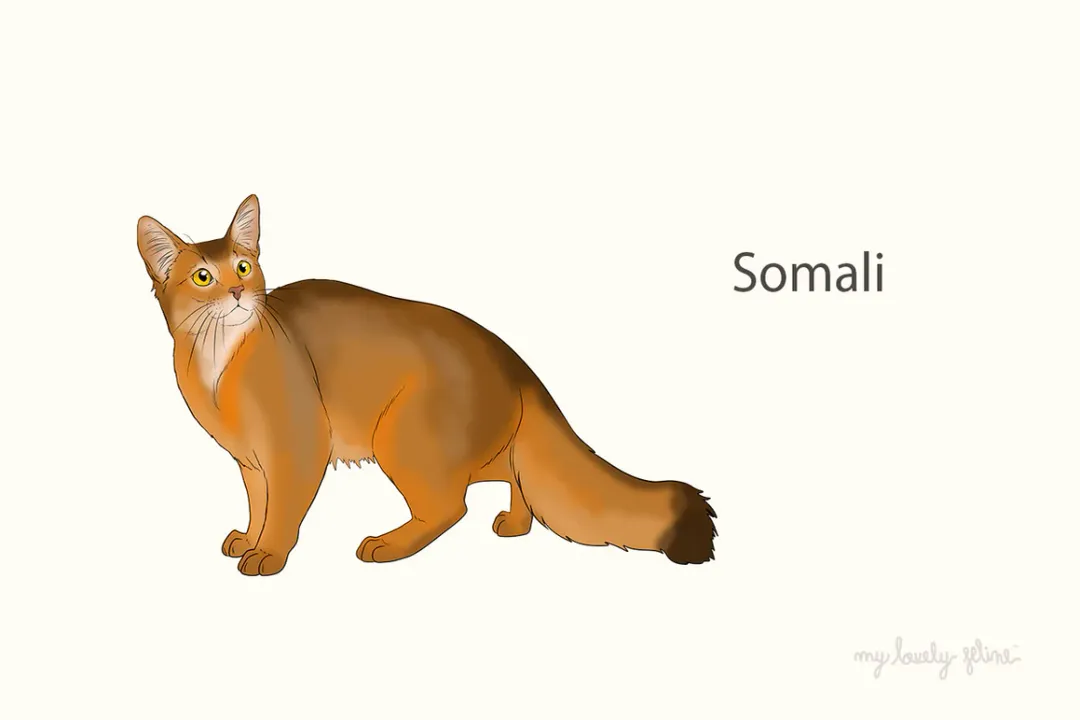
One of the most fascinating aspects of the Somali is its direct genetic lineage. The Somali is, quite simply, a long-haired version of the Abyssinian cat. [2][4] The breed's development really stems from introducing long-haired kittens into Abyssinian breeding programs over time. [4] The gene responsible for the longer coat is recessive, meaning both parents must carry the gene for a kitten to express the long-haired trait. [4] If you are familiar with the sleek, short-coated Abyssinian, you will recognize the Somali immediately in terms of body structure, temperament, and those expressive, almond-shaped eyes. [3][4] They share that same elegant, muscular build and active nature, just wearing a softer, longer coat. [9]
# Ticked Coats
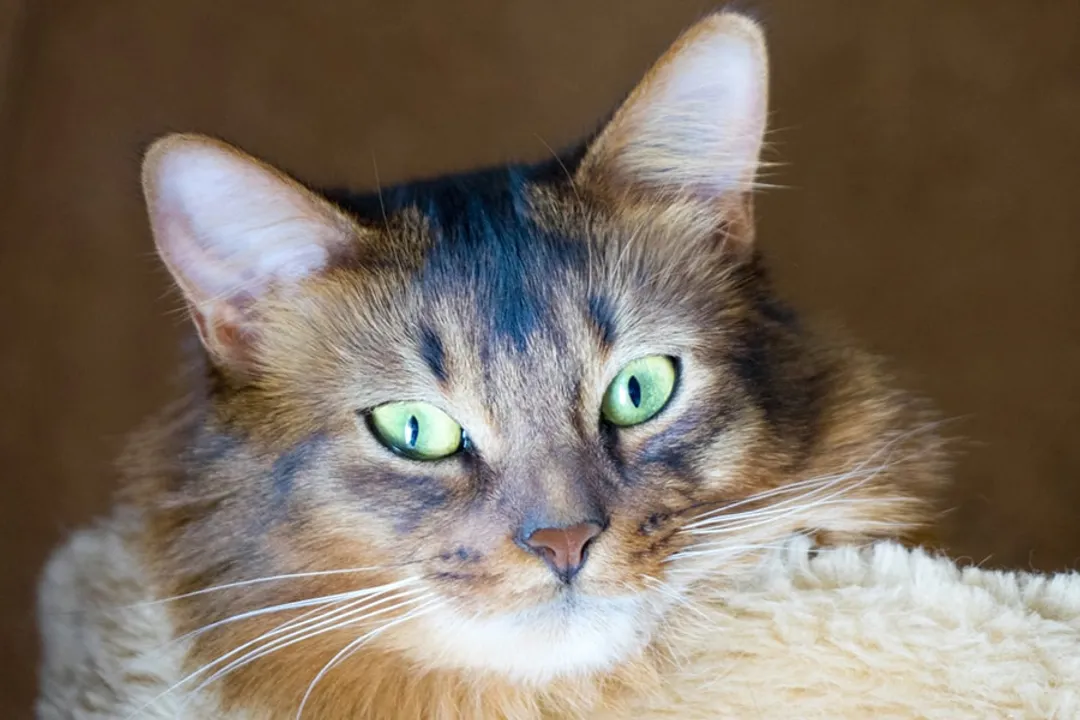
The visual signature of the Somali, just like its shorter-haired cousin, is its beautifully ticked coat. [1] This isn't just solid color; it’s complex. Each individual hair shaft has bands of alternating light and dark pigment, creating an overall shimmering or agouti effect across the body. [3] This ticking gives the coat incredible depth and movement when the cat moves. [1]
The breed is recognized in several specific color variations, though some are more common than others. [1][3]
- Ruddy: The most common and traditional color, appearing as a rich, warm reddish-brown or copper color. [1][3]
- Red (or Sorrel): A deep, coppery red hue. [3]
- Blue: A soft, silvery-blue/grey shade. [1]
- Fawn: A pale, creamy beige color. [3]
Interestingly, while the body coat is ticked, the hairs on the underside of the cat, the ruff around the neck, and the tail plume often have less ticking or appear more solid, creating beautiful contrast. [4] Despite the length, the coat is relatively fine and soft, not overly thick or dense, which affects how it feels and grooms. [1]
# Fox Look
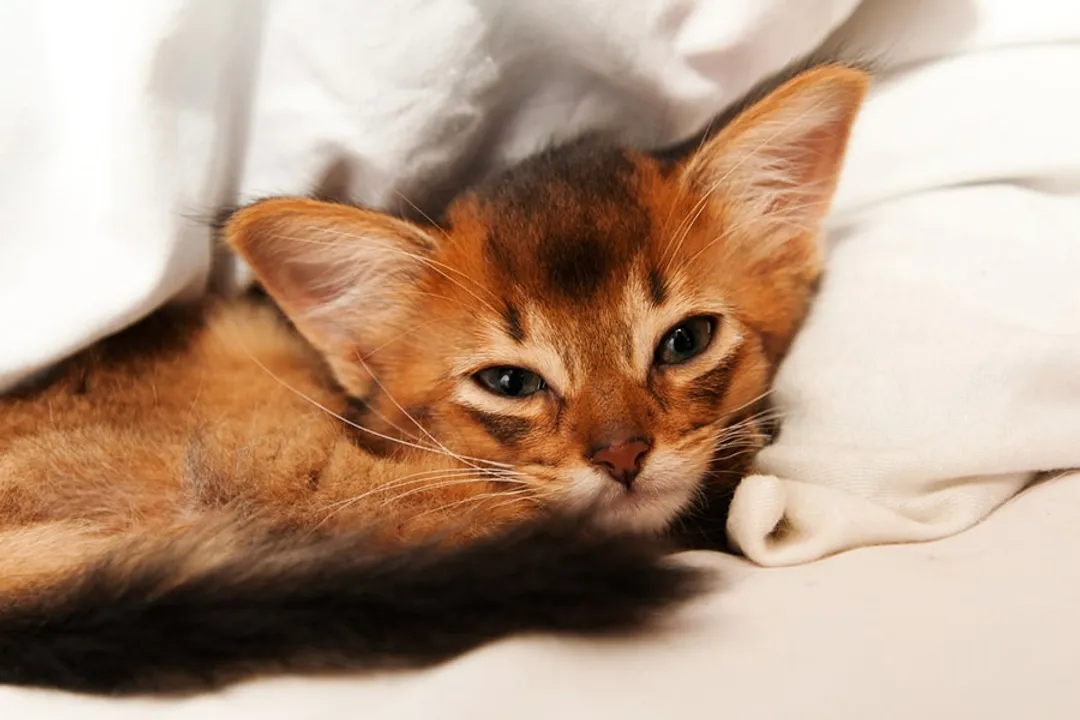
The nickname "Fox Cat" is clearly earned, largely due to that magnificent tail. [6] Unlike the short, tapering tail of the Abyssinian, the Somali sports a full, bushy tail that perfectly complements their overall wild appearance. [10] This tail, combined with the ear furnishings—tufts of hair growing inside the ears—adds to the illusion of a small fox. [6] Their eyes are large, expressive, and alert, typically appearing gold, green, or copper, which enhances their intelligent and inquisitive expression. [3] This combination of a flowing tail, pointed ears, and large eyes makes them stand out visually from many other long-haired breeds. [10]
# High Activity
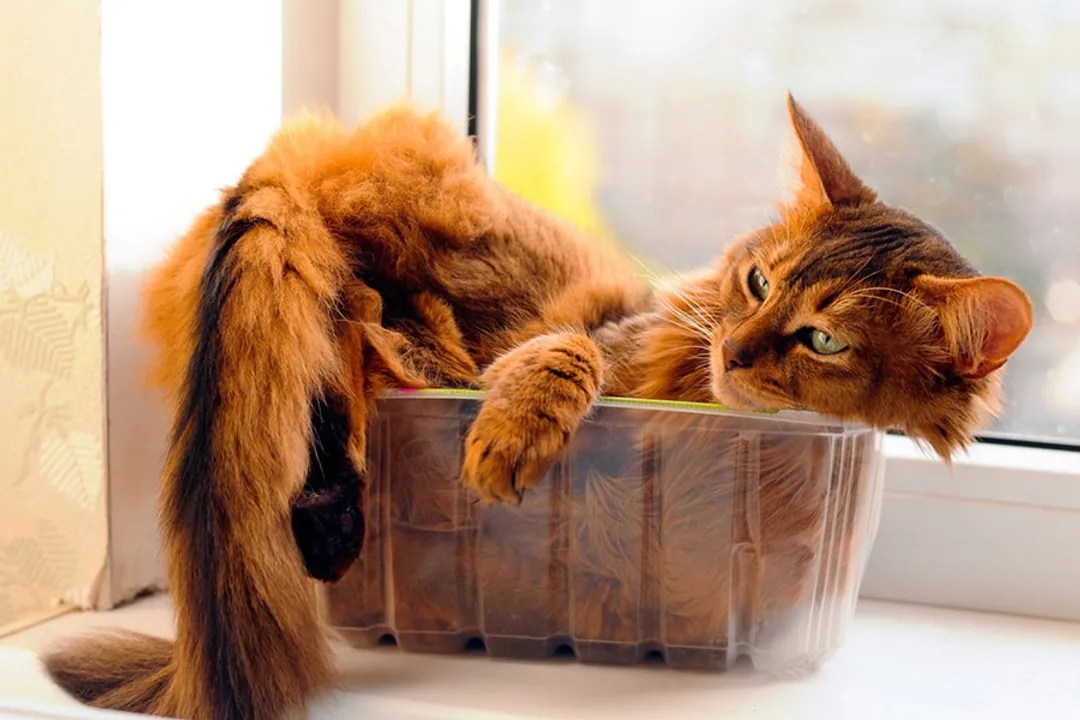
If you are looking for a cat content to nap all day, the Somali is likely not the right match. These felines are renowned for their high energy levels and boundless curiosity. [5][9] They are incredibly intelligent and need regular mental stimulation to stay happy. [5] Owners frequently report that Somalis behave more like kittens well into adulthood; they are playful, athletic, and constantly seeking something to occupy their minds. [1]
They excel at aerial acrobatics, meaning vertical space is essential in their environment. [5] They love to climb and survey their domain from the highest point available. Many Somalis have learned to play interactive games, such as retrieving thrown toys, much like a dog would. [1][9] They often show a deep devotion to their primary person, frequently following them from room to room to supervise activities. [9] This makes them wonderfully engaging companions, but it also means they dislike being isolated. [9]
# Social Demands
Because they are so mentally engaged and active, understanding their social requirements is key to keeping a Somali happy in your home. They thrive best in environments where they are included in family life and given tasks or puzzles to solve. [5] If you work outside the home for long hours, providing multiple levels of climbing structures, rotating puzzle feeders, and dedicated interactive playtime (such as using wand toys) becomes less of an option and more of a necessity to prevent boredom-related mischief. [9]
It's worth noting that while they demand attention, they aren't always cuddlers in the traditional sense. They prefer to be near you, observing, participating, or playing, rather than necessarily sitting still on your lap for hours. [9] They generally integrate well with gentle children and other pets, provided introductions are handled thoughtfully, as their sturdy build helps them manage accidental roughhousing better than some more delicate breeds. [3]
# Grooming Simplicity
Given their semi-long coat, one might assume the Somali requires daily, intensive grooming sessions, similar to a Persian or Himalayan. However, this is where the Somali offers a pleasant surprise. [1] Their coat texture is fine and they generally lack the dense undercoat common in many other long-haired breeds. [1] This characteristic significantly reduces the risk of painful matting that plagues owners of other long-haired varieties.
For an owner dedicated to maintaining their coat's pristine look, a thorough brushing session just once a week is usually sufficient to remove loose hair and keep shedding under control. [1] If you introduce this brushing routine early on, most Somalis become quite accustomed to it, often seeing it as another form of positive attention. Think of their grooming as maintenance, not constant repair. However, during heavy shedding seasons, you might want to increase this frequency slightly to keep tumbleweeds of fur at bay. [1]

# Breed Hardiness
While all purebred cats have potential genetic predispositions, the Somali is generally regarded as a robust and relatively healthy breed. [9] They typically have a long lifespan, often living into their mid-to-late teens. [9] However, breeders and owners are often aware of a few specific issues that occasionally appear within the lineage. For instance, certain progressive retinal atrophy (PRA) conditions have been noted in the breed, which affects vision over time. [3] Responsible breeders screen their lines rigorously to reduce the incidence of these inherited conditions. Recognizing that they are active cats, maintaining a healthy weight through diet and ensuring they get sufficient exercise prevents strain on their joints as they age. [5] Because they are so busy and agile, prospective owners should check their homes for potential fall hazards from great heights, even if the cat seems generally sturdy.
#Videos
5 Fascinating Facts About the Somali Cat | The “Fox” of the ...
Related Questions
#Citations
Somali Cats: Origin, Personality, and Health Issues
Somali: Cat Breed Profile, Characteristics & Care
What to Know About a Somali Cat
Somali Cat Breed Information
5 Fascinating Facts About the Somali Cat | The “Fox” of the ...
Somali Cat Combines Abyssinian Looks With Kitten-like ...
Somali Cat | The History, Traits, and Care
Everything You Need to Know About Somali Cats
Somali Cat Breed - Temperament, Personality ...
Somali cat Facts for Kids