What are the pros and cons of Somali cats?
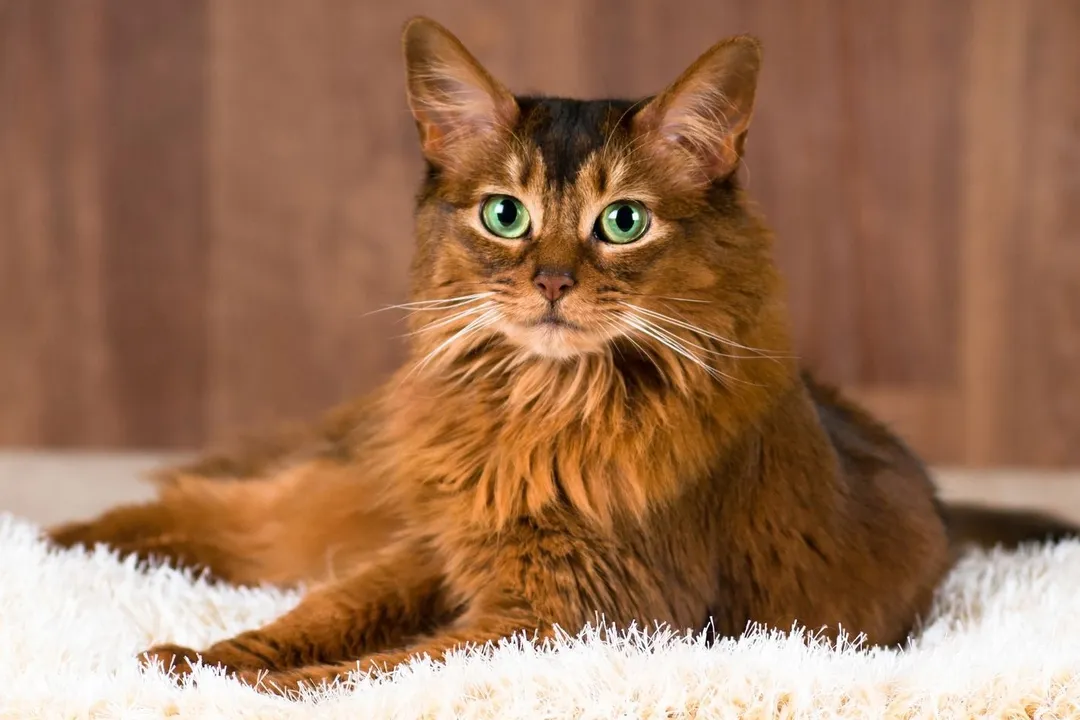
The Somali cat certainly captures attention with its striking, wild-looking appearance, often earning it the affectionate nickname "Fox Cat" due to its full, plumed tail and large, attentive ears. [4][7] This breed is intimately connected to the famed Abyssinian, being essentially its longer-haired counterpart. [1][5] While the name might suggest an African origin, the breed derives its title from the country bordering Ethiopia, formerly known as Abyssinia, the ancestral home of the Aby. [5][9] The Somali's genetic makeup features a recessive gene that produces the lush, medium-long coat, a trait initially considered undesirable in Abyssinians until breeders in the late 1960s began actively developing this lovely variation into its own recognized breed. [1][9] Welcoming a Somali into your home means bringing in a graceful, athletic, and intensely engaging feline companion, but understanding the full spectrum of their personality and needs is key to a successful partnership. [4]
# Fox Look
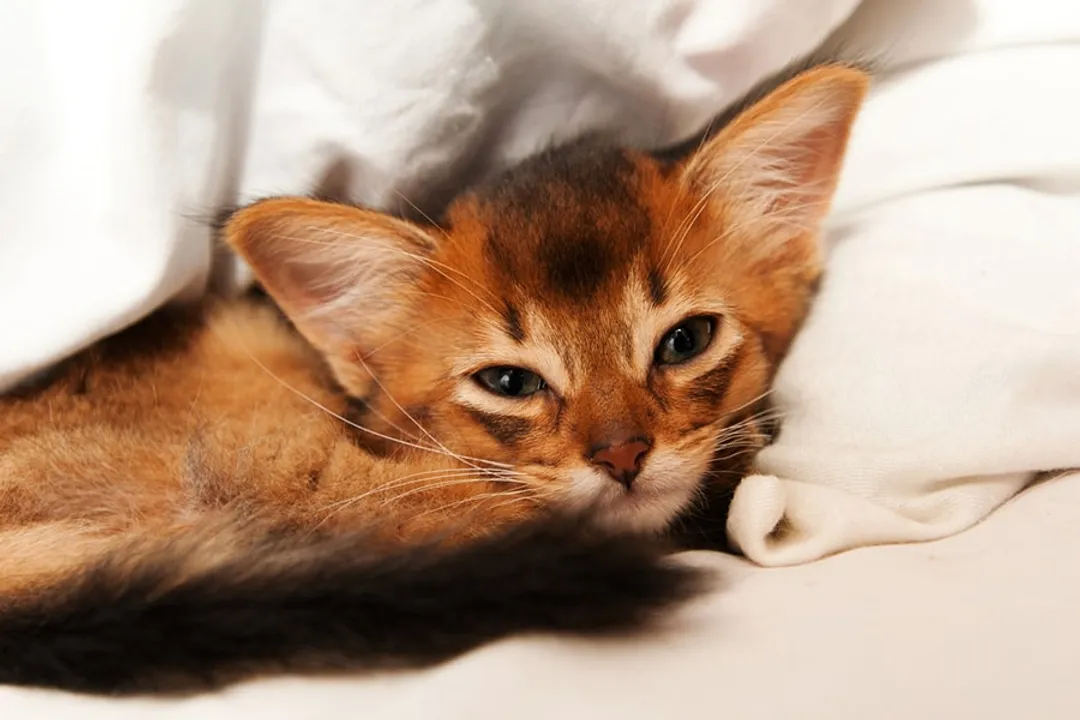
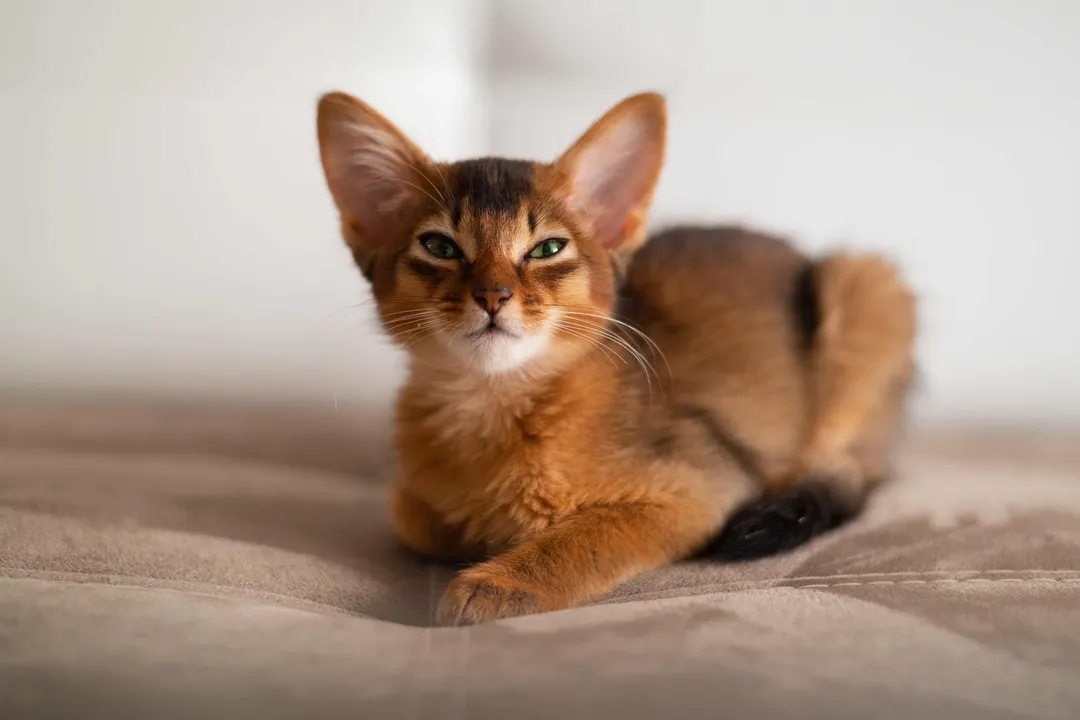
The Somali presents a picture of graceful athleticism. They are medium-sized felines, with males generally weighing between 8 to 10 pounds and females slightly lighter, usually between 6 to 8 pounds, though general estimates put the range up to 12 pounds. [5][8] Their bodies are lithe, well-muscled, and balanced. [5][7] What truly sets them apart is their luxurious coat. It is medium in length, described as soft and silky, but importantly, it is not woolly and generally resists matting, unlike some other long-haired breeds. [1][4][7]
The coat features a characteristic ticked pattern, meaning each individual hair strand carries bands of contrasting colors, which gives the fur a glowing depth and richness. [1][9] While the Cat Fanciers' Association (CFA) officially recognizes core colors such as ruddy (often a rich copper or golden brown ticked with black), red, fawn, and blue, the breed can reportedly appear in as many as 28 different shades, including lilac and chocolate. [1][5][8] Look closely, and you’ll notice darker shading along the spine and dark lines extending from the eyes and brows, further enhancing that jungle-cat allure. [1][9] Complementing this vibrant coat are large, almond-shaped eyes that shine with curiosity, typically appearing in shades of green or gold, set in a face dominated by large, expressive ears that often feature desirable tufts of hair. [1][4][5]
# Winning Traits
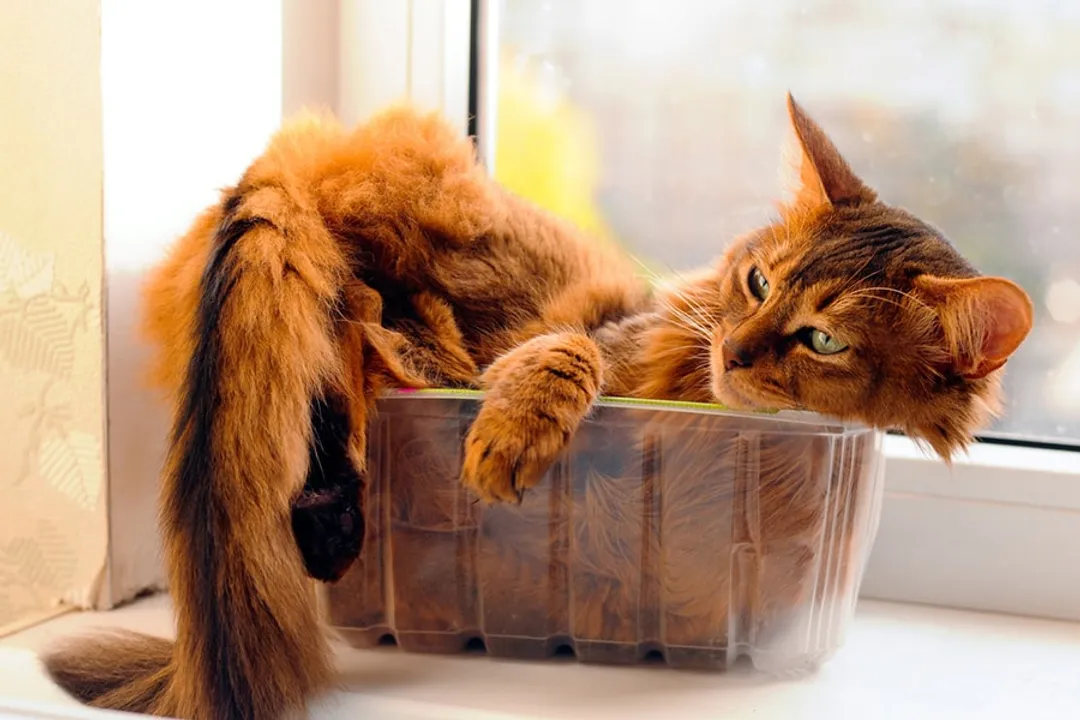
The most frequently cited benefit of owning a Somali centers around their vibrant, engaging temperament. These cats are consistently described as playful, intelligent, sociable, and deeply affectionate. [1][4][6] They maintain a kitten-like zest for life well into adulthood, possessing a humorous side that makes them the "natural clowns" of the cat world. [5][7] If you are seeking a companion that will actively participate in home life, the Somali excels. They love to be involved in whatever their human is doing, often following owners from room to room. [5][7]
Their high intelligence translates directly into trainability, which is a significant positive for active owners. [4] Somalis are often eager to learn tricks such as "sit," "stay," and even playing fetch, especially when owners employ positive reinforcement methods like treats and rewards. [4][5] This trainability, coupled with their energy, means that structured play sessions serve a dual purpose: teaching skills and burning off steam. [5] Furthermore, they tend to have a low tendency to vocalize, usually communicating in soft, quiet tones when they do speak. [1][4]
Socially, the Somali is generally an excellent fit for many households. They readily bond with their families and tend to get along well with respectful children, other cats, and even dogs, initiating play with canine or feline housemates when properly introduced. [5][7][8] For those who appreciate the look of a long-haired cat but dread excessive maintenance, the Somali offers a manageable compromise. While they require regular brushing—typically once or twice a week—their non-woolly, non-matting coat is substantially easier to manage than that of breeds like the Persian. [1][4][8] Adding to this relative ease, many Somalis actually seem to enjoy being groomed, turning what can be a chore with other breeds into a bonding experience. [4]
If you are planning to integrate a Somali into a multi-pet home, remember that their social nature makes them eager playmates, but introductions should always be gradual to ensure harmony among established residents. [7]
# Energy Demand
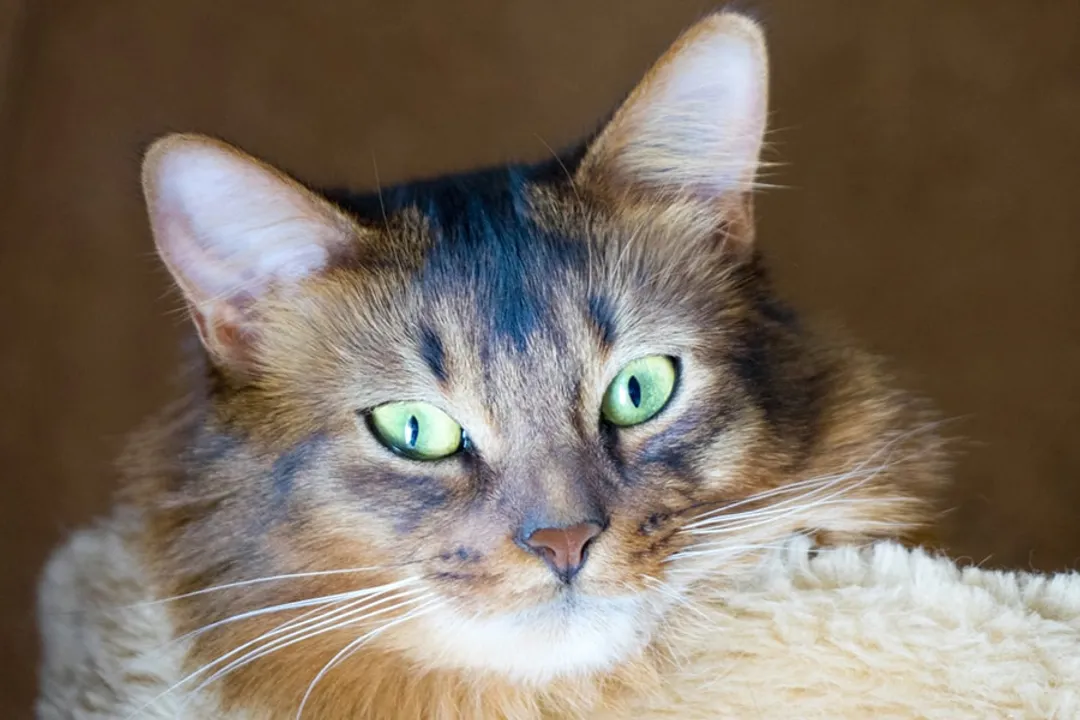
While their high energy is a source of entertainment, it is also the primary consideration that owners must manage. Somalis have relatively high exercise needs compared to many other breeds, and they do not cope well with being unstimulated or bored. [1][4] If their mental and physical needs are unmet, this intelligent and curious breed will quickly find ways to entertain themselves, often leading to household mischief. [4][5] This can manifest as climbing curtains, scaling tall furniture like refrigerators, tipping over knick-knacks, or ripping up tissues. [4][5]
It is here that a Somali owner must recognize a specific challenge related to their clever paws. These cats are noted for their ability to manipulate objects, sometimes learning to open cabinets and drawers with surprising ease, and occasionally even turning on faucets. [5][9] Prospective owners should understand that managing this innate curiosity goes beyond simply providing toys; it requires proactive environmental management, meaning securing potential hazards or temptation points like lower cabinets, as their dexterity makes "keeping things put away" a constant game they might win. [9]
Another crucial aspect of their personality that might be perceived as a "con" is their style of affection. Despite being incredibly friendly and devoted to their people, Somalis are not traditional lap cats and generally dislike being held or picked up. [1][5][8] They prefer to show affection on their own terms, which often means lounging right next to you on the couch or even riding along on your shoulder, constantly observing the world from a high vantage point. [5][8] If you desire a cat that will happily curl up in your lap for long naps, the Somali may not meet that specific need. [5][7] Because they crave interaction, they can also be prone to separation anxiety and should not be left alone for long periods without ample toys, climbing structures, and puzzles to keep their active minds engaged. [5][8]
# Care Needs
Caring for a Somali involves balancing their need for high-level engagement with necessary maintenance tasks. Beyond the daily playtime requirement, grooming is a consistent element of care. Even though their coat is relatively easygoing, weekly brushing, ideally two or three times a week, is necessary to keep the fur looking its best and to minimize shedding and subsequent hairballs. [4][5][9] Moreover, owners need to remain diligent about nail trims, often recommended every two weeks. [4][5]
Dental care is another important routine consideration, as this breed is susceptible to periodontal disease and gingivitis due to poor oral hygiene if left unchecked. [4][7][8] A wonderful habit to build early on, since Somalis often enjoy being handled, is incorporating daily or near-daily teeth brushing using cat-specific toothpaste, which can be combined with their weekly grooming sessions. This allows you to check their gums for inflammation—an early sign of disease—while simultaneously bonding with your pet, maximizing the efficiency of your care routine. [4][5]
From a general health perspective, Somalis are considered a relatively strong breed, often living 11 to 16 years, with some reaching beyond 19 with excellent care. [5][8] However, responsible ownership requires awareness of specific hereditary conditions common to the line. Owners should inquire with breeders about testing for Pyruvate Kinase (PK) Deficiency, which impacts red blood cell function and can lead to anemia. [4][8] Another critical test to confirm is for Progressive Retinal Atrophy (PRA), a genetic eye condition that leads to irreversible blindness. [1][4][5][8] Other potential issues documented include Renal Amyloidosis, involving abnormal protein deposits in the kidneys, and, less commonly, Hyperesthesia Syndrome. [5][7] Annual veterinary check-ups are essential not just for these specific concerns, but because cats are masters at hiding illness, making routine monitoring vital for early detection. [4][5]

# Acquisition Cost
Prospective Somali owners must also be prepared for a significant financial commitment. Somalis are considered a relatively rare breed, which naturally impacts their price tag. [4][9] While one source suggests a cost between \1,000 and \1,500 from a reputable breeder, another indicates a range stretching from \1,800 to \2,500. [4][8] It is critical to understand that a price that seems unusually low should raise immediate concerns, as responsible breeders invest significant resources in genetic testing for issues like PRA and PK deficiency, which helps ensure the health of the lineage and justifies the higher cost. [8] If seeking a purebred Somali is not possible, looking for a Somali mix at a shelter is an alternative, though finding one might require patience due to the breed's relative rarity. [4]
The Somali cat is an incredibly rewarding companion for the right environment—one that can match their intelligence, curiosity, and constant need for interaction. They offer deep affection, charming antics, and an engaging personality, provided their owners are ready to commit to substantial playtime and responsible care concerning their unique health profile and grooming schedule.
#Videos
Somali. Pros and Cons, Price, How to choose, Facts, Care, History
Things You Should Know Before Getting a Somali Cat | The Cat Butler
Related Questions
#Citations
Somali: Cat Breed Profile, Characteristics & Care - The Spruce Pets
Somali. Pros and Cons, Price, How to choose, Facts, Care, History
Somali Cats: Origin, Personality, and Health Issues | ASPCA Pet ...
What to Know About a Somali Cat - WebMD
Somali Cat Guide: Everything You Need to Know About This Lively ...
Somali Cat Breed Health and Care - PetMD
Somali Cat Breed | Facts and Personality Traits | Hill's Pet UK
Somali Cat: Personality, History, and Care [Ultimate Feline Guide]