What is the best food for Chartreux cats?
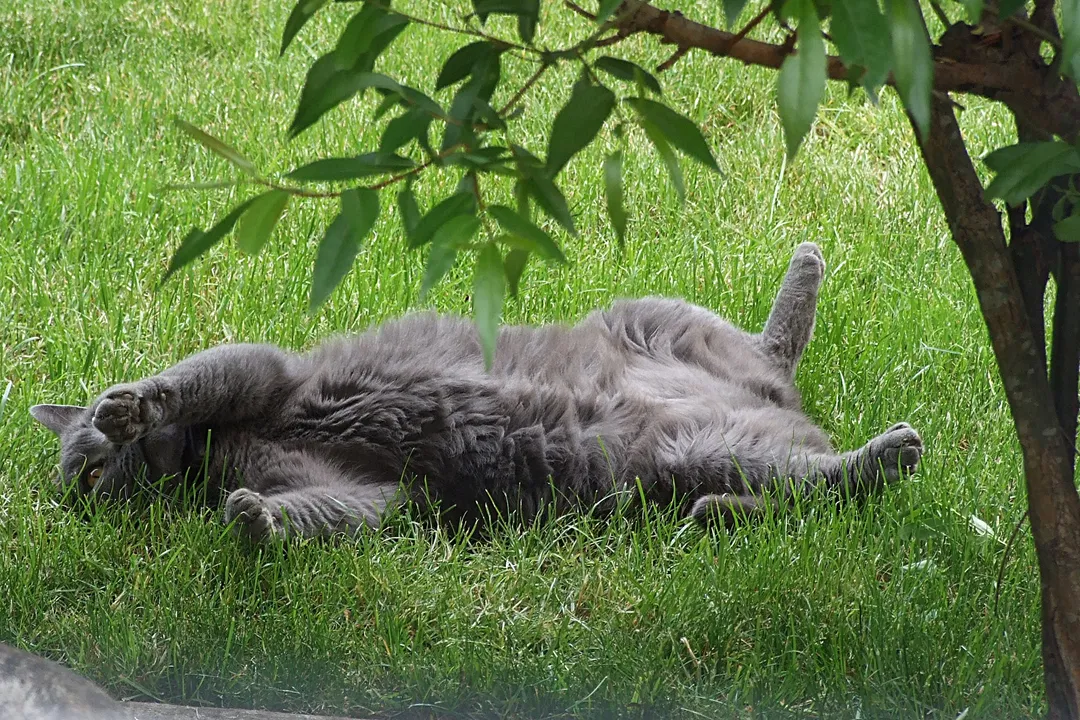
The foundation of a happy, energetic Chartreux lies heavily in its feeding plan. Owners often fall for the breed’s calm demeanor and beautiful, dense blue-grey coat, but this stocky build means that maintaining an ideal body weight requires diligence. [1] Like all felines, Chartreux thrive on a diet that mirrors their natural carnivorous needs, but specific attention must be paid to ingredient quality and portion control to support their unique physiology and common sensitivities. [3][4]
# Protein Balance
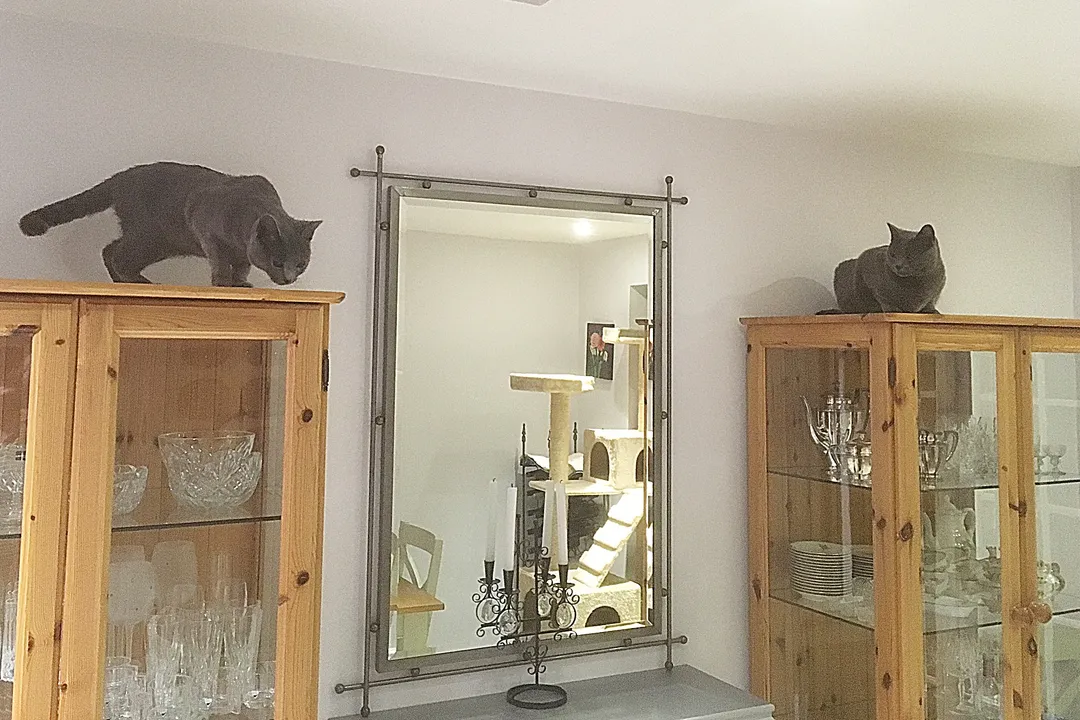
Protein stands as the single most vital nutrient for a Chartreux cat. This need stems directly from their heritage as efficient hunters; they require a diet rich in animal-based proteins to supply the essential amino acids critical for overall health and vitality. [3] If the diet is lacking in these key components, owners may notice a visible decline, such as lethargy or a dulling of that signature coat. [3]
The requirement for high-quality protein remains constant across all life stages, but the form and digestibility change as the cat matures. [4] For instance, kittens, undergoing rapid development, require highly digestible protein to support their still-maturing digestive systems. [4] Adults need protein balanced appropriately to support muscle maintenance without contributing unnecessarily to weight gain, especially if they are sedentary or neutered. [4]
# Coat Needs
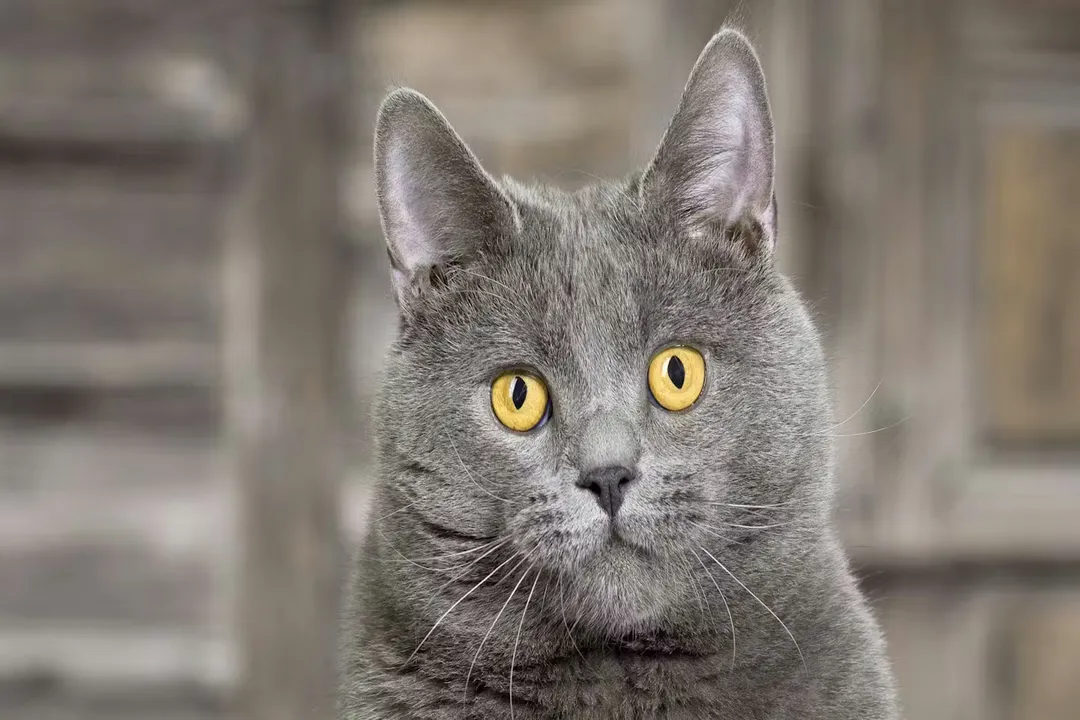
That distinctive, slightly woolly, dense double coat is a hallmark of the Chartreux, and its health directly reflects the cat’s nutritional intake. [1][4] To keep this luxurious fur looking its best and prevent excessive shedding or dullness, the diet must include key fatty acids. [3] Specifically, the inclusion of omega-3 and omega-6 fatty acids is necessary to preserve the skin barrier and maintain coat sheen. [4] B vitamins are also cited as being important for supporting skin and coat health in adult maintenance formulas. [4]
When owners notice the coat losing its luster, a common culprit is often a deficiency in these essential fatty acids or a generally poor quality diet lacking in necessary nutrients. [3] Regular grooming, such as combing once a week, complements the diet by stimulating natural oil production, but nutrition forms the base layer of coat health. [1][4]

# Gut Health
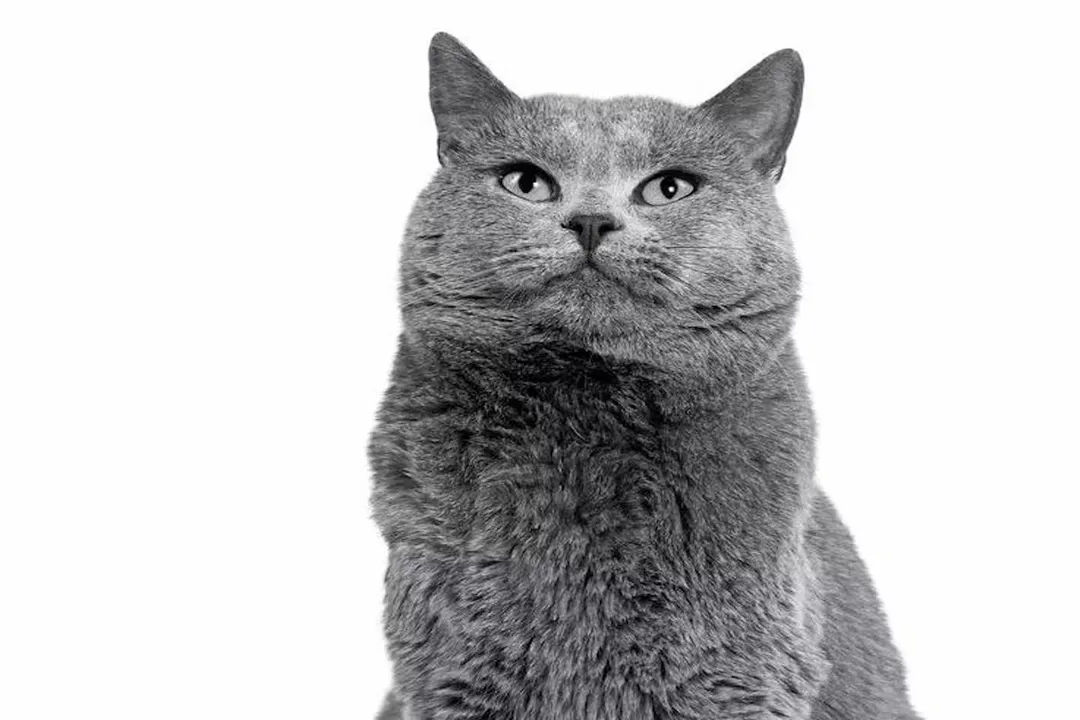
One key consideration frequently mentioned when discussing the Chartreux is their potential for sensitive stomachs. [4] This means that while switching brands might seem like a solution for a sluggish cat, frequent or abrupt changes can easily upset their system. [3][4] The best approach is finding a high-quality, balanced diet and maintaining consistency, only altering the food if a specific sensitivity or a clear dietary need arises. [3]
Breed clubs specifically recommend choosing high-quality, grain-free cat food for this breed. [4] This recommendation speaks to the need for highly digestible ingredients overall, which supports optimal digestion and helps balance intestinal flora. [4] For cats, particularly those living indoors, using highly digestible proteins can also lead to a desirable side effect: reducing the volume and odor of the stool. [4] When evaluating food options, look closely at the protein source listing; a focus on whole meats listed first, followed by easily recognized, nutrient-dense ingredients, generally leads to better utilization by the cat’s system, minimizing digestive strain compared to diets relying heavily on fillers or complex carbohydrates that are inherently less digestible for obligate carnivores. [3][4]
# Age Needs
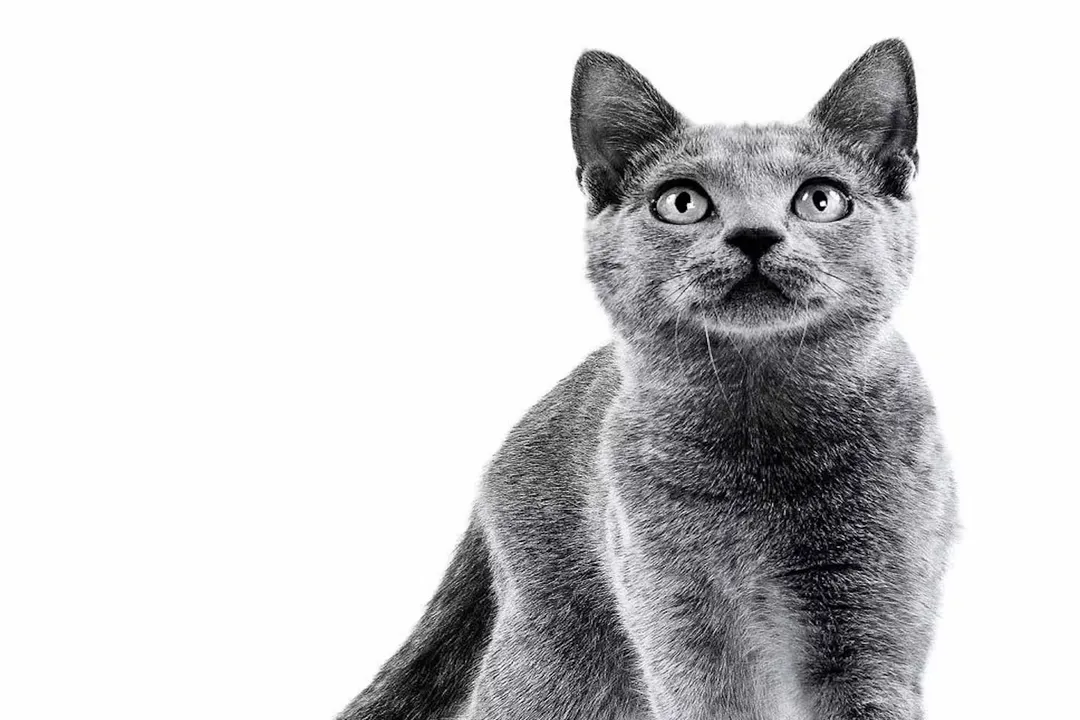
Nutrition must evolve alongside the Chartreux, which is notable for reaching physical maturity quite late—males as late as five years old. [1]
# Kitten Phase
Kittens have substantially higher energy, protein, vitamin, and mineral requirements than adults to fuel their growth. [4] The transition from mother’s milk to solids, usually starting between three and six weeks, is delicate; offering soft meals, such as rehydrated kibble or adapted wet food, eases this step. [4] From four to twelve weeks, the kitten faces an "immunity gap" as maternal immunity wanes. During this critical period, a complex of antioxidants, including vitamin E, is vital to support their developing immune defenses. [4] Furthermore, Omega-3 fatty acids like EPA and DHA are crucial for proper neuro-cerebral development during this time. [4] Once permanent teeth come in, the kibble shape should encourage crunching. [4]
# Adult Maintenance
The primary goals for an adult Chartreux revolve around maintaining that ideal weight, supporting digestion, and preserving the coat. [4] Since the breed is prone to putting on weight, especially if sterilized or living indoors, fat content needs to be kept at a sensible level. [1][4] An indoor cat expends significantly less energy—perhaps only 200 kcal/day for a 4kg cat—compared to an outdoor companion needing closer to 300 kcal/day. [1] If the diet is too energy-dense (too high in fat), sedentary cats often find it harder to self-regulate their intake. [1] Furthermore, formulas should incorporate selected fibers, such as psyllium, to help manage ingested hair and reduce the formation of hairballs, a common concern for indoor groomers. [4]
# Senior Years
Around the age of seven, the Chartreux enters its senior phase, requiring diets enriched with antioxidants to maintain vitality and a controlled phosphorus content to support the urinary system. [4] For cats over 12, absorption capabilities may diminish, making an extremely digestible food filled with essential nutrients paramount to prevent deficiencies while maintaining weight. [4] As they age, dental issues can arise, potentially reducing their appetite. It is necessary to ensure the kibble texture, size, and hardness are suitable for more fragile jaws. [4]
# Eating Schedule
Chartreux are creatures of routine, making mealtimes an excellent opportunity to establish structure in their day. [4] While they are naturally adapted to eating small servings frequently—sometimes 7 to 10 times daily—feeding the entire recommended daily ration just once can paradoxically cause weight gain if the cat eats everything immediately. [4] The ideal scenario allows the cat to regulate consumption, which is achievable provided the food is not excessively rich in fat. [4]
Hydration is non-negotiable for this breed, as adequate water intake supports good urinary regularity. [4] Cats naturally tend to drink less water than they need when eating only dry kibble. A practical feeding structure, which I find works well for balancing urinary health and dental needs, involves providing the recommended daily amount of high-quality dry kibble divided into two or three small servings throughout the day to promote crunching and dental hygiene, while supplementing with a measured portion of wet food once daily. [4] The wet food drastically boosts daily water intake, which is especially beneficial for a breed whose urinary system needs support. [4] Always ensure fresh, clean water is available at all times, perhaps even using a fountain, as some prefer running water. [4]
# Palatability Factors
Even with the perfect nutritional profile, if the Chartreux decides the food is unappealing, it simply will not eat it. These cats can sometimes be fussy eaters. [4] To combat this, food manufacturers often focus on palatability through the food's aroma, the texture, and the size and shape of the kibble. [4] If switching foods, slow transitions are crucial due to their sensitive digestive tracts. [3] When trying to entice a finicky Chartreux, offering a combination of textures—perhaps both wet and dry foods—can be a successful tactic to stimulate their appetite. [4]
Related Questions
#Citations
Caring for your Chartreux
What kind of food is best for a Chartreux cat? - Dial A Vet
Chartreux | Royal Canin US
Care, Education & Feeding - chartreux-club