Where is tamarin from?
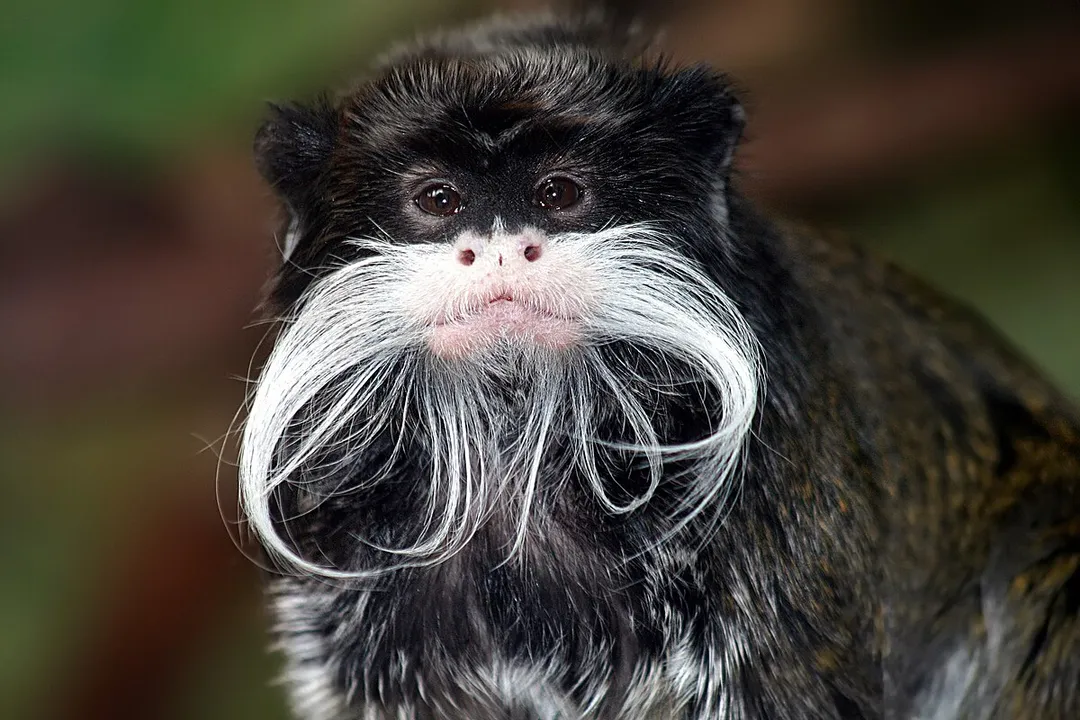
Tamarins, those small, energetic primates known for their striking coats and quick movements, are deeply rooted in the ecosystems of the Americas. Their natural distribution is concentrated in the tropical forests spanning two continents: Central America and South America. These monkeys are distinctly New World monkeys, a classification that separates them geographically and evolutionarily from their Old World relatives found in Africa and Asia.
# Geographic Home
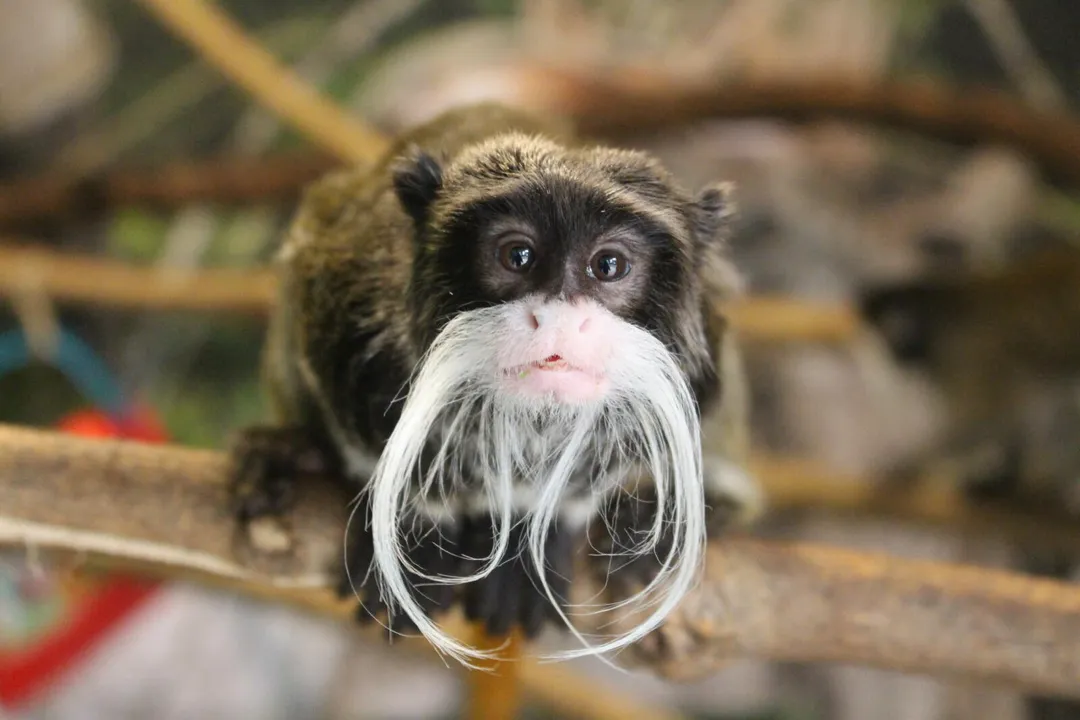
The general consensus places the entirety of the tamarin family, Callitrichidae (which also includes marmosets), within the warmer, humid environments of the New World tropics. This broad geographical umbrella covers a significant swath of land, but pinning down a tamarin often requires looking at specific species, as their ranges can be surprisingly narrow.
For instance, while many species share the general Central and South American habitat, others are endemic, meaning they are found naturally nowhere else on Earth. This specialization is a key characteristic when tracking their exact origins.
# Brazilian Endemism
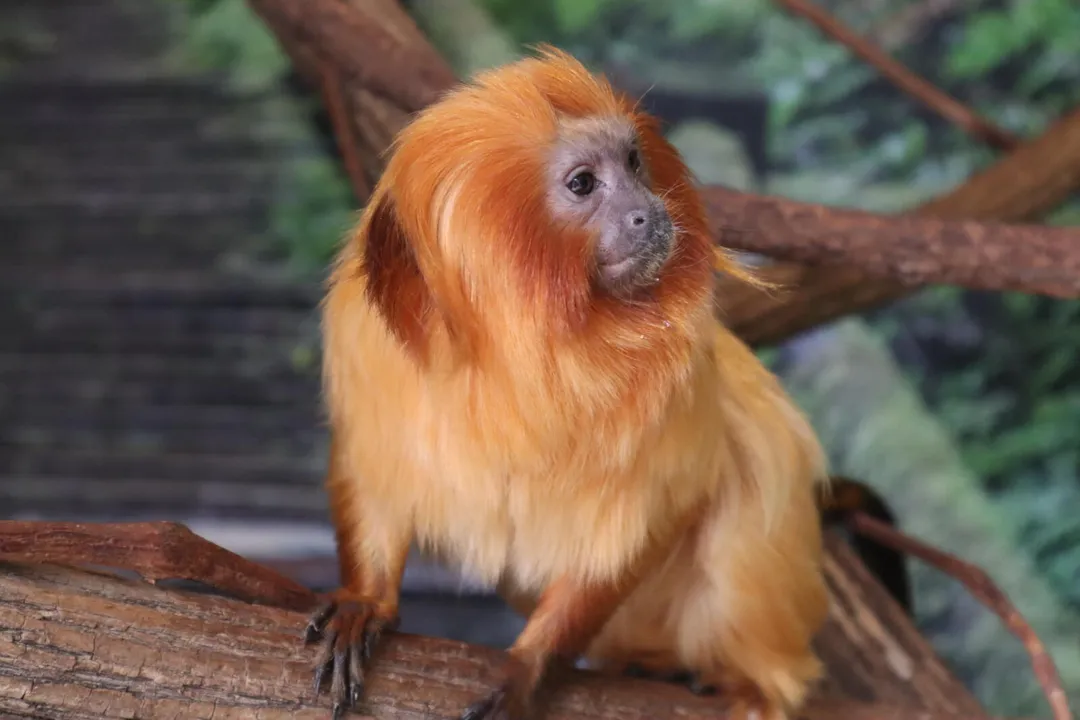
Perhaps the most famous group of tamarins, the lion tamarins, provide excellent case studies for highly restricted origins. The magnificent Golden Lion Tamarin (Leontopithecus rosalia) is a prime example of extreme endemism. This vibrant primate is found exclusively in the lowland Atlantic Forest region of southeastern Brazil. Its existence is tied directly to this specific biome, which runs along the coast of Brazil.
This concentration in a relatively small area of southeastern Brazil means that the status of the Golden Lion Tamarin is intrinsically linked to the health and extent of that specific forest fragment. When considering where a tamarin originates, the story of the Golden Lion Tamarin highlights that the answer is often not just a country, but a precise, threatened ecosystem within that country.
Another closely related species, the Black-faced Lion Tamarin (Leontopithecus caissara), shares this Brazilian coastal heritage. It is known to inhabit a small area of coastal Atlantic rainforest, likely near the border region of Paraná and São Paulo states in Brazil. The overlapping but distinct ranges of these lion tamarins within the Brazilian Atlantic Forest demonstrate a fascinating pattern of speciation where closely related animals adapted to slightly different pockets of a singular habitat type.

# Colombian Connection
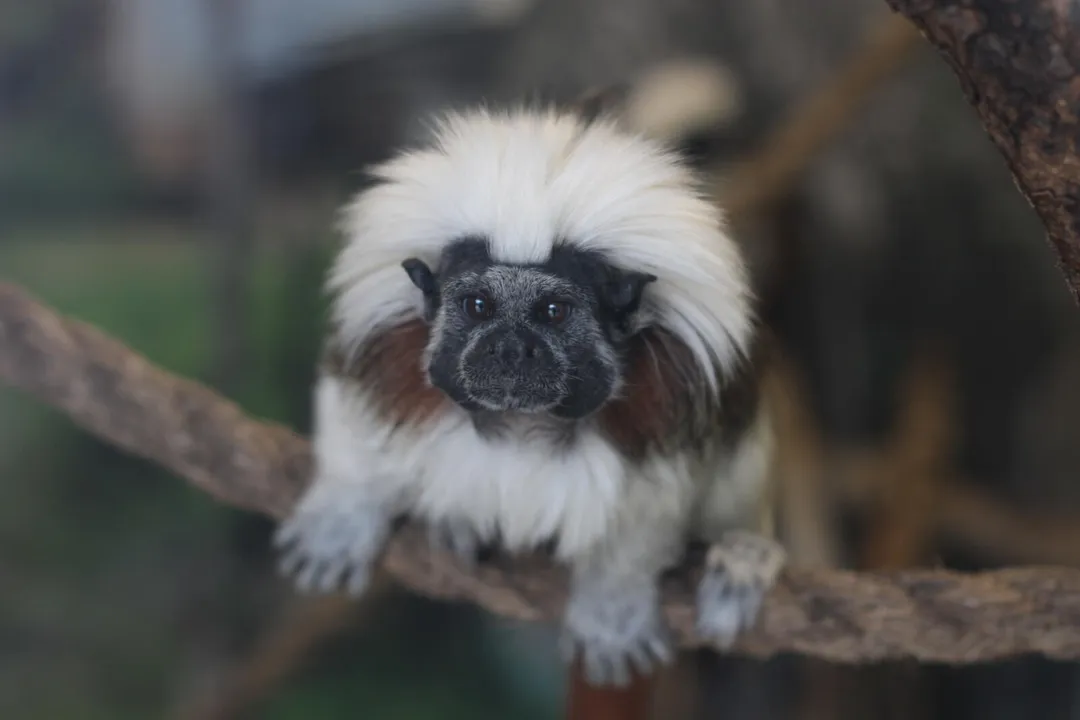
Moving slightly northward within the South American continent, another well-known group originates from a different country. The Cotton-top Tamarin (Saguinus oedipus) calls northwestern Colombia its native home. Their habitat is specifically the tropical forests of that region. Like the lion tamarins in Brazil, the Cotton-top Tamarin is also highly restricted in its natural range, making it another species whose survival is tied to the conservation status of a very specific South American locality.
The distribution pattern among tamarins, therefore, is not one continuous band across South America; rather, it appears as specific pockets of high diversity and endemism, with Brazil and Colombia being notable strongholds for certain celebrated species.
# A Geographic Snapshot of Specific Tamarins
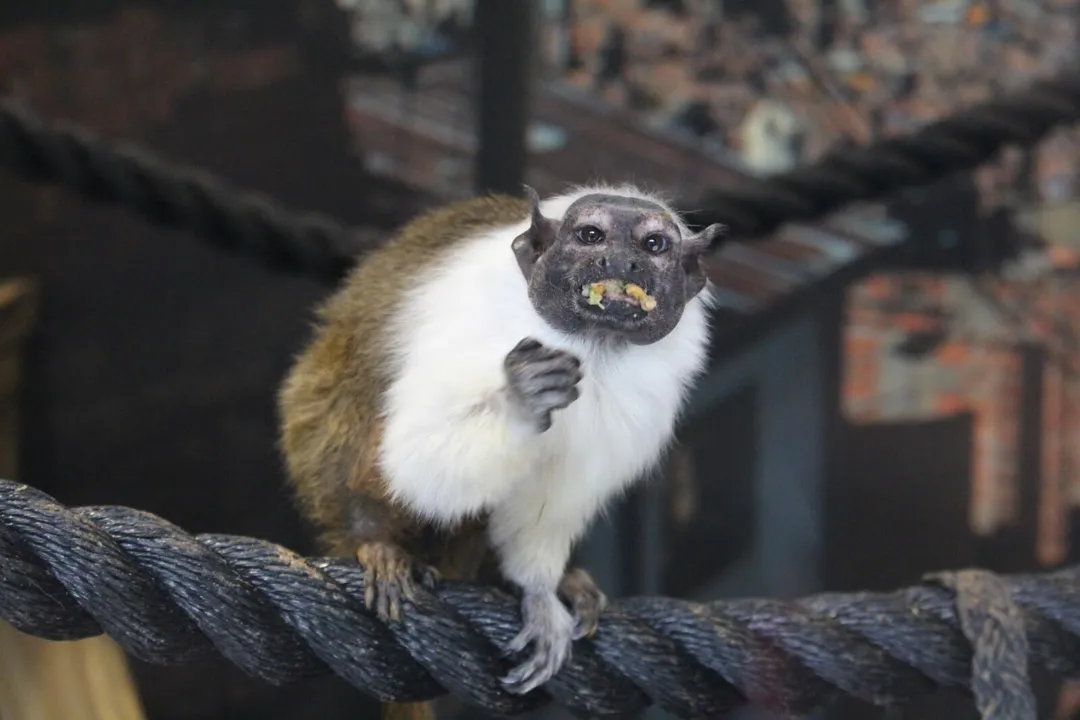
To better illustrate the precision of these origins, looking at a few examples side-by-side can be helpful. While the general term "tamarin" suggests a wide area, the reality for many species is far more localized:
| Species Group | Primary Origin Country | Key Habitat Context |
|---|---|---|
| Golden Lion Tamarin | Brazil | Coastal Atlantic Forest (Southeastern) |
| Black-faced Lion Tamarin | Brazil | Coastal Atlantic Rainforest |
| Cotton-top Tamarin | Colombia | Tropical Forests (Northwestern) |
| General Tamarin Group | Central & South America | Tropical Forests |
What stands out when comparing these origins is the contrast between the general classification and the specific needs of the animals. A field primatologist studying general tamarins in Ecuador, for example, might never encounter a Golden Lion Tamarin, as that species is geographically separated by thousands of kilometers and the entire Amazon basin.

# The Implications of Restricted Origin
The fact that many key tamarin species have evolved in small, specific geographic locations has profound implications for their long-term survival. When a species' entire population is concentrated in one particular forest type, such as the Atlantic Forest of Brazil, they become exceptionally vulnerable to localized threats. A single large-scale deforestation event, a major shift in climate within that small zone, or a localized disease outbreak could disproportionately affect the entire global population of that species.
This contrasts sharply with a hypothetical primate whose range spanned multiple countries or diverse forest types; while still threatened, it would possess a degree of natural redundancy against a single catastrophic event. For the endemic tamarins, the threat level is inherently higher due to their tight geographic confinement. For example, the continuous destruction of the Atlantic Forest, one of the world's most endangered biomes, places species like the Golden Lion Tamarin under constant, severe pressure.
# Comparing with Marmosets
It is worth briefly mentioning the close relatives of tamarins, the marmosets, as they share much of the same general region but often exhibit different distribution patterns. While tamarins are firmly planted in the tropical forests of Central and South America, marmosets are generally found exclusively in South America, extending slightly further south than the northernmost limits of tamarin distribution, though there is considerable overlap. Understanding where a tamarin is from requires separating it from its close cousin, the marmoset, even though their ancestral home grounds overlap significantly in the equatorial zones of the continent.

# A Note on Human Intervention
While we focus on the natural, historical origins of these primates, it is impossible to discuss the origin locations of certain tamarins today without acknowledging the role of human conservation efforts. For species like the Golden Lion Tamarin, which faced near-extinction in the wild, reintroduction programs have been critical. This means that while the wild origin remains southeastern Brazil, the current thriving population is a hybrid of natural range and carefully managed, human-assisted distribution across protected areas within that home range. This management is an attempt to artificially broaden the effective habitat of an animal whose natural distribution was deemed too small to sustain it against modern pressures. This intervention adds a layer of modern complexity to the simple question of "where are they from."
The story of the tamarin's origin is therefore a story of the New World tropics, specifically the humid, dense forests extending from Central America down into the South American continent, with intense concentrations of unique species found in the highly specialized biomes of coastal Brazil and northwestern Colombia. Their roots are tropical, arboreal, and, for many, tragically precise.
Related Questions
#Citations
Tamarin
Golden lion tamarin
Tamarin
Tamarins
Golden Lion Tamarin
Black-Faced Lion Tamarin, Leontopithecus caissara
Golden Lion Tamarin
Tamarins