Are uakari aggressive?
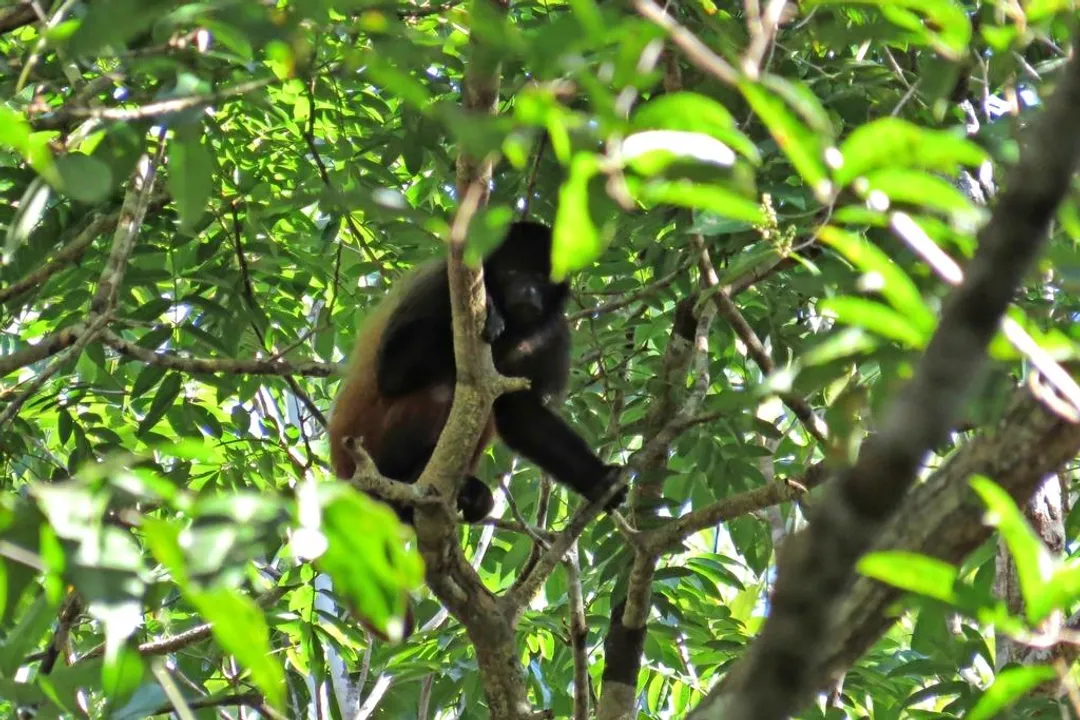
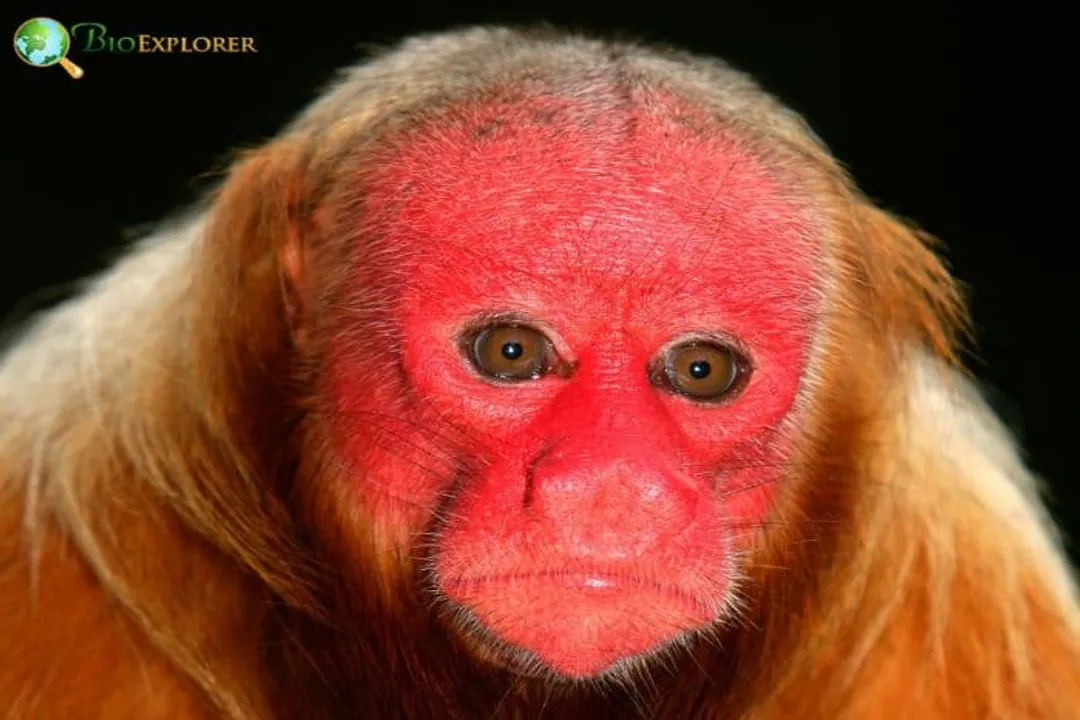
The initial view of a uakari monkey, particularly the famous red-faced species, can certainly suggest a fierce temperament. Their striking, nearly hairless crimson visage, often combined with a long, shaggy coat, can give an observer the illusion that this is a particularly fierce and aggressive animal. However, peeling back the layers of their specialized biology and complex social lives reveals a much more nuanced picture regarding aggression, one that hinges heavily on whether the observation is taking place in the wild or in a controlled environment.
# Striking Looks
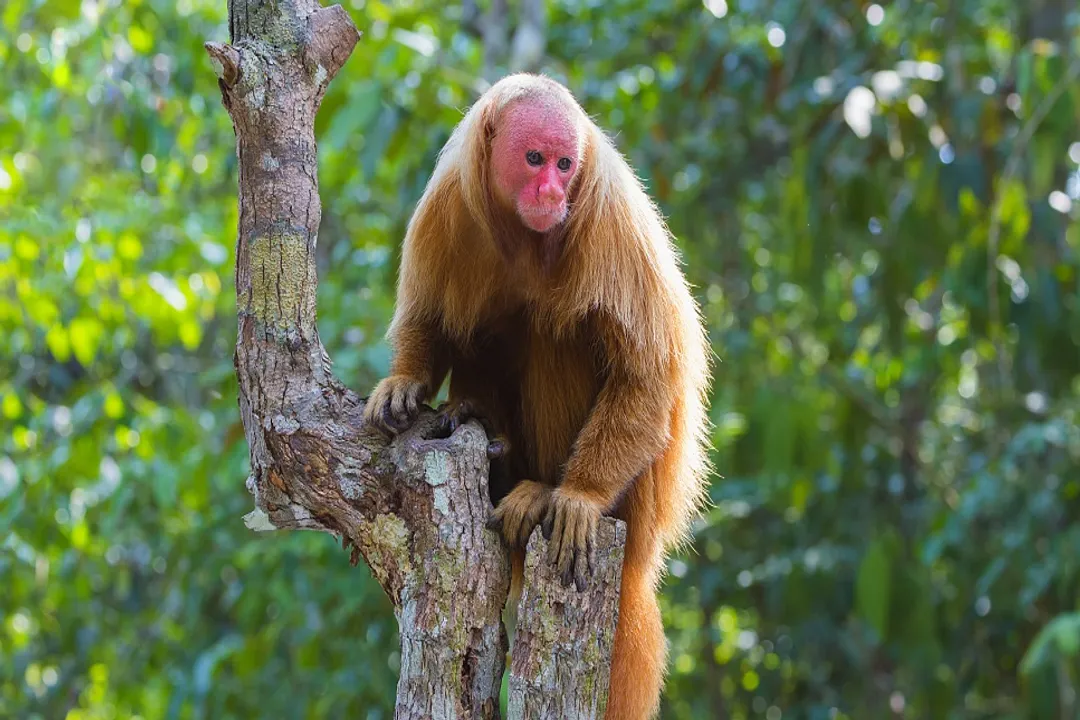
The Uakari genus (Cacajao) includes several species, such as the White Bald-Headed Uakari (Cacajao calvus) and the Golden-Backed Uakari (Cacajao melanocephalus), all sharing the hallmark feature of a starkly contrasting, bald face. This facial coloration is directly tied to blood circulation and oxygenation; a bright red face signals good health, while paleness can indicate sickness or stress. While this vibrant visual signaling is crucial for mate selection—especially since males in some species are color-blind—it creates an outward appearance that might lead a casual observer to immediately categorize them as intimidating or ready for conflict.
# Wild Demeanor
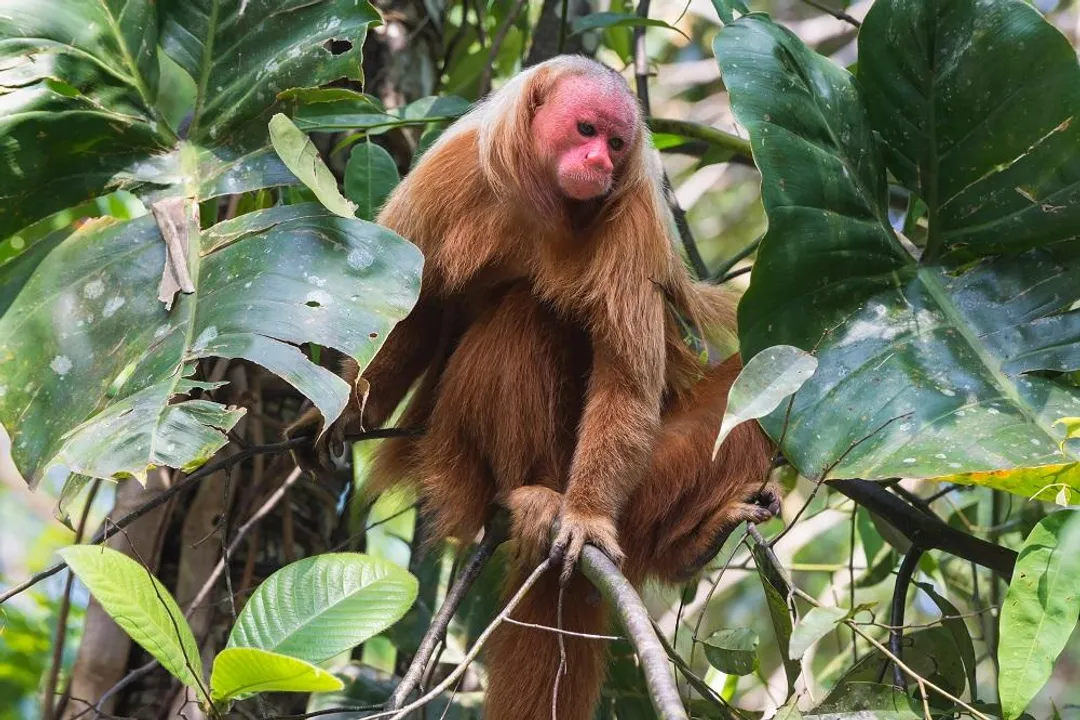
When observing uakaris in their native Amazonian flooded forests, the immediate takeaway regarding aggression is surprisingly mild. For the White Bald-Headed Uakari, troops, which can number up to 50 individuals, are generally described as peaceful, exhibiting few signs of aggression. Similarly, the Golden-Backed Uakari lives in large multi-male, multi-female groups, sometimes reaching 100 monkeys, yet aggression is rarely seen in this species, which researchers note is unusual for a primate society of that size.
This peaceful coexistence is often maintained through their fission-fusion social structure. These large troops seasonally split into smaller subgroups of one to ten individuals to forage, particularly when food resources are widely distributed, which helps mitigate competition pressure within the main group. While territorial defense does occur, involving shrieking and body language in species like the Red Uakari, the fundamental day-to-day interactions seem characterized more by association than antagonism. Even when large groups reunite to sleep, the members often spread themselves out, minimizing close, prolonged contact that might otherwise spark conflict.
# Social Displays
If aggression is not the primary social regulator in the wild, what is? The answer appears to lie in dominance displays and social arousal rather than overt, physical conflict. The hierarchy that exists, particularly among females in the White Bald-Headed Uakari society where dominant females gain first access to food, seems established and maintained without constant fighting.
A fascinating area of comparison lies in the interpretation of tail-wagging. For the Golden-Backed Uakari, a wagging tail is cited as a behavior that communicates aggression and dominance displays among males. Yet, for the White Bald-Headed Uakari, tail-wagging often occurs alongside vocalizations and likely communicates the animal’s well-being or general arousal, while a lowered tail signals a tense situation. This discrepancy in interpretation suggests that external communication signals in uakaris are not standardized across the genus, or are heavily dependent on the immediate social context. Recognizing this, it becomes clear that a viewer must be cautious about labeling any movement as inherently aggressive. For instance, if one simply observes a tail wag, it could be a signal of displeasure from one species or simply contentedness from another. This context dependency is a vital aspect of understanding their social signaling.
In the younger members of the group, social development is less about conflict and more about practice. Young White Bald-Headed Uakaris are frequently seen playfully leaping, chasing, and wrestling in the canopy, behaviors essential for developing coordination and social skills. Play vocalizations, such as a characteristic hissing sound in young White Bald-Headed Uakaris, accompany these activities, further differentiating juvenile interaction from true aggression.
# Captive Contrast
The relative peacefulness observed in the wild contrasts sharply with behaviors documented in captive settings. When uakaris are housed in confined environments, the social structure shifts, and dominance hierarchies become more apparent, often enforced through fighting. In captivity, researchers have documented a much broader repertoire of agonistic and aggressive visual signals used by adult males to assert status. These include specific physical acts such as branch shaking, rocking, breaking objects, strutting, and urine-washing of the chest. Physical confrontation, including biting and chasing, is also involved in establishing hierarchy in captive Red Uakaris.
This difference between wild and captive behavior provides a crucial insight: the large, dispersed, resource-driven nature of their fission-fusion society in the wild may actively suppress overt aggression. When food is patchily distributed, as is typical when they rely on hard-shelled seeds, the benefit of splitting up outweighs the risk of staying together and fighting over limited, localized resources. In contrast, when resources are aggregated (like at a captive feeding station), competition concentrates, necessitating a clearer, and more forcefully established, dominance hierarchy enforced by physical aggression.
# Specific Actions
When direct aggression or high tension is present, uakaris employ a distinct set of signals, though these can sometimes overlap with non-aggressive arousal or fear. For instance, high-amplitude vocalizations like hic and kreek are used for long-distance communication, but specific calls like "Wa" in C. calvus are uttered during intense fear or inter-individual fights. Furthermore, the act of piloerection (making their fur stand up) is a common method to appear larger during aggressive or agonistic displays.
The reliance on strong physical adaptations for feeding likely plays into their defensive posture as well. Uakaris possess incredibly powerful jaws and specialized teeth designed to crack hard, unripe seeds. While this is an evolutionary adaptation for granivory—a niche separation from other monkeys—the sheer strength of the jaw means that a bite, if deployed aggressively, would be formidable, though sources generally state that physical confrontation is a last resort or only seen when establishing captive dominance.
# Behavioral Ties to Ecology
It is worth pausing to consider how their unique ecology might shape this temperament. Uakaris thrive by eating seeds that most other New World primates cannot access due to the difficulty in cracking the tough husks. This specialized feeding grants them an ecological niche that is relatively free from direct, daily food competition with co-inhabitants like spider monkeys or capuchins. While this specialization is highly advantageous, it also means their day-to-day activity is dominated by the labor-intensive search for and processing of these seeds.
This intensive focus on acquiring a primary food source, which requires significant travel over wide home ranges, inherently prioritizes efficient movement and resource acquisition over internal group strife. The energy required to process their primary diet—and the need to travel long distances to find adequate quantities—suggests that constant, high-level aggression within the troop would be metabolically costly and counterproductive to survival. The energy is better spent on foraging than on fighting, which aligns perfectly with the observation that juvenile play, which builds necessary skills, is common, while adult aggressive conflict in the wild is rare. The energy conservation argument helps explain why the default state in the wild appears to be peaceful association.
# Social Maintenance
The rarity of allogrooming in the wild is another point of interest when discussing social cohesion relative to aggression. Grooming is a critical bonding mechanism for many primates, often serving to reduce tension and reinforce affiliation. The fact that it is rare or uncommon in wild uakaris, even in their large groups, reinforces the idea that their social bonds are maintained primarily through association, visual signals, and vocalizations over distance, rather than through constant, close-contact tactile reassurance. This suggests that their social cohesion is structured more loosely than in species where grooming is constant, again favoring the fission-fusion model which physically separates individuals before tensions can escalate into significant aggression.
When we look at the overall picture of uakari temperament, the initial impression of aggression is largely misleading. They appear intimidating, but in their natural, flooded forest setting, they prioritize social cohesion and specialized foraging. Aggression exists, primarily manifesting as dominance displays or in confined, high-stress captive environments, but the baseline temperament in the wild appears to be one of relative peace among highly social individuals.
Related Questions
#Citations
Golden-Backed Uakari, Cacajao melanocephalus
Uakari: Predator-Prey Interactions, Fights, and Aggressive ...
Uakari - Wisconsin National Primate Research Center
Red Uakari Monkey
Cacajao melanocephalus (black uakari) | INFORMATION
Bald Uakari Monkey | Cacajao Calvus | Characteristics | Diet
Monkey Mania: When red and bald mean good health
The Ecology and Conservation of the Red Uakari Monkey on ...