What are the best feeders for goldfinches?
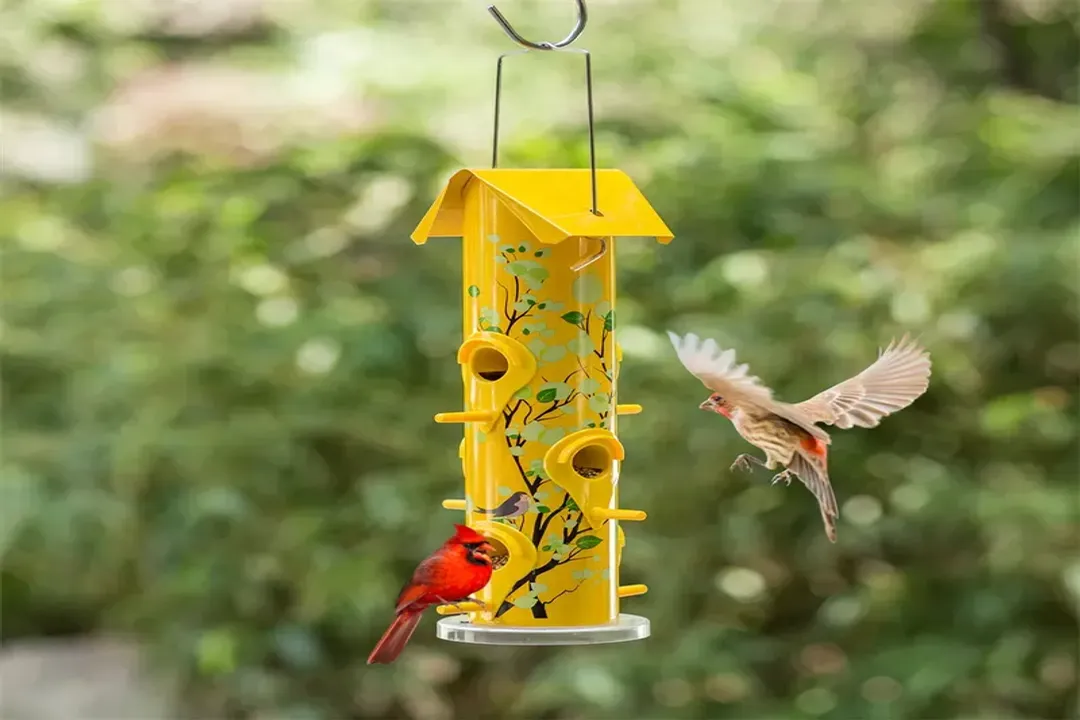
Attracting the brilliant yellow of the American Goldfinch to your yard requires a specific approach, largely dictated by their unique feeding style and their unwavering preference for certain seeds. Unlike many backyard birds that happily use large hopper feeders, goldfinches are specialists, and the feeder you choose directly impacts whether they visit consistently or simply ignore your offerings. [1][5] Getting the right setup is less about finding one "perfect" device and more about matching the bird's behavior to the feeder's design.
# Tube Feeders
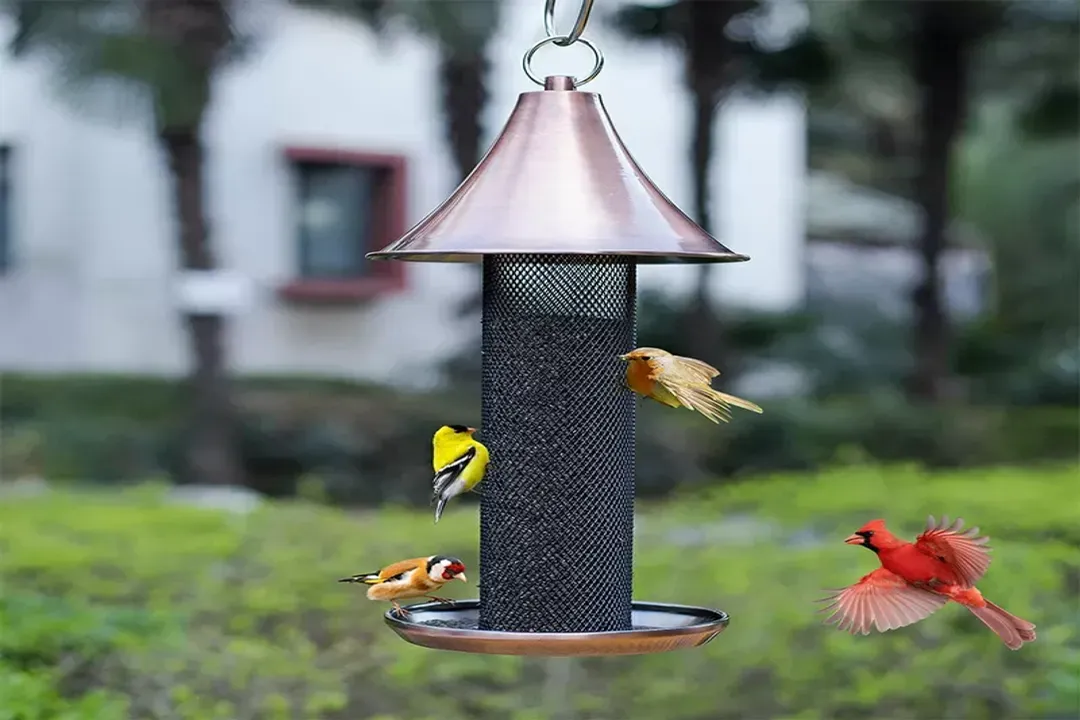
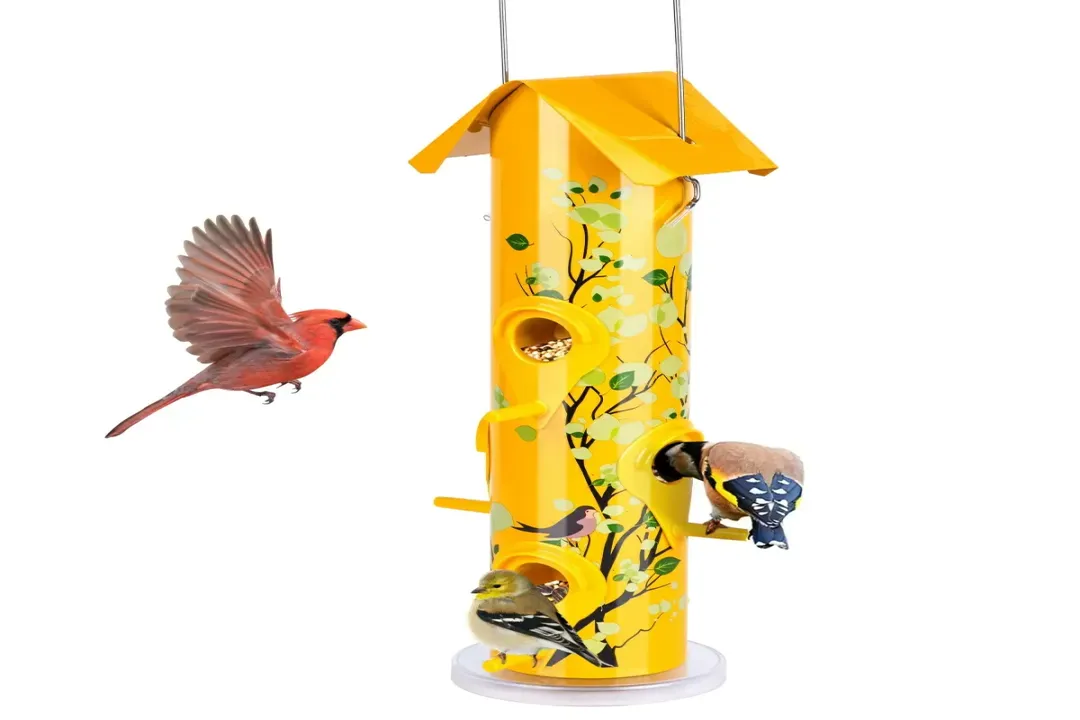
The most frequently recommended option for attracting and serving goldfinches is the tube feeder. [1][5] These feeders consist of a clear cylinder allowing you to monitor seed levels, fitted with small perches and feeding ports near the bottom. [1] Goldfinches are adept at clinging to the small perches while they eat, a natural behavior that tube feeders accommodate well. [1][8]
When looking at tube styles, you will find variations based on material and port size. Some models feature specialized ports designed specifically for thistle or sunflower hearts, which helps limit access for less desirable species. [1]
# Port Size
It is important to note the size of the feeding ports relative to the bird. Goldfinches have small heads, and while they can manage standard ports, some specialized feeders narrow the opening down to suit Nyjer seed better. [1] If you are using sunflower hearts, standard ports are usually adequate, but very small ports can lead to frustration and seed waste if the sun dries out the seed and it clumps slightly.
# Perch Spacing
When selecting a tube feeder, pay close attention to the distance between feeding ports. While goldfinches are small, if the ports are too widely spaced, larger, more aggressive finches or chickadees might dominate the feeder, potentially chasing the smaller American Goldfinches away. A good feeder balances port availability with sufficient space for target species to feed comfortably without overcrowding [Original insight synthesized from feeder design observation].
# Sock Feeders
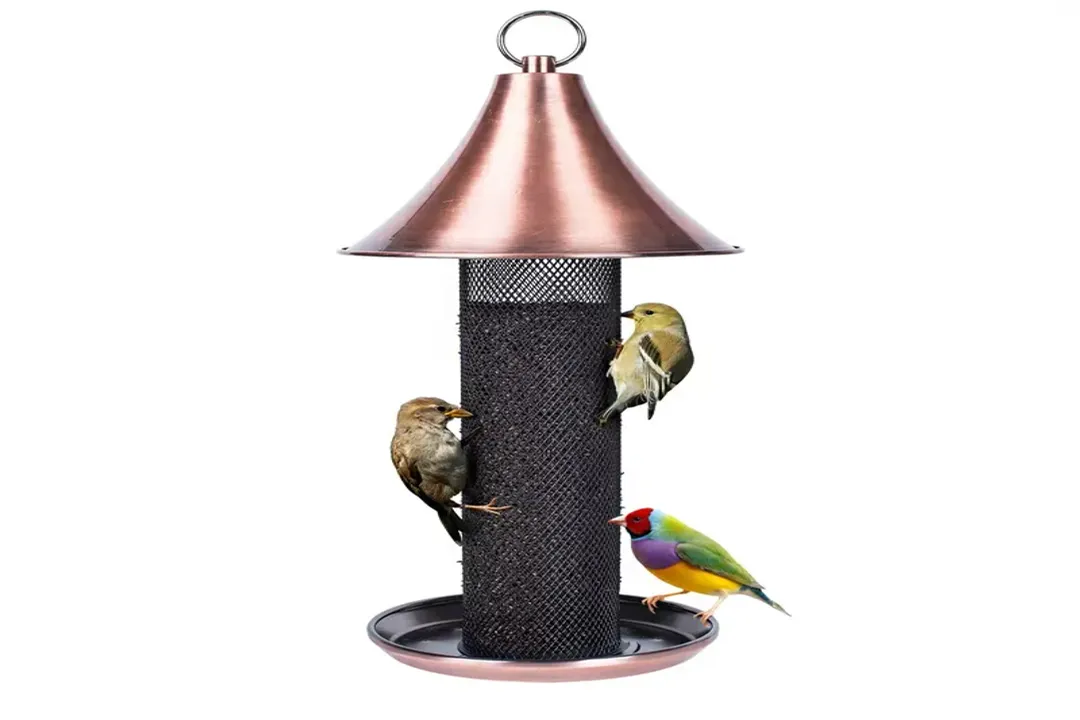
Another design often discussed, particularly in older forums, is the mesh or sock feeder. [8] These feeders are essentially mesh bags, often made of nylon or a similar material, filled with Nyjer seed. [5] The birds land directly on the mesh and pull seeds through the small openings. [8]
The appeal of the sock feeder is its simplicity and the fact that it allows the birds to feed from any angle around the bag, meaning multiple birds can feed simultaneously without waiting for an open port. [8]
However, these feeders come with a significant maintenance consideration. Because they are fabric, they retain moisture readily. [5] This damp environment can quickly cause oil-rich seeds like Nyjer to spoil, leading to mold or aflatoxin growth, which is dangerous for birds. [5][8] This means sock feeders often require more frequent replacement or rigorous cleaning than hard-sided tubes, especially in humid climates or after rain.
# Seed Compatibility
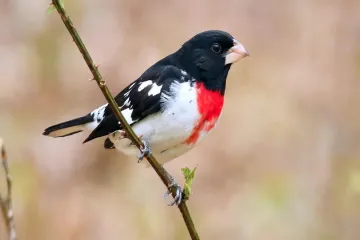
Regardless of the hardware you choose, the food inside is the true attractor. The primary food source for goldfinches, especially in winter, is Nyjer seed, sometimes still called thistle seed. [1][5] This tiny, black oil seed has a high oil content, providing the energy they need. [1]
However, many experienced feeders find that hulled sunflower seeds, specifically sunflower hearts or chips, are equally, if not more, effective at drawing goldfinches in large numbers. [1]
When comparing Nyjer and sunflower hearts:
| Seed Type | Goldfinch Preference | Clogging Potential | Maintenance Requirement |
|---|---|---|---|
| Nyjer Seed | High, traditional food | Moderate (can clump when wet) | High (especially in mesh feeders) [5] |
| Sunflower Hearts | Very High (less waste) | Low (no shells) | Moderate (ensure ports drain well) [1] |
One factor to weigh when deciding between feeders is the cost per refill versus the maintenance time involved. A small, less expensive plastic tube might require refilling weekly during peak migration, equating to a significant annual time investment in topping it off. Conversely, a larger, slightly more expensive metal tube holding three times the volume might stretch those refills to nearly a month under the same feeding pressure, drastically reducing the time cost associated with keeping the birds fed, even if the upfront seed cost is consistent [Original insight on time versus investment].
# Material Matters
The construction material of the feeder plays a large part in its lifespan and your overall success, particularly when squirrels are in the vicinity. While many affordable feeders are made primarily of clear plastic tubing, those designed for durability often incorporate metal elements. [9]
Metal components, especially around the ports and hanging points, offer better resistance to chewing and weather-related cracking compared to all-plastic models. [7][9] Metal perches or caps can also feel sturdier to the birds. If you live in an area with high squirrel activity, investing in a feeder specifically marketed as "squirrel proof" or one featuring heavy metal construction is usually wise to prevent damage to the feeder body itself. [9]

# Dealing With Clutter
A common complaint among bird feeding enthusiasts shared across online groups is the issue of mess and waste, which is closely linked to feeder choice. [2][4] Goldfinches, when eating sunflower seeds, will often discard the shell onto the ground below the feeder. [1] This shell buildup can create a significant mess and eventually foster the growth of fungi or mold, which is unhealthy for the birds that may forage below. [5]
Tube feeders inherently manage this mess better than tray feeders because the seed falls directly from a small port, minimizing the amount of debris scattered by the feeding action. If you use sunflower seeds, this reduction in shell litter is a major advantage for tube designs. [1]
# User Insights
Discussions in community forums repeatedly confirm the effectiveness of specialized designs for this species. [2][4] Many users state that while they tried standard hopper feeders, they only saw consistent goldfinch activity once they switched to hanging tube feeders stocked with Nyjer or sunflower hearts. [2]
Other practical considerations noted by experienced feeders include:
- Hanging Location: Goldfinches prefer feeders that are hung rather than pole-mounted, especially if the pole lacks effective squirrel baffles. Hanging the feeder from a high branch or a shepherd's hook provides them with a sense of security [General best practice synthesis].
- Weight Capacity: In areas where goldfinches congregate heavily during migration or winter months, choosing a larger capacity tube feeder—even if it is slightly heavier and more expensive upfront—reduces the frequency of necessary refills. [9]
Ultimately, the best feeder is one that stays clean, offers the right food, and matches the clinging feeding style of the goldfinch. For most people looking for a reliable setup, a well-constructed, appropriately sized tube feeder filled with sunflower hearts or fresh Nyjer seed will provide the best results. [1][5]
#Videos
What is The Best Finch Feeder for my yard? - YouTube
Related Questions
#Citations
Best Goldfinch Feeders
Best feeder for goldfinches? : r/birdfeeding - Reddit
What is The Best Finch Feeder for my yard? - YouTube
What is the best feeder for attracting gold finches to my backyard in ...
The Best Finch Feeders to Serve Thistle Seed - Birds and Blooms
Best Selling Goldfinch Feeder Package - Flying Friends
Goldfinch Feeders - The Wood Thrush Shop
What's best Gold Finch Feeder? - Garden Web
Songbird Essentials Giant Finch Feeder, Finches Favorite Yellow 3 ...