Are sable ferrets different from other ferrets?
The idea that sable ferrets might be fundamentally different from other pet ferrets—perhaps a separate species or a distinct breed entirely—is a common point of interest among enthusiasts, but it rests on a slight misunderstanding of ferret terminology. At their core, most domestic ferrets belong to the species Mustela putorius furo cite: (1). The term "sable" does not denote a difference in species, but rather refers to a specific, very popular coloration pattern found within that species cite: (2)().
# Color Pattern
When breeders or pet stores refer to a sable ferret, they are describing its coat genetics and appearance, not its lineage in the way one might talk about a dog breed [cite: (9)]. The sable pattern is often considered the "standard" or most common color found in the pet trade today cite: (8).
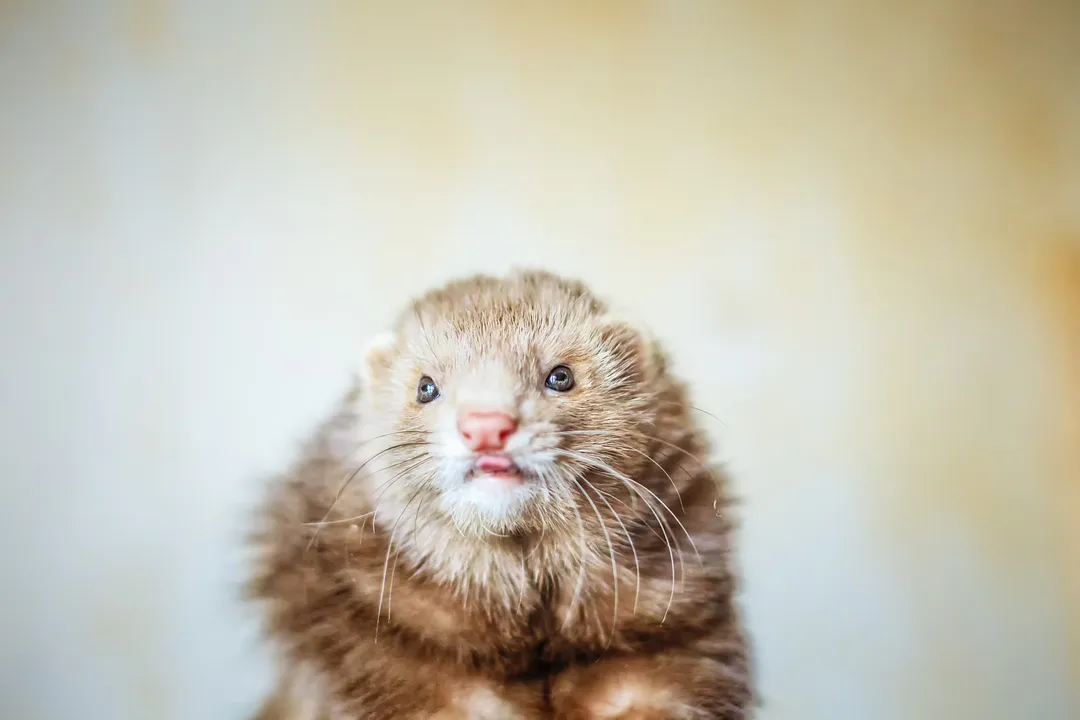
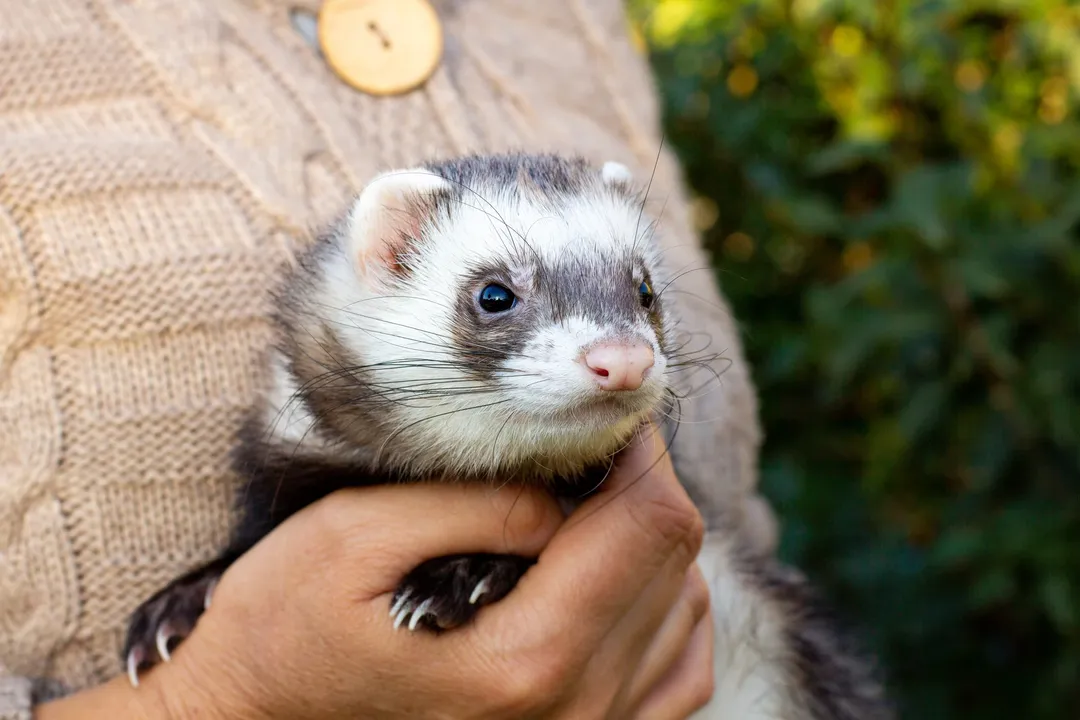
Visually, a sable ferret is characterized by a unique combination of hair colors across its body. The coat features dark guard hairs overlaying a lighter undercoat [cite: (5)]. This combination gives the ferret a shaded, grizzled appearance rather than a solid color [cite: (7)]. Crucially, sable ferrets typically exhibit "points" of darker pigment on their extremities [cite: (5)]. These points include the mask around the eyes, the tips of the ears, and the feet and tail [cite: (5)]. The nose color usually follows suit, often appearing dark or black [cite: (5)].
# Comparing Coat Markings
Understanding the sable pattern becomes clearer when contrasted with other recognized colorations. Ferret coloration is governed by various genes that affect pigment distribution [cite: (7)].
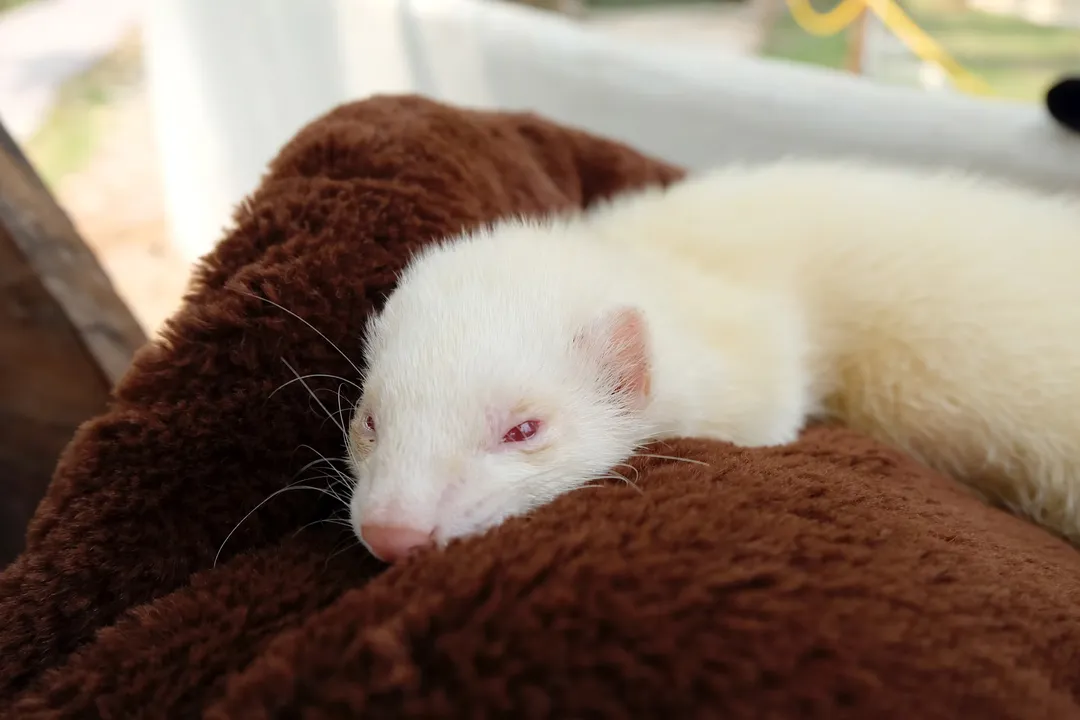
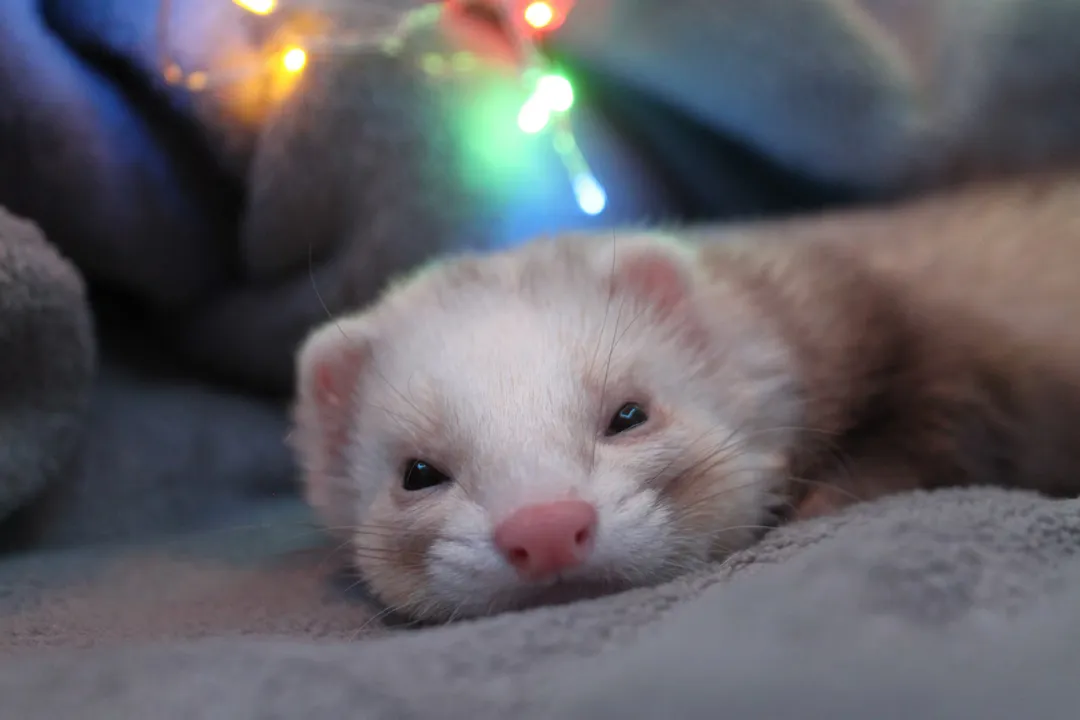
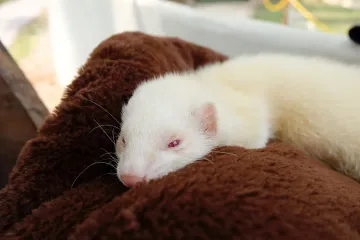
For example, compare the sable to an albino ferret, which completely lacks melanin pigment, resulting in white fur and pink eyes [cite: (2)]. Another common pattern is the silver ferret, where the guard hairs are stark white, often giving the entire body a frosted or silvered appearance, though the points may remain dark cite: (2). A cinnamon ferret will have a lighter overall appearance than a sable, featuring reddish-brown or tan guard hairs instead of dark brown or black cite: (2). Even in the dark point family, a true "Black Sable" will have much darker guard hairs than a "Chocolate Sable," where the guard hairs lean more toward a sepia or light brown hue [cite: (7)].
Here is a quick look at how the visual characteristics stack up against two other common coat types:
| Feature | Sable Ferret | Standard (Dark Sable) | Albino Ferret |
|---|---|---|---|
| Guard Hairs | Dark (Brown/Black) | Darkest Black/Brown | Absent |
| Undercoat | Lighter/Cream | Cream/White | White |
| Points (Mask, Tail) | Dark | Very Dark/Solid | Pink/Red Eyes |
| Overall Impression | Shaded, grizzled | Dense, dark coloration | Pure white |
| Rarity | Very Common | Common | Less Common |
It is important to note that the nomenclature within the ferret world can sometimes overlap, leading to confusion between color names and breed names, as seen when some sources list sable as a "breed" alongside patterns like Siamese or Panda cite: (9). This indexing of colors as breeds is more a convention of sales than a statement of biological classification [cite: (6)].
# Genetics and Appearance Variation
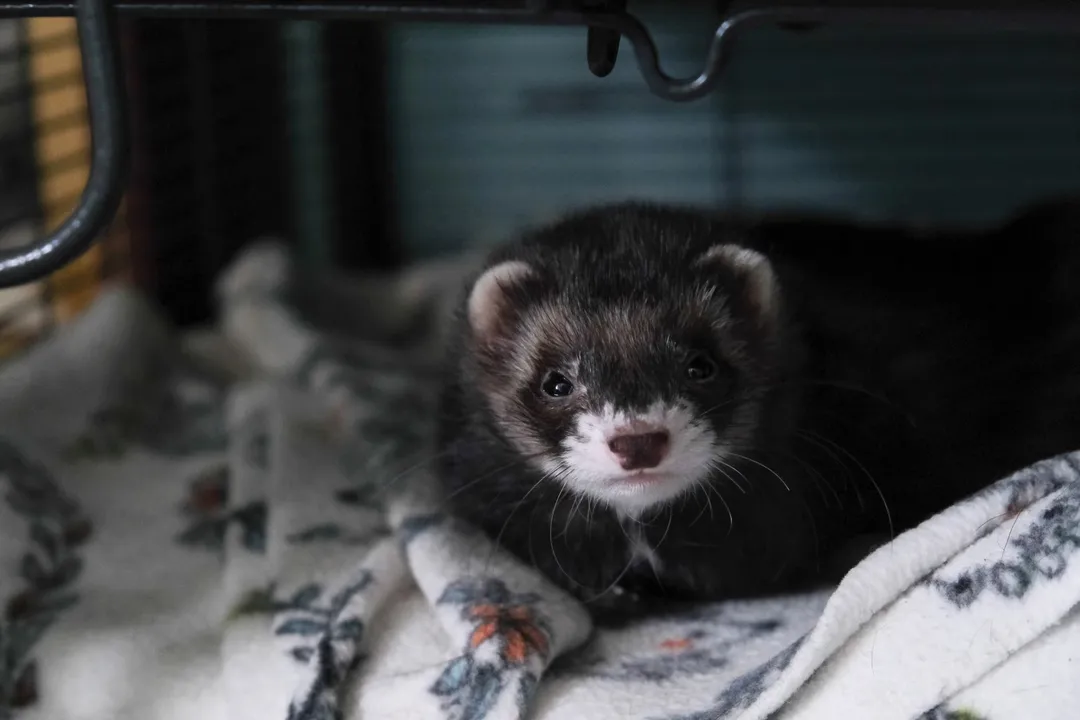
The specific term used to describe a ferret's look is a description of its phenotype—how its genes express themselves visually—rather than defining its subspecies [cite: (7)]. The genetics behind the sable pattern are complex, often involving the interaction of multiple genes that control the production and distribution of eumelanin (black/brown pigment) and pheomelanin (red/yellow pigment) [cite: (7)].
The variation within the sable category itself can sometimes be significant enough to warrant further description. For instance, a ferret breeder might differentiate between a "dark sable" and a "light sable," indicating the intensity of the guard hairs [cite: (4)]. This subtle variation within the common sable grouping often leads novice owners to believe they are looking at two different types of ferret, when in fact they are observing different degrees of the same genetic expression [cite: (4)].
For a potential owner focusing on health and temperament, accepting the sable coloring as a visual trait rather than a health indicator is key. While certain extreme colorations (like those linked to white spotting, though not sable itself) can sometimes correlate with deafness or other issues, the sable pattern is generally considered robust and healthy across the Furo population [cite: (7)].
To help an owner truly evaluate what they are seeing, instead of focusing solely on the color name, pay close attention to the contrast between the mask/points and the body fur. A high-quality sable will have a noticeable, well-defined mask and dark points, even if the body's undercoat is pale [cite: (5)]. If the dark hair is minimal and the ferret looks mostly cream or tan, it might be better categorized as a lighter variant like cinnamon or champagne, despite sometimes being marketed loosely as a sable [cite: (2)].
# Misconceptions of Lineage
The question often arises because ferrets, like cats, have a history where certain coat colors became heavily associated with specific lines or even specific geographic breeding programs before modern globalization of the pet trade [cite: (1)]. When ferrets were first being domesticated or specialized for certain coat patterns, those distinct looks were sometimes grouped together by early breeders or sellers. This historical grouping, combined with the fact that "sable" is such a common color across various lines, can cement the idea that it represents a distinct group [cite: (8)].
However, if you compare a sable ferret to a ferret whose lineage is documented through many generations of breeding focused on, say, a particular 'Marshall Farms' line versus a 'European imported' line, the fundamental biology remains identical [cite: (1)]. The differences in behavior, intelligence, and care requirements are overwhelmingly determined by individual personality, early socialization, and general health, not whether the coat is sable or silver [cite: (6)]. If one were to find a sable ferret and a ferret of another color, say champagne, housed in identical environments and given the same nutrition, their needs would not diverge based on coat color alone [cite: (7)].
# Owner Practicality
For the everyday ferret guardian, recognizing the sable pattern simply helps in correctly identifying paperwork or initial purchasing descriptions. It does not change the fundamental needs of the pet, which include a high-protein, meat-based diet, specific temperature management (they overheat easily), and dedicated playtime and enrichment [cite: (7)]. The emphasis should always be on the animal's general health profile—ensuring it is active, eating well, and free from ear mites or respiratory issues—rather than obsessing over whether its guard hairs are precisely the right shade of brown to qualify as a perfect sable [cite: (4)]. If you are acquiring a kit (baby ferret), knowing it is genetically predisposed to the sable look simply lets you anticipate its adult appearance as the darker guard hairs grow in over the first few months [cite: (5)].
#Videos
Types of ferrets - YouTube
Related Questions
#Citations
Do sables count? They're ferret cousins - Reddit
Ferret Colors, Markings, and Patterns - PetMD
Types of ferrets - YouTube
Sable differences | The Holistic Ferret Forum - ProBoards
Sable Ferret Facts & Photos | Wowzerful
The Different Types of Domesticated Ferrets - The Spruce Pets
Ferret Colors and Patterns - Holistic Ferret Forum
Sable Ferret Animal Facts - Mustela furo
Ultimate List of All Ferret Breeds - Coops and Cages