Are Croatian sheepdogs easy to train?
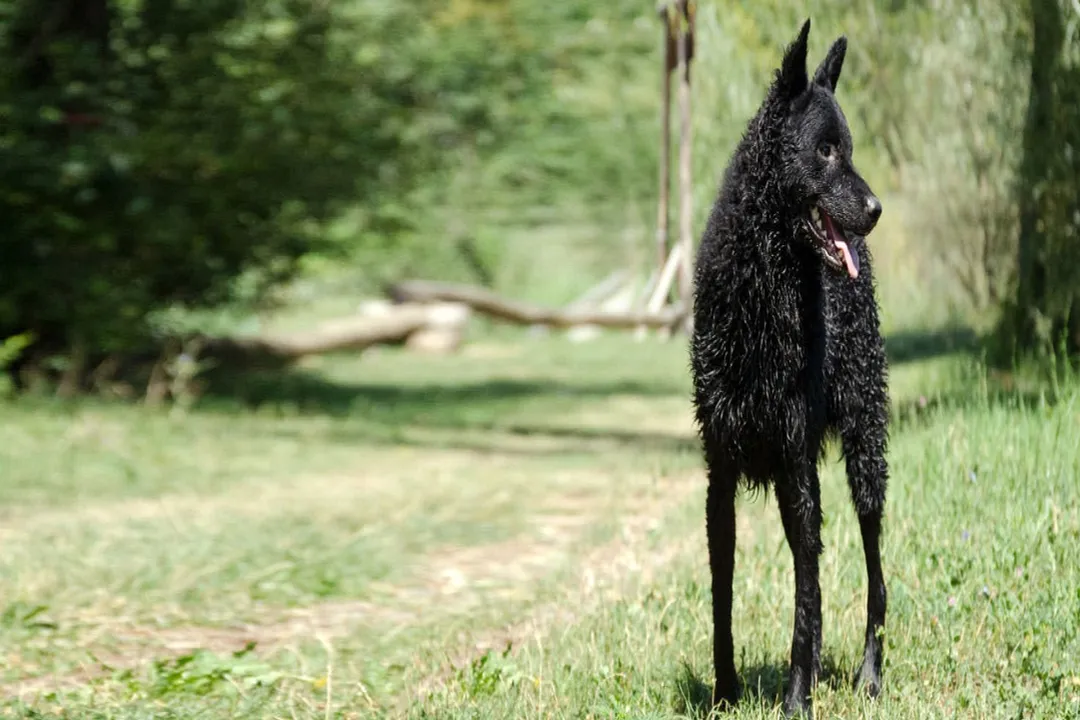
The Croatian Sheepdog, sometimes referred to as the Croatian Shepherd Dog, possesses an intelligence level that immediately places them high on the list of dogs who can be trained exceptionally well, provided the handler understands the blueprint they were bred to follow. They are described universally as intelligent and quick to learn, traits inherent to a centuries-old working breed developed to manage livestock across rugged terrain. [1][2][3][6] This inherent aptitude suggests that the mechanics of teaching commands are often straightforward; they pick up new cues rapidly and are generally eager to please their primary handler. [2] However, labeling any breed as universally "easy" to train ignores the crucial context of temperament, energy requirements, and independence, all of which are strong characteristics of the 'Hrvatsti Ovčar'. [2][5]
# Intellect Drive
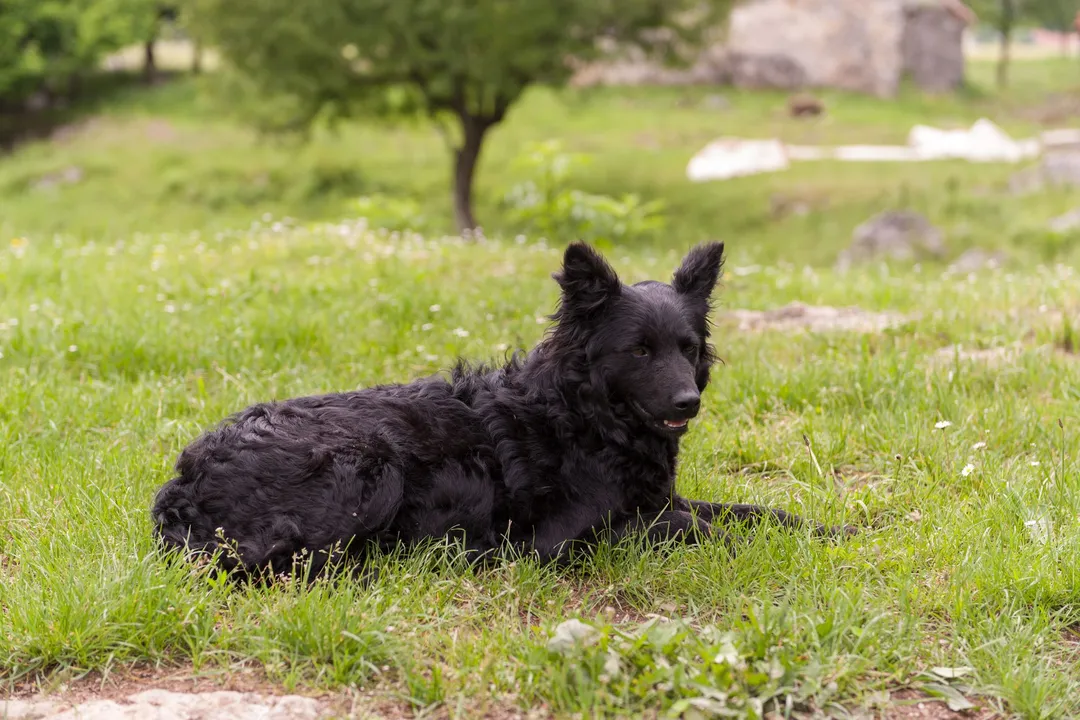
The foundation of any successful training endeavor with a Croatian Sheepdog rests on acknowledging their sharp minds. They were purpose-bred as versatile herding dogs, meaning they needed to problem-solve independently while remaining responsive to nuanced vocal or hand signals from a shepherd. [5][6] This background means they process information quickly. [2] A dedicated owner might find that basic obedience—sit, stay, come—is established with relatively few repetitions compared to less driven breeds. [2] They thrive on tasks that engage their brains, making them excellent candidates for advanced obedience, agility, or competitive dog sports. [2][6] Their heritage demands mental stimulation as much as physical activity. [6]
This sharp intellect, however, cuts both ways. A common pitfall for owners who underestimate the breed's mental capacity is failing to provide sufficient mental challenges post-basic training. A mind that learns quickly when engaged also learns quickly when it is bored. If training sessions become repetitive, slow, or predictable, the Croatian Sheepdog may decide the task is beneath them and simply choose not to participate, creating an appearance of stubbornness or poor training retention. [2][5] When they decide to tune out, it is rarely due to a lack of understanding; it is often a calculated decision based on perceived value or necessity.
# Willful Streak
While eagerness to please is a positive trait for training motivation, the Croatian Sheepdog’s history as an independent livestock manager introduces a degree of self-reliance that can translate into willfulness or independence in a domestic setting. [2][5] Unlike breeds solely developed for absolute subservience to a handler, the sheepdog needed to make snap decisions when a flock was scattered or threatened, sometimes without direct, immediate instruction. [5]
This independence requires trainers to be more than just consistent; they must be interesting and fair. If training feels like a demand rather than a partnership, the dog may push boundaries simply to test the structure. [2] Furthermore, their herding instinct is deeply rooted. If a Croatian Sheepdog is not properly socialized away from this behavior, they may attempt to "herd" fast-moving objects, bicycles, or even small children by nipping or circling them. [2][7] Redirecting this powerful instinct requires specific, positive training exercises that channel the drive into acceptable outlets, such as specialized toy retrieval games or controlled agility work, rather than trying to suppress the instinct entirely. [2]

# Socializing Early
The ease of training in public settings, or even around visitors in the home, hinges significantly on the quality and timing of early socialization. Croatian Sheepdogs are naturally reserved or aloof with strangers. [1][2][5][7] While this protective trait is valued in a farm guardian, in a suburban or city environment, it can manifest as shyness or suspicion if not managed correctly from puppyhood. [7]
A dog that is anxious or fearful around new people, dogs, or environments will not be receptive to advanced obedience training; stress shuts down the learning centers of the brain. Therefore, introducing the puppy to a wide variety of sights, sounds, surfaces, and friendly people during the critical socialization window (up to about 16 weeks) is non-negotiable. [2] Failure here can lead to a dog that is difficult to manage outside the home, regardless of how perfectly they sit in the living room. [2] The goal isn't to turn them into social butterflies, which might go against their nature, but to build confidence so they can observe new stimuli calmly rather than reacting defensively. [5]
# Training Consistency
If one were to quantify the success factor for training this breed, consistency would be the most heavily weighted variable. Because of their intelligence and tendency toward independence, Croatian Sheepdogs require a clear, firm, yet gentle structure. [2] They respond best to positive reinforcement methods that reward correct behavior, rather than harsh correction, which can cause a sensitive dog to shut down. [2]
The challenge for the average owner lies in maintaining absolute consistency across all family members. If one person allows the dog on the couch while another enforces a strict "no furniture" rule, the dog learns that rules are conditional based on the authority figure present, which erodes the training foundation. [2] Furthermore, consistency must apply to energy expenditure. A well-trained dog that has not had adequate physical and mental exercise that day will often test boundaries simply because they have pent-up energy demanding release. [6] Training sessions must be short, frequent, and end on a positive note to maintain engagement. [2]
A practical consideration for new owners is scheduling their training around their dog’s natural working rhythm. Since they are high-energy herders, attempting complex training after long periods of inactivity during the workday will yield poor results. Instead, schedule intensive mental work before an outdoor run or after a structured, brisk walk. This ensures the dog is mentally ready to focus rather than physically buzzing with unspent energy. [6]
# Mental Demand
The ease of training a Croatian Sheepdog is inextricably linked to fulfilling their high mental demands. While they are eager to learn, they need a reason that goes beyond pleasing you; they need a job. [6] For the owner without a flock of sheep, this job must be manufactured.
Consider the typical 30-minute walk. For a Border Collie or a Croatian Sheepdog, this might only satisfy about 10 minutes of their true exercise requirement. The remaining time is often spent mentally rehearsing herding maneuvers on squirrels or processing sensory input inefficiently. A truly trained Croatian Sheepdog needs structured problem-solving that makes them use their brain in a focused way. This could involve scent work, where they follow a complex trail to find a hidden reward, or shaping advanced tricks like putting toys away in a specific bin. These activities build focus and respect for the handler in a way that simple "sit" practice does not. [2] If you are looking for a dog to nap while you work at a desk, this breed will create its own, often disruptive, employment. Successfully training them means accepting that their need for mental engagement is as fundamental as their need for food and water.
# Comparing Trait Combinations
It is helpful to compare the Croatian Sheepdog’s training profile against other popular herding breeds to gauge the expected commitment level. They share the high drive and intelligence of a Border Collie but are often noted as being slightly more physically substantial and sometimes possessing a more pronounced protective streak. [5][7] They are typically less prone to the intense, almost obsessive focus sometimes seen in Collies, which can sometimes make them slightly more adaptable to a non-working family environment, if their needs are met. [5] Conversely, compared to a more biddable, lower-drive breed like a Golden Retriever, the Croatian Sheepdog demands a higher level of commitment to ongoing intellectual challenges; while the Retriever might be happy with simple consistency, the Croatian requires variety and complexity in their work to remain compliant and happy. [2]
Ultimately, asking if a Croatian Sheepdog is "easy to train" is like asking if a high-performance sports car is "easy to drive." Yes, they have superior capabilities and respond beautifully to a skilled operator who understands the machinery. But for the novice or the casual driver seeking only errands around town, the power, speed, and need for specialized handling might make the experience feel demanding and occasionally overwhelming. With the right commitment to structure, early socialization, and respect for their working intellect, they are incredibly rewarding students, but they offer little forgiveness for inconsistency or neglect of their fundamental mental needs. [2][6]
Related Questions
#Citations
Croatian Sheepdog - Dog Breed Information - American Kennel Club
Croatian Sheepdog: Dog Breed Characteristics & Care
All about Croatian Sheepdog breed - Animalia
The Croatian Sheepdog is a medium-sized herding dog breed ...
Croatian Shepherd Dog Facts - Wisdom Panel™ Dog Breeds
Croatian Sheepdog
Breed Standards : Croatian Sheepdog | United Kennel Club (UKC)
Croatian Sheepdog - TOP 10 Interesting Facts - rocadog
Croatian Sheepdog | Dog Breed Facts and Information - Wag!