Are khapra beetles harmful to humans?
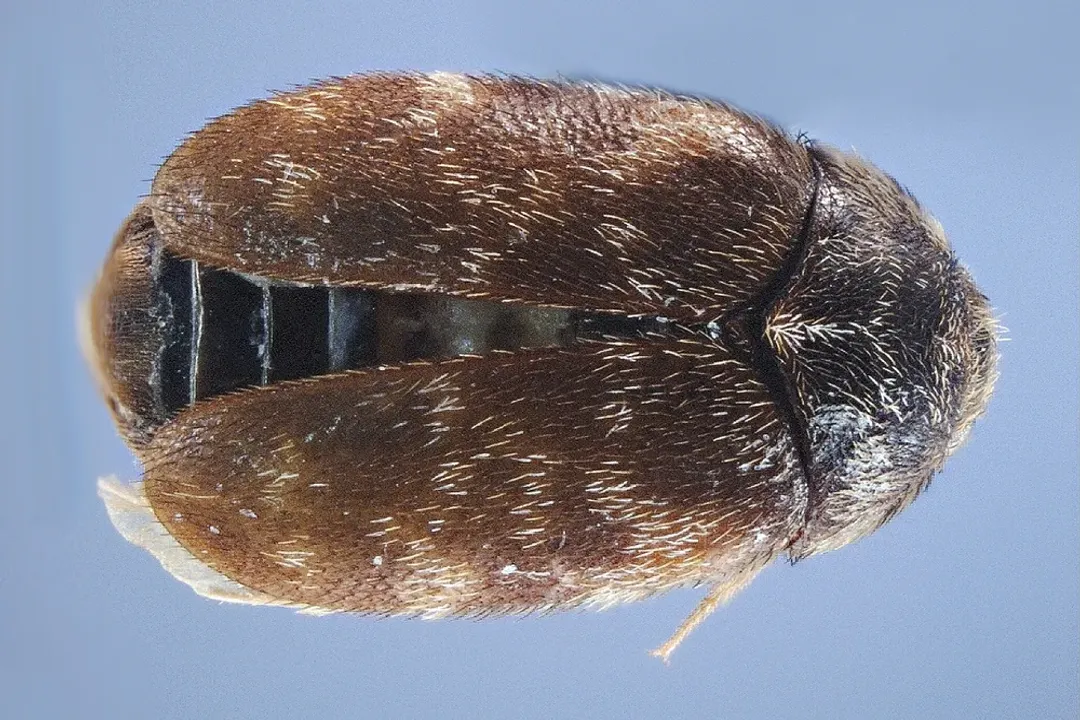
The constant arrival of news about invasive pests can make anyone concerned, especially when the insect in question carries a reputation like the Khapra beetle (Trogoderma granarium). This small, reddish-brown insect is globally notorious, often described in severe terms as one of the world's most dangerous pests. [2][3] When assessing a threat like this, the immediate question for the general public often boils down to personal safety: is this creature actually harmful to me, my family, or my health? The straightforward answer requires nuance, as the danger posed by the Khapra beetle is almost entirely indirect and economic, rather than a direct, immediate toxic threat to human life. [2]
While you are unlikely to suffer a toxic bite or sting from a Khapra beetle, its presence in commodities we rely on—especially stored grains—creates significant indirect health and safety issues through massive contamination and destruction of food reserves. [1][3] Understanding the nature of its threat is key to appreciating why international quarantine agencies dedicate so much effort to stopping its movement across borders. [1][4]
# Economic Danger
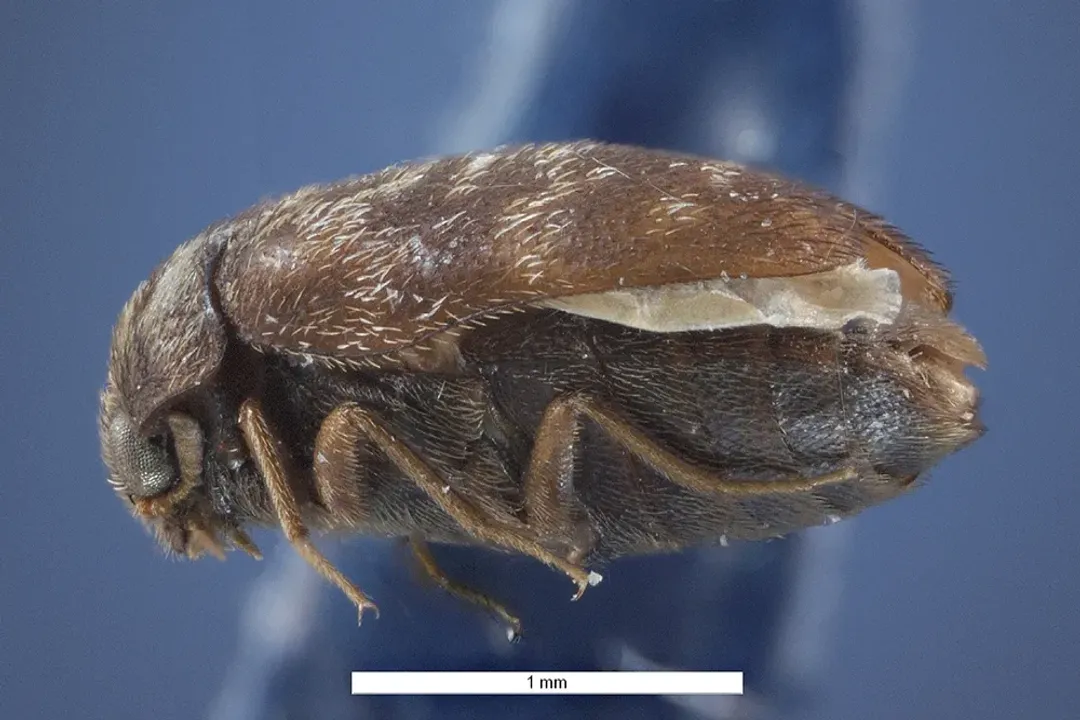
The notoriety of the Khapra beetle stems from its devastating impact on stored products, primarily cereals like wheat, barley, rice, and maize, making it an agricultural nightmare worldwide. [1][7] It is frequently cited as the most destructive pest in this category globally. [2][3]
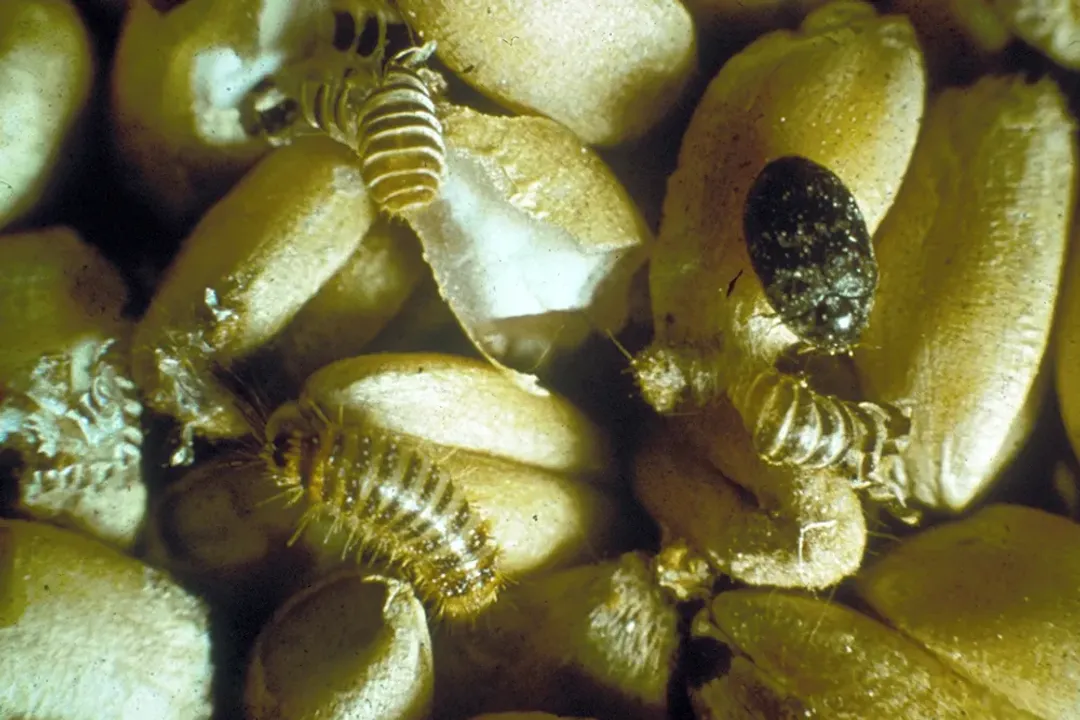
The scale of damage is alarming. Infested grain can be rendered completely unfit for human or animal consumption, leading to massive economic losses for producers, traders, and ultimately, consumers. [1][3] Unlike some pests that only target the surface, the Khapra beetle—in all its life stages, including the larva—burrows deep into the stored product, consuming the nutrient-rich kernels. [7]
The larvae are particularly voracious feeders. They can reduce whole grains to fine powder, known as "frass," which mixes throughout the remaining product, making separation nearly impossible. [7] This not only reduces the quantity of usable food but also heavily contaminates the remainder with insect debris. This high level of contamination moves the issue from a simple matter of crop loss into a food safety concern, which is where the indirect human health risk emerges. [2]
# Beetle Resilience
A major factor contributing to the beetle's status as a world-class pest, and thus a persistent threat to our food supply, is its incredible hardiness. [3] Khapra beetles are survivors, which allows them to be transported unknowingly across vast distances and persist long after an infestation should have been eradicated.
Their ability to withstand adverse conditions is remarkable. For instance, they can survive for long periods without feeding, sometimes for years, especially in cooler conditions. [1][8] Furthermore, research has shown that while extreme heat can kill them, they possess mechanisms to enter a state of reduced activity, or diapause, to survive temperatures that would typically be lethal to other stored product pests. [8] This resilience means that routine storage or shipping conditions, which might eliminate lesser pests, often fail to stop the Khapra beetle, allowing it to hitchhike globally inside seemingly benign shipments of rice, pulses, or other dried goods. [4]
It is this ability to lie dormant and emerge later, perhaps inside a shipping container or a warehouse thousands of miles from its origin, that elevates the regulatory concern. Agencies like U.S. Customs and Border Protection frequently intercept these beetles in household goods shipments arriving at ports of entry, underscoring the success of their camouflage as a silent stowaway. [4]

# Human Contact Risks
So, returning to the core question: are they directly harmful to humans? In terms of poisoning or transmitting major diseases associated with pests like mosquitoes or ticks, the Khapra beetle is not categorized as such. [2] The primary, documented, direct physical harm relates to contact with the insect’s shed parts, not living bites.
The larval stage is responsible for most of the feeding and development within the grain. [7] As these larvae grow, they molt, shedding their exoskeletons. Furthermore, dead beetles and larvae break down into dust and fragments. [7] This detritus, composed of chitinous skin, hairs, and insect bodies, becomes intermixed with the food product. [9]
When humans handle or consume heavily contaminated grain—grain that should have been rejected due to the contamination level—they risk exposure to these particulate materials. [9] This exposure can manifest as:
- Skin Irritation: Direct contact with the fine, dusty material containing the shed skins and hairs can cause mechanical irritation, leading to dermatitis or rashes in sensitive individuals. [7][9]
- Allergic Reactions: For people susceptible to insect allergens, inhaling or ingesting dust composed of these insect parts may trigger allergic responses. [9]
It is crucial to emphasize that this risk is entirely dependent on the level of infestation and the failure of inspection protocols. Healthy, uncontaminated food supplies pose no such risk. The regulatory focus is on preventing the contaminated material from ever reaching the consumer market in the first place. [1][2]
# Contamination Pathways
The journey of the Khapra beetle from a threat in one country to a potential irritant source in another usually follows a clear, documented path through global trade. Because they are quarantine pests, their presence in imported goods triggers immediate regulatory action, often resulting in the rejection, fumigation, or destruction of the entire shipment. [1][6]
The main pathway involves commodities that are dry and store well for long periods, as this aligns perfectly with the beetle's survival strategy. [7]
- Initial Infestation: The beetle lays eggs in stored grain or related commodities in the country of origin. [7]
- Development: Larvae feed and grow, potentially for many months, creating frass and molt skins. [7]
- Movement: The infested material is bagged, containerized, and shipped across international borders. [4]
- Detection: Customs or agricultural inspection services intercept the shipment upon arrival due to established inspection protocols. [4][6]
A unique aspect of the threat, which highlights why prevention is so rigorously enforced, is how easily the infestation can be missed. The beetles are small—adults are tiny, about 1.5 to 3 millimeters long—and their larvae are often hidden deep within bulk material. [7] If the initial packaging appears intact, only invasive inspection methods, like sifting or specialized detection equipment, might reveal the presence of the pest before it enters local storage facilities. [1]
The strictness of regulation, such as the U.S. Department of Agriculture’s APHIS programs, reflects the principle that even a single contaminated shipment poses a risk not just of crop loss but of establishing a permanent, hard-to-eradicate population in a new agricultural ecosystem. [6]

# Analyzing Regulatory Gaps
When considering the human health angle, one must look beyond the immediate physical effects and consider the societal impact of widespread pest introduction. While a single person might only experience minor skin irritation from a contaminated bag of flour, the successful establishment of the Khapra beetle in a major grain-producing region could destabilize food prices and availability for millions. If infestations become widespread, the cost of necessary, intensive treatments—often involving fumigation with potent chemicals—rises sharply.
Consider the logistics of treating a large silo or a major port warehouse infested with a pest known for surviving poor conditions. [8] The response moves from an isolated action on a shipping container to a multi-agency, potentially years-long eradication effort. This scenario indirectly affects human welfare through increased food costs and the environmental/health consequences associated with large-scale chemical pest control measures required to regain control. Therefore, the best defense against any human harm—be it irritation or economic hardship—is maintaining the firewall at the border. [4]
When reviewing customs interception data, it becomes evident that household goods and personal effects are a surprisingly frequent vector, precisely because these items bypass the industrial-level scrutiny applied to bulk grain shipments. [4] This suggests that while consumers rarely import commercial quantities of grain, their personal shipments represent a key blind spot in global quarantine defense. The key takeaway for global travelers or immigrants is simple: never pack dried food products, seeds, or grains from international sources unless explicitly cleared by agricultural authorities, even if you believe they are clean. That small bag of specialty rice might carry a pest that poses a massive problem down the line. [1]
# Personal Awareness Tips
Since the direct, acute toxicity threat is low, consumer vigilance focuses on detection of infestation, which is the precursor to contamination and potential irritation. If you suspect a product has been compromised, understanding what you are looking for can save you from unnecessary exposure.
A truly infested product will rarely look normal upon close inspection:
- Visual Cues: Look for fine, dusty material or a powdery residue in the bottom of bags or containers of dry goods like beans, cereals, or pet food. This dust, or frass, is a major indicator of larval activity. [7]
- Physical Inspection: Carefully examine the contents. While the adult beetles are small, the larvae (which look like tiny, hairy worms) may be visible, often hiding within cracks or deep in the product.
- Odor Check: Severely infested materials can sometimes develop a musty or off-putting odor due to the presence of insect debris and waste products. [9]
If you find evidence of infestation in any pantry staple, the safest course of action is immediate, contained disposal. Do not simply sweep the material into the trash; seal the infested product tightly in a plastic bag before placing it in an outdoor bin. This prevents the active beetles from escaping within your home and spreading to other stored foods, which would create a much larger problem requiring more aggressive—and potentially irritating—treatment measures within the home environment. [2]
Ultimately, the Khapra beetle is harmful to humans primarily as a catastrophic threat to global food security, backed up by a lesser, but real, potential for direct contact irritation through contaminated materials. [2][7] The world's reliance on robust quarantine and inspection measures is the primary shield against this pest moving from an agricultural nuisance to a widespread public health concern via food contamination. [6]
#Videos
The Risks of the Khapra Beetle - YouTube
Related Questions
#Citations
Trogoderma granarium (khapra beetle) - Fact sheet - Canada.ca
Khapra Beetle - Veseris
Khapra Beetle – World's Most Dangerous Beetle - Bio-Tech Pest ...
Philadelphia CBP Finds Destructive Khapra Beetles in Household ...
The Risks of the Khapra Beetle - YouTube
[PDF] Khapra Beetle Program Manual
Khapra beetle - Wikipedia
Khapra Beetle Can't Beat the Heat - Entomology Today
Biochemical Toxic Response of Phosphine on Human Health ...