Are gypsy moths harmful to humans?
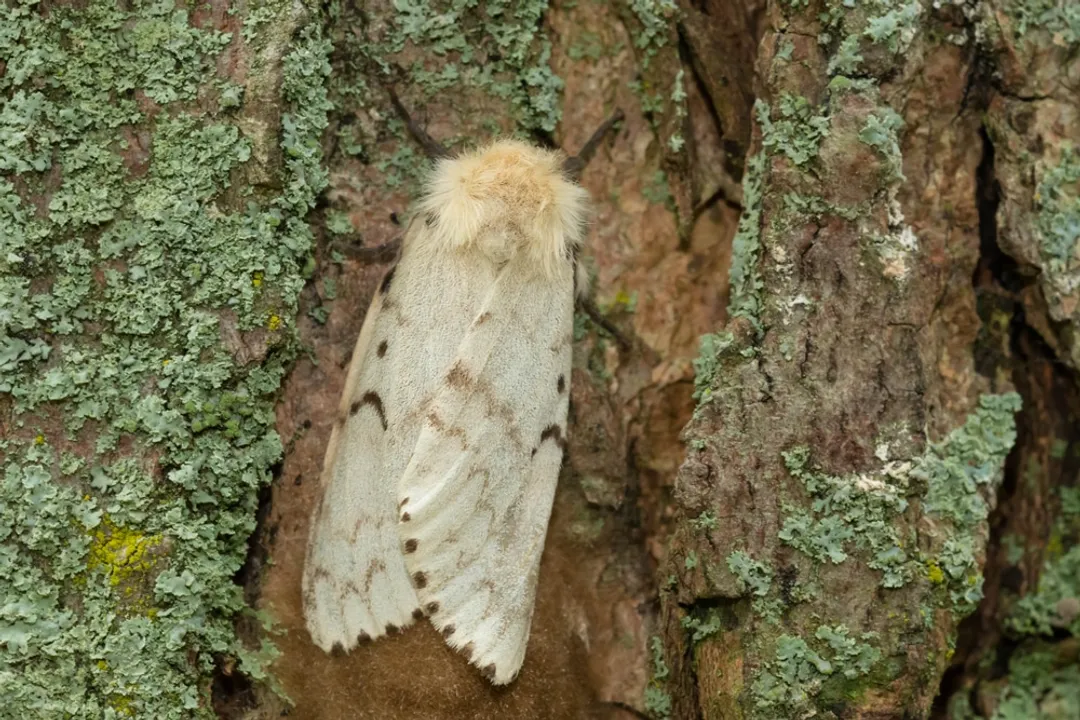
The immediate concern for many people encountering the infamous tree-defoliator is whether these insects present a direct danger to human health. While the Lymantria dispar insect is best known for its devastating appetite for foliage, consuming leaves on hundreds of tree and shrub species, the answer to whether they are harmful to humans is a qualified yes, primarily during the caterpillar stage. These insects are not generally considered poisonous, but their physical presence—specifically the tiny, bristly hairs covering the larvae—can certainly cause significant discomfort and allergic reactions in people.
# Moth Identity
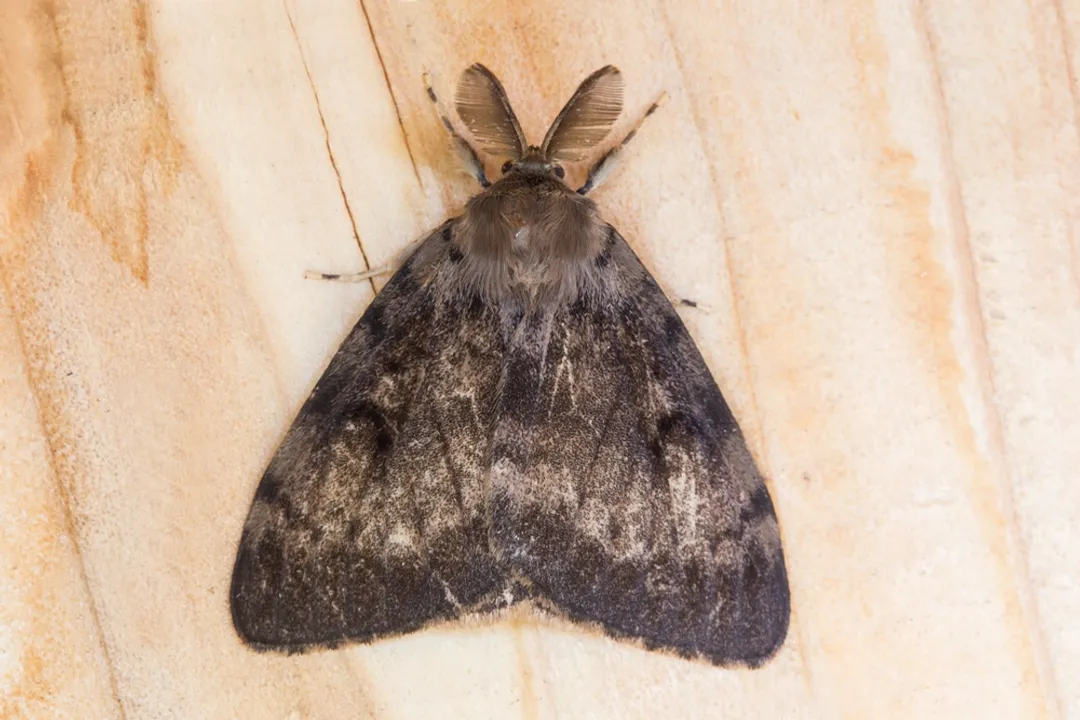
The creature we are discussing has undergone a name revision, a key piece of context for understanding current literature and public advisories. The insect scientifically known as Lymantria dispar was previously referred to as the European gypsy moth (EGM) or simply the gypsy moth. Due to the use of a term considered derogatory toward the Romani people, the Entomological Society of America officially adopted the new common name, spongy moth, which references the insect’s distinctive, sponge-like egg masses. This invasive species arrived in North America back in 1869, having been imported from Europe during an attempt to study its silk production capabilities—a venture that proved unsuccessful, unlike its ability to thrive and spread as a pest.
# Skin Contact
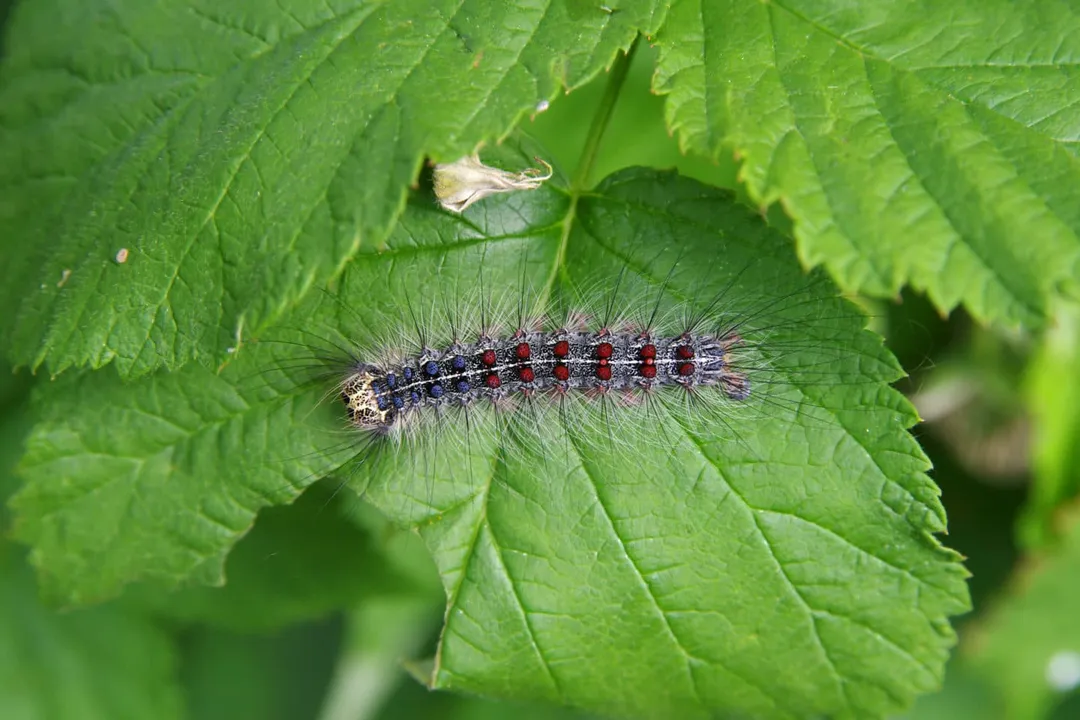
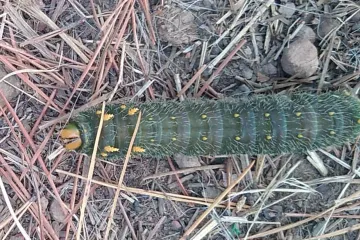
Human interaction is most likely to occur when dealing with the larval stage, the hairy caterpillars that emerge in the spring. These larvae grow quite large, sometimes reaching two inches in length, and are covered in these irritating hairs. Direct physical contact with the caterpillars, or even brushing past trees or objects where they are crawling, can introduce these hairs to the skin. For many people, this exposure results in a bothersome rash characterized by itching and raised bumps, which is essentially contact dermatitis. It is important to exercise caution when removing egg masses or dealing with high concentrations of caterpillars on property, as direct contact with the bristles can cause a serious reaction in susceptible individuals.

# Airborne Threats
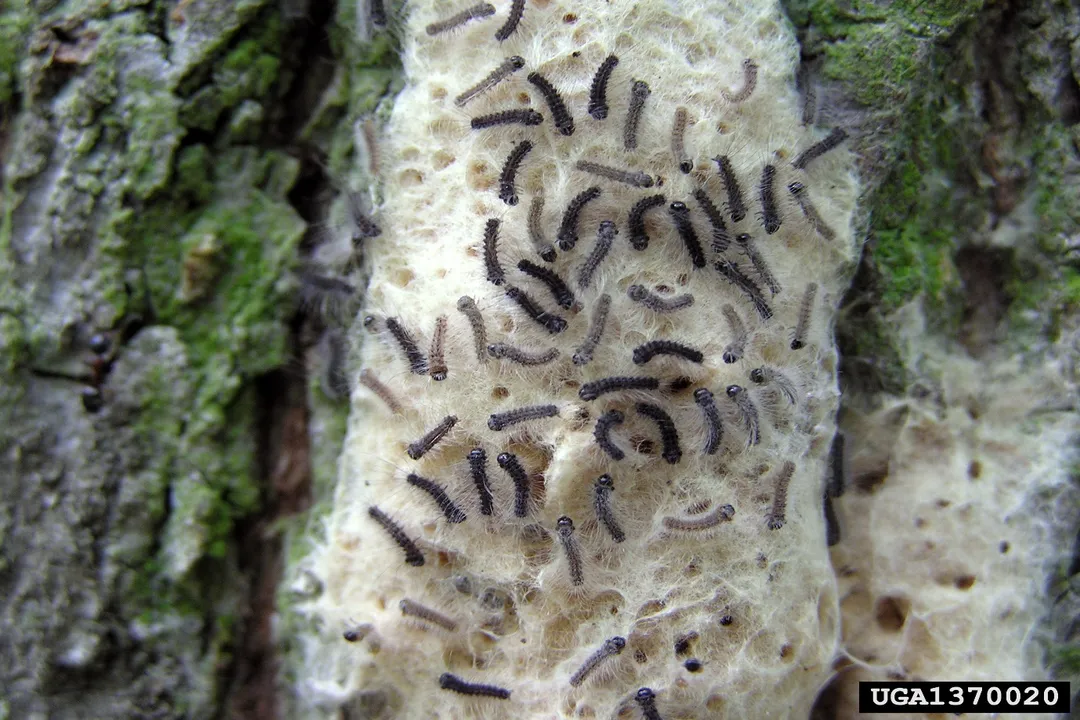
Beyond direct touch, the problem scales up when populations reach outbreak levels, as the sheer volume of insects creates airborne irritants. The tiny, spiny hairs that cause skin irritation can easily become detached and suspended in the air. For individuals with underlying sensitivities, such as asthma or general allergies, these airborne hairs pose a respiratory hazard. Exposure can trigger symptoms like sneezing and coughing. While the UK’s Forest Research notes that gypsy moth hairs do not cause the severe adverse health effects associated with some other hairy caterpillars, like the oak processionary moth, they are still potential allergens, and symptoms vary widely depending on individual susceptibility. Therefore, even enjoying an afternoon outdoors can become uncomfortable if the air is filled with detritus from a large caterpillar population engaged in feeding.
# Scale of Nuisance
The direct human health risks—rashes and respiratory irritation—are intrinsically linked to the insect’s primary ecological impact: tree defoliation. When environmental conditions favor the spongy moth, outbreaks can appear suddenly and continue for several years. During these peak infestation periods, the number of caterpillars in a single yard can soar into the thousands, creating an overwhelming situation. When caterpillars are this numerous, they feed voraciously, often stripping entire hardwood trees bare by early summer. This constant high-level exposure means more hairs and shed skins circulating in the environment, directly increasing the probability of human contact and subsequent irritation. Furthermore, at these high densities, the falling caterpillar droppings, or frass, can create an audible rain on the ground and contribute excess nutrients to local water runoff.
It is interesting to consider how natural factors influence this human exposure period. In some regions, a fungal disease called Entomophaga maimaiga is a critical natural control factor, capable of keeping populations below nuisance levels most years. However, this fungus requires adequate moisture during the early growing season, specifically in May and June, to be effective. This means that local weather patterns in the spring can indirectly dictate the level of caterpillar nuisance and associated human health risks you might face later in the summer; a dry spring could translate directly into a much larger, hairier problem for residents later on.
# Protection Steps
Given that the caterpillar stage presents the main human hazard, taking preparatory steps is advisable when infestations are known or suspected in an area. Minimizing contact is the primary goal.
When working or spending extended time outdoors in a heavily infested area, protective clothing becomes necessary. This means consistently wearing long sleeves and appropriate gloves to prevent the caterpillar bristles from contacting bare skin. If you must handle the larvae or clean up debris where they reside, these physical barriers are essential. After spending time outdoors, showering and changing clothes promptly can help remove any stray hairs or irritating material before they cause a prolonged reaction. For any rash that does develop, topical treatments like Cortisone may offer relief.
Another crucial protective step involves preemptive cleaning during the dormant season. The fuzzy, buff-colored egg masses, which can hold hundreds of eggs, are laid on flat, sheltered surfaces ranging from tree bark to outdoor furniture, vehicles, and stone walls. Actively scraping these masses off during the fall or winter, and then thoroughly destroying them—for instance, by soaking them in boiling water or soapy water for several days—can significantly reduce the following year’s hatch size.
One interesting point for property owners managing localized outbreaks relates to adult moth behavior. Unlike the destructive larvae, the female adult spongy moths are largely flightless; they emerge, mate, and lay eggs close to where they emerged. This contrasts with the dispersal of the larvae, which uses silk threads to balloon on the wind for wider spread. If you notice few adult female moths laying eggs on your house siding or nearby structures in late summer, it might suggest a less severe local outbreak threat for the next year compared to years following a massive larval hatch where many caterpillars mature near your home base. When dealing with widespread, severe issues, consulting with local authorities or professional pest control experts who use targeted biological treatments, like Bacillus thuringiensis var. kurstaki (Btk) applied during specific larval instars, is often the most effective overall management strategy for reducing the population that causes human nuisance.
#Videos
Are Gypsy Moths Poisonous Or Harmful To Humans? - YouTube
Related Questions
#Citations
Gypsy moth (Lymantria dispar) - Forest Research
Gypsy Moth Infestation in NEPA: 7 Tips for Prevention
The Dangers of Gypsy Moths - Cascade Pest Control
Spongy Moth | National Invasive Species Information Center
Are Gypsy Moths Poisonous Or Harmful To Humans? - YouTube
Gypsy Moth: Insect & Disease Fact Sheets - Maine.gov
Consequences of Not Treating Spongy Moth