Are Great Pyrenees descended from wolves?
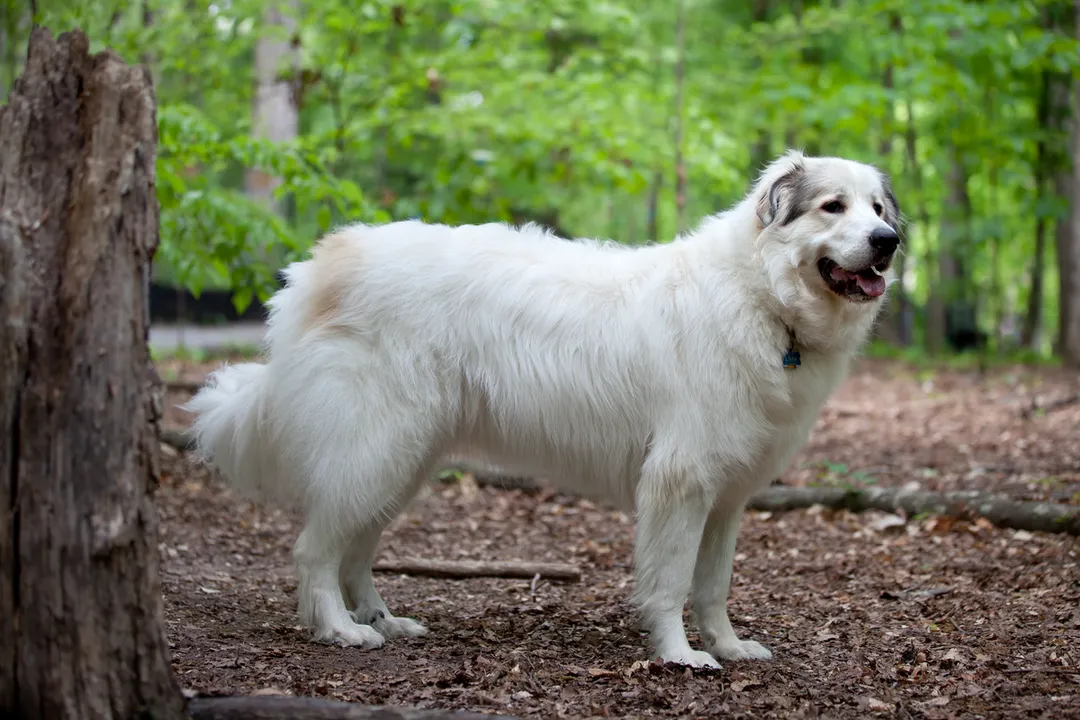
The Great Pyrenees, a truly magnificent dog whose presence evokes images of snowy peaks and steadfast vigilance, carries a history steeped in ancient migrations and dedicated service. These massive white guardians are recognized globally for their calm demeanor and profound loyalty, traits honed over millennia in the harsh, isolated terrain of the Pyrenees mountains, which form the border between France and Spain. Their very existence speaks to a long, specialized relationship with humans focused on protecting vulnerable livestock from predators.
# Ancient Lineage
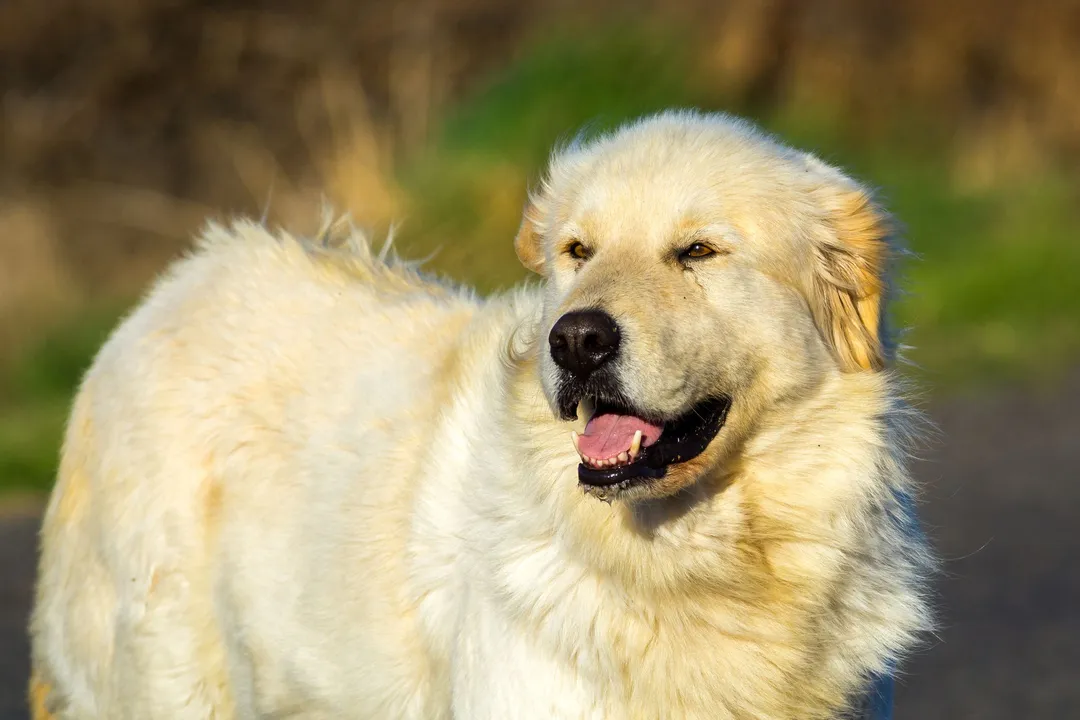
The foundational story of the Great Pyrenees involves tracing its ancestors far back in time, preceding even the establishment of the breed as we know it today. These dogs are part of a very old type—the ancient white livestock guardian dogs. Genetic evidence and historical documentation suggest that these foundational dogs arrived in the Pyrenees region centuries ago, likely brought by ancient peoples traveling from Asia, possibly near Persia. This places their ancestry in the same deep well as many other guarding breeds across Europe and Asia.
When discussing deep ancestry, the conversation naturally drifts toward the origin of all domestic dogs: the wolf (Canis lupus). It is a known fact that all modern dog breeds trace their lineage back to a shared ancestor with modern wolves. The Great Pyrenees, due to its ancient separation and minimal crossbreeding throughout much of its history, is sometimes cited as being genetically very close to these ancient wolf-dog descendants. However, being "close" to a wolf genetically does not mean they are simply untamed wolves in a different package; rather, it reflects a less recent divergence from the shared ancestor compared to, say, a small terrier breed. The breed's isolation in the Pyrenees meant that while they developed specialized characteristics, their base genetics remained relatively close to the older, less modified canid stock.
# Wolf Proximity
While the Great Pyrenees shares a common ancestor with the wolf, and some discussions suggest it might be one of the closest breeds to that ancestral stock, it is crucial to understand the distinction that centuries of selective breeding have carved out. The wolf is a wild animal, driven by survival instincts centered on pack hunting and territorial defense against threats. The Great Pyrenees, conversely, was selected over generations not to hunt sheep, but specifically to guard them.
This functional difference led to divergence in temperament. Consider the coat color. Wolves are typically shaded for camouflage in forest or scrub environments. Yet, the Great Pyrenees is famously, uniformly white. One key reason for the selection of this bright white coat, beyond perhaps blending with mountain snow, was purely practical: it allowed shepherds to easily distinguish their valuable guardian from dark-coated predators like wolves or bears in the dim light of dawn or dusk, preventing accidental shooting during night patrols. This is a clear, human-driven trait selected against the natural coloration of their wild counterparts.
# Breed Shaping
The environment of the Pyrenees mountains was the primary sculptor of this breed. They were required to be independent, capable of making complex decisions about threats without direct human instruction while tending flocks across vast, rugged terrain. This necessary independence is still a hallmark of the breed today.
The selection pressure was always on protection and presence. They needed the size and imposing appearance to deter threats, but they also needed a temperament gentle enough to coexist peacefully with the flock they were protecting, often sleeping among the sheep. This duality—fierce protector of the flock, yet gentle giant to their human family—is the direct result of this specialized breeding history, distinguishing them from their wild cousins whose focus is purely on survival and pack dynamics. While some sources note that there can be distinct categories or lines within the breed, such as the European versus the American lineage, the fundamental protective core remains rooted in this history of solitary guardianship.
# Independent Nature
For potential owners, understanding this historical context is more than trivia; it informs behavior. A Great Pyrenees was selected to work autonomously for long stretches, meaning their decision-making capacity was prioritized over immediate, high-speed obedience to a complex series of commands. This historical need for autonomy translates directly into the modern home; they possess an innate sense of responsibility and will often observe their surroundings quietly, making their own judgments about what constitutes a threat, which owners can sometimes mistake for stubbornness or aloofness. They are often described as being deeply devoted to their family but capable of independent thought, a trait directly inherited from generations of solo mountain watchdogs.

# Physical Traits
Physically, the Great Pyrenees is defined by its large size and heavy double coat, necessary insulation for the cold mountain environment. They are powerful dogs, built for endurance rather than speed, a necessary trait for patrolling large territories. While they share the large frame seen in some primitive canids, their structure is heavily refined for steady, day-long work rather than the explosive bursts required by a predator. Their size alone, often making them one of the larger companion breeds, contributes to their deterrent effect against potential predators.
The breed's long existence in relative isolation, guarding sheep in high altitudes, is what has preserved these ancient characteristics. They managed to retain much of their foundational structure and instinctual drive because their job was essential and unchanging for so long, unlike many other breeds that underwent rapid changes in function and appearance during the modern kennel club era.
In summary, the Great Pyrenees stands as a testament to specialized domestication. They are related to wolves through deep ancestry, sharing that ancient genetic foundation common to all dogs, but they are fundamentally a product of human selection molded by the requirements of the Pyrenees mountains: independent thought, an imposing presence, and an unwavering, gentle dedication to their charges. They are not wolves living among us; they are highly specialized guardians whose origins inform every calm, steadfast movement they make today.
Related Questions
#Citations
TIL: There are two distinct categories of Pyr- some have Newfie bred ...
Is it true that a Great Pyrenees is the closest breed to a wolf? - Quora
History of the Great Pyrenees
Pyrenean Mountain Dog - Wikipedia
The Call of The Wild Every Breed of Dog is Descended From the Wolf
11 Majestic Facts About Great Pyrenees - The Spruce Pets
Origins and History of the Great Pyrenees Dog Breed - Pets4Homes
Great Pyrenees History
Great Pyrenees - PetPlace
Great Pyrenees Breed Insights | Know Your Pet DNA by Ancestry®