Why is Great Dane called the heartbreak breed?
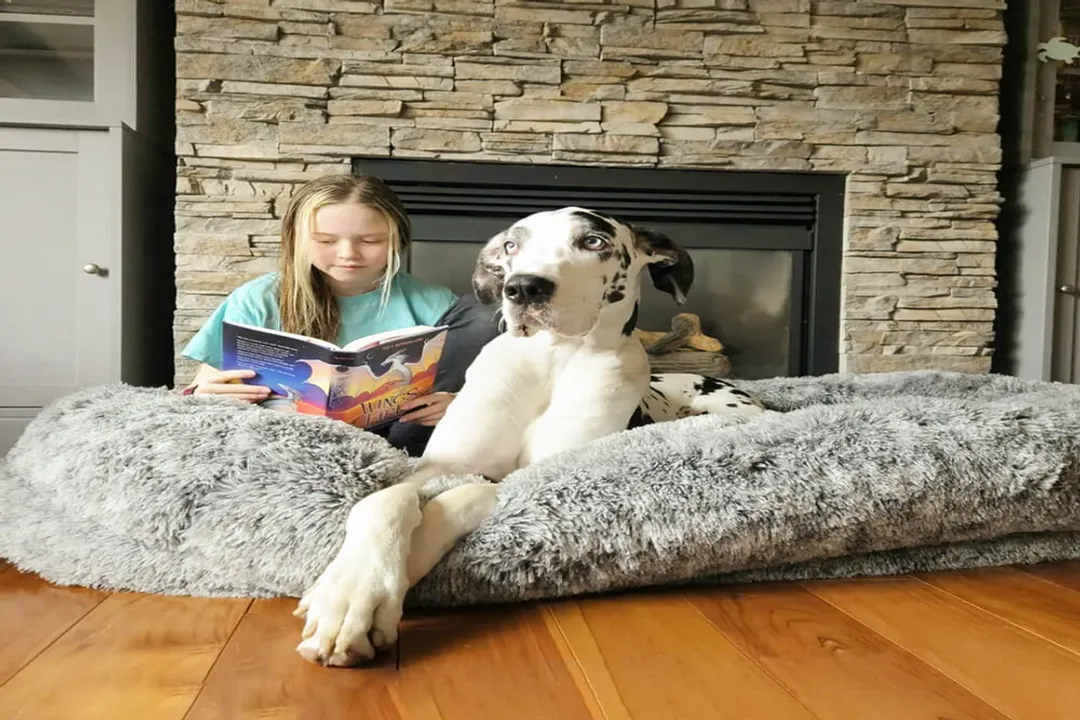
The Great Dane captivates anyone fortunate enough to cross paths with one. Towering over most other breeds, they possess a majestic presence often accompanied by an unexpectedly gentle and affectionate spirit. They are frequently described as the “Apollo of Dogs” or simply “gentle giants,” capable of displaying boundless loyalty and desiring constant closeness with their families, often mistaking themselves for lap dogs despite weighing well over a hundred pounds. These dogs originated in Germany, where they were historically used by nobility to hunt dangerous prey like wild boar, requiring courage and strength. [5] Today, however, their primary function is being a devoted companion, responding well to training, though their immense size mandates early obedience to ensure safety. [3] Yet, for all the joy these regal animals bring, there is a persistent, somber nickname attached to the breed: the heartbreak breed. This moniker has nothing to do with misbehavior or aggression and everything to do with the painful brevity of their time with us.
# Short Chapter
The core reason behind the sorrowful nickname is the Great Dane’s notoriously short lifespan. While many smaller companion breeds can look forward to a decade and a half or more with their owners, the average Great Dane lives only about seven to ten years. [3] This reduced longevity means that the deep, loving relationship formed with a Dane is compressed into a much shorter window. Owners find themselves saying goodbye to their gentle companions when they are still relatively young, often during what would be considered middle age for other breeds. [6] A dog that reaches eleven or twelve years old is celebrated as having achieved great age for the breed, a testament to genetics and excellent care. [5][6] This condensed timeline dictates a unique approach to ownership, requiring an owner to fully embrace and cherish every moment, knowing the farewell might arrive sooner than expected.
# Health Risks
The accelerated life cycle is intrinsically linked to the breed’s predisposition toward severe health conditions, many of which are genetic in nature. [3] The physical reality of supporting such a massive frame puts extraordinary strain on their entire system, leading to several critical areas of concern that veterinarians watch closely.
# Bloat Danger
One of the most immediate and terrifying threats to a Great Dane is Gastric Dilatation-Volvulus, commonly known as bloat. This condition is directly linked to the breed’s characteristic deep and narrow chest shape. In bloat, the stomach rapidly fills with gas and then twists upon itself, cutting off blood flow—a true medical emergency that can tragically lead to death in under an hour if not addressed surgically. [3] The sudden onset of this crisis is often what shatters an owner’s heart unexpectedly. [6]
# Cardiac Failure
Another serious concern is heart disease, specifically dilated cardiomyopathy (DCM). This condition causes the heart muscle to become thin, weak, and enlarged, severely impairing its ability to pump blood throughout the dog's body. [3] As DCM progresses, symptoms like weakness, fatigue, and labored breathing become noticeable, though initial signs can be subtle. [3]
# Bone Cancer
The massive structure that makes the Dane so impressive also predisposes them to certain cancers, particularly osteosarcoma. [3] This is an aggressive and painful bone cancer that affects large breeds more frequently. [3] Early detection through annual vet checks, watching for subtle signs like lameness or appetite loss, is vital for managing this difficult diagnosis. [3] Lymphoma, a cancer of the white blood cells, is also noted as being more common in the breed. [3]
# Preventative Courage
Given that bloat is often cited as the leading cause of death for the breed, proactive management is a non-negotiable part of owning a Dane. [3] Beyond knowing the symptoms—restlessness, a distended stomach, or repeated attempts to vomit—owners must consider preventative measures. [3] A procedure called gastropexy involves surgically tacking the stomach to the abdominal wall to prevent it from twisting, significantly minimizing the risk of GDV. [3] This is where the concept of "heartbreak" planning comes into sharp focus for potential owners. Considering that a healthy Dane's annual maintenance costs can easily approach or exceed 100 per month for a growing giant), owners must budget for major, upfront surgical investments. Allocating funds for a gastropexy, a procedure costing thousands, becomes less a discretionary expense and more a mandatory insurance policy to maximize the already limited time you have with your dog, ensuring that the most acute threat to their life is mitigated as early as possible.
# Physical Stress
The very mechanics of being a giant dog create ongoing physical challenges, particularly concerning mobility. Hip dysplasia, where the hip joint socket and ball don't fit correctly, is a common skeletal affliction. Owners of older Danes often report the tragedy of seeing an otherwise vibrant dog struggle with arthritis in all four legs, eager to play but physically restricted. [5] This points to a necessary caution during the first couple of years of life. Because Great Danes experience such rapid growth, allowing a puppy to over-exercise, run excessively, or repeatedly jump onto high surfaces can create irreparable strain on those developing joints and rapidly developing bone structure. Therefore, prospective giant breed owners must consciously practice pacing their dog’s enthusiasm. It requires overriding the instinct to let a strong, eager puppy enjoy lengthy, high-impact activities, instead committing to short, controlled walks and gentle play to preserve their mobility decades later, even when they seem capable of much more. Protecting their large frames means managing their boundless puppy energy against their developing physical limitations.
# Loving Loyalty
Despite the parade of potential health hurdles, the personality of the Great Dane is what earns them their devoted following. They are characterized as being exceptionally gentle, patient, and warm toward their human families. Their loyalty is fierce, and they thrive on human contact and affection, often exhibiting behaviors that confirm their status as giant lap dogs, such as leaning heavily against their owners or following them from room to room. This deep, almost human-like connection they form is what makes their eventual absence so profound; the grief felt by primary caretakers and children who grew up alongside them is often described as intense and long-lasting because the bond itself is so rich. [5]
# Care Commitments
Caring for a Dane is simple in some respects—their short, smooth coats require only moderate, weekly brushing. [3] However, daily care demands meticulous attention to detail, especially regarding nutrition. Because of the risks associated with bloat and joint stress, feeding must be strategic. Instead of one large meal, providing several smaller, measured meals throughout the day is a widely recommended practice to avoid stomach distension. [3] Furthermore, ensuring comfort is key to supporting aging joints; a supportive, soft bed is essential from puppyhood onward to cushion their massive weight. [3] Routine veterinary care must also be tailored to the breed’s risks, often including annual cardiac exams (echocardiograms) and evaluations for hip health, going beyond standard annual vaccinations. [3] While they are generally calm enough to adapt to apartment life, provided they get their daily moderate exercise (around 30 to 60 minutes for an adult) and space to stretch, their needs for training, space, and specialized veterinary vigilance are substantial.
Ultimately, earning the title of "heartbreak breed" is an unfortunate consequence of engineering a magnificent giant whose internal structures struggle to keep pace with its impressive exterior. Choosing a Great Dane is, therefore, an act of loving courage—a willingness to invest fully in a relationship knowing the final chapter will arrive too soon, a trade-off that owners consistently state they would make again for the unparalleled companionship these dogs provide. [5]
Related Questions
#Citations
What to Know About Great Danes - WebMD
Once bred to hunt wild boar, Great Danes are known to be loyal and ...
Great Danes Anyone? | BackYard Chickens - BackYard Chickens
Why is Great Dane called the heartbreak breed? - PetsCare.com
Great Dane Dog Breed Information and Characteristics - FunnyFuzzy
The Great Dane Breed Information Guide: Photos, Traits, & Care