What did Great Pyrenees evolve from?
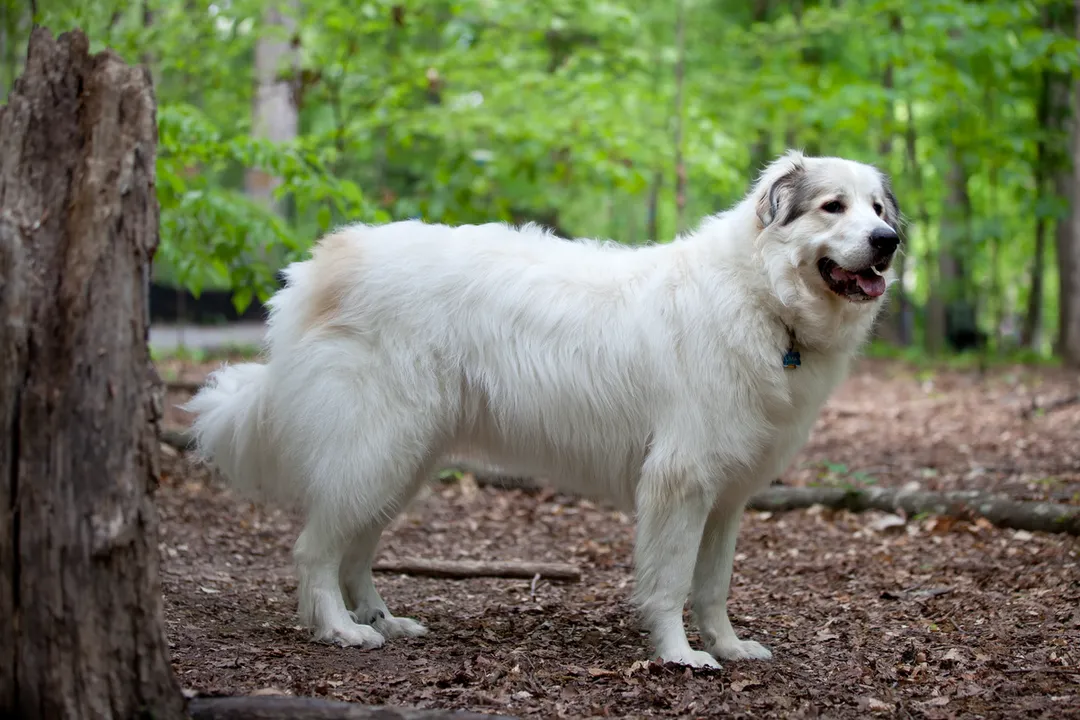
The magnificent Great Pyrenees, with its snowy coat and noble bearing, carries a history etched deep into the rugged landscape of the Pyrenees Mountains, the natural border separating France and Spain. [2][3][5][6][9] Understanding this breed means looking back not just centuries, but millennia, to trace the lineage of these dedicated guardians who have watched over flocks in isolation for countless generations. [5][10] They are one of the world's most ancient breeds, a testament to selective pressure driven purely by necessity in a harsh, mountainous environment. [5]
# Mountain Origins
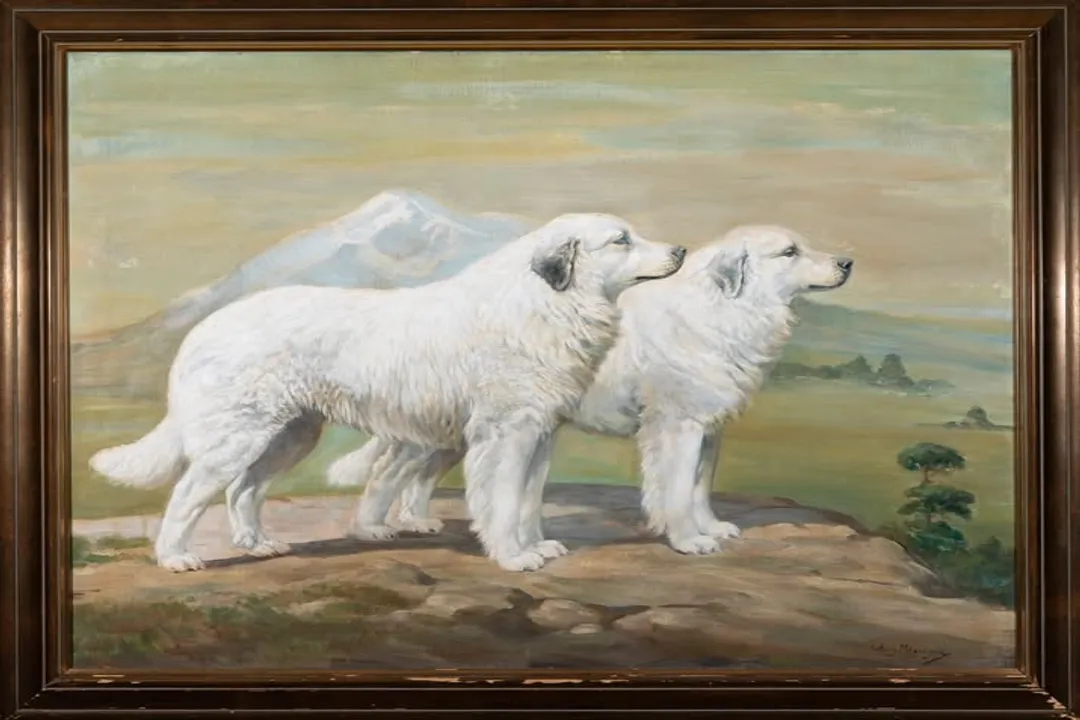
The story of the Great Pyrenees is inseparable from the geology and the pastoral life of the Pyrenees massif itself. [1][9] For thousands of years, these massive white dogs lived among the shepherds and their flocks, high above the valleys. [5][9] This geographic isolation played a crucial role in preserving the breed’s core characteristics, allowing it to develop its specific protective instincts and physical hardiness without significant external influence for a very long period. [5] The environment demanded a dog capable of independent thought, immense strength, and a calm temperament suited to guarding against large predators like wolves and bears. [3][4][5][7][10]
The breed's designation as the Pyrenean Mountain Dog often leads to confusion with the smaller Pyrenean Shepherd, but these are distinct canines that shared the same mountainous domain. [2] While their working role was shared with other livestock guardian types across the globe, the Great Pyrenees' specific adaptation to this European range set its evolutionary path. [4]
# Ancient Ancestry
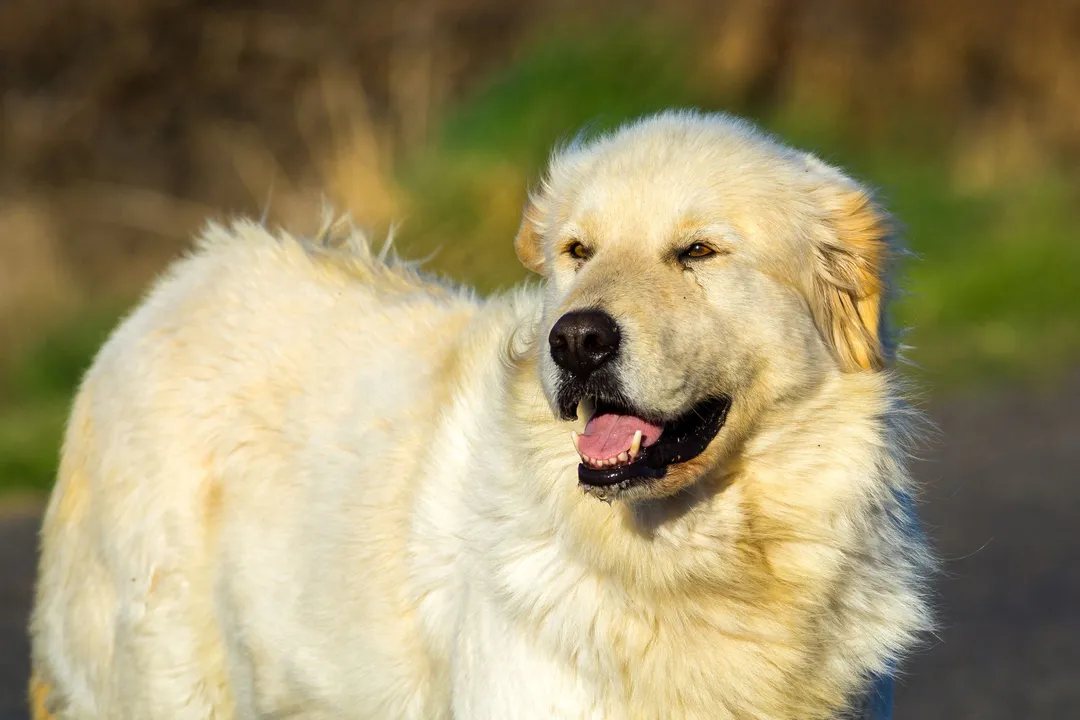
Pinpointing the exact moment or specific progenitor breed is difficult, as the Great Pyrenees predates extensive written records concerning dog breeding. [5] What is generally agreed upon is that these dogs were brought to the region by nomadic peoples traversing the Iberian Peninsula and what would become Southern France. [1][9]
The prevailing theory points toward their descent from Molosser-type dogs. [2] These large, powerful canines originated in the ancient Near East and were spread across Europe by migrating populations, likely including traders and herders. [2] Imagine those early tribal groups moving through the Pyrenees thousands of years ago—perhaps around 1000 BC or even earlier—bringing with them the foundational stock that would eventually become the Great Pyrenees. [5][9] These ancestors were selected primarily for guarding capability, likely having thick white coats that provided camouflage among the sheep and offered protection from the elements. [1][4] This white coloring is a key element; it helped shepherds distinguish their dogs from predators in low light or at a distance, a necessary visual filter in their long working days. [1][4][10]
While exact lineage is shrouded in antiquity, the consistency of their role suggests that once the foundational traits—size, coat, guarding instinct, and intelligence—were established in the Pyrenean environment, breeders focused on refinement rather than radical change for centuries. [5] This long period of functional selection, where a dog failing to deter a wolf was not bred, resulted in a highly specialized working animal. [4] Considering that the foundation of this breed might stretch back into the Bronze Age suggests a genetic consistency that few modern breeds can claim, making their evolutionary path one of slow, intense adaptation rather than rapid introduction of new lines. [5]
# The Guardian's Mandate
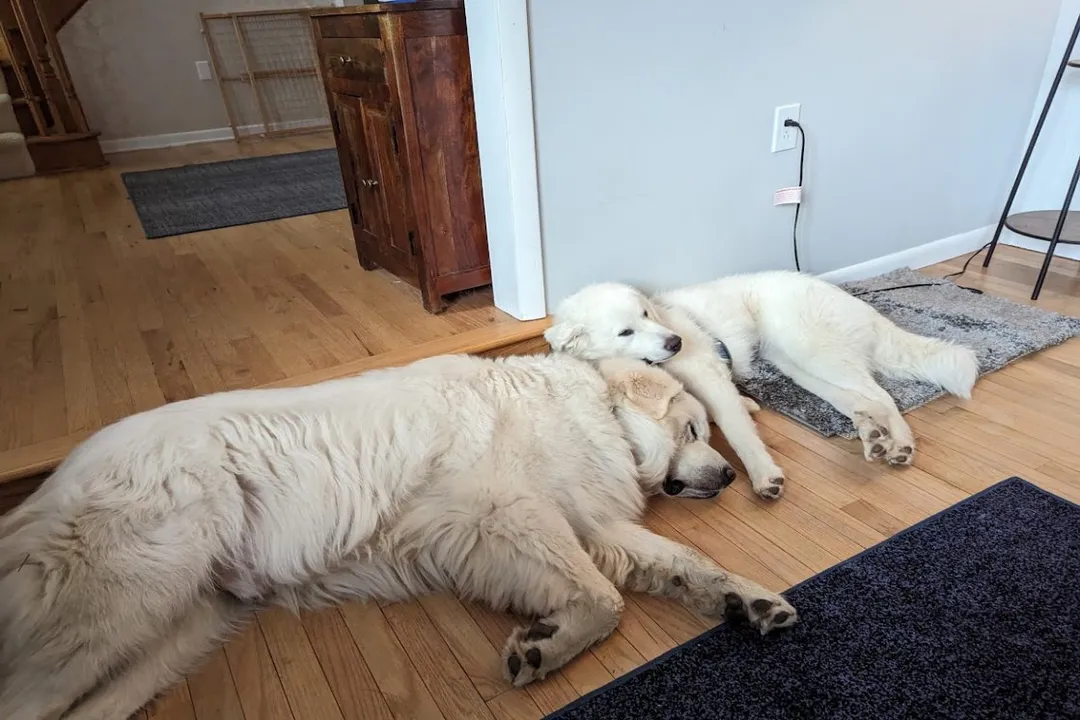
The primary evolution of the Great Pyrenees was dictated entirely by its job description: the livestock guardian dog (LGD). [3][4][8][10] Unlike a herding dog, which actively moves livestock, the LGD lives with the flock 24/7, acting as a solitary, silent protector. [4][9] This role required an evolution of temperament that is perhaps more complex than their physical appearance suggests. [3]
The ideal Pyrenean guardian needed to possess:
- Independence: They had to make life-or-death decisions without human direction when predators attacked. [4][9]
- Patience: Long stretches of solitary vigilance in cold, snowy conditions required extreme tolerance. [4]
- Courage: The willingness to face down large carnivores was non-negotiable for survival of the flock. [10]
- Bonding: They needed to form an unwavering attachment to the flock, viewing the sheep as their family to protect. [4]
It is fascinating to consider the selective pressure this imposed: dogs exhibiting too much aggression toward the sheep were culled, as were those showing fear or insufficient protective drive. [4][9] This intense, natural vetting process, repeated across generations in the rugged mountains, forged the breed's characteristic calm demeanor combined with fierce protectiveness when necessary. [3] When these dogs are kept as pets today, understanding this ingrained need for independent assessment, rather than constant direction, is crucial to their management. [4]
# Royal Favoritism
The breed’s utility eventually caught the attention of the aristocracy, signaling a shift from purely functional farm dog to companion and estate guardian. [1][8] By the Middle Ages, the Pyrenees became particularly favored by the nobility in the mountainous regions of France and Spain. [1][6][9]
The dog's stature and striking appearance made it a status symbol. [1] Perhaps the most famous historical connection is to the French royal court, where the Great Pyrenees was officially recognized as a breed of the King of France. [1][3][6] This elevated status meant that while their working cousins continued to toil in the high pastures, some bloodlines were pampered and shown off in courtly settings. [3][8] This early exposure to nobility likely helped solidify the breed's impressive presence and trainable nature, qualities that would later appeal to international fanciers. [6] Even Marie Antoinette is noted for having kept these dogs. [1][3][6]
# International Spread
As trade, travel, and eventually dog fanciers began moving across borders, the Great Pyrenees started leaving its native mountains. [3][9] While they were known for centuries in the region, their formal introduction and recognition in other countries occurred much later. [2][3]
The breed arrived in England in the late 19th century, and later in the United States. [3] Early efforts to establish the breed outside the Pyrenees faced challenges, largely because dogs imported for show or companionship were often not as rigorously selected for the pure, solitary working ability of their ancestors. [4][9] Breeders in places like the US had to actively re-establish or maintain the essential guardian traits that were not always present in the European show lines being imported. [4]
The American Kennel Club (AKC) eventually accepted the breed, listing its origin as the Pyrenees Mountains. [3] The name itself reflects this geography, officially known as the Great Pyrenees in the US and often as the Pyrenean Mountain Dog internationally. [2] This shift from working dog to recognized purebred highlights a divergence in selective goals: moving from survival against wolves to meeting a breed standard. [3]
# Maintaining the Ancient Temperament
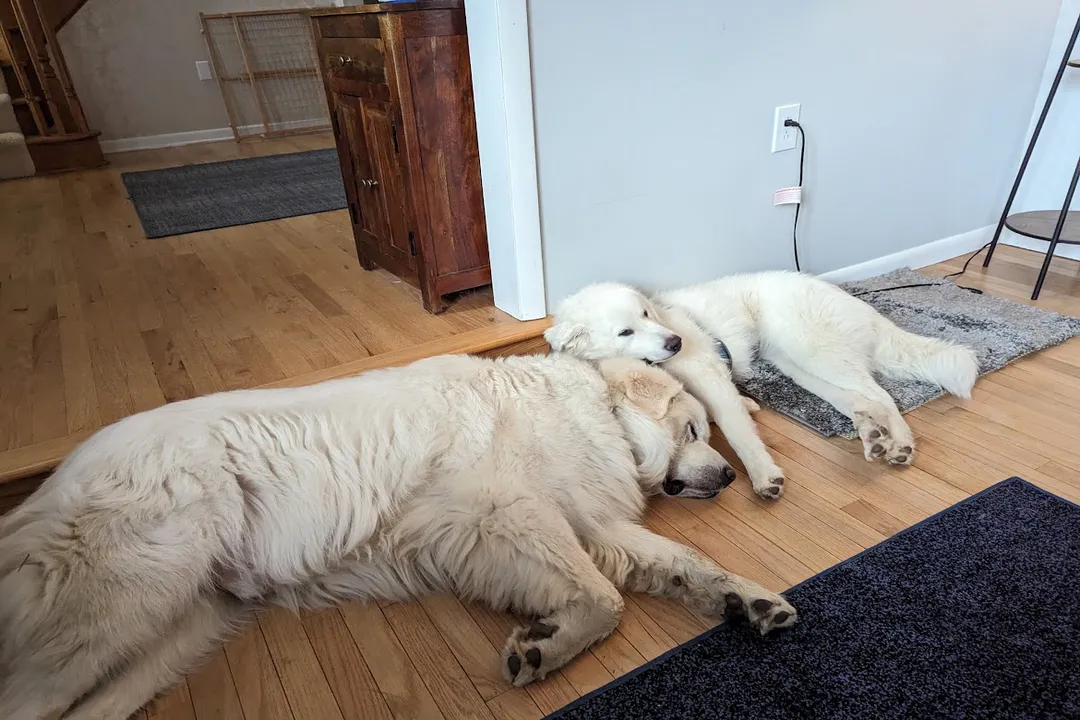
For those who keep Great Pyrenees today, the essence of their evolution remains tangible in their personality. [10] The dog you see relaxing quietly in your yard is practicing the vigilance of its ancestors, conserving energy for the rare but critical moments demanding action. [4] They are known to be calm, gentle giants with their families, a temperament bred for bonding with the flock they protect. [3][10]
The fact that they were bred to be independent thinkers is vital for new owners to appreciate. Unlike breeds developed for immediate obedience in structured tasks, the Pyrenees was developed to wait and judge situations before acting. [4][9] This means a Pyrenees might not rush to greet every visitor or immediately comply with a command if it believes its primary duty—supervising its "flock," which is now the human family—is being undermined. [4] This evolutionary heritage means training relies heavily on respect and consistency rather than dominance. [9]
The deep historical connection to the snow-covered peaks of the Pyrenees has resulted in a dog perfectly insulated for cold weather, a legacy of surviving harsh European winters while guarding sheep. [1][2] Their thick, double coat is not merely ornamental; it is a direct piece of evolutionary armor against the elements that shaped their entire existence. [2] Thus, understanding where the Great Pyrenees evolved from is less about identifying a single ancestral breed and more about appreciating the thousands of years of environmental and professional shaping that occurred on those remote mountain slopes. [5][9] They are living monuments to the synergy between a people, their livestock, and a specific, unforgiving landscape. [10]
Related Questions
#Citations
History of the Great Pyrenees
Pyrenean Mountain Dog - Wikipedia
Great Pyrenees History: Where the Breed Originated
11 Majestic Facts About Great Pyrenees - The Spruce Pets
The History of Great Pyrenees Dogs
Great Pyrenees | Giant, Working, Guard Dog - Britannica
Museum of the Dog - Facebook
Great Pyrenees History
About the Breed - Great Pyrenees Association Of California