What breed category is a Great Dane?
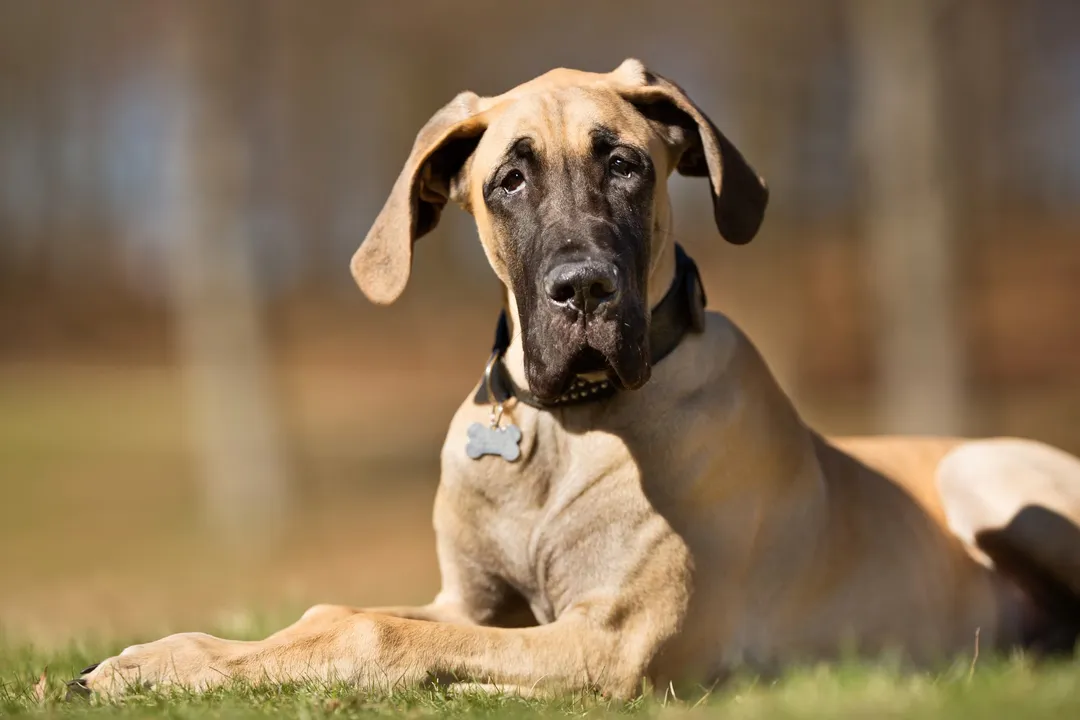
The most direct answer to what breed category a Great Dane falls into is the Working Group, a classification assigned by major international and national kennel clubs. This grouping is based on the breed's historical function and heritage, placing them alongside other dogs bred to perform specific, demanding jobs for humans, such as guarding, search and rescue, or pulling sleds. However, describing the Great Dane solely by this category only tells part of the story. They are also famously known as a giant breed, a descriptor that carries profound implications for their care, temperament, and historical role.
# Group Assignment
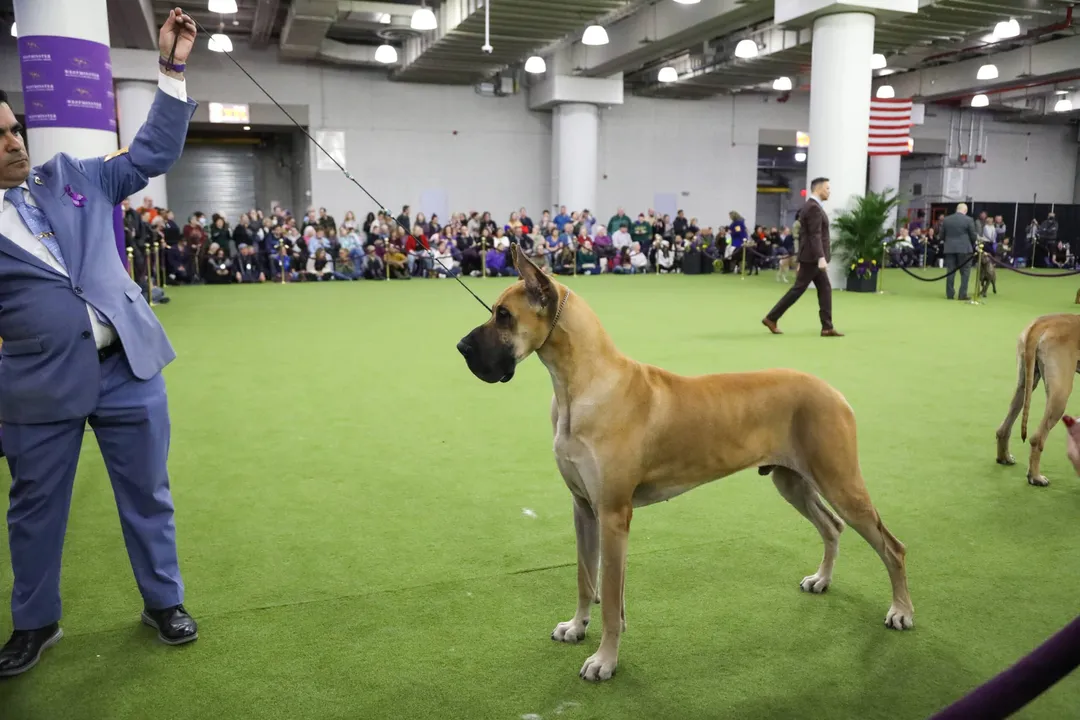
The American Kennel Club (AKC) recognizes the Great Dane within its Working Group, which comprises breeds described as "the real specialists in their field who excel in their line of work". This classification reflects the ancestors of the modern Dane, which were powerful dogs developed in Germany for physically demanding tasks, specifically the daunting job of hunting wild boar. This original function required immense size, strength, and courage, qualities that persist in the modern dog’s regal appearance and powerful build.
The Royal Kennel Club (RKC) also aligns the breed with the Working group, noting that over centuries, ancestors of these dogs were selectively bred to serve as guards and search and rescue companions. This historical context makes their placement logical, even if the contemporary Dane rarely faces down a boar today.
# Giant Breed Implications
Being slotted into the "giant" category is perhaps more defining for the modern pet owner than the "working" label. A male Great Dane can stand up to 32 inches at the shoulder, towering over most other breeds, and when standing on its hind legs, it is taller than most people. Their weight typically ranges from 110 to 175 pounds for males, though females are slightly lighter. This sheer magnitude is not just a visual distinction; it directly impacts their health, lifespan, and spatial needs.
This rapid, massive growth is a key element of their giant breed status. One observation for prospective giant breed owners is that the Great Dane puppy will experience as much growth in its first year as a human child grows in fourteen years. Considering this rate, an owner must financially plan for the quantity of large-breed specific nutrition required during this critical phase, recognizing that the cost of upkeep—from food to veterinary medication dosages—will be significantly higher than for smaller companions.
# Historical Lineage
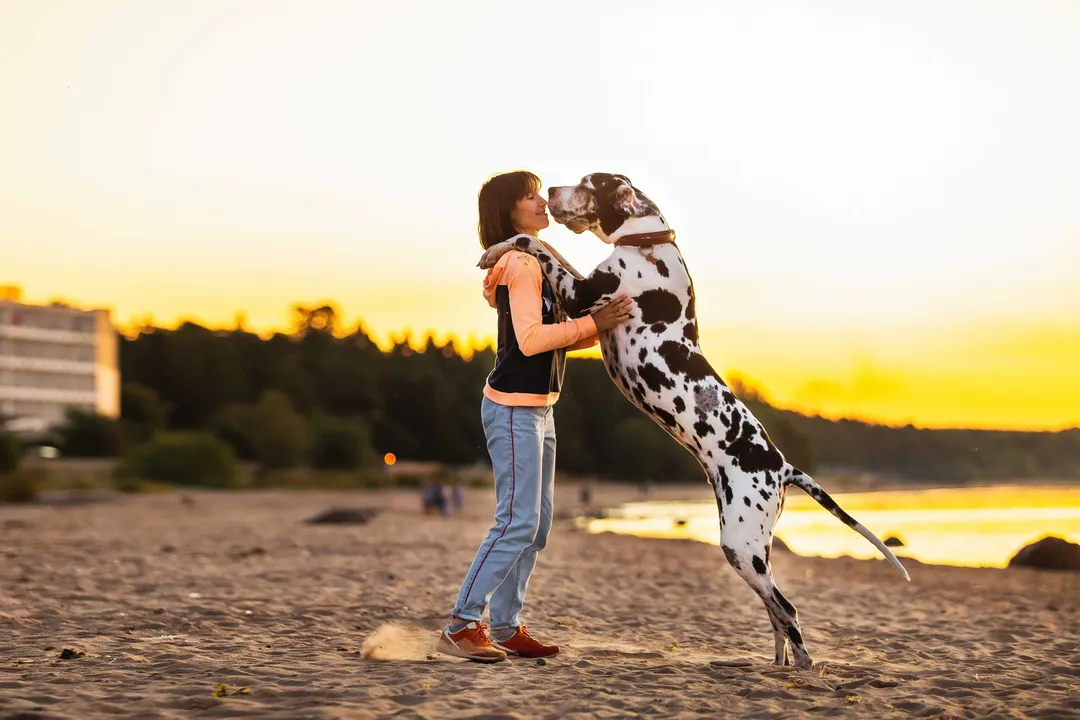
The breed's origins are firmly rooted in Germany, despite the common name suggesting a connection to Denmark (where they are called Grand Danois in French, translated to "Great Dane"). They trace their lineage back to ancient mastiff-type dogs and sighthounds, sometimes referred to as the Englische Dogge (English Dog) in early German texts. These powerful ancestors were utilized by German nobility for high-status hunting, acting as catch dogs to hold down game like bears and wild boar until the huntsman could intervene.
By the 17th century, these dogs, known as Kammerhunde or "chamber dogs," were valued not only as hunting partners but also as protectors for their noble owners against assassins. The development of firearms altered hunting customs, leading the breed to become rarer and shift toward being a luxury or hobby dog kept by the elite. In 1878, a committee in Berlin officially established the standard, changing the name from "Englische Dogge" to Deutsche Dogge (German Mastiff). The name "Great Dane" gained traction later, possibly due to geopolitical tensions, despite the dog having no known Danish roots.
# Gentleness Versus Duty
A fascinating tension exists between the Great Dane’s historical duties and its celebrated modern temperament. Though initially bred for confrontation with formidable game and estate guarding, the contemporary Great Dane is affectionately nicknamed the "Apollo of Dogs" and is renowned for its gentleness. They are frequently described as friendly, patient, and highly devoted family companions. They are people-pleasers who often think they are lap dogs, despite their imposing size.
However, this gentle nature should not be mistaken for timidity or a lack of protective instinct. They remain alert home guardians; the mere sight of such a large animal is often enough to deter unwanted attention. They possess true courage and spirit should the situation demand it, though this is balanced by an affectionate disposition toward their family.
While historical context suggests a solitary protector, modern insight suggests their working capabilities have evolved. The breed's noted compassion, coupled with the trainability required of any large dog, suggests that while they were bred to intimidate, they are now exceptionally suited for roles requiring a gentle, massive presence—think certified therapy work where their calm demeanor can soothe, contrasting sharply with the aggression their ancestors might have displayed in a boar hunt.
# Unique Health Challenges
The Great Dane’s category as a giant breed unfortunately correlates with a shorter life expectancy compared to smaller dogs. While some studies suggest an average around 10 years, it is a dog whose life passes quickly, with a significant percentage passing away by the age of 10. This brevity has earned them the sometimes mournful moniker of the "heartbreak breed".
The physiological demands of supporting such a massive frame contribute to several breed-specific health concerns that owners must be aware of:
- Bloat (Gastric Dilatation-Volvulus or GDV): This is the primary threat to Great Danes. Due to their deep chest cavity, their stomach has more room to twist, cutting off blood supply—a fatal emergency requiring immediate surgical intervention. Owners must exercise extreme caution, avoiding rigorous activity around mealtimes and perhaps considering a prophylactic gastropexy surgery.
- Cardiac Issues: Dilated Cardiomyopathy (DCM), a disease causing the heart muscle to weaken and enlarge, is common.
- Orthopedic Concerns: As they grow rapidly, skeletal issues like hip dysplasia and Wobbler syndrome (cervical spinal cord disease causing a wobbly gait) are risks. Proper nutrition, specifically using large-breed puppy food until they are about 18 months old, is crucial for moderating this rapid growth and reducing the risk of these orthopedic diseases.
- Other Conditions: Degenerative Myelopathy (a progressive spinal cord condition) and Happy Tail Syndrome (tip-of-tail injury from enthusiastic wagging against hard surfaces) are also noted concerns for this large breed.
# Exercise and Adaptability
Despite their powerful build and history as working hunters, Danes are often described as sedate or calm indoors. They still require daily exercise appropriate for their age, with a brisk walk two or three times a day often being sufficient for an adult. Crucially, owners must wait until the dog is about two years old before engaging in rigorous exercise, such as jogging or heavy hiking, to protect the still-developing joints.
Their adaptability is interesting given their size. While they need space—a large home and preferably a securely fenced yard—they are paradoxically described as being content to rest by the fire and can, with proper training, be comfortable in an apartment setting. The primary requirement is human contact; they are true indoor dogs who thrive on being part of the family unit. Because they are sociable and form strong bonds, separation anxiety can be an issue if left alone too frequently.
# Training and Temperament
Obedience training is described not just as recommended, but as an absolute necessity for a dog of this size and power. Because they can easily weigh as much as an adult human, learning to walk politely on a leash and having a reliable recall is essential for public safety and neighborhood courtesy.
The good news for training is that Danes are generally intelligent and eager to please, responding well to firm and consistent methods. Early and consistent socialization—exposing the puppy to various people, places, and situations—is paramount to ensure they grow into confident adults rather than being timid or overly territorial towards unknown dogs or strangers. They respond well to reward-based training techniques.
# Color Standards
Beyond the category of work and size, the aesthetic standards defining the breed involve distinct coloration. The recognized, show-acceptable colors, according to the American Kennel Club standard, include fawn, brindle, black, blue, harlequin, and mantle.
- Fawn dogs feature a yellow-gold color with a black mask on the face.
- Brindle presents a fawn base with black in a distinct chevron or striped pattern.
- Harlequin is perhaps the most visually arresting pattern: a pure white base coat irregularly patched with torn, solid black pieces.
- Mantle dogs have a white chest, muzzle, and blaze, with the body covered in a solid black "blanket".
- Blue is a pure steel blue color, sometimes permitting white markings on the chest and feet.
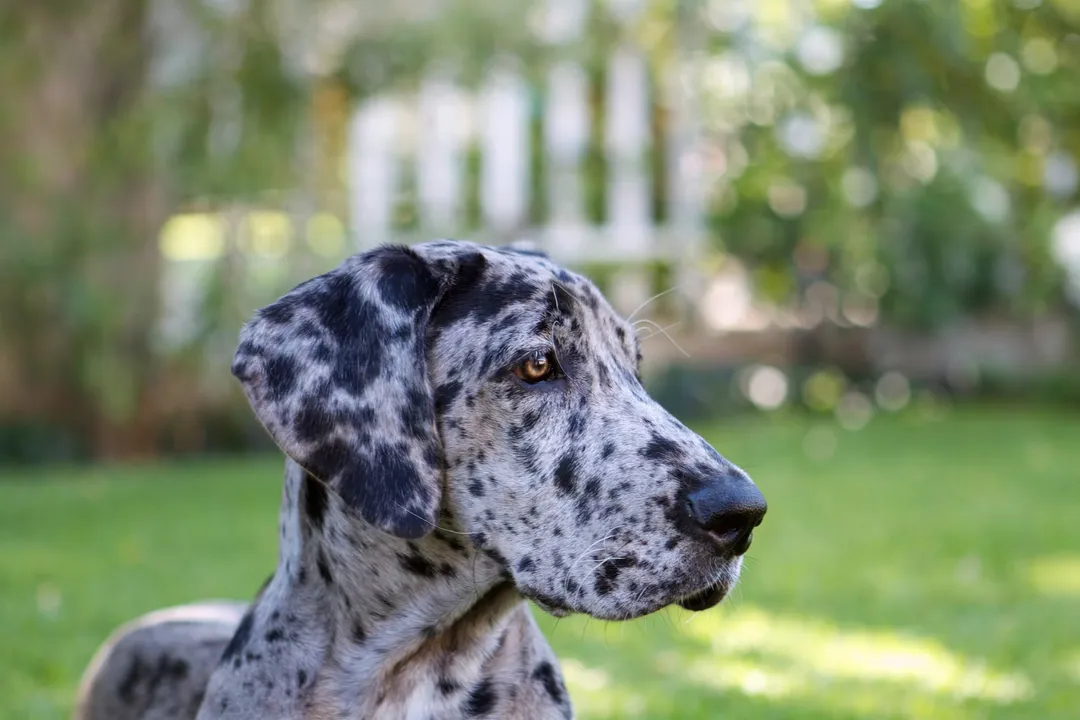
Some other variations exist, such as Merle (Grey Merle or Grautiger), which, depending on the specific standard organization, may be acceptable but less desirable, or even a disqualification in some contexts. It is important to note that while color is part of the breed standard for conformation shows, responsible breeding prioritizes temperament and health over coat pattern.
# Final Considerations
The Great Dane is fundamentally a product of its classification as a Working Giant. Its historical purpose drove the creation of its imposing physical stature, which in turn dictates its specific, elevated care requirements, including specialized nutrition and careful monitoring for large-breed related diseases. The Dane succeeds best in an environment where its immense size is accommodated, and its deep need for human companionship is met. Owners must be prepared for the commitment associated with a relatively shorter lifespan but gain a dog described as the "mighty Apollo of Dogs"—a gentle, courageous, and deeply loyal family member. For those seeking a massive companion whose presence is felt as much as their affection is given, the Working Group giant offers a unique bond.
Related Questions
#Citations
Great Dane - Wikipedia
Great Dane - Dog Breeds - American Kennel Club
Great Dane | Breeds A to Z - The Kennel Club
The Great Dane - Pet Health Network
Great Dane - The Westminster Kennel Club
Great Dane Dog Breed Health and Care - PetMD
Breed Spotlight: the Great Dane - Continental Kennel Club
Great Dane Dog Breed Information | Purina
Breed-related disease: Great Dane - Bioguardlabs