Where do furrow bees live?
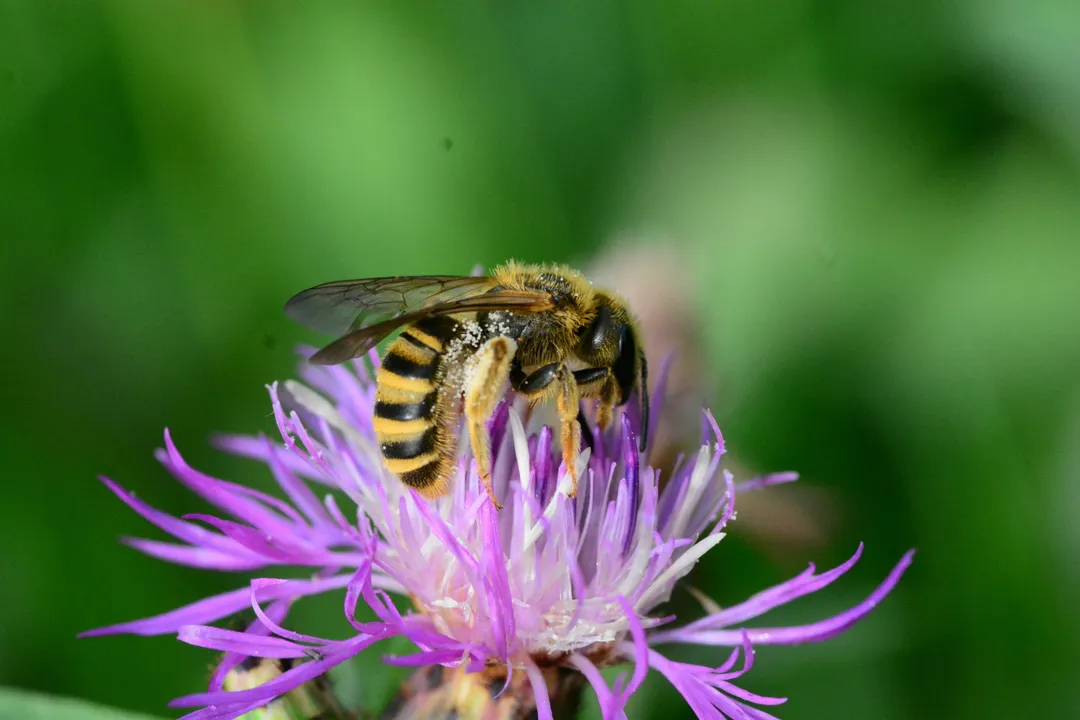
The primary residence for furrow bees, members of the Halictus genus and part of the larger Halictidae family often called sweat bees, is decidedly beneath the surface. These insects are renowned for being ground-nesters. [1][2][5][7] Unlike honeybees that reside in hives or bumblebees that often build nests in leaf litter or abandoned rodent cavities above ground, the majority of furrow bee activity centers on excavating tunnels directly into the earth. [1][6][7] This subterranean lifestyle dictates where we might encounter them, though the specific choice of location can vary based on species and local conditions. [3]
# Ground Nests
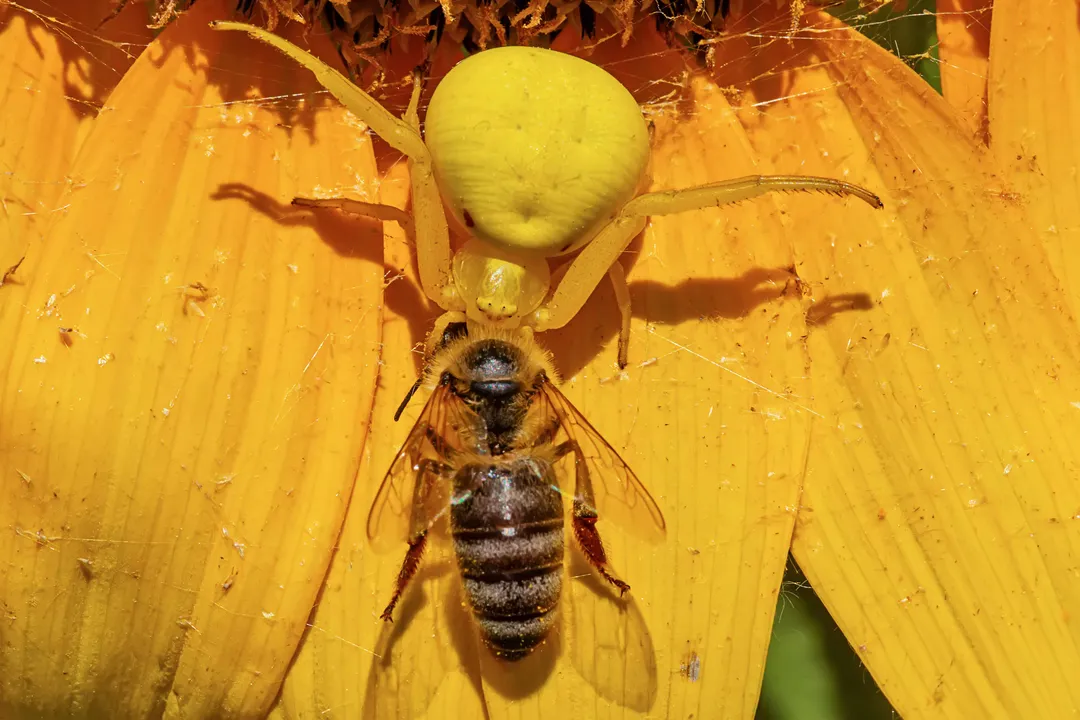
The nest itself is usually a simple burrow, often appearing as a small, distinct hole in the soil. [6] For many solitary furrow bees, the female is entirely responsible for excavating this home, provisioning it, and sealing it once her brood is laid. [1][9] This contrasts sharply with the large, often complex, perennial nests of social insects. Furrow bee tunnels are typically vertical shafts dug into the soil surface. [9] While the appearance of the entrance might be unremarkable—just a small opening—the internal structure is quite organized, involving side tunnels and individual cells where the eggs are deposited along with provisions of pollen and nectar. [7]
# Soil Preference
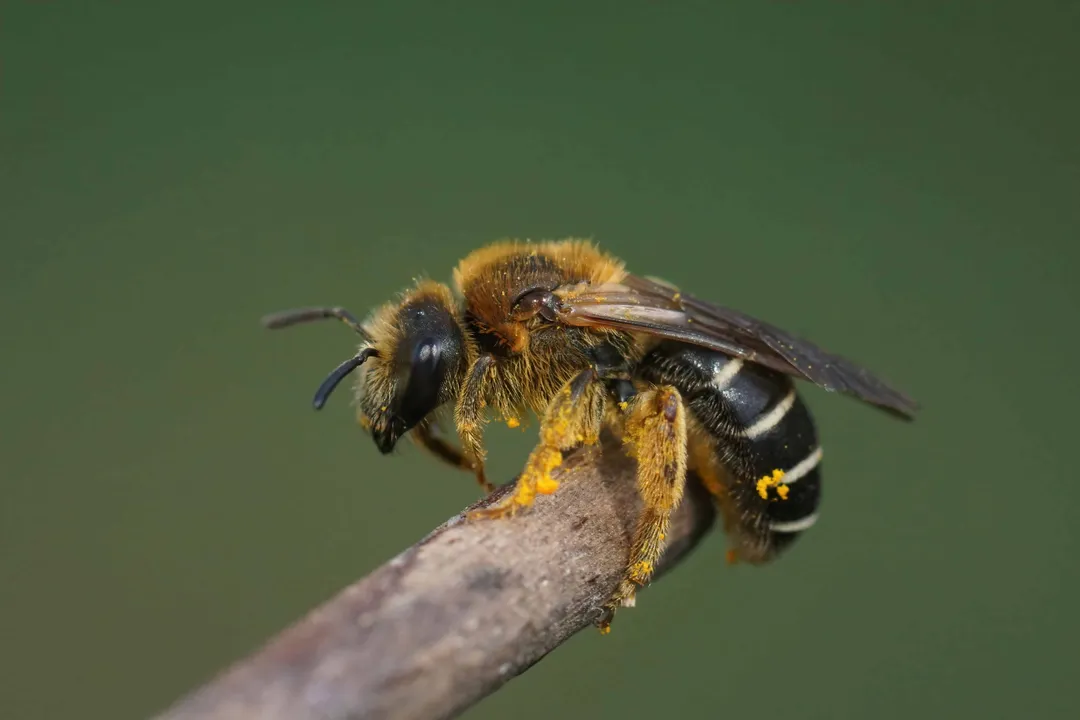
The type of soil dictates the viability of a nesting site, making texture and drainage critical factors in determining where these bees choose to settle. [3][6] Furrow bees generally favor areas with loose, well-drained soil. [6] Sandy or loamy soils are frequently mentioned as ideal substrates for their digging efforts. [3][5] This preference makes sense from an engineering perspective; soil that is too compact (like heavy clay) is difficult to excavate, and soil that retains too much water can lead to catastrophic flooding inside the nest tunnels, drowning the developing larvae. [7] If you picture a garden bed with rich, fluffy topsoil, that is often the preferred environment. They are rarely found nesting in hard-packed walkways unless the surface has broken down enough to allow penetration. [2]
It is interesting to note the subtle balance required for successful excavation. If the substrate is too granular, such as pure, dry sand, the tunnel walls may lack the necessary cohesion to remain open, leading to cave-ins. Therefore, the locations most frequently observed often represent a Goldilocks zone—soil that drains quickly enough to prevent rot but holds its shape long enough to support the vertical shaft and lateral brood cells. This often translates to finding them near the edges of gardens, under sparse vegetation, or along undisturbed banks where soil composition is just right. [2]
# Nest Reuse
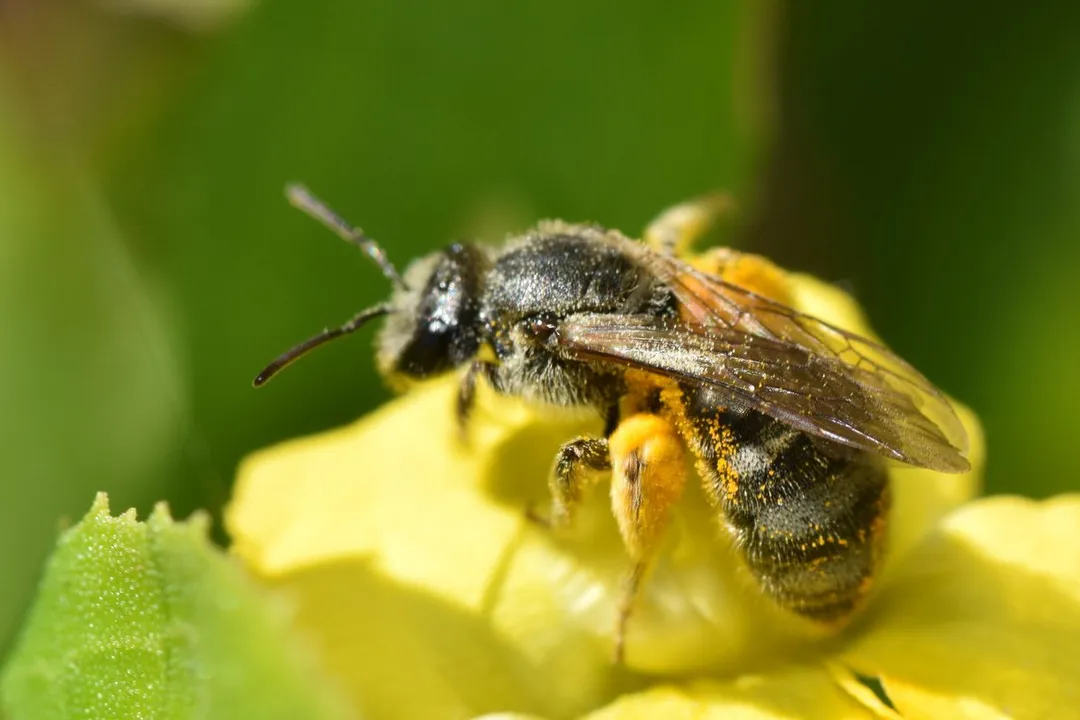
While many furrow bees dig their own homes, some species show a tendency toward opportunism, which influences their local density. [8] The Ligated Furrow Bee (Halictus ligatus), for instance, has been observed utilizing existing subterranean spaces. [8] This can include pre-existing tunnels made by other insects or even abandoned burrows originally dug by small rodents. [8] This behavior is particularly common in areas where the soil is marginally less ideal for initial digging or where disturbance is high, as repurposing a ready-made structure saves significant energy. [7] When they use an old rodent burrow, they will often modify the existing vertical shafts, lining them and partitioning them into the distinct brood cells characteristic of their species. [9]
The tendency toward nest reuse, especially by solitary or communally nesting species, can lead to the formation of bee aggregations. [6] While each female may be technically solitary in terms of provisioning her own young, they will nest close together in a favorable patch of ground. [3] If several females happen to find abandoned tunnels close to one another, you can end up with what appears to be a dense colony, even if the familial relationship between the inhabitants is loose or non-existent. [2]
# Social Space
The location question is further complicated by the varying levels of social organization found within the furrow bee group. [7] While many are strictly solitary, others exhibit communal nesting or even primitive eusociality (having a queen and sterile workers). [3][7] In these social or communal situations, a single, larger nest system is shared, meaning the distribution of entrances might appear less scattered than true solitary nesters. [9] When we consider the Halictus species in regions like Vermont, for example, some are known to have multiple females sharing a single nest entrance, leading to higher local density of activity in that specific patch of soil. [2]
A practical difference for observers lies here: solitary bees create their own individual, often scattered holes, [1] whereas communally nesting species might result in a patch of ground showing several closely spaced entrances, all servicing one larger underground complex. [2][9] This distinction isn't about where they live (still the ground), but how they organize their population within that ground space.
# Observation Tips
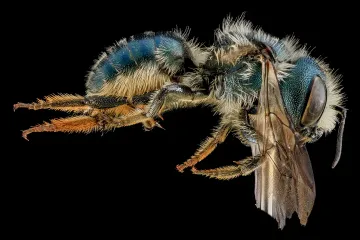
Understanding that these bees prefer bare, sunny, and relatively undisturbed soil provides clear guidance on where to look for them. [8] If you are trying to locate furrow bees, you are unlikely to find them deep within a dense, shaded thicket of established perennial plants or under a thick layer of mulch. [1][5] Instead, look for small bare patches in your yard, perhaps where grass struggles to grow, along the sunny edge of a patio, or on a slightly sloped, unmaintained dirt area.
When comparing furrow bees to other ground nesters, it is worth noting their relative impact on manicured spaces. Since many lawn-dwelling bees, like some mining bees, are surface-level foragers and nesters, they can sometimes cause concern in high-use turfgrass areas. [7] However, because furrow bees require exposed soil, they are far less likely to be a nuisance in a thick, well-maintained lawn. Their preferred habitat is usually the transition zone—the area where human activity or natural conditions create a patch of exposed earth, rather than the middle of a frequently walked-on footpath or a deep, overgrown flower bed. [5] They thrive where the soil is accessible and warm, which is why sunny, south-facing slopes are often prime real estate for these beneficial insects. [3]
Related Questions
#Citations
Furrow Bees | What Are They & Where Do They Live? - BeesWiki
Furrow Bees (Genus Halictus) | Vermont Atlas of Life
Furrow Bees - The Australian Museum
Halictus ligatus bee in northern Illinois - Facebook
Furrow Bee Insect Facts - A-Z Animals
Common furrow bee - Insect Week
Halictid Bees (Sweat Bees) - Missouri Department of Conservation
ligated furrow bee - Minnesota Seasons
Critter of the Quarter - Ligated Furrow Bee - Mt. View Sanitary District