Are carrion beetles rare?
The simple answer to whether carrion beetles are rare is decidedly complicated, resting entirely on which species you are observing. The vast family of beetles that feed on decaying flesh includes many common decomposers found across yards and fields worldwide. However, when people ask this question, they are often referring to one specific, ecologically significant member of that family: the American Burying Beetle (Nicrophorus americanus). This particular insect, large and distinctive, is anything but common; it is classified as federally threatened and is, in many areas, functionally extinct.
# Species Distinction
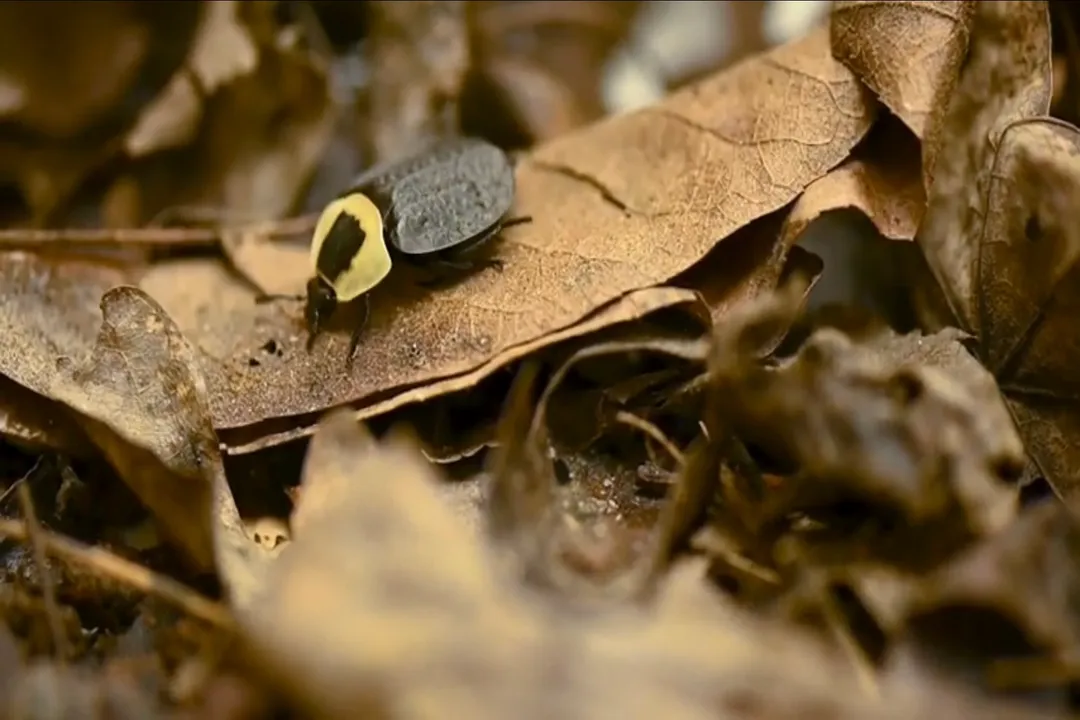
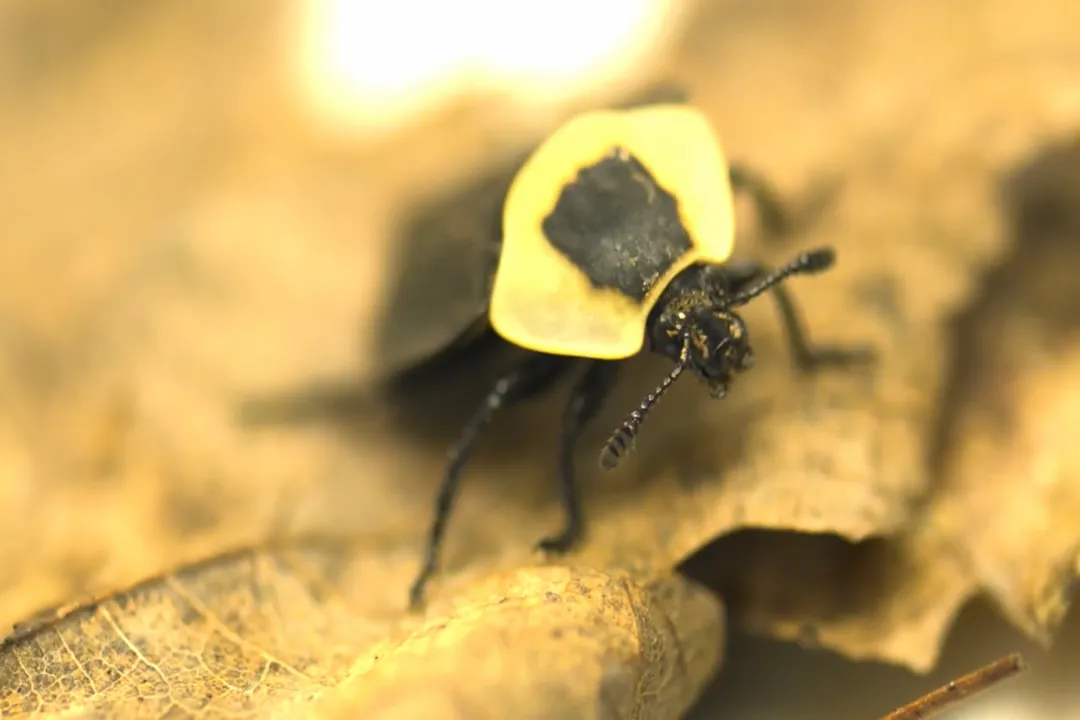
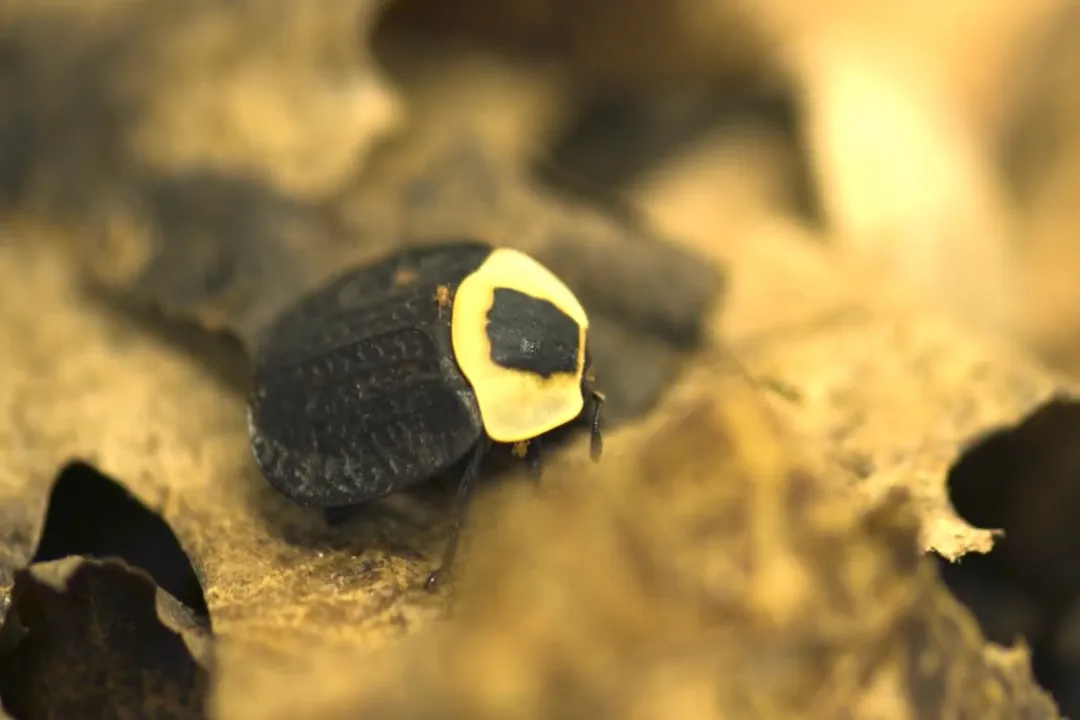
Carrion beetles, also known as burying beetles, possess a specialized and vital role in their ecosystems by efficiently dealing with vertebrate carcasses. While many scavengers might consume exposed remains, the Nicrophorus genus distinguishes itself through its remarkable reproductive strategy. Adult burying beetles are known for their impressive size, often reaching up to an inch in length, making them noticeable inhabitants of their habitat. They are typically shiny black, with some species exhibiting bright orange or red markings near the tips of their antennae.
The key difference between the common scavengers and the threatened species lies in this dedication to resource management. While generic carrion feeders may simply eat whatever is available on the surface, the American Burying Beetle actively transports and buries small to medium-sized dead animals, such as mice, shrews, or small birds, to provision their young. This behavior is unusual and complex, involving both parents working together. This level of investment means that finding a healthy breeding pair or successful brood is an increasingly rare event, especially when compared to their historical prevalence.
# Range Contraction
Historically, the American Burying Beetle enjoyed a wide distribution across the eastern and central United States. This range once spanned from southern Maine down to Georgia and west to areas like Oklahoma and South Dakota. Today, that picture is drastically different. The beetle has disappeared from large portions of its former territory, leading to localized extirpation across many states.
Its current known populations are fragmented and significantly reduced, clinging to survival primarily in a few pockets. For instance, documentation suggests that while the species was once found throughout Maine, its presence there is now extremely limited, making any sighting a noteworthy event for local naturalists. This sharp decline in geographic reach is the most concrete evidence that the American Burying Beetle is indeed rare, regardless of the common status of its less specialized relatives. The contraction is so severe that it prompts legal protection, as the species has been listed as federally threatened.
If one were to review older ecological surveys or historical collections, the sheer abundance of N. americanus documented across the Midwest and Northeast would shock contemporary entomologists. It suggests that its disappearance wasn't gradual but rather a relatively rapid ecological collapse in many regions, leaving only isolated strongholds where the specific combination of habitat quality, food source availability, and low predation pressure allows them to persist.

# Parental Care
The rarity of Nicrophorus americanus is particularly poignant given its sophisticated life cycle. After securing a carcass, the adult beetles work in concert to remove feathers or fur, often rolling the carcass to soften it, and then digging a shallow grave beneath it to bury it entirely. This act of burial serves several crucial functions: it conceals the food source from other scavengers and parasites, and it creates a controlled, protective environment for the eggs and developing larvae.
The female beetle lays eggs near the buried prize, and upon hatching, the tiny larvae feed on the prepared carrion. Remarkably, the parents continue to care for the developing brood, providing regurgitated food and even guarding the burial site against other insects or competing beetles. This dedicated, biparental care system is energetically demanding, which makes the successful completion of the breeding cycle contingent on undisturbed, high-quality resources. The loss of suitable habitat or the disruption of the small mammal populations they rely on directly impacts their ability to reproduce successfully, thereby contributing to their rarity.
It is interesting to note that while many insects lay thousands of eggs hoping a few survive, the burying beetle invests heavily in fewer offspring. If you are surveying an area where you suspect they might be present, remember that they are subterranean workers; look not for surface activity, but for very small, recently disturbed patches of soil where a creature the size of a vole might have disappeared overnight—that subtle sign of digging is a better indicator than just observing the general mess left by other scavengers.
# Conservation Status
The federal designation of the American Burying Beetle as threatened under the Endangered Species Act reflects the serious concern over its population decline. This listing triggers specific protections aimed at preventing further losses and encouraging recovery. Legal decisions have upheld this threatened status, reinforcing the conservation mandate for federal agencies and landowners in critical habitats.
The causes cited for this decline are varied and interconnected, pointing toward broad environmental changes rather than a single factor. These factors include habitat fragmentation, loss of appropriate carrion resources due to changes in predator/prey dynamics, and perhaps increased pesticide use or collection pressure. The beetle requires large, contiguous areas of undisturbed woodland with ample supply of small mammal carrion to thrive, making suburban sprawl and agricultural intensification particularly detrimental.
# Common Feeders
To clarify the distinction: the general category of carrion beetles is not rare. Many other species within the Necrophila genus, for example, are common players in decomposition across lawns, fields, and forests. These beetles are essential natural recyclers, often seen swarming near dead animals on the surface. Their life cycle is typically faster and less dependent on resource concealment or parental provisioning.
If you see a beetle feeding on a dead animal in your yard today, it is most likely one of these widespread, ecologically successful species, not the critically rare N. americanus. The threat is specific to the specialist that requires burial and dedicated parental defense. Understanding this separation—between the common, generalist scavengers and the highly specialized, struggling American Burying Beetle—is key to understanding why the answer to the initial question shifts from "no" to a resounding "yes" depending on the beetle in question. The conservation efforts are focused precisely on protecting the few remaining ecosystems capable of supporting the needs of this unique, subterranean caretaker.
Related Questions
#Citations
American Burying Beetle (Nicrophorus americanus)
Mare about Carrion Beetles. The American burying ... - Facebook
Nicrophorus americanus - Wikipedia
Meet the American Burying Beetle - Working Lands for Wildlife
Carrion Beetle | 50 Facts You May Not Know - South Carolina ETV
Endangered American Burying Beetle Update
Court backs threatened status for beetle species - The Wildlife Society
Burying (Carrion) Beetles: Identification, Facts & Control Tips
The critically endangered American Burying Beetle. Requiring ...