Are cantil snakes related to rattlesnakes?
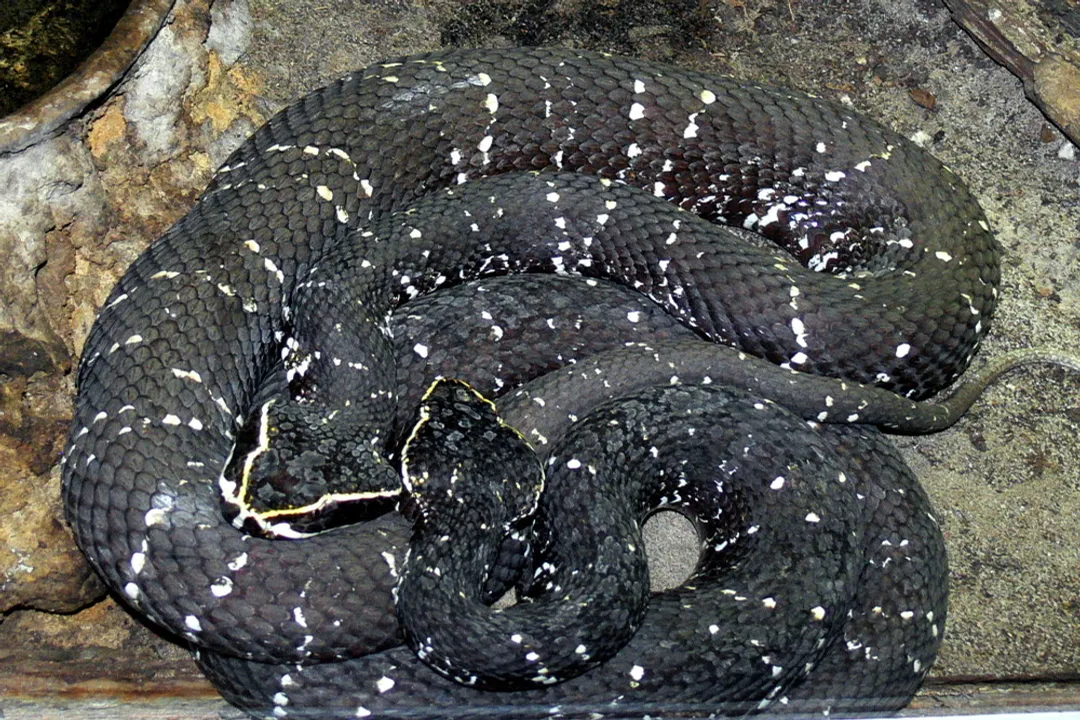
The connection between the Cantil snake and the rattlesnake is a fascinating one, rooted deep within the taxonomy of New World venomous snakes. While they share a common ancestry that places them both under the umbrella of pit vipers, they are distinct species, belonging to different genera, and occupying different ecological niches across the Americas. The simplest way to frame their relationship is that they are cousins, not siblings—both are members of the Crotalinae subfamily, often referred to as pit vipers, which is part of the larger Viperidae family. This shared heritage explains why both groups possess the characteristic heat-sensing pits located between the eye and the nostril, a tool critical for locating warm-blooded prey.
# Snake Kinship

Both the Mexican Cantil, scientifically known as Agkistrodon bilineatus (though it is sometimes referenced under the genus Agkistrodon generally, or specifically Agkistrodon bilineatus depending on the specific sub-species discussed in conservation literature), and the various species of rattlesnakes (Crotalus and Sistrurus genera) fall into the group known as pit vipers. This classification is key. Pit vipers are distinct from Old World vipers because of their unique facial sensory organs. Within this family structure, however, the evolutionary lines diverge significantly based on morphology, geographic range, and specific genus grouping. The Cantil is closely related to other American Agkistrodon species, such as the Cottonmouth and the Copperhead, making it part of the "pitless" viper group if we consider the broader context of viper evolution, though this term is slightly misleading as they possess the pits. Rattlesnakes, on the other hand, form their own distinct lineage defined by their specialized tail appendage.
# Morphology Matters
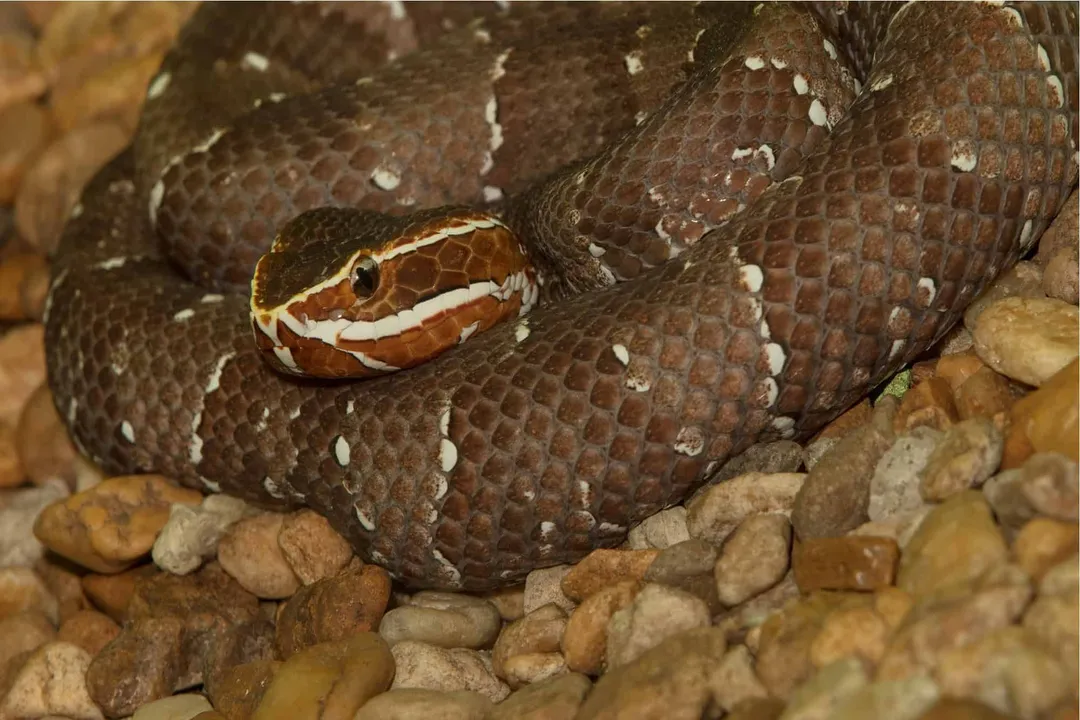
Visually, the differences between a Cantil and a rattlesnake are usually stark enough for a trained observer to tell them apart, provided the snake is seen clearly.
# Cantil Features
The Mexican Cantil is a venomous pit viper native to Mexico and Central America. Its appearance is often characterized by a somewhat heavy body and a distinctly broad, triangular head, typical of vipers. A key identifying mark for Agkistrodon bilineatus is often the presence of two dark stripes running along the sides of its head, from the eye back toward the jaw, which gives rise to its scientific name meaning "two-lined". Coloration can vary, but they are generally drab, featuring shades of brown, gray, or olive, often with darker crossbands or blotches that help them blend into leaf litter. Unlike rattlesnakes, the Cantil lacks the distinctive keratinous rattle at the end of its tail.
# Rattle Traits
Rattlesnakes are immediately distinguishable by the structure they are named for: the rattle, which is composed of interlocking, dry segments of keratin that produce a buzzing sound when vibrated. While the Cantil relies on camouflage or perhaps a sharp strike, the rattlesnake possesses this unique auditory warning system. Morphologically, rattlesnakes also possess the pit viper characteristics, but their body shape, scale patterns, and head proportions vary widely depending on the species, ranging from the large Western Diamondback to the smaller Massasauga.
To illustrate the scale differences, consider their skin texture. Both groups often have keeled scales, meaning each scale has a ridge running down its center, giving them a rough, non-glossy appearance. However, the feel of the scales and the overall body structure—the Cantil often being stouter for its length compared to many of the slenderer rattlesnake species—presents a clear visual contrast. The presence of the rattle is not just a defining feature; it is an evolutionary adaptation related to intimidation and defense in open environments, which differs from the defensive posture of a terrestrial ambush predator like the Cantil.

# Distinctive Habitats
The geographic separation between the two groups offers another clear distinction. Rattlesnakes, across their many species, inhabit a vast area stretching from southern Canada down through the United States and into South America. They are remarkably adaptable, found in deserts, forests, and prairies.
The Cantil, conversely, has a much more restricted range. It is primarily found in southern Mexico, extending down through Central America. The habitat preference leans toward moist, dense environments, such as lowland rainforests, humid forests, and tropical jungle areas. If you are hiking in the dry scrublands of Arizona, you are looking for a rattlesnake; if you are near a humid stream in Veracruz, you are in Cantil country.
Here is a comparison of their general ranges and habitat inclinations:
| Feature | Cantil (Agkistrodon bilineatus) | Rattlesnakes (Crotalus/ Sistrurus) |
|---|---|---|
| Primary Range | Southern Mexico, Central America | Broadly across North and South America |
| Habitat Type | Lowland rainforests, humid, dense cover | Deserts, prairies, forests, diverse terrain |
| Distinguishing Feature | Two lateral head stripes, no rattle | Keratinous rattle on the tail |
It is interesting to note that conservation efforts focusing on pit viper diversity in regions like Mexico often highlight the unique assemblage of species, with the Cantil genus (Agkistrodon) representing one key group distinct from the Crotalus rattlesnakes prevalent in the same geographical vicinity but often at different elevations or in different forest types.
# Venom Profiles
Both snakes are venomous, and both utilize hemotoxic venom, meaning their toxins primarily attack the circulatory system, causing tissue damage, swelling, and coagulopathy. However, the specific composition and clinical effects can differ, often correlating with their feeding habits and evolutionary pressures.
Research into viper venoms indicates that while the mechanism of action—the breakdown of proteins and disruption of clotting factors—is similar, the exact blend of enzymes varies significantly between genera. For the Cantil, its venom is medically significant, and bites require immediate medical attention, often involving antivenom administration. Bites from Agkistrodon species in general are known for causing severe local effects.
Rattlesnakes, with their wider variety of species, exhibit a broader spectrum of venom potency and composition, ranging from highly potent neurotoxins in some species to predominantly hemotoxic effects in others. The sheer diversity within the rattlesnake group means that generalizing their venom profile is difficult, whereas the Cantil, being a more geographically restricted species, offers a slightly more localized concern.
From a public health perspective in the areas where they coexist, one might observe a pattern where rattlesnake bites are statistically more common simply due to the wider distribution and human interaction in open habitats like the US Southwest. Conversely, a Cantil bite, though perhaps less frequent overall in global statistics, represents a significant medical emergency within its Central American range. The inherent danger is present in both cases, demanding respect and distance.
# Defensive Display Versus Warning
The most pronounced behavioral difference lies in their primary defense mechanism. Rattlesnakes have evolved the conspicuous rattle, which serves as an effective aposematic (warning) signal, often allowing them to avoid physical conflict entirely if the sound is heeded. The vibration of the rattle is a high-frequency sound intended to deter mammals who perceive it as a sign of danger—a predator might decide the energy cost of engaging is not worth the risk.
The Cantil lacks this acoustic alarm. Its defense relies more heavily on crypsis—blending into the dark, damp undergrowth—and then, if disturbed too closely, utilizing a rapid strike. While they may sometimes vibrate their tail end, it does not produce the distinctive, loud warning of a true rattle, meaning they might only be discovered when a potential threat is already within striking range. This difference highlights an evolutionary divergence based on habitat: camouflage and quick defense in dense cover versus long-distance acoustic warning in more open or semi-open terrain.
If we consider the predator-prey dynamics, a rattlesnake might use the rattle to scare off a large mammal passing by from several feet away. A Cantil, hidden in the leaf litter, has less time and space for such signaling; its survival strategy is built around not being seen until the last possible moment. This creates an interesting local safety difference; in areas where both might exist at the transition zones, recognizing the absence of a rattle on a viper-like snake should immediately signal a need for heightened caution, as that snake has no built-in 'stay away' sound.
# Evolutionary Divergence Within Pit Vipers
While both belong to the Crotalinae, their separation into distinct genera—Agkistrodon versus Crotalus/Sistrurus—signifies a long period of independent evolution that led to their current specialized forms. One area where this divergence is subtle yet important for herpetologists relates to reproductive strategies or perhaps subtle differences in hemipenis morphology, though broad descriptions focus on the external traits discussed. The evolutionary split occurred long enough ago that they are not considered closely related enough to interbreed or be grouped into the same genus, despite both relying on pit organs for hunting.
When examining the wider family tree, the Cantil group (Agkistrodon) generally occupies a taxonomic position that links it more closely to the Copperheads and Cottonmouths, forming a cohesive clade within the New World pit vipers. Rattlesnakes (Crotalus and Sistrurus), while also New World pit vipers, represent a distinct lineage that specialized heavily in the development of the rattle, a trait that appears to have evolved only within that specific radiation of snakes.
Understanding this relationship is vital not just for taxonomy but for conservation science. When researchers study the impact of habitat fragmentation on pit viper populations in places like Central America, they must consider the specific ecological needs of the Agkistrodon species, like the Cantil, which may be more sensitive to changes in humidity or forest canopy than their desert-dwelling rattlesnake cousins. The Cantil's reliance on moist lowland habitats makes it potentially more vulnerable to localized climate shifts than the highly adaptable, widespread rattlesnakes.
In essence, the Cantil and the rattlesnake are both successful examples of the viper body plan adapted to specific American environments. They share the venomous bite and the sensory pits marking them as pit vipers, yet one lineage developed the signature rattle and expanded across continents, while the other remained committed to the dense, dark, humid forests of the south, relying instead on stealth and direct confrontation when necessary. They are distinct chapters in the same venomous snake story.
#Videos
Mexican Cantil (Agkistrodon bilineatus) - YouTube
Related Questions
#Citations
Agkistrodon bilineatus - Wikipedia
Cantil Animal Facts - A. bilineatus, A. howardgloydi, A. russeolus, A ...
North American Reptiles - Rattlesnakes
Meet the Mexican Cantil! This fascinating venomous pit viper, native ...
A Guide to Identify Venomous Snakes in North America - Animal-Care
[PDF] Why Rattle, Snake? | bradley allf
[PDF] Cantils (genus Agkistrodon) are some of the most feared snakes in ...
Genus-wide comparisons of venom proteomes across Agkistrodon
Mexican Cantil (Agkistrodon bilineatus) - YouTube