Are camel spiders a type of scorpion?
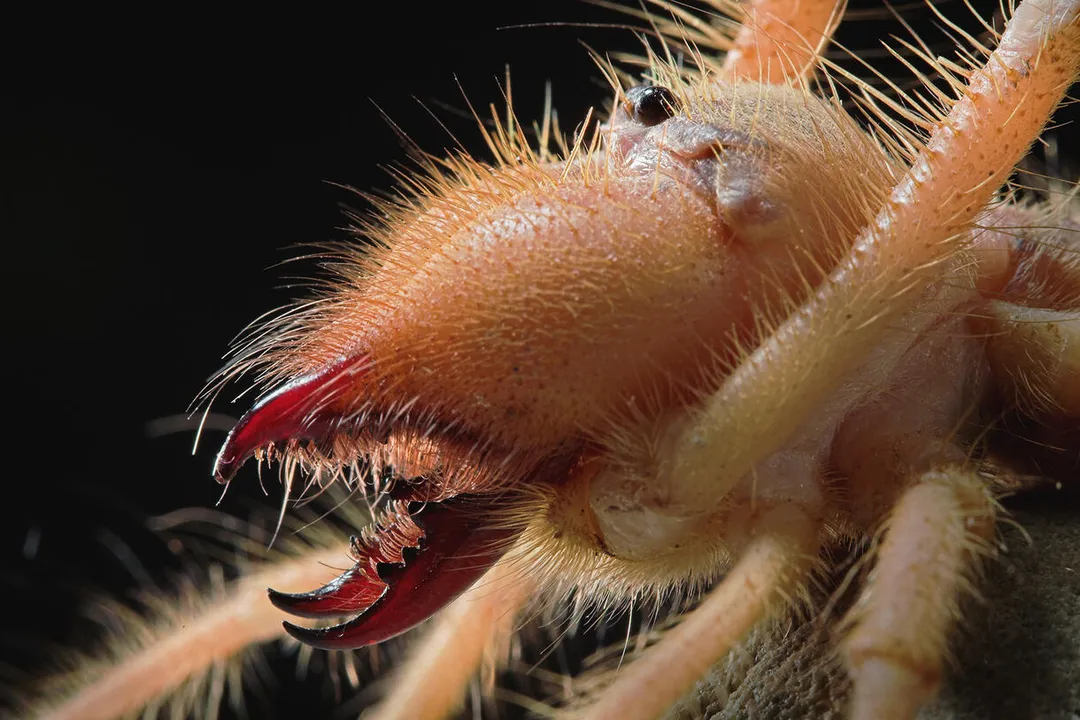
The camel spider belongs to the class Arachnida, a diverse group that also includes ticks, mites, scorpions, and true spiders, but to answer the primary question directly: no, the camel spider is not a type of scorpion. Despite often being called a wind scorpion or sun spider, the Solifugae—the order to which camel spiders belong—is recognized as a distinct lineage separate from the Order Scorpiones (scorpions) and the Order Araneae (true spiders).
# Arachnid Relatives
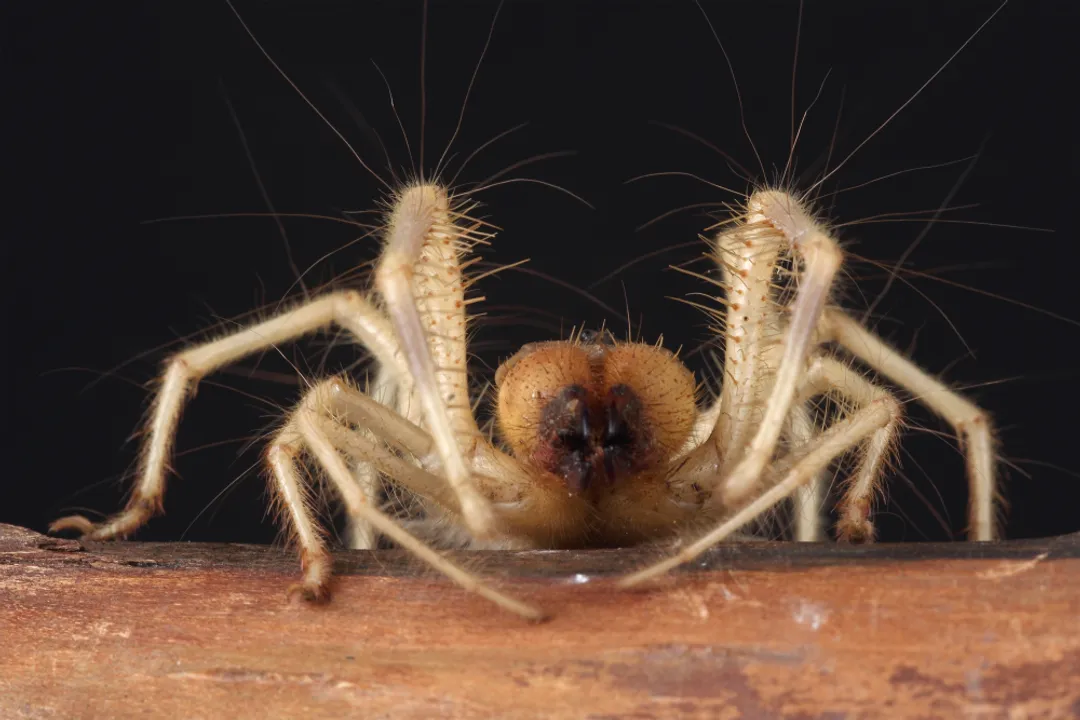
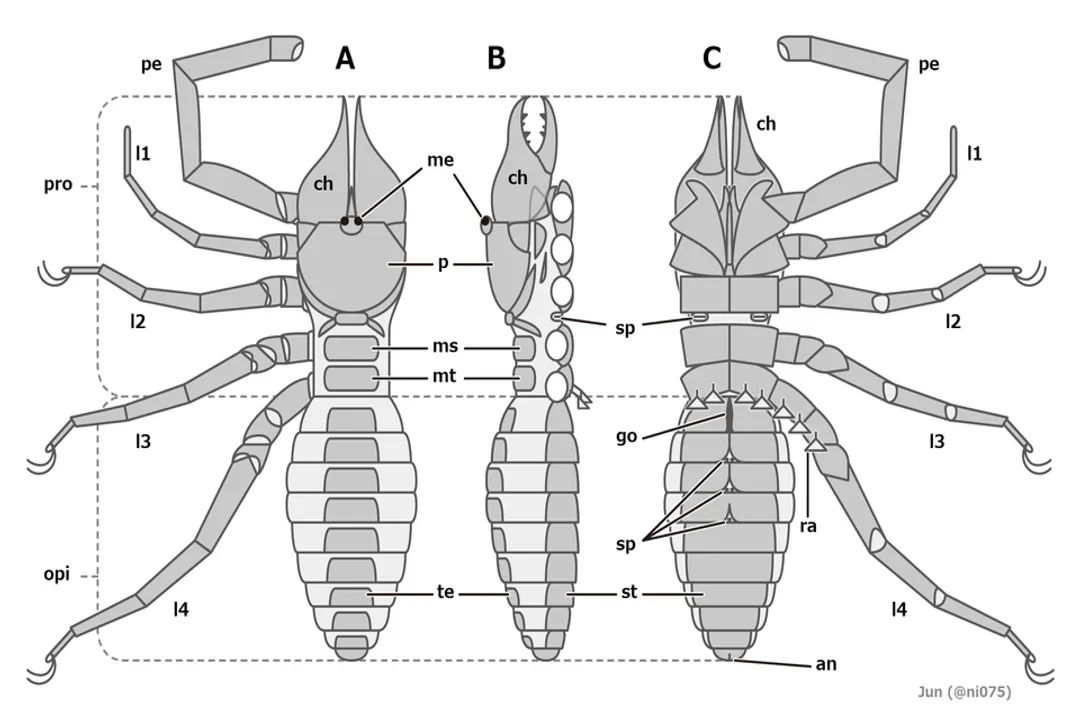
All three groups share the common ancestor that defines them as arachnids, meaning they possess eight legs and a body divided into two main sections: the prosoma (cephalothorax) and the opisthosoma (abdomen). However, the divergence points between these groups are significant, particularly in the specialized appendages and body structure that define their respective orders.
The primary confusion stems from their general appearance and presence in similar arid environments. Both scorpions and solifuges are often associated with desert life, and both are fierce predators compared to many sedentary spiders. Yet, a quick visual comparison reveals critical structural differences that taxonomists use to separate them.
# Three Groups Compared
The separation becomes clear when examining the defining characteristics of each group. For example, a scorpion is immediately identifiable by its segmented tail ending in a telson (stinger). Camel spiders, conversely, possess no such tail structure. True spiders, while sharing the two-part body, are distinguished by the narrow connection between these parts, called a pedicel, which solifuges lack. This anatomical difference reflects major lifestyle variations; the presence of the pedicel in spiders allows for the abdominal mobility necessary for spinning silk, which camel spiders cannot do as they possess no spinnerets.
| Feature | Order Solifugae (Camel Spiders) | Order Scorpiones (Scorpions) | Order Araneae (True Spiders) |
|---|---|---|---|
| Tail/Stinger | Absent | Present (Telson) | Absent |
| Pincers | Absent (Chelicerae are massive jaws) | Present (Modified pedipalps) | Absent (Pedipalps are usually small or function differently) |
| Silk Production | Absent (No spinnerets) | Absent | Present (Spinnerets) |
| Pedicel | Absent (Clear demarcation between body parts is lacking) | Absent | Present (Narrow connection) |
| Sensory Analogue | Possess malleoli (racket organs) | Possess pectines (comb-like organs) | N/A |
# Jaw Power Evolution
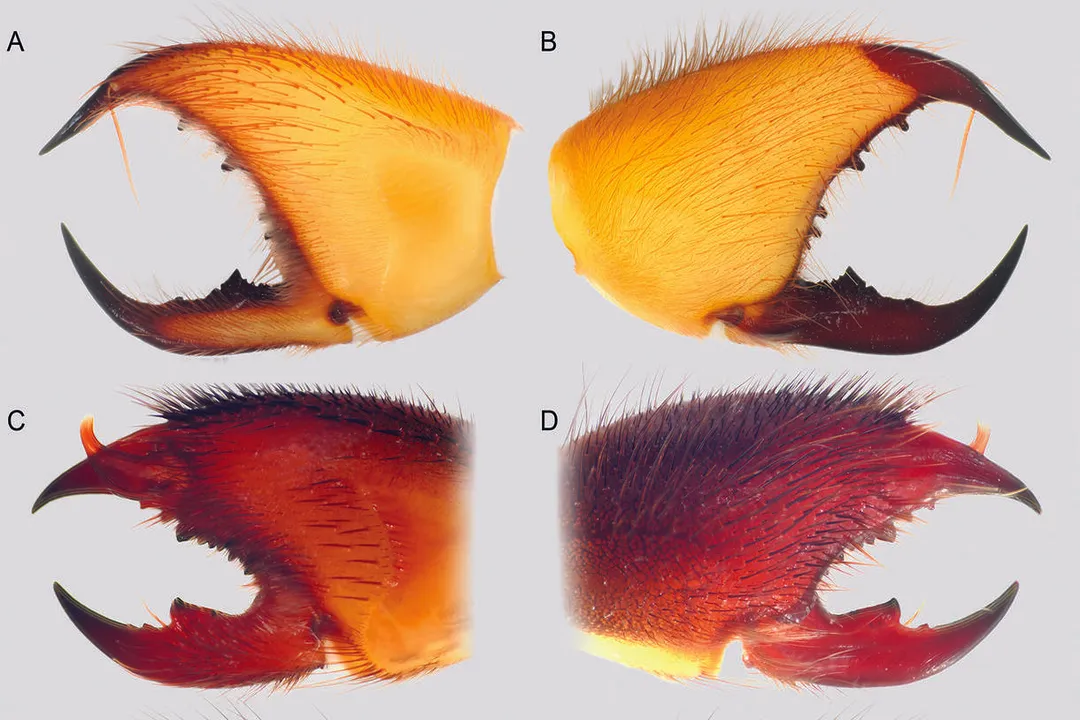
Perhaps the most striking difference—and one that has driven much scientific interest—is the size and function of the mouthparts. Camel spiders are notorious for their massive chelicerae, which act as powerful, pincer-like jaws. These jaws are so large that they are often longer than the rest of the animal’s prosoma (head/thorax section). Their relative size is considered exceptional; they are the largest chelicerae, proportional to body size, among all animals that possess these specialized mouthparts, including horseshoe crabs and sea spiders.
The sheer mechanical force of these jaws is what gives the camel spider its painful "bite". Because species identification in the order Solifugae often relies heavily on the intricate, species-specific structures on these jaws, researchers have had to create new, standardized terminology to classify them accurately. This intense morphological specialization suggests a significant evolutionary pressure favoring rapid, powerful mechanical processing of prey, differentiating their feeding strategy sharply from the venom injection and specialized biting seen in many true spiders.
# Unique Appendages
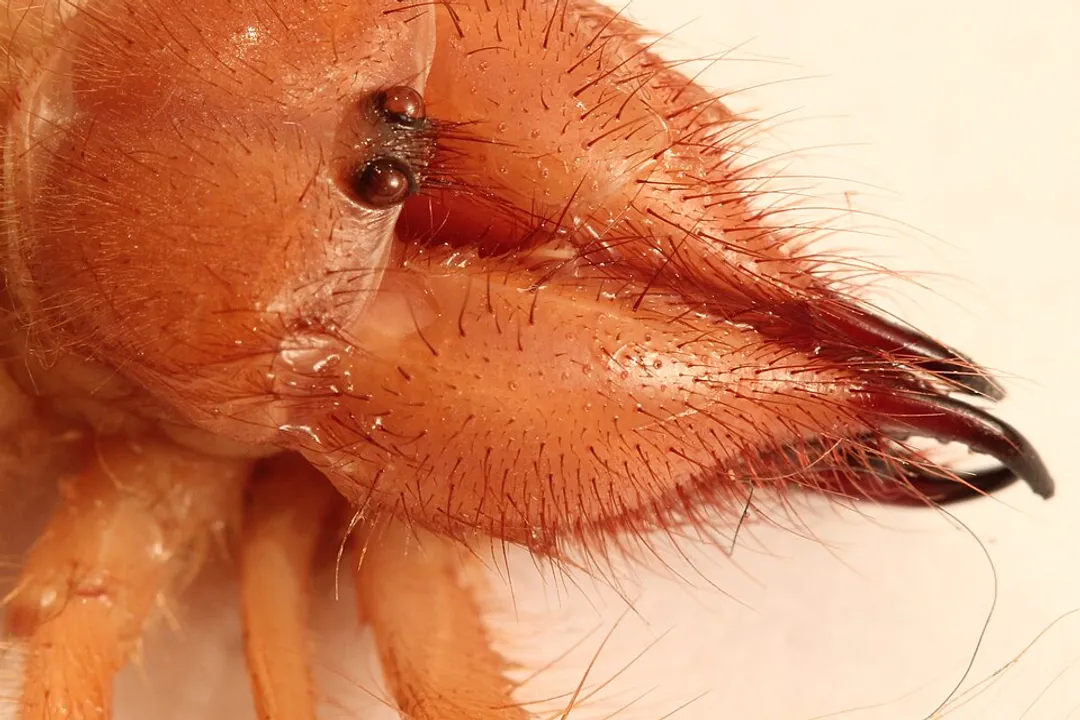
Beyond the jaws, other appendages help classify the solifuge and explain its high mobility. While they have four pairs of legs, like all arachnids, the frontmost pair is often not used for running. Instead, these anterior appendages function more like arms or antennae, feeling the ground ahead, often held out to detect obstacles and prey. The actual locomotion—the swift, wind-like movement that earned them their common name—is accomplished by the posterior three pairs of legs.
Furthermore, the solifuge possesses unique sensory organs on the underside of its hind legs, the malleoli or "racket organs". These fan-shaped structures function as chemoreceptors, providing a sense of smell or taste that aids in tracking. Interestingly, these organs are considered morphological analogues to the pectines found on the underside of scorpions, providing a fascinating point of parallel evolution within Arachnida, even though the two orders are not closely related enough to be confused taxonomically.
# Debunking Fierce Folklore
The camel spider’s reputation has been inflated by decades of oral tradition and viral internet images, particularly those shared by military personnel in the Middle East. These legends frequently claim immense size, terrifying speed, and aggressive attacks on humans or large mammals.
The reality is far less dramatic:
- Size: The largest specimens typically have a leg span of about 6 inches, with the body itself often being much shorter.
- Speed: While fast compared to many other invertebrates, their top speed is estimated around (), and some measurements show speeds far below that.
- Venom: Camel spiders are widely accepted as non-venomous. They lack the necessary venom glands and delivery apparatus like fangs or stingers. Any injury inflicted is purely mechanical trauma from the powerful jaws.
- Aggression/Sound: The assertion that they chase people aggressively is false; they are simply seeking shade from the sun or following prey—if you are moving, your shadow provides the cool cover they seek, making it appear as if they are following you. Furthermore, they do not "scream." Any sound heard is likely stridulation—a clicking noise made by rubbing their chelicerae together during displays of aggression.
Their name, Solifugae, literally translates from Latin as "those that flee from the sun," perfectly summarizing their behavior of hiding during the hottest parts of the day.

# The Predator's Diet
Camel spiders are carnivores and opportunistic generalists, feeding on whatever they can overpower. Insects form the bulk of the diet for most species, but they are known to consume other arachnids, including smaller solifuges and scorpions, as well as small vertebrates like lizards and birds. They employ stalking, chasing, or ambush hunting strategies, using their pedipalps to secure prey before crushing it with their jaws.
Unlike spiders that might inject venom to subdue prey, the solifuge’s method is purely physical and chemical preparation. After crushing the victim, they introduce digestive fluids, turning the solid meal into a "liquidized paste" that they then swallow. They are notably voracious eaters; a female preparing for egg-laying might consume an enormous quantity of prey in a short time, sometimes eating so much she is temporarily unable to move.
As an indicator of broader ecosystem health, observing camel spiders in your yard can be telling. Their presence signals a robust population of their preferred food sources—crickets, termites, and other ground-dwelling arthropods. If you notice an increase in solifuges, it might be an early sign that you have an underlying pest issue supporting their activity, suggesting that sealing entry points might only be a temporary fix if the food source remains abundant.
# Distribution and Survival
Solifuges are well-suited for life in dry, hot climates, thriving in deserts, shrublands, and arid grasslands across the Americas, Southern Europe, Africa, the Middle East, and South Asia. They are notably absent from Australia and Madagascar.
To cope with extreme conditions, they are often fossorial, meaning they create and inhabit burrows underground, or they may hide under rocks and vegetation during the day. They enter periods of dormancy, sometimes inaccurately called hibernation, in response to unsuitable conditions like cold or excessive rainfall. Their survival is intrinsically linked to the arid landscape, making them an ancient and highly adapted resident of dry ecosystems, entirely separate in their evolutionary path from the venomous scorpions they are so often compared to.
Related Questions
#Citations
Solifugae - Wikipedia
Camel Spiders in Arizona: Facts, Myths, and Identification Tips
Windscorpion / Home and Landscape / UC Statewide IPM Program ...
Camel Spider | National Geographic
Camel Spiders' Fearsome Jaws - American Museum of Natural History
Camel Spider: The World's Most Misunderstood Arachnid?