Can crested geckos eat any fruit?
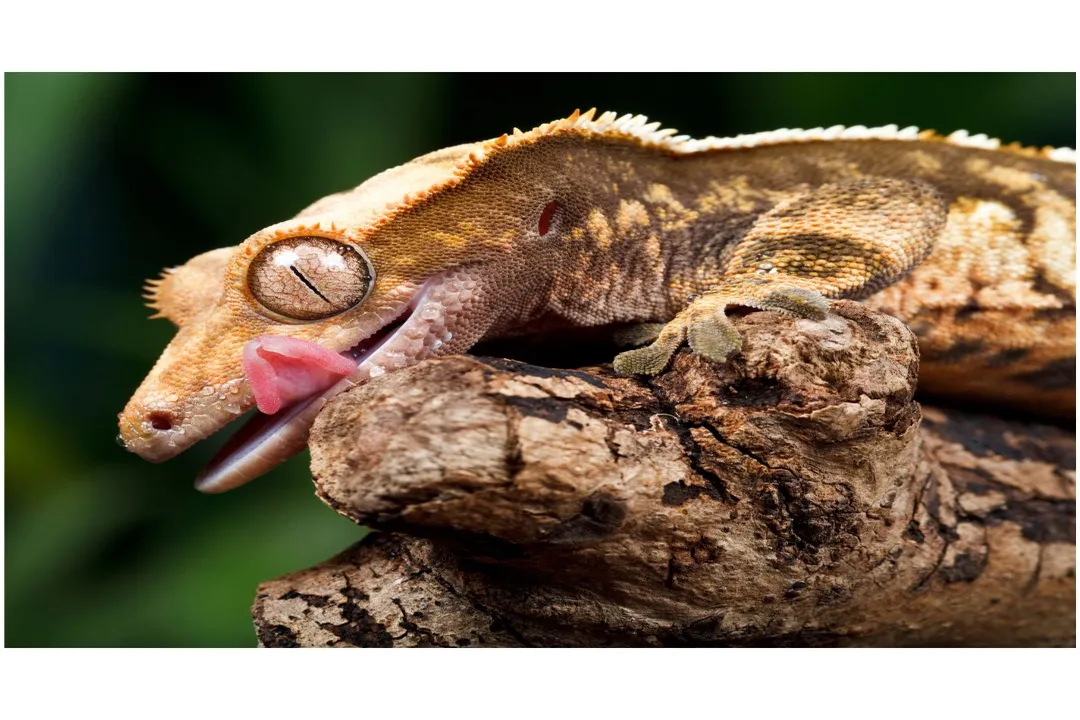
Crested geckos are known for their varied diets in captivity, often leading owners to wonder about the extent of what they can safely offer from the produce aisle. While these fascinating reptiles are omnivores, meaning they eat both insects and plant matter, the classification of "any fruit" needs careful consideration. Their natural diet consists of ripe fruit, nectar, pollen, and small insects, but simply mirroring what looks tasty to us isn't a complete feeding strategy for captive care. [2][5] The cornerstone of a healthy crested gecko diet should always be a commercially prepared, nutritionally complete meal replacement powder (CGD). [2][5] This powder provides the precise balance of proteins, vitamins, and minerals that the gecko requires daily to thrive, something that whole, unprocessed fruits alone cannot guarantee. [5]
# Diet Cornerstone
The commercial diet is designed to cover all nutritional bases. Think of the commercially available meal replacement powders, often referred to as CGD, as the gecko's staple meal, much like a balanced kibble is for other pets. [2] These manufactured foods were developed to replicate the nutritional profile of their wild diet, which includes the necessary sugars from fruit along with essential micronutrients found in pollen and nectar. [2] Because whole fruits lack crucial nutrients like calcium and Vitamin D3 in the correct ratios, offering them instead of the CGD is detrimental to long-term health and bone development. [5] Therefore, the question shifts from Can they eat fruit? to How often and what kind of fruit should supplement their complete diet?
# Fruit Selection
When providing fresh or frozen fruit, the goal is to offer variety and enrichment while ensuring the treat doesn't unbalance the animal's core nutrition. Many common, sweeter fruits are generally well-accepted by geckos. [5]
Safe options frequently mentioned include:
- Melons: Such as cantaloupe or honeydew. [2][5]
- Tropical Staples: Papaya and mango are often cited as excellent choices. [2][5]
- Soft Fruits: Overripe banana can be given sparingly. [5]
- Berries: Blueberries, raspberries, and strawberries can be offered in moderation. [5]
- Stone Fruits: Peaches, apricots, and nectarines, once pitted, are suitable. [5]
- Figs: These are also typically well-received. [5]
It is important to compare the listed "good" options across different established guides. For instance, ZenHabitats lists melons, papaya, and mango as great options, while ExoticDirect also includes softer options like apricots and peaches. [2][5] This consensus among reputable sources gives owners confidence when introducing these items.
# Avoided Produce
Conversely, certain fruits should be entirely avoided or offered with extreme caution due to their high acidity, sugar content, or potential toxicity. Citrus fruits, like oranges, lemons, and limes, are generally discouraged due to their high acid levels, which can irritate the gecko's digestive system. [5] Furthermore, items high in fat, such as avocado, should be excluded from the diet entirely. [5] While sources like community forums might show anecdotal evidence of geckos consuming almost anything, responsible husbandry dictates avoiding foods that offer little nutritional benefit or carry risks. [1] It’s also wise to skip fruits with large seeds or pits that could pose a choking hazard or cause internal blockage, such as whole grapes or large seeds from stone fruits. [5]
# Preparation and Frequency
How you present the fruit is almost as important as what you present. Since crested geckos do not chew large pieces, all fruit offerings must be prepared appropriately. This means mashing the fruit thoroughly or chopping it into very fine pieces to ensure easy consumption. [2][5] You must always remove any pits or seeds before feeding. [5] When mixing a fruit treat into the CGD slurry, a small amount, perhaps a teaspoon of mashed fruit for an adult gecko, is sufficient to add flavor and variety without displacing the necessary nutritional components of the base diet. If you are feeding a whole, small piece of fruit as a standalone treat (which should be infrequent), ensure it is appropriately sized for your gecko to manage safely.
Thinking about the balance, if an adult gecko eats its complete CGD four nights a week, adding a fruit treat on the fifth night serves as a pleasant variation. If you begin experimenting with introducing whole, safe fruits, consider starting with an item that has a good calcium-to-phosphorus ratio, even though CGD handles this balance, as a general principle for produce feeding. For example, while data on specific ratios in gecko food isn't always publicly available, in mammalian nutrition, one often looks for a 2:1 calcium to phosphorus ratio; applying this mindset—even if just as a heuristic—to selecting supplementary fruits that are naturally higher in certain minerals (like maybe cantaloupe over something known to be high in phosphorus) can guide your selection toward slightly better supplemental choices, even if the CGD is the primary source of this balance. [2]
# Digesting Sugar Load
One key consideration that goes beyond a simple yes/no list relates to sugar metabolism. Crested geckos naturally consume nectar, which is high in sugar, but this is part of a broader, wild diet that includes insects for protein and other plant materials. In captivity, feeding a diet overly reliant on very sweet fruits—even safe ones like very ripe banana—can potentially lead to an overload of simple sugars, which may contribute to obesity or digestive upset over time. [5] This reinforces the concept that fruit is an enrichment item, not a primary food source.
To manage this, you can establish a rotation schedule. Instead of offering the same favorite fruit every time you offer a treat, rotate through three or four acceptable options. For example, Week 1 is melon mash, Week 2 is a small piece of blueberry, Week 3 is papaya, and Week 4 is a break from fresh fruit altogether. This rotational approach ensures that the gecko receives a wider spectrum of minor phytonutrients present in different fruits and prevents an excessive intake of any single sugar type, promoting better overall dietary health than simply offering the geckos' favorite sweet item repeatedly. [5] This type of systematic variety builds better dietary habits than simply letting the gecko decide based on scent appeal.
# The Forum Perspective
When observing discussions among keepers, you notice a difference between what is ideal and what is practiced. While established care sheets emphasize the CGD base, forums often contain anecdotal successes with a wider array of soft, sweet fruits. [1] This provides the experienced keeper with context: if a gecko rejects a recommended fruit, trying another soft option is usually the next step, provided it falls within the generally accepted safe list. However, it is crucial to filter anecdotal success through the lens of nutritional science—a gecko eating something occasionally without immediate illness doesn't mean it is optimally healthy long-term. [1] If a gecko is noted to be picky, mixing a tiny amount of a safe, rejected fruit into their regular CGD can sometimes encourage acceptance over time, leveraging the established flavor of the base diet.
#Videos
Do Crested Geckos Like REAL FRUIT ? - YouTube
What NOT To Feed Crested Geckos - YouTube
Related Questions
#Citations
Can Cresties eat fruits and veggies? : r/CrestedGecko - Reddit
Crested Gecko Complete Food Guide - Zen Habitats
Crested Gecko Diet: what to feed your crested gecko - ExoticDirect
Do Crested Geckos Like REAL FRUIT ? - YouTube
Essential Guide: What to Feed Your Crested Gecko - ABDragons
What Fruits do CGeckos like/can eat? - Geckos Unlimited
Crested Gecko Diet: What Fruits Are Safe for Your Pet? - TikTok