What not to feed crested geckos?
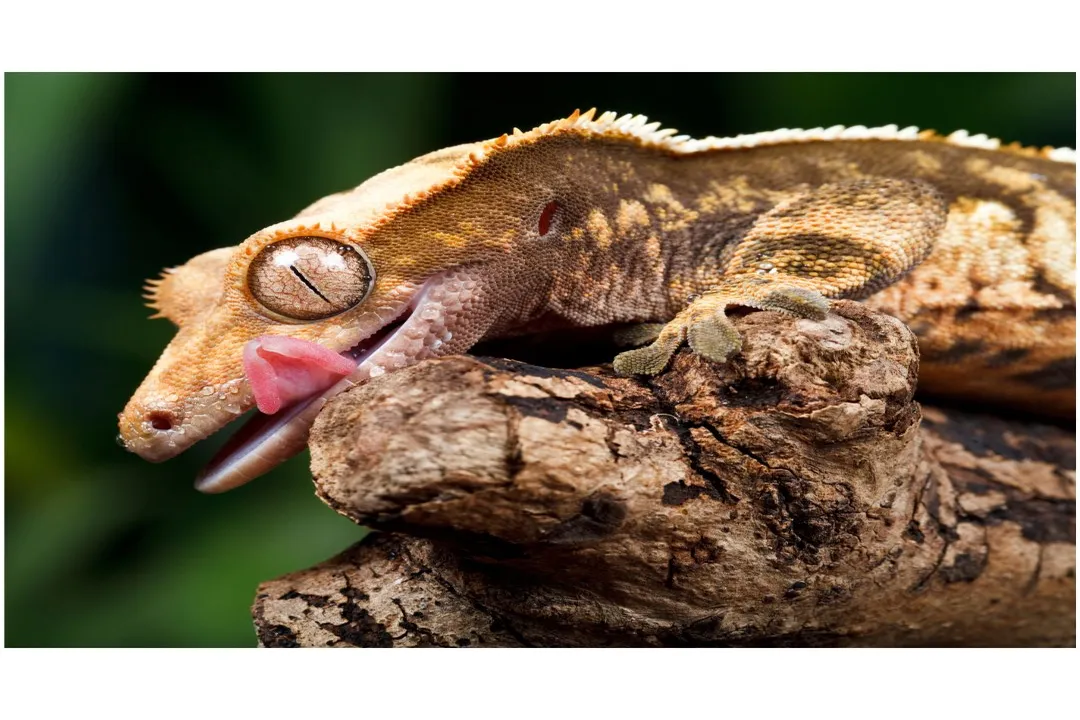
The health of your crested gecko hinges almost entirely on the quality and safety of its diet. While these fascinating little lizards are omnivores, they have specialized nutritional needs that differ significantly from household pets like dogs or cats. In the wild, they consume a variety of soft fruits, nectar, and insects, and replicating this balance in captivity requires diligence, especially when it comes to avoiding harmful or inappropriate items. [3][4] Understanding what not to feed is arguably more important than knowing the perfect staple mix, as a single wrong ingredient can lead to severe, even fatal, consequences like metabolic bone disease (MBD) or digestive upset. [9]
# Toxic Insects
The live insect component of a crested gecko’s diet needs careful curation. While insects provide necessary protein and chitin, not all bugs are created equal, and some are outright dangerous. [5]
The primary concern with feeder insects revolves around toxicity and nutritional imbalance. Never feed your gecko insects that have been found outdoors or captured from unknown sources, as they may have ingested pesticides, herbicides, or other environmental toxins that will pass directly to your pet. [4]
Insects that should be strictly avoided include most spiders, wasps, hornets, and ants, as these can sting or bite the gecko, causing injury or death, particularly in the digestive tract. [5] Certain types of beetles, especially ground beetles, should also be left alone due to potential toxins they release when crushed or eaten. [5] If you are ever unsure of an insect's source or species, err on the side of caution and do not offer it as food.
A significant issue arises when feeder insects are not properly gut-loaded—the process of feeding the insects nutritious food 24-48 hours before offering them to the gecko. [7] Even a perfectly acceptable feeder like a cricket, when starved or fed only vegetable scraps lacking in calcium, becomes a poor meal. If you feed your gecko a cricket that hasn't been gut-loaded with a calcium-rich diet, you are essentially feeding it a calcium-deficient insect, worsening the overall dietary balance of your pet. [9]
# Fruit Pitfalls
Crested geckos are often described as frugivorous, meaning fruit makes up a large part of their natural diet. [4] However, the term "fruit" is broad, and many common fruits pose risks due to high acidity, high phosphorus content, or low calcium-to-phosphorus ratios. [1][9]
Citrus fruits like oranges, lemons, limes, and grapefruits should be completely excluded from their diet. [1][4] The high acidity can cause stomach upset and potentially damage the delicate digestive system over time. [1] Similarly, fruits that are naturally very high in sugar, even if not acidic, should be heavily restricted or avoided entirely, as chronic overfeeding of sugar can lead to obesity and associated health issues. [1][9]
Consider the nutritional profile closely. Foods with a poor Ca:P ratio, where phosphorus significantly outweighs calcium, actively bind calcium in the gecko's body, leading to deficiencies even if calcium powder is being supplemented on other foods. [9] While specific lists vary slightly among keepers, it is wise to treat any fruit not explicitly approved as a staple or rare treat with suspicion. For instance, some sources caution against feeding too much banana due to its lower nutritional density compared to fruits like mango or papaya, though a small amount isn't usually fatal. [1]

# Vegetable Vexations
While fresh vegetables can provide hydration and micronutrients, they should never form the bulk of an adult gecko’s diet, which is best met by a complete commercial meal replacement powder (MRP). [3][7] Furthermore, certain vegetables must be avoided due to specific compounds or mineral imbalances.
Spinach and kale, for example, are high in oxalates, which can bind with calcium, making it unavailable for absorption, similar to the problem with acidic fruits. [9] While feeding these occasionally in a mix is generally considered safe by some keepers, relying on them or feeding them frequently is discouraged compared to low-oxalate greens like turnip greens or dandelion greens. [1][9]
Another category to avoid are the nightshade vegetables, which include tomatoes and peppers. While some keepers debate the toxicity of ripe tomatoes, it is safest to exclude them, along with all parts of the pepper plant, as they contain compounds that can irritate the gecko. [4] Avoid feeding any vegetable that is overly starchy or dense, as these are difficult for the gecko to digest compared to soft, ripe fruits. [3]
# Problematic Prepared Foods
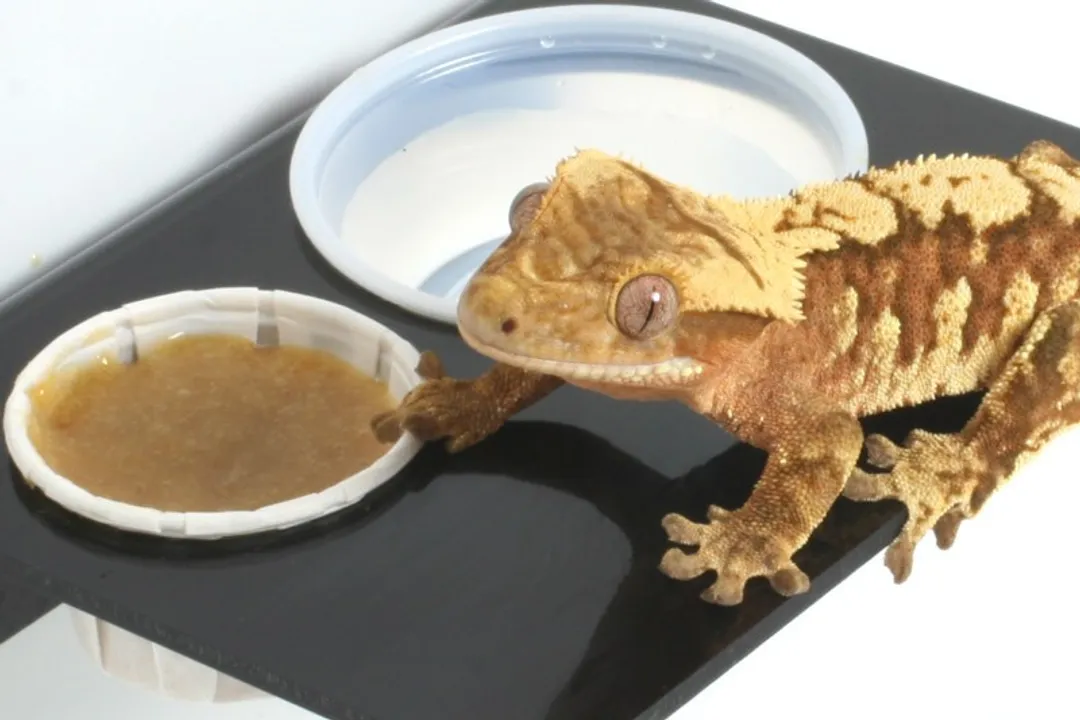
The foundation of a captive crested gecko diet is almost universally a high-quality commercial MRP, such as those produced by Pangea or Repashy. [7] These products are formulated to be complete, meaning they contain all necessary vitamins, minerals, and amino acids, including sufficient calcium and Vitamin D3. [7] The danger arises when keepers attempt to supplement these complete diets or substitute them incorrectly.
Do not feed your gecko standard baby food as a staple, especially if it is meat-based or contains preservatives. [4] While some fruit-based baby foods without added sugar or preservatives can be used as an occasional mix-in, they lack the precise balance of a complete MRP and can quickly lead to nutritional deficiencies if relied upon. [9] Never use human multivitamins intended for children or adults as a calcium or vitamin supplement for your gecko; the dosages are incorrect and can lead to hypervitaminosis (vitamin toxicity). [4]
If you are creating your own fresh mix, you must supplement it meticulously with a calcium powder that contains D3 and a separate phosphorus-free calcium powder, alongside a multivitamin. [3][9] If you fail to do this, you are essentially feeding a nutritionally incomplete diet. Simply mixing random fruits and vegetables without proper measurement of calcium and D3 supplementation is a recipe for MBD. [9]
# Water and Environment Hazards
While not technically food, the water source can present a silent danger if not managed correctly. Never use unfiltered tap water if your local supply is heavily chlorinated or has high levels of dissolved solids. [2] Chlorine is harmful to reptiles, and mineral buildup can cause digestive issues or kidney stress over time. Using purified, reverse osmosis (RO), or spring water is often recommended to eliminate these variables. [2]
It is also worth noting that any food item, even an approved one, should be removed from the enclosure promptly after being offered if it is not consumed. [4] Fresh food left to rot becomes a breeding ground for mold, fungi, and harmful bacteria that can sicken or kill your gecko. [4] This is particularly true for protein-rich items like insects that are left uneaten.
If you are offering any supplement powder—like calcium or multivitamin—sprinkling it lightly onto the food item is appropriate, but over-dusting leads to excessive intake of certain minerals, which is as dangerous as deficiency. [3][7] The goal is light coating, not burying the food item under white or yellow powder.
# Unsuitable Live Prey
When offering insects, even safe species like crickets or dubia roaches, the size of the insect matters immensely. Never offer an insect that is larger than the space between your gecko's eyes. [9] An insect that is too large presents a severe impaction risk; it cannot pass through the digestive tract and can cause a fatal blockage. [9] This risk is especially high for younger or smaller geckos.
In addition to size, consider the type of insect that offers little nutritional return. Waxworms, for example, are often called "fat bombs" because they are extremely high in fat and low in protein and calcium. [4] While they are sometimes used sparingly to encourage a very picky eater to eat something, they should never be a regular part of the diet, as excessive feeding can lead to fatty liver disease or obesity. [4][9] Mealworms are another common feeder that should be limited; they have a very hard exoskeleton (high chitin) which can be difficult for a crested gecko to digest, increasing the risk of impaction, particularly if they are on the larger side. [4]

# The Hidden Danger of Seed Oils and Supplements
A subtle but important area of what not to feed involves processed oils and inappropriate supplements. Crested geckos do not require dietary fats from sources like fish oil or flaxseed oil, which are sometimes recommended for other reptiles. [9] Their dietary needs are met through the balanced commercial diet and the fat content naturally present in feeder insects. [3] Adding pure oils to their diet can lead to digestive upset or nutrient absorption issues.
Furthermore, never dust insects with powdered reptile vitamins designed for animals with different needs, such as bearded dragons or tortoises. [4] For instance, bearded dragon supplements often contain much higher levels of Vitamin A, which can cause toxicity issues in a gecko accustomed to a lower requirement found in MRPs. [9] Stick to a high-quality gecko-specific multivitamin or rely solely on a balanced MRP that has this already incorporated.
Here is a quick reference chart contrasting some common "use with caution" items versus outright "avoid" items:
| Category | Item to Avoid (or Use Extremely Rarely) | Primary Reason for Avoidance |
|---|---|---|
| Fruit | Citrus (Lemons, Limes, Oranges) | High Acidity, Potential Irritation [1] |
| Fruit | Very high-sugar options (e.g., dried fruit) | Risk of Obesity, Imbalanced Sugar Load [1] |
| Vegetable | Spinach/Kale | High Oxalates, Calcium Binding [9] |
| Insect | Wild-caught, untreated insects | Pesticide/Toxin Risk [4] |
| Insect | Mealworms (as staple) | Hard Exoskeleton, Impaction Risk [4] |
| Supplement | Human Multivitamins | Incorrect Dosage, Vitamin Toxicity Risk [4] |
Thinking about the daily routine, one easy mistake to make, especially for new keepers who prefer fresh foods, is relying on any single source of nutrition. [3] If a keeper decides to make a fresh fruit blend for three days in a row instead of using their complete MRP for those days, they introduce an element of risk proportional to the nutritional gap in that specific blend. This is why the complete, balanced meal replacement powder, designed to meet all requirements, is considered the gold standard for staple feeding—it removes the guesswork about whether you’ve accidentally fed too much of one mineral and not enough of another. [7]
When considering live food, remember that the gecko is using the insect as a vehicle for nutrients. If that vehicle is empty—meaning the insect was not gut-loaded—the entire feeding attempt is wasted effort, and you are only providing empty calories and hard-to-digest chitin. [7] In a scenario where a keeper is trying to transition a picky juvenile from one type of manufactured diet to another, offering a perfectly gut-loaded, appropriately sized dubia roach might be the necessary bridge, whereas an improperly gut-loaded cricket could derail progress.
For water management, consider the placement of the water dish. While some keepers skip dishes entirely in favor of misting, [2] if a dish is used, ensure it is shallow enough that the gecko cannot drown, especially hatchlings. More importantly, check that the dish is not positioned directly under a plant or decoration that might drip stagnant, dusty, or moldy water into it throughout the day. Clean, fresh water must be accessible consistently, yet protected from environmental debris within the enclosure. [2]
#Videos
What NOT To Feed Crested Geckos - YouTube
Related Questions
#Citations
a helpful list of fruits you should and shouldn't feed your geck, based ...
What NOT To Feed Crested Geckos - YouTube
Crested Gecko Complete Food Guide - Zen Habitats
Essential Guide: What to Feed Your Crested Gecko - ABDragons
What bugs can't a crested gecko eat
Crested Geckos don't need crickets or bug to thrive - Facebook
Questions about Pangea Crested Gecko Diet Answered
Crested Gecko Food - ReptiFiles