Zokor Scientific Classification
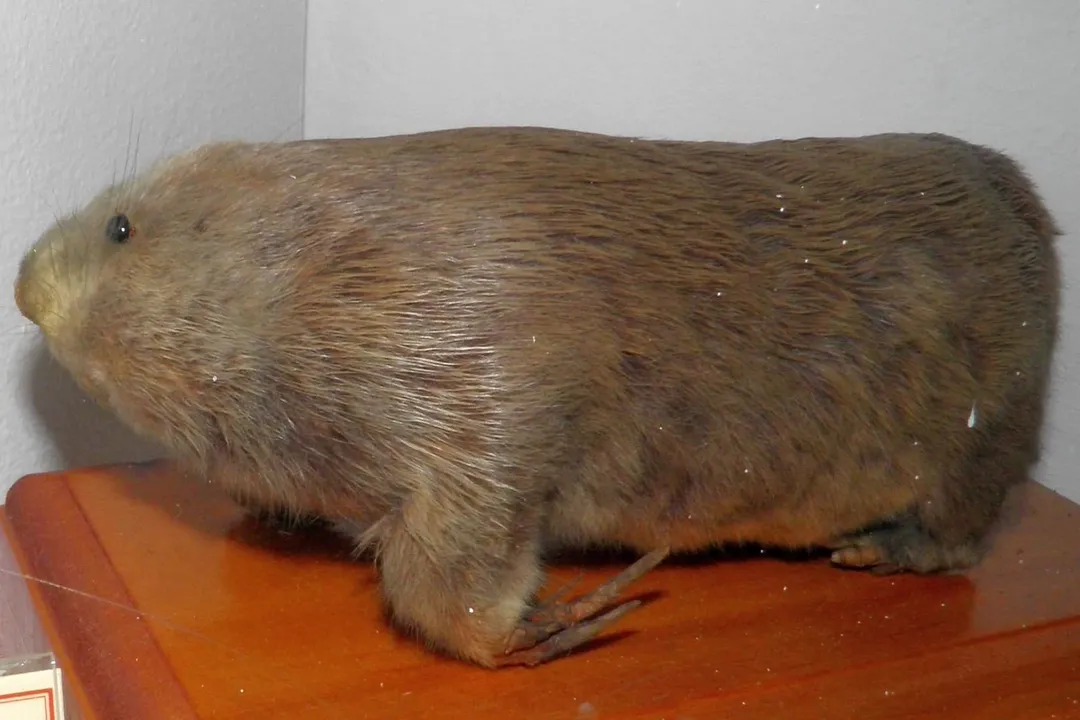
The placement of the Zokor within the grand scheme of life reveals a fascinating story of subterranean adaptation woven into the fabric of the rodent order. At the broadest level of recognition, these animals belong to the Kingdom Animalia, [5] signifying they are multicellular, heterotrophic organisms. They fall into the Phylum Chordata, [5] possessing, at some stage, a notochord, and are categorized within the Class Mammalia [5] due to characteristics like possessing fur, being warm-blooded (endothermic), [3] and nursing their young. [5]
# Rodent Order
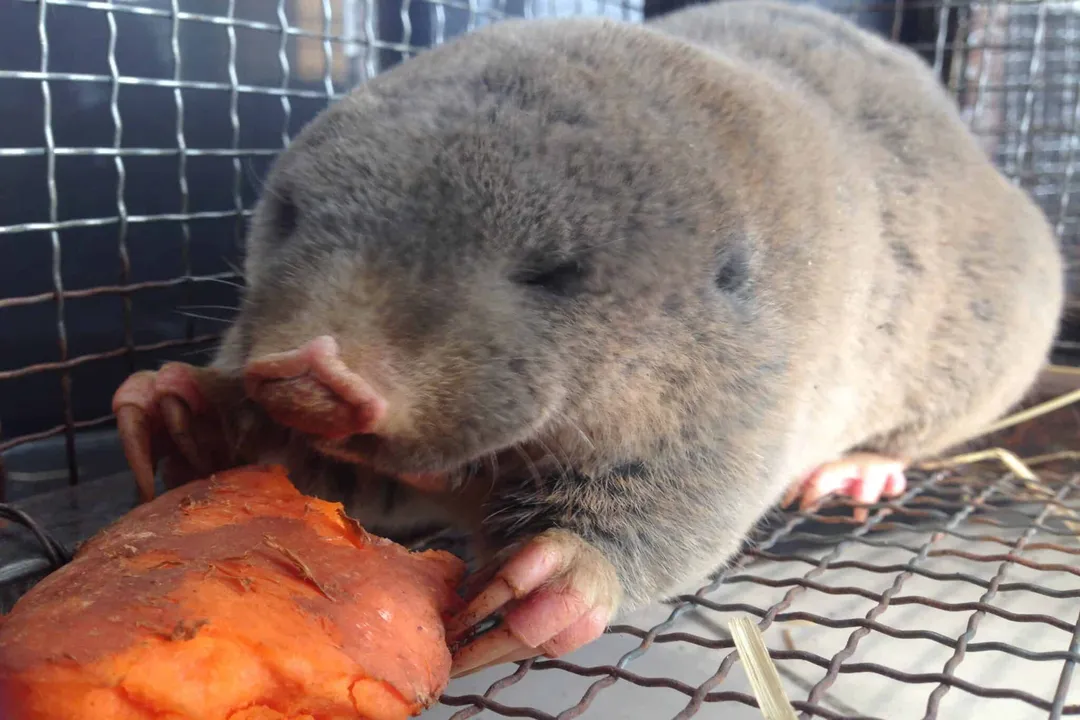
The Zokors are firmly established within the Order Rodentia, [2][3][5] placing them alongside shrews, squirrels, mice, and porcupines—the largest order of mammals. [7] Moving deeper into this order, they are part of the Suborder Myomorpha [1][7] and the Superfamily Muroidea, [1][7] a massive group that includes many of the world's common mice and rats.
The most instructive part of the Zokor classification concerns its family placement, which has seen scientific refinement over time. Modern molecular phylogenetic studies strongly place Zokors in the Family Spalacidae. [1][3][5] This family groups them with what are generally known as mole rats. [3] Historically, classifications sometimes suggested closer links to hamsters (Cricetinae) or voles (Arvicolinae). [4] Even one older systematic entry placed the Siberian Zokor (Myospalax myospalax) within the Family Muridae. [2] However, current consensus, driven by genetic evidence, refines this: Zokors are now recognized as being more closely related to the typical mole rats (Spalacinae) than to the root and bamboo rats (Rhizomyinae), though all three groups are sometimes considered related within the broader Spalacidae grouping. [4][6] This family placement is significant because it reflects a major evolutionary divergence within muroid rodents, separating deep burrowing forms like Zokors from non-burrowing lineages. [4][5] It is interesting to note that while other spalacids rely heavily on their powerful incisors for excavation, Zokors appear to prioritize their foreclaws for digging activity, a morphological distinction worth noting when studying fossorial specialists across this family boundary. [4]
# Subfamily Grouping
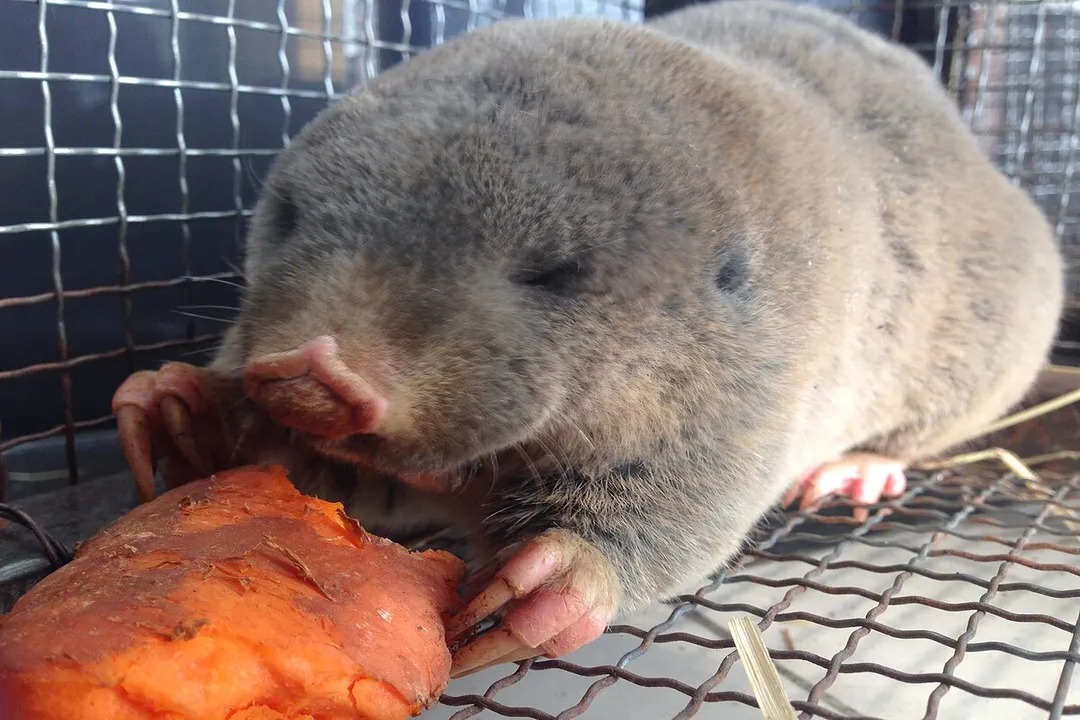
The Zokors collectively form their own distinct taxonomic unit at the subfamily level: Myospalacinae. [1][3][4][5][7] This grouping specifically targets these Asiatic, mole-like burrowing rodents. [3][4] Within this subfamily, a key point of historical and ongoing classification centers on the recognized genera. Currently, there are two living genera recognized: Myospalax and Eospalax. [3][4][5] Additionally, there is an extinct genus known from the fossil record, † Pliosiphneus, which dates back to the Late Miocene. [4]
The existence of these two living genera, Myospalax and Eospalax, reflects a primary divergence within the group. [6] Research using complete mitochondrial genomes suggests that these two clades correspond to two distinct morphological types of Zokors: the convex occiput type and the flat occiput type. [6] This structural difference in the back of the skull is used by taxonomists to delineate the genera, providing a tangible morphological correlate to the genetic split. The molecular findings offer a firm structure for the subfamily, despite the sometimes confusing convergence of traits due to their similar underground lifestyles. [6]
# Genus Species
The six currently living species of Zokor are distributed between the two recognized genera, Myospalax and Eospalax. [5] The specific species within each genus have geographic distributions stretching across China, Kazakhstan, and Siberian Russia. [4][5]
# Myospalax
The genus Myospalax is home to species often associated with the steppes and broader Asian regions. [4] This group includes, but is not limited to:
- Myospalax myospalax: Known widely as the Siberian Zokor or Altai Zokor. [1][4] This species inhabits steppes and forest-steppes, often reaching high mountain meadows. [2]
- Myospalax aspalax: Referred to as the False Zokor or Steppe Zokor. [1][4]
- Myospalax psilurus: Often called the Transbaikal Zokor or North China Zokor, and also the Manchurian Zokor. [1][4][7]
# Eospalax
The genus Eospalax appears to contain the species more closely associated with Chinese ranges, including those found at higher elevations on the Tibetan Plateau. [5] The recognized species include:
- Eospalax fontanierii: Known as the Common Chinese Zokor or Plateau Zokor. [1][5] Studies on this species show that its internal divergence might be linked to the uplift of the Qinghai-Tibet Plateau event around 3.6 million years ago (Ma). [6]
- Eospalax rothschildi: Named the Rothschild's Zokor. [1][4]
- Eospalax smithii: Designated as Smith's Zokor. [1][4]
It is worth noting that taxonomy is a living science, and historical uncertainty has existed. For instance, M. psilurus has been tentatively retained in Myospalax pending more complete revisions, suggesting that genetic work may shift species between genera or even lead to the re-establishment of older names, like Siphneus, in the future. [7]
# Evolutionary Pathways
Understanding the classification involves appreciating the timescale of their evolution. Zokors have a temporal range extending from the Late Miocene period up to the present day. [4] Molecular divergence time estimations suggest that the split between the Eospalax lineages occurred approximately 3.71 million years ago. [6] This timing is remarkably close to the estimated impact of the Qinghai-Tibet Plateau uplift event (around 3.6 Ma), suggesting that significant geological and associated ecological changes may have been a driving force behind the divergence of these burrowing specialists into their current genera. [6]
The general body plan of the Zokor—cylindrical, gray to buff fur, tiny eyes covered by fur, and short limbs with powerful feet—is a clear product of its fossorial, or burrowing, lifestyle. [3] This convergence in appearance with other mole-like mammals, even those outside the Spalacidae family, is a prime example of how similar ecological pressures shape unrelated lineages toward similar forms. [4] However, the definitive classification within the Spalacidae family, supported by genetic markers like the Cytb gene, confirms that despite the superficial similarities to other groups, their true ancestry lies with the mole rats. [6] The continued study of their classification, moving from morphology to molecular sequences, provides greater accuracy, moving past historical grouping errors like assignment to Muridae, and settling them in a lineage defined by deep underground existence. [2][6] The classification, therefore, is not just a list of names, but a map reflecting deep-time adaptation to an environment few other mammals regularly inhabit.
Related Questions
#Citations
Zokor - Wikipedia
Myospalacinae (zokors) | INFORMATION - Animal Diversity Web
Zokor Animal Facts - A-Z Animals
Pests - Myospalax myospalax Laxmann - Siberian Zokor, Mole-rat
Taxonomy and Phylogenetic Relationship of Zokors - PubMed
Myospalax psilurus • Manchurian Zokor
Myospalacinae - Explore the Taxonomic Tree | FWS.gov
Myospalax - Mindat