Zebu Diet

The remarkable adaptability of the Zebu, characterized by its distinctive hump and large dewlap, is deeply rooted in its nutritional strategy, allowing it to persist where European breeds often struggle. [7] These cattle, belonging to the Bos indicus subspecies, are nutritional generalists, capable of subsisting on materials that might be insufficient for other domestic livestock. [4] This resilience isn't just about heat tolerance; it’s fundamentally about how efficiently their digestive system extracts energy from often poor-quality, fibrous diets found in tropical and subtropical regions. [6]
# Forage Foundation
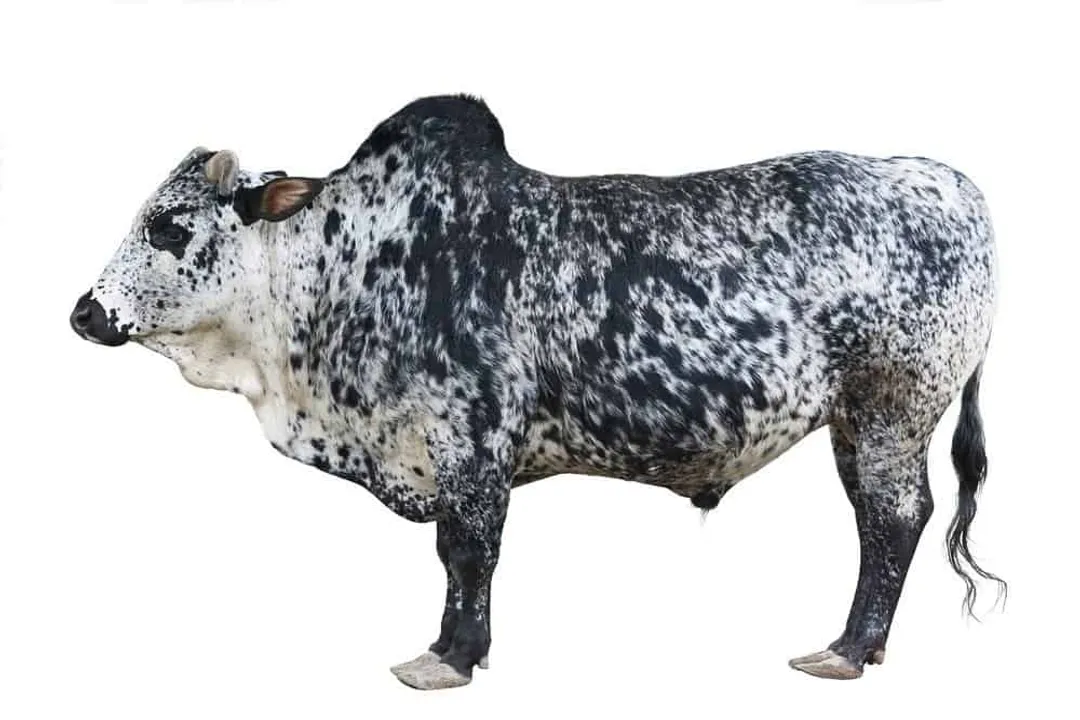
The cornerstone of any Zebu's diet, whether roaming freely or kept on a managed farm, is roughage, primarily grasses and other available dry forage. [1][4] Their ability to thrive on this low-grade feed is legendary among pastoralists. [5] In environments where fresh green pasture is seasonal or scarce, Zebus demonstrate superior maintenance capabilities compared to Bos taurus breeds, effectively utilizing dormant or dry standing grass. [6] This indicates a lower maintenance energy requirement supported by their unique physiology, allowing them to survive periods of scarcity where other cattle might quickly lose condition. [5]
When green forage is abundant, the Zebu consumes it readily, but their true dietary advantage manifests when forage quality declines. They excel at digesting cellulose and hemicellulose, the tough structural components of plants, through the microbial activity in their rumen. [6] For instance, an animal adapted to dry brushland might show an impressive ability to utilize low-protein, high-lignin material that would pass through a less specialized digestive system too quickly to yield significant nutrients. [6]
This digestive efficiency means that a Zebu's true requirement for concentrates—grains or high-protein supplements—is often lower than commonly assumed, provided the quality of the basal roughage is adequate for the animal's production stage (e.g., maintenance vs. lactation). [5] For a farmer transitioning from high-quality temperate pastures to managing Zebu herds in challenging environments, recognizing the inherent value in standing dry grass—even when it looks nutritionally depleted—is a key management insight. You can often observe how quickly Zebu feces consolidate and dry out compared to Bos taurus feces during drought, a visual cue to their mastery over water retention and fiber processing, meaning that water intake, rather than roughage quantity, often becomes the more pressing constraint during extreme heat. [5]
# Captive Sustenance
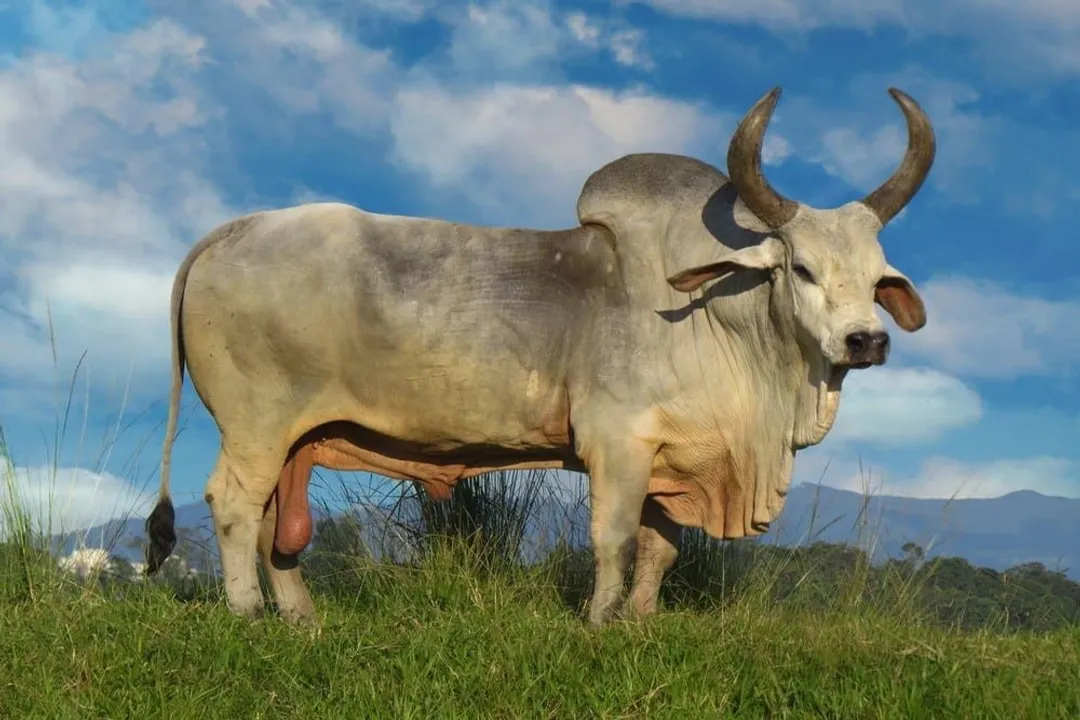
In controlled settings, such as zoos or specialized breeding operations, the Zebu diet is carefully calibrated to meet production goals while mimicking, as closely as possible, their natural intake patterns. [2][8] At institutions like the Virginia Zoo, the dietary staple remains high-quality hay, often alfalfa or a grass mix, which serves as the necessary long-strand fiber to keep the rumen functioning optimally. [8] This provides the bulk and the necessary long retention time in the digestive tract. [6]
However, captive diets necessarily incorporate formulated feeds to ensure precise nutrient delivery that might be inconsistent in the wild. [2] These formulated rations typically come in pelleted form, blending necessary proteins, minerals, and vitamins that might be missing in dry pasture. [8] For example, a zoo setting ensures adequate intake of trace minerals often lacking in highly leached tropical soils, which would otherwise compromise immunity and reproductive health. [2]
The standard feed provided to Zebu cattle in many accredited facilities often includes:
- High-quality hay (like alfalfa or timothy/grass blends). [8]
- Commercial cattle pellets formulated for maintenance or production. [2]
- Fresh produce or browse offered as variety or enrichment, though this remains a small percentage of the total caloric intake. [2][8]
It is interesting to compare this structured feeding with the generalized farm approach, such as that sometimes seen in smaller operations where the Zebu is expected to forage widely and supplement as needed. [1] While the zoo focuses on predictable nutrition, the smallholder relies on the animal’s instinct to seek out necessary diversity, which can be effective but requires careful monitoring of body condition. [1]
# Water Management
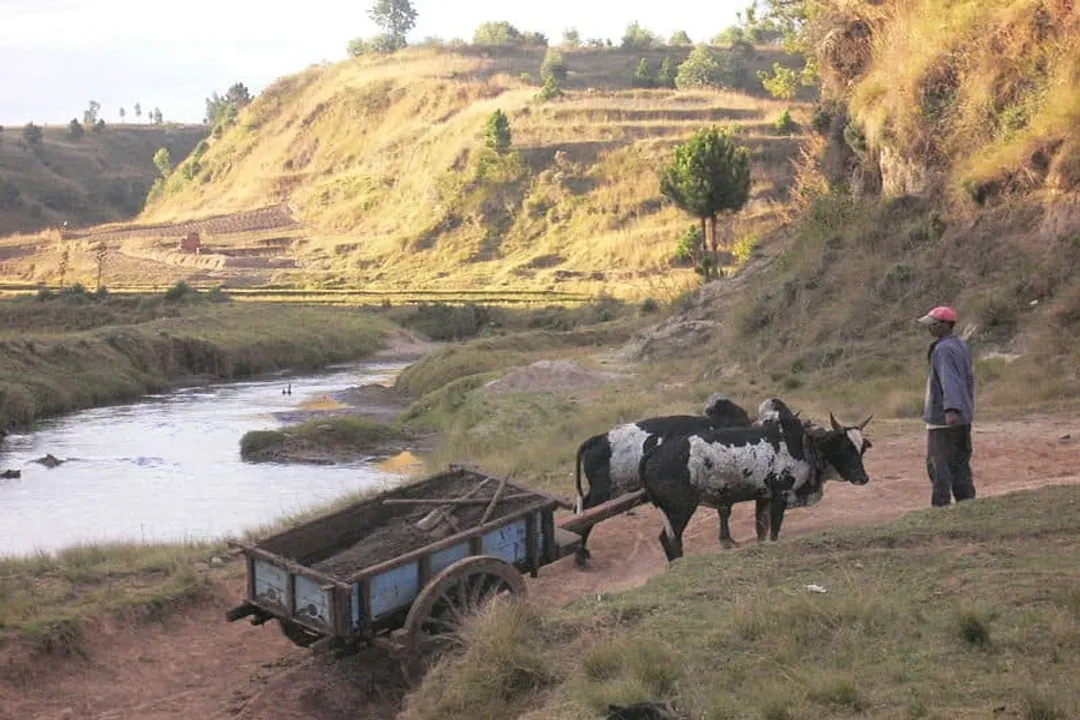
While the focus often defaults to forage, water is arguably the most critical component of the Zebu diet, especially given their adaptation to arid climates. [5] Because of their highly efficient digestive system that conserves moisture by producing drier feces and sometimes denser urine, they can tolerate periods of water restriction better than many other cattle types. [6] However, when water is available, they drink substantial amounts, particularly after prolonged grazing in the heat of the day. [5]
A practical observation for anyone managing Zebus in warm or dry areas is to never underestimate their water needs on a hot day, regardless of how dry their manure appears. While their fiber processing conserves water, high ambient temperatures drastically increase evaporative cooling needs, leading to significant water turnover. [5] Ensuring constant access to fresh, clean water is non-negotiable for maintaining productivity, whether for milk or simply body mass. [5]
# Mineral Balance and Supplementation
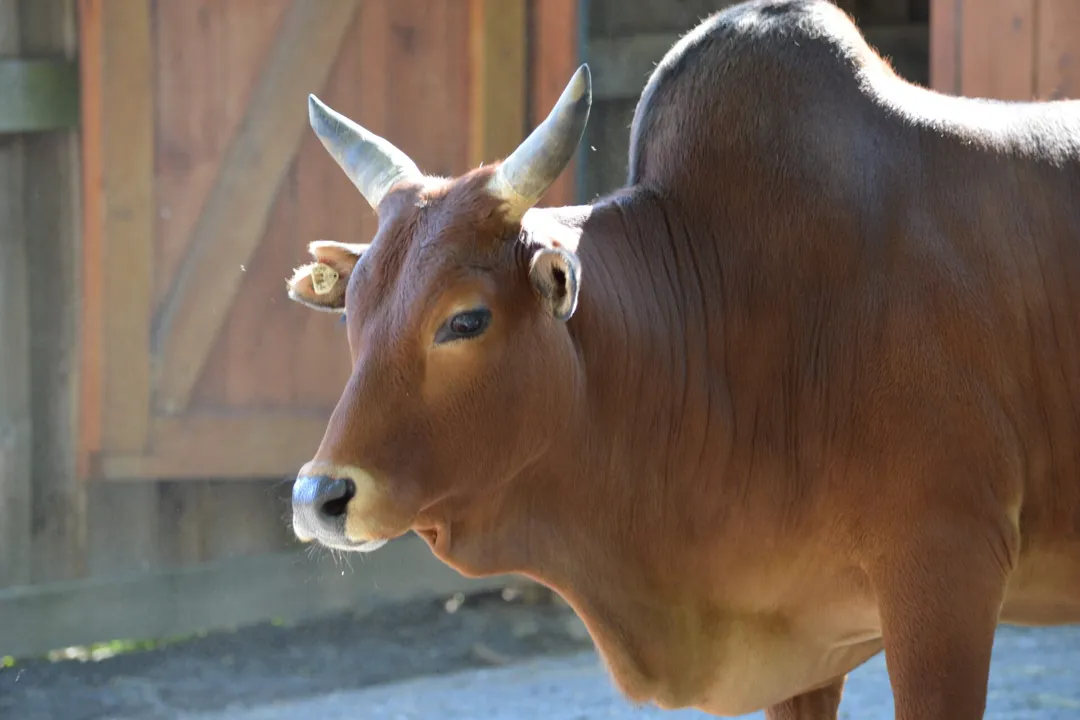
In natural grazing systems common across India and Africa, where Zebu breeds originated, mineral intake often comes from licking specific soils, mineral deposits, or consuming diverse browse species that contain varied nutrient profiles. [7] This natural biodiversity in the diet helps balance macro and microminerals. [7]
When managed domestically, especially on single-species pastures or poorer soils, supplementation becomes essential. [5] A common practice involves providing free-choice mineral blocks or loose mineral mixes containing salt, phosphorus, calcium, and vital trace elements like selenium, copper, and zinc. [5] The inclusion of salt is critical, as it drives water intake, which in turn supports rumen function and overall feed consumption. [5]
A point worth considering when formulating a supplementary regime for Zebu stock on previously unimproved pasture is the potential imbalance. If you only offer a basic salt block, the animals might consume excessive amounts of salt while still exhibiting deficiencies in, say, phosphorus, which is crucial for bone health and energy transfer within the body. [5] Therefore, a balanced mineral mix that caters to local soil deficiencies, rather than just providing salt, offers better long-term health insurance for the herd. [5]
# Dietary Intake Variations
The precise quantity of food required varies significantly based on the Zebu's role. A mature bull maintained strictly for breeding in a dry season will have a much lower Dry Matter Intake (DMI) requirement than a lactating female supporting a rapidly growing calf. [6]
For instance, one might observe that while a maintenance-level Zebu might only need 1.8% of its body weight in DMI on a low-quality diet, a high-producing cow might require 3.0% or more of her body weight in DMI, often necessitating the addition of higher quality forage or concentrates to meet that energy deficit. [6] In a zoo environment, keepers often track this through precise rationing; for example, an adult Zebu might be fed approximately 2% of its body weight daily in hay, supplemented by a specific measured amount of grain mix to ensure necessary energy density for activity and health monitoring. [2][8]
The sheer size difference between animals must also be accounted for. A smaller Zebu strain might require proportionately less feed than a larger crossbred, even if both are performing the same task, which highlights why basing feed allocations on actual body condition scoring (BCS) is superior to relying solely on weight tapes or breed averages. [1]
# Processing Roughage
The Zebu's ability to handle high-fiber diets is fundamentally linked to its digestive physiology, a topic well-covered in scientific literature regarding Bos indicus characteristics. [6] The fermentation process in the rumen breaks down complex carbohydrates into volatile fatty acids (VFAs), the cow's primary energy source. [6] Zebus often exhibit a slightly slower rate of passage for feedstuffs compared to their Bos taurus counterparts, which allows for a more thorough extraction of energy from lower-quality material. [6]
However, this slower passage can be a double-edged sword. If the forage is too fibrous or if the animal is stressed by severe heat, the feed can pack too tightly, leading to impaction or simply poor nutrient absorption because the passage rate drops below the optimal level. [6] This is why the quality of the roughage, even when abundant, must still have a threshold of digestibility; extremely mature, weathered grass might provide bulk but yield very little actual nutritional gain, forcing the animal to eat more than necessary to meet its minimal energy demands. [4]
A subtle but important factor differentiating Zebu feeding habits from more specialized breeds is their browsing behavior. While primarily grazers, Zebus often incorporate browse (leaves, tender shoots from trees and shrubs) into their diet when available. [1][4] This offers them access to different nutrient pools—often higher protein or specific micronutrients—than grasses alone can provide, acting as a natural form of nutritional insurance in mixed environments. [1] This contrasts with purely pasture-fed European breeds, which rely almost entirely on what grows on the ground plane. [4]
# Water Conservation Insight
Considering the native habitat of these animals, a key management difference lies in recognizing their inherent water conservation mechanisms. Their physiology is geared toward minimizing water loss, which is an adaptation for surviving droughts where water access might be intermittent. [5] This means that while they are highly efficient at retaining water from what they consume, they are less efficient at recovering quickly from severe dehydration once it occurs, compared to breeds adapted to temperate, moist climates. [5] Therefore, rather than measuring success by how little they drink during a dry spell, successful Zebu management hinges on ensuring that when water is available, consumption is encouraged to replenish reserves lost during periods of high heat stress, even if the preceding feed intake was low in moisture. [5]
# Practical Feed Assessment Tip
For the small-scale farmer or rancher managing mixed herds, a simple, practical step that reflects Zebu dietary needs involves observing the rate at which they move from one feeding patch to the next during peak grazing times. If your Zebus are rapidly stripping a pasture down to the stubble or frequently moving to an adjacent, poorer area while your Bos taurus cattle are still actively chewing cud on the better-quality patch, it suggests the Zebus are processing their fiber faster than expected or are sensing a specific micronutrient imbalance that they are attempting to correct through movement. [1] A good benchmark is observing the herd's collective "grazing pace." A steady, unhurried pace across decent forage usually indicates satisfaction. A frantic, scattered pace suggests they are consuming a large volume quickly, perhaps because the feed quality is too low to sustain them at a slower intake rate, requiring them to compensate for lower energy density. [1][4]
# Conclusion on Zebu Nutrition
The diet of the Zebu cattle is less about specific, highly formulated inputs and more about adaptability to the availability of forage. [7] They are nature’s efficient recyclers, designed to extract sustenance from marginal lands where other domestic stock would fail. [6] Providing high-quality hay, ensuring constant access to clean water, and offering balanced mineral supplementation forms the bedrock of controlled Zebu nutrition. [2][8] However, respecting their innate ability to utilize coarse, dry grasses and even minor browse sources remains central to successful management, especially in large-scale or less intensively controlled farming systems. [1][4] Their dietary requirements ultimately reflect an evolutionary history shaped by necessity in harsh climates.
Related Questions
#Citations
Zebu – Cub Creek Science and Animal Camp
Zebu
What is the main diet of your zebu?
Zebu Animal Facts - Bos taurus indicus
Zebu Cows: A Simple Guide for the Homestead
Nutritional and productive parameters of Holstein/Zebu ...
Zebu
Miniature Zebu Cattle