Zebrafish Physical Characteristics
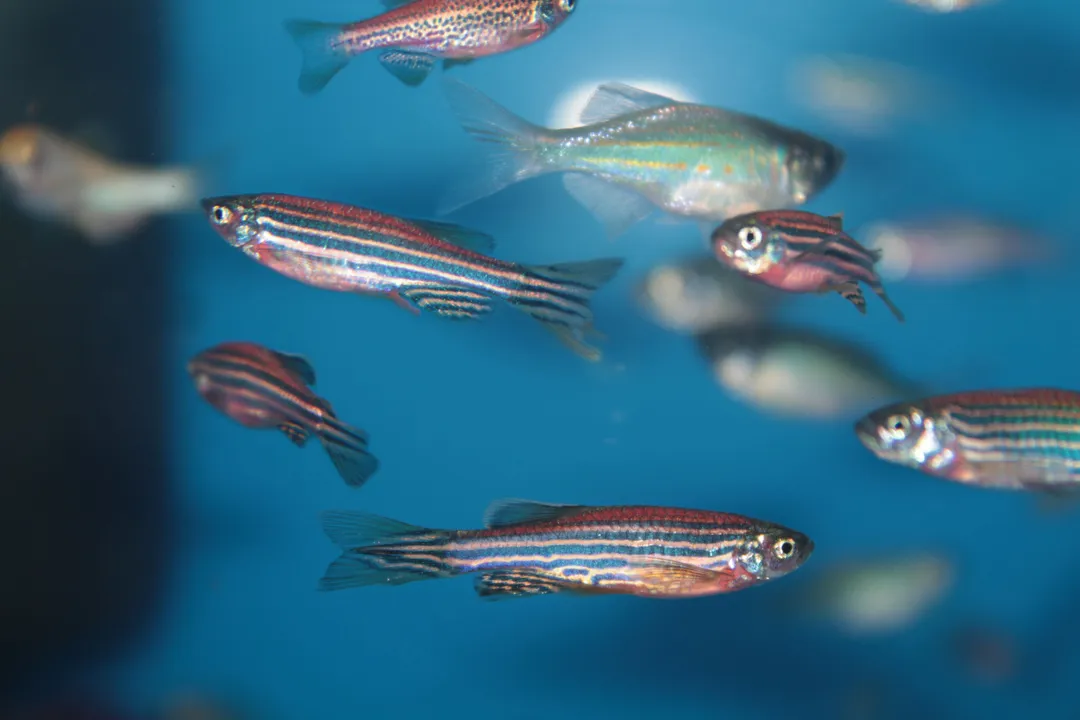
The zebrafish, scientifically known as Danio rerio, presents an immediately recognizable profile to both the aquarium enthusiast and the biomedical researcher. Its diminutive stature and striking pattern are its most immediate characteristics, features that belie its significant role in scientific modeling across the globe. [1][2] Understanding the specific physical traits of this species offers insight into why it has become such a favored subject for studying vertebrate biology and disease mechanisms. [6]
# Size and Body Shape
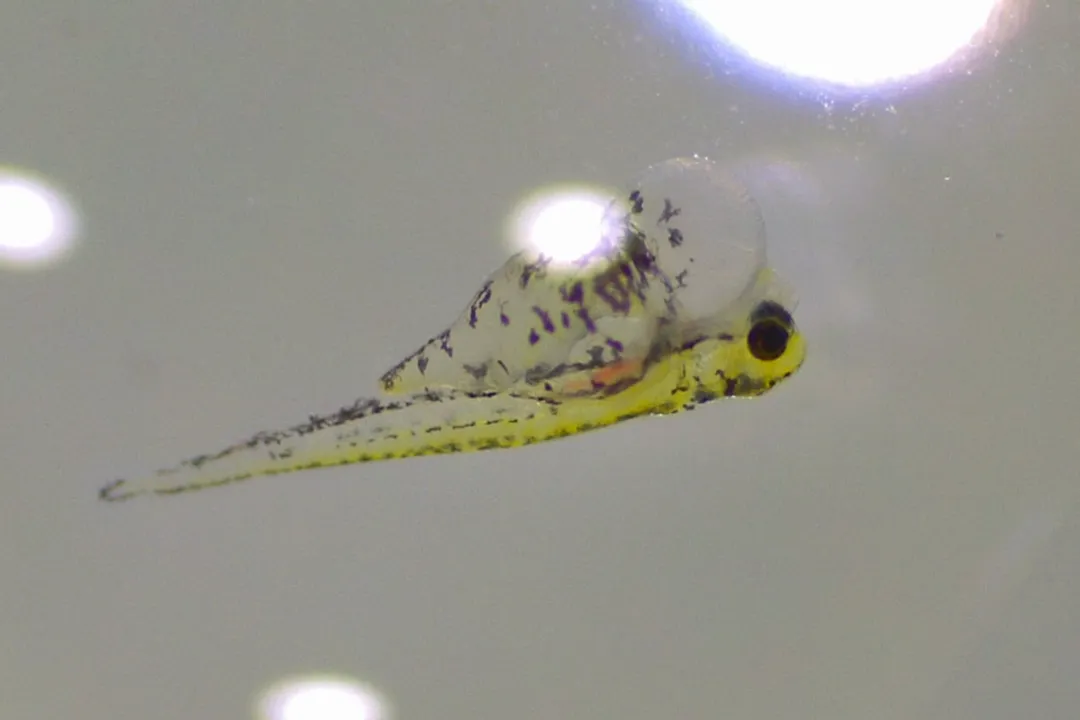
The typical adult zebrafish is quite small, usually measuring between one and two inches in length. [1][9] While many sources cite common maximum lengths around $2.5$ to $4$ centimeters, which is roughly $1.5$ inches, [2][3] some accounts suggest they can reach up to $15$ cm, though this larger figure might apply to specific or non-standardized populations. [3] For the majority of laboratory models and pets, the $1$ to $2$-inch range is the expectation. [9] This small size is a primary advantage in laboratory settings, allowing for easy housing and observation in high numbers. [1]
Physically, the body structure is characteristically fusiform, meaning it is elongated and somewhat tapered at both ends, giving it a torpedo-like shape well-suited for active swimming in its native freshwater environments. [2] The body is also described as laterally compressed, which translates to being slightly flattened from side to side, much like many small, fast-moving freshwater species. This combination of shape and small scale means that handling them requires a gentle touch, especially considering the fragility common to small aquarium fish. [4] It is interesting to note that despite the organism's small physical size—often less than an inch—its complex organ systems and shared genetic homology with humans mean that the biological information contained within such a tiny frame is surprisingly extensive. [6]
# Pattern and Color
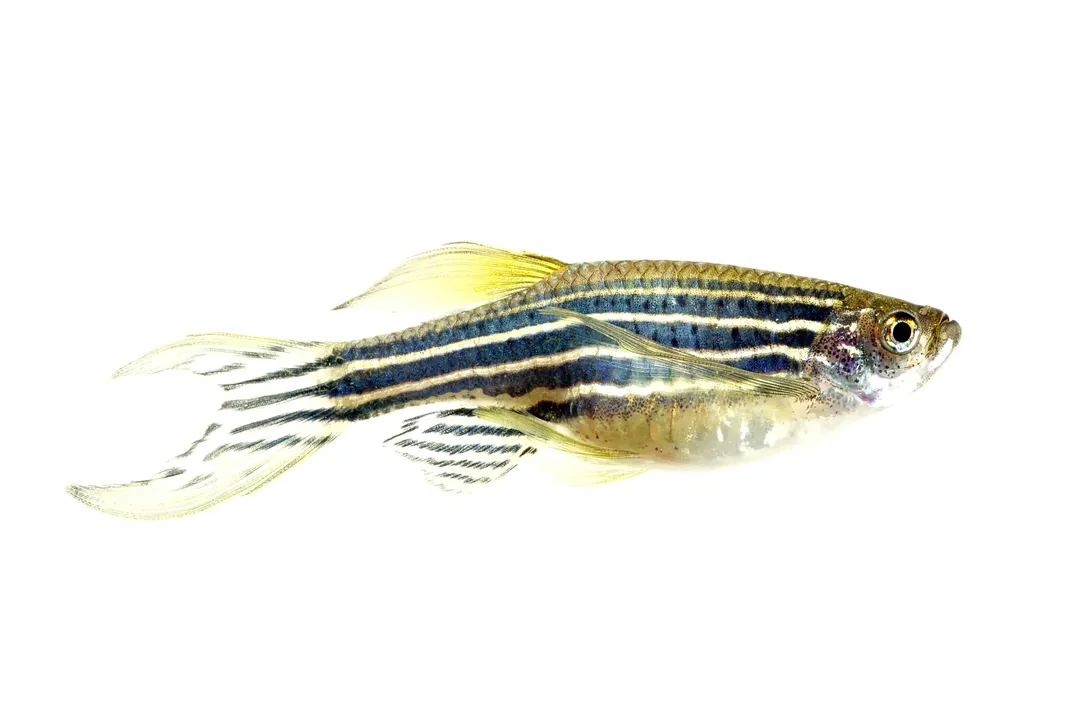
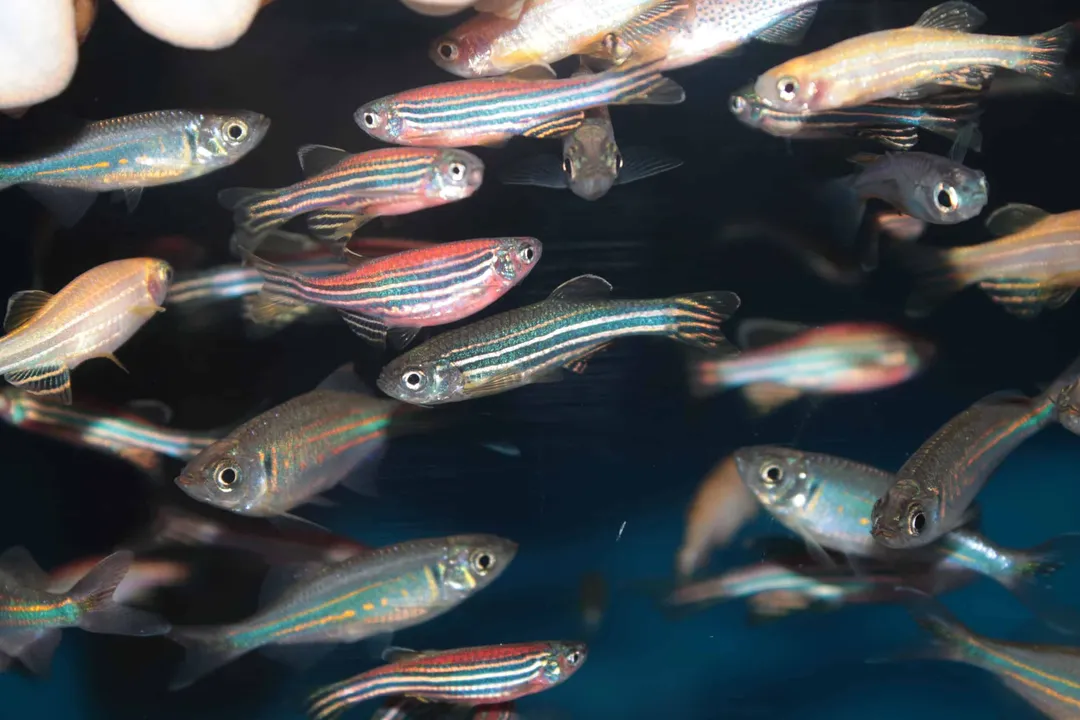
The most defining physical characteristic is the pattern from which the fish derives its common name. The coloration consists of a base tone that is typically silvery or golden. [2][3][5] Running longitudinally along this base color are distinct, dark horizontal stripes that extend from the gill area right down to the tail fin. [2][5] In some varieties, these stripes appear as deep, almost black lines, while in others, they are a vibrant, iridescent blue. [1][2]
The clarity and consistency of these stripes vary depending on the fish's environment, health, and specific lineage. For instance, wild-type zebrafish often exhibit these sharp, dark markings clearly. In the aquarium trade, selective breeding has amplified certain colors, leading to strains that might emphasize gold or white bases, though the fundamental striped architecture remains the same. [4] A key difference often noted between ornamental varieties and the standard wild-type is the intensity and hue of the stripes themselves; the wild type tends toward dark blue/black on a silvery ground. [3] Observing a school of these fish moving together, the synchronized flashing of these dark stripes against the lighter body creates a mesmerizing visual effect, one that is highly effective for camouflage in dappled light conditions in their natural habitat of slow-moving streams and rice paddies in South Asia. [2]

# Fin Structure Details
The fin anatomy of the zebrafish is typical of many ray-finned fish, but a few specific features are worth detailing, especially the dorsal fin placement and the presence of the adipose fin. [3]
# Fin Placement
Zebrafish possess several pairs of fins essential for maneuverability and propulsion:
- Pectoral Fins: Located just behind the gills.
- Pelvic Fins: Paired fins located on the ventral (belly) side.
- Anal Fin: Located posteriorly, behind the vent.
- Caudal Fin: The tail fin, responsible for the main propulsive thrust.
The dorsal fin, which sits atop the back, is located relatively midway along the body axis, not situated far toward the tail. [2] This placement, combined with the fish’s overall fusiform shape, provides good stability during forward movement.
# Adipose Fin
A particularly noteworthy feature, which helps classify the zebrafish within the family Cyprinidae (which includes carp and minnows), is the presence of an adipose fin. [3] This is a small, fleshy, rayless fin located on the back just before the caudal (tail) fin. Unlike other paired or median fins, the adipose fin has no bony support structure and is thought to function as a sensory organ or perhaps offer minor stabilization, though its exact purpose is often debated among ichthyologists. [3] If you are examining a fish that lacks this small fleshy bump just before its tail, it is unlikely to be a true Danio rerio.
# Head Features and Sensory Apparatus
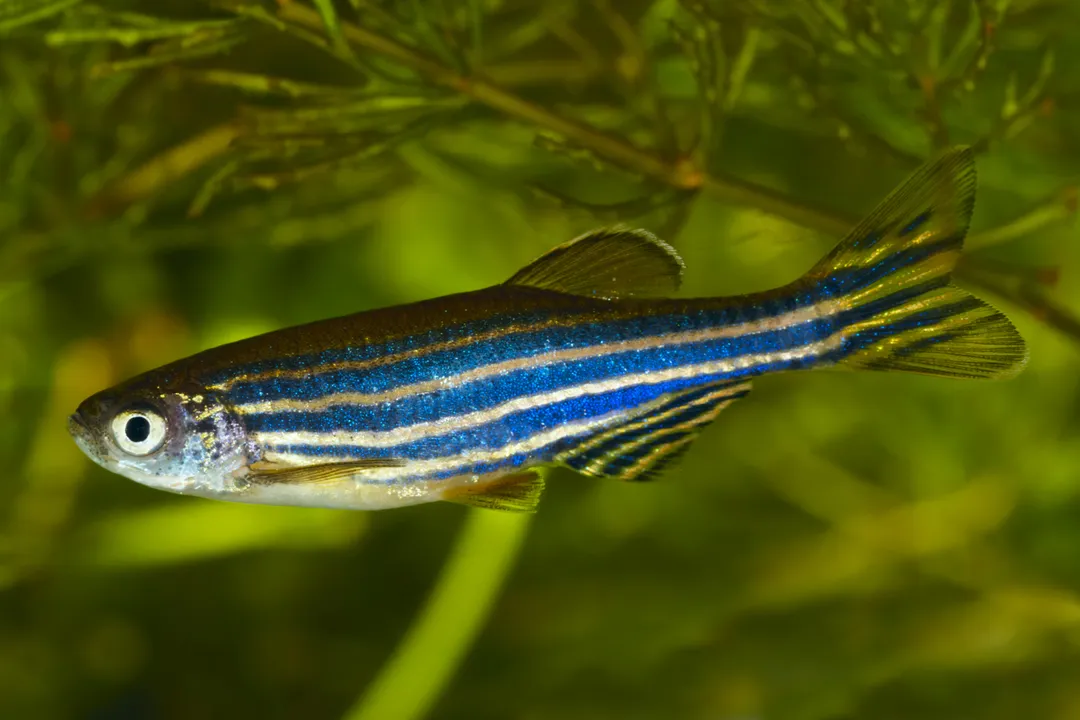
The head structure is relatively small in proportion to the body length. The mouth is positioned in a way that is described as superior or slightly upturned. [3] This orientation suggests that the fish is adapted to feed near the surface of the water column, a common behavior for small riverine dwellers that snatch insects or debris floating on or near the water surface.
While not strictly a physical characteristic visible in static observation, the eyes are large relative to the head size, which is typical for predators or active mid-water feeders. [2] This large visual apparatus is critical for navigation and prey detection in environments where light penetration can be variable.

# Transparency in Early Life
One of the most remarkable physical characteristics, particularly relevant to its widespread use in developmental biology, is the temporary transparency of its embryonic and larval stages. [6] Shortly after fertilization, the developing zebrafish embryos are virtually transparent. This allows researchers to observe the formation and development of internal organs—including the heart, blood vessels, and brain—in real time, without the need for invasive procedures. [6] As the fish matures past the larval stage, pigmentation develops, and the characteristic stripes become apparent, eventually obscuring the internal structures observed earlier. This developmental sequence—from transparent indicator to fully pigmented adult—is itself a crucial physical attribute driving its utility in studying tissue regeneration and organ growth. [6]
Considering the small scale of the fish, it is fascinating how efficiently nature packages so many observable features into a creature that rarely exceeds two inches. For example, the ratio of eye size to total body length in a juvenile zebrafish is significantly higher than in many larger vertebrates, suggesting an early emphasis on visual sensory input that dictates its survival strategy in complex, flowing water systems. This emphasis on vision, supported by large eyes and the superior mouth position, defines its active, top-to-mid-water feeding niche. [3] The maintenance of this highly defined striped pattern throughout life, even as the fish adapts to captivity, underscores its importance for species recognition and potential social signaling within a school. [1][2]
Related Questions
#Citations
Zebrafish 10 facts - Understanding Animal Research
Zebrafish - Wikipedia
Danio rerio - Animal Diversity Web
Zebrafish: A Vital Species Driving Innovative Research - Iwaki Aquatic
Zebrafish Fish Facts - Danio rerio - A-Z Animals
Zebra Fish - an overview | ScienceDirect Topics
Zebrafish 10 facts - Understanding Animal Research Oceania
Latest Developments Regarding Zebrafish - BYJU'S
Zebra Danio (Zebrafish) Fish Species Profile - The Spruce Pets