Yorkie Bichon Evolution
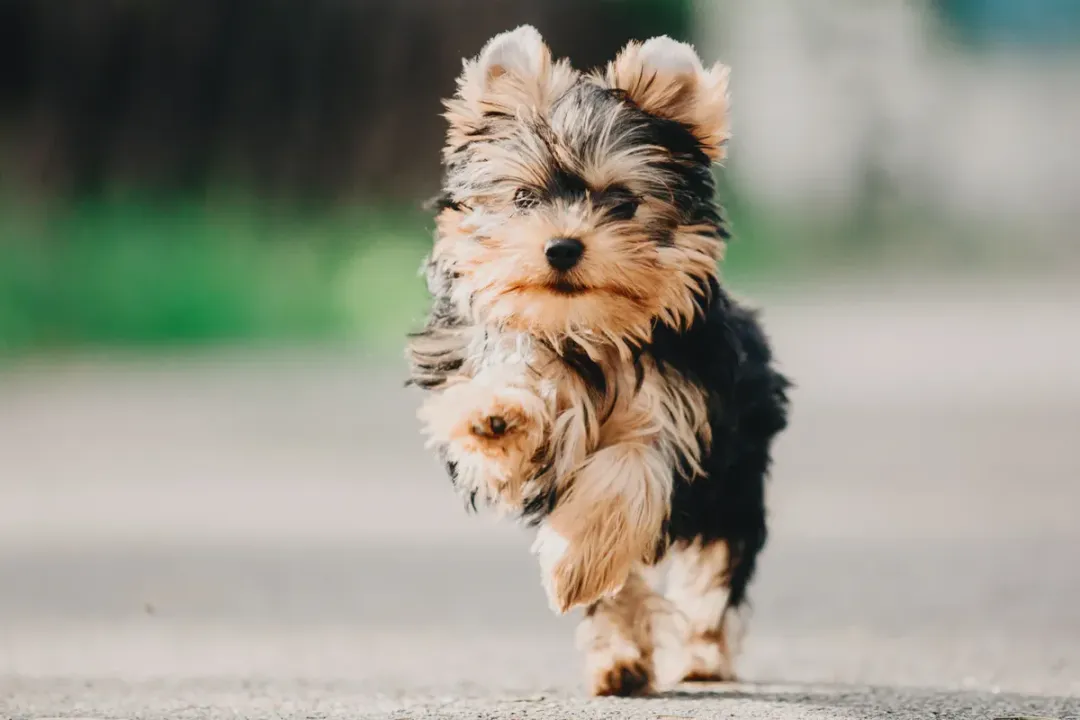
The development of the Yorkie-Bichon mix, often referred to as the Yorkie-Chon or Bichon Yorkie, represents a deliberate effort by hybrid dog breeders to combine the best characteristics of two distinct and popular toy breeds: the Yorkshire Terrier and the Bichon Frise. [1][8] This crossbreed isn't a product of centuries of established lineage but rather a modern creation designed to produce an affectionate, small companion dog, often displaying low-shedding coat qualities. [1][6]
# Parent Breeds
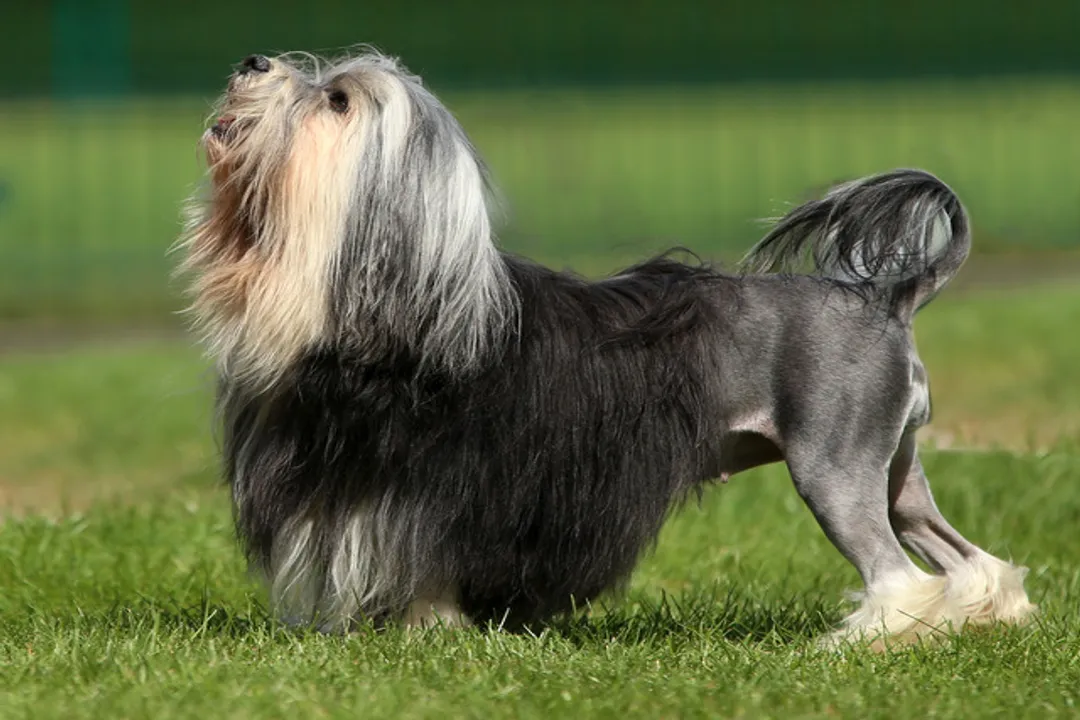
Understanding the foundation of this cross requires looking back at the distinct histories of the Yorkshire Terrier and the Bichon Frise. [3][5]
# Yorkshire Terrier Roots
The Yorkshire Terrier originated in Yorkshire, England, during the mid-1800s. [4][5] Initially, these small dogs were developed by working-class people, often serving the practical purpose of hunting down rats in mills and mines. [4] Despite their small stature, they possessed a tenacious terrier spirit. [4] Over time, as they gained popularity, their role shifted away from pest control toward that of a pampered companion, although their inherent boldness remains a hallmark of the breed. [5] The Yorkie’s coat development is also notable, starting out dark and transitioning to a recognized blue and tan pattern as they mature. [4]
# Bichon Frise History
The Bichon Frise, contrastingly, has roots tracing back much further, originating in the Mediterranean region. [3][5] Known originally as the Barbichon, this breed was favored by European royalty and nobility for centuries. [3] They were frequently companions to the upper classes and were often seen performing in street acts due to their charming and trainable nature. [5] This heritage cemented the Bichon's reputation as a gentle, cheerful, and highly social lap dog. [3][5]
# Intentional Crossing
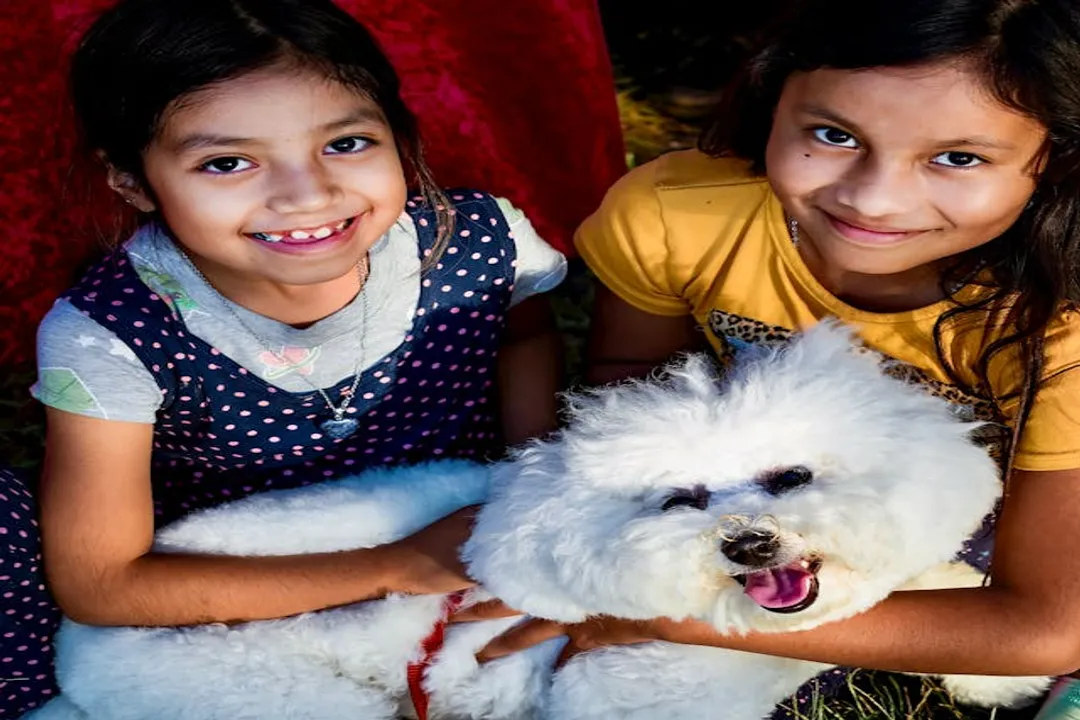
The Yorkie-Chon is categorized as a designer dog, meaning it is a deliberate cross between two established, purebred dogs. [1][6] Breeders aim to produce a dog that carries a blend of the parent breeds' most desirable traits. For the Bichon Yorkie, this usually means achieving the small, portable size of both breeds, combining the Bichon's famously merry disposition with the Yorkie's lively alertness. [1][2] Since neither parent breed is known for heavy shedding—the Bichon has hair rather than fur, and the Yorkie sheds minimally—a primary goal of the breeding is often to achieve a low-allergen coat for allergy sufferers. [1]
# Appearance Variation
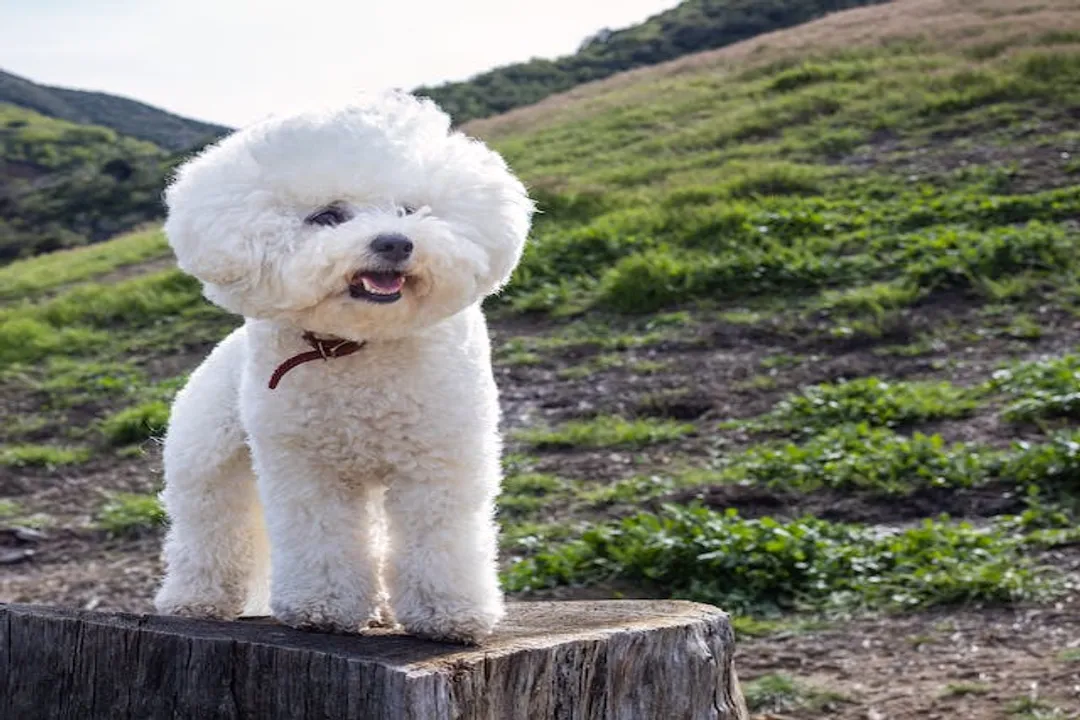
The physical manifestation of the Yorkie-Bichon cross is wonderfully variable, which is common in first-generation (F1) mixes. [1] It is seldom possible to guarantee the exact look of the adult dog based solely on the puppy's appearance. [2]
# Size and Structure
As a toy breed cross, the resulting dogs are small. [2] While a standard size for a mixed breed can be difficult to define precisely, they typically weigh between 8 and 15 pounds. [1] Some sources note the existence of Teacup variations, which implies an even smaller size, though this is a marketing term rather than an official breed designation. [2] The skeletal structure tends to be delicate, mirroring their parent breeds. [8]
# Coat Traits
The coat is perhaps the most talked-about feature. Because both parent breeds have hair that grows continuously and sheds very little, the Yorkie-Chon usually sports a soft, fluffy coat that can be wavy or somewhat curly. [1][2] Colors can vary widely, potentially showing shades of white, cream, black, gray, or brown, depending on which parent's coloring is dominant in the genetics of that specific puppy. [1][6] Professional grooming is a necessity, not a luxury, for these dogs due to the constant growth of their hair, requiring regular brushing to prevent matting and professional clipping every few weeks. [1][2]
# Temperament Blends
The personality of the Yorkie-Chon is generally described as a delightful mix of affection and spirited energy. [2][6] They inherit the loving, people-oriented nature expected from companion dogs like the Bichon, combined with the alert and sometimes spirited nature of the terrier lineage. [1][5]
They thrive on human companionship and do not do well when left alone for extended periods, which can lead to separation anxiety or destructive behaviors born from boredom. [2] They are generally playful and intelligent, making them enjoyable companions for families or singles. [1] Early socialization is key, as even with the gentle Bichon influence, the latent terrier stubbornness can sometimes surface, requiring consistent, positive reinforcement training. [1]
Many owners find these dogs to be very adaptable to apartment living, provided their exercise and mental stimulation needs are met. [2]
It is interesting to note the inherent unpredictability in temperament when crossing two breeds known for strong, distinct personalities. A litter of Yorkie-Chons might present a spectrum: some puppies may strongly favor the bold, assertive nature of the Yorkshire Terrier, readily voicing their opinions with a bark, while others might strongly exhibit the gentle, charming demeanor characteristic of the Bichon Frise. Owners must be prepared to assess the individual puppy's disposition rather than relying solely on generalized breed expectations, recognizing that the hybrid nature means a 50/50 split of characteristics is the best-case scenario, not the guarantee.
# Health and Maintenance
Like all purebreds and designer mixes, the Yorkie-Chon can be prone to certain health issues inherited from its parent lines. [8]
# Grooming Requirements
The coat demands attention. If brushing is neglected, mats can form quickly, pulling at the skin and causing discomfort. [1] A consistent daily brushing routine is highly recommended. Beyond the daily work, a professional groomer will likely need to trim the hair every four to six weeks to maintain a manageable length, especially around the eyes and sanitary areas. [2]
# Common Health Considerations
Because they are small dogs, attention must be paid to dental hygiene, as toy breeds are frequently prone to overcrowding of teeth and resulting periodontal disease. [8] Potential orthopedic issues, such as luxating patella (a common issue in many small breeds), should also be watched for. [8] Furthermore, because the cross combines genetic material from two lines, breeders should conduct appropriate health screenings on the parent stock to minimize the risk of passing on known hereditary conditions from either the Bichon or the Yorkie side.
Prospective owners looking at extremely small specimens marketed as "Teacup" varieties should approach these choices with caution. While the allure of a tiny companion is strong, the process of creating dogs significantly smaller than the standard toy size can sometimes exacerbate inherent structural weaknesses. For instance, the density and integrity of the skull and bone structure might be compromised in the pursuit of extreme miniaturization, meaning that even mild accidental falls or rough play could pose a greater risk of injury than to a dog at the upper end of the expected weight range. Always ask breeders about the parents' actual weights and if orthopedic health testing was performed.
# Training and Sociability
The Yorkie-Chon is generally intelligent and eager to please, traits inherited from both parent breeds who are noted for their responsiveness to training. [1][5] However, they are small dogs with big personalities, and without firm, early training, they can develop "small dog syndrome," where owners overlook inappropriate behaviors like excessive barking or bossiness. [2]
Positive reinforcement methods work best for these sensitive dogs. They respond well to treats, praise, and play-based learning sessions. [1] Because they bond so closely with their families, training sessions are often seen as a fun activity rather than a chore.
Early and consistent socialization remains an absolute must. Introducing the puppy to a variety of sights, sounds, people, and carefully vetted, calm dogs during the critical socialization window helps ensure they grow into well-adjusted adults, mitigating any potential timidity or over-protective tendencies inherited from the terrier side. [1] They make good watchdogs, often alerted by strangers, but excessive alarm barking needs management through training.
# Lifestyle Fit
The evolution of this hybrid has resulted in a dog perfectly suited for modern, often smaller living spaces. They are generally content with indoor play and short walks, making them excellent choices for apartment dwellers or older individuals. [2] Despite their small size, they are not merely decorative; they require daily engagement, both physical and mental, to remain happy and balanced. [2] A bored Yorkie-Chon may become destructive or overly vocal. Engaging them with puzzle toys or short training drills daily helps satisfy the intellectual curiosity inherited from their intelligent ancestry.
Related Questions
#Citations
Bichon Yorkie | Dog Breed Facts and Information - Wag!
Teacup Yorkie Chon Overview: All You Need to Know!
Bichon Frise History: From Royal Companion to Family Favorite
Yorkshire Terrier - an overview | ScienceDirect Topics
Bichon Frise Dog Breed: 2024 Guide to Pure Joy
A Complete Guide To Yorkie Chons - Dog Breeds - Lone Star Pups
Introduction to Bichon Breeds and Their Varieties - Facebook
Bichon Yorkie Dog Breed Information and Pictures
Yorkie 101: The Loyal Companion with a Lion's Heart - A Pup Above