Yorkie Bichon Facts
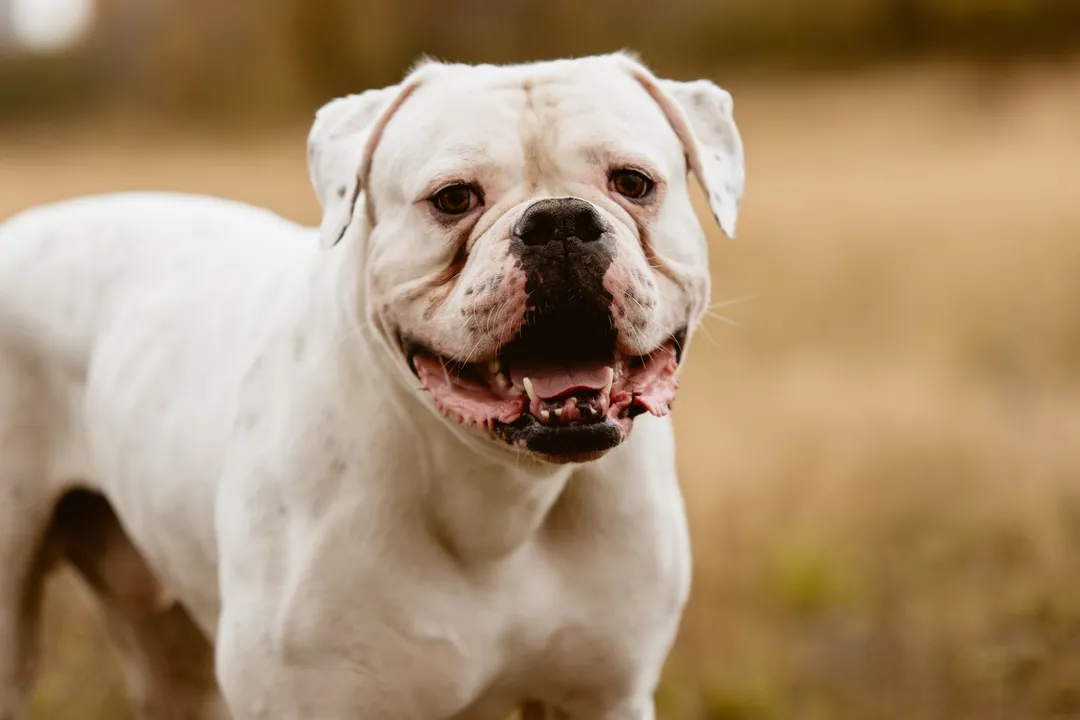
The charm of the Yorkie Bichon, often called the Yorkie-Chon, comes from blending the spirited nature of the Yorkshire Terrier with the fluffy appeal of the Bichon Frise. [1][4] This designer crossbreed is gaining attention precisely because it captures some of the best qualities of its parent dogs, resulting in a small companion animal that is both spirited and affectionate. [5][7] While they are not recognized by major kennel clubs like the American Kennel Club (AKC) because they are a mixed breed, their popularity in companion homes is undeniable. [4]
# Parent Breeds
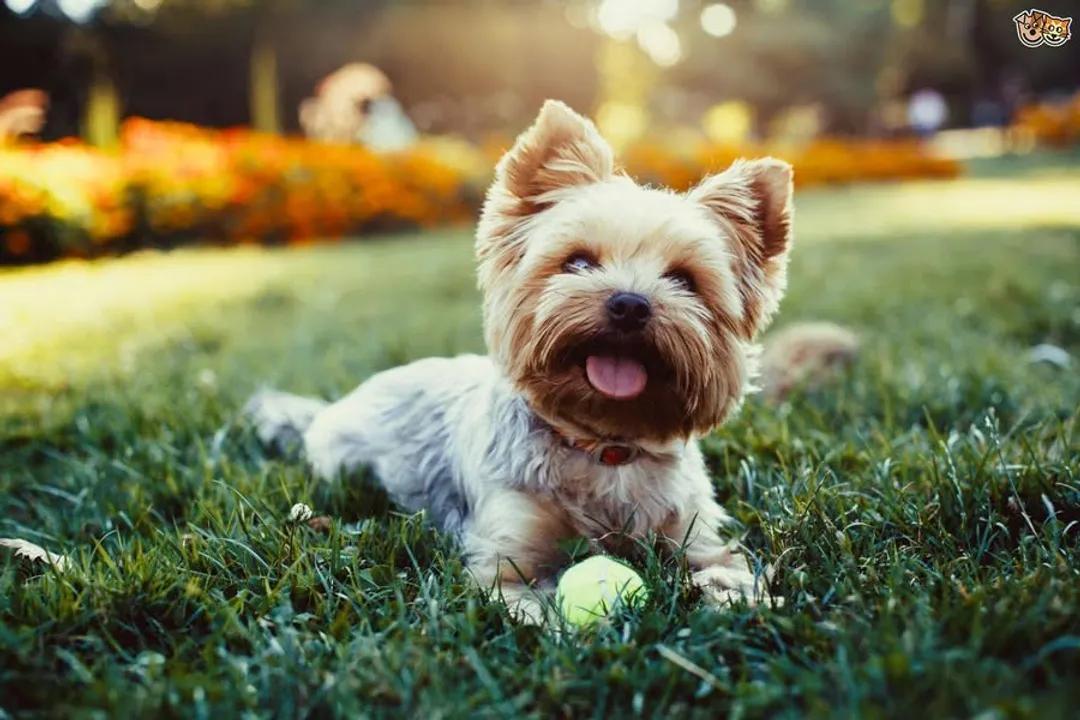
Understanding the Yorkie-Chon starts with knowing the two breeds that make up this delightful mix: the Yorkshire Terrier and the Bichon Frise. [1][3] The Yorkshire Terrier, or Yorkie, originally hails from Yorkshire, England, where they were bred to hunt rats in clothing mills. [8] They are known for their small stature and long, silky coats that historically required careful maintenance. [8] On the other side of the pedigree is the Bichon Frise, a breed with a cheerful disposition and a puffy white coat, whose background often traces back to the Mediterranean region. [1][5] When these two lines meet, the resulting hybrid typically inherits a size profile that is smaller than many other popular mixed breeds, making them excellent apartment dogs. [1][7]
Here is a brief comparison of the known characteristics of the parent breeds which contribute to the Yorkie-Chon’s makeup:
| Trait | Yorkshire Terrier (Yorkie) | Bichon Frise |
|---|---|---|
| Energy Level | Moderate to High | Moderate [5] |
| Coat Type | Long, silky, straight | Curly, dense, often hypoallergenic [1] |
| Temperament | Feisty, independent, devoted [8] | Playful, charming, merry [1] |
| Grooming | High maintenance | High maintenance [1] |
The variation in the resulting litter can be significant, depending on which parent's genes are dominant in a particular puppy. [4] For instance, one puppy might favor the feisty independence of the Yorkie, while another might exhibit the sweet, merry nature of the Bichon. [1]
# Size Color
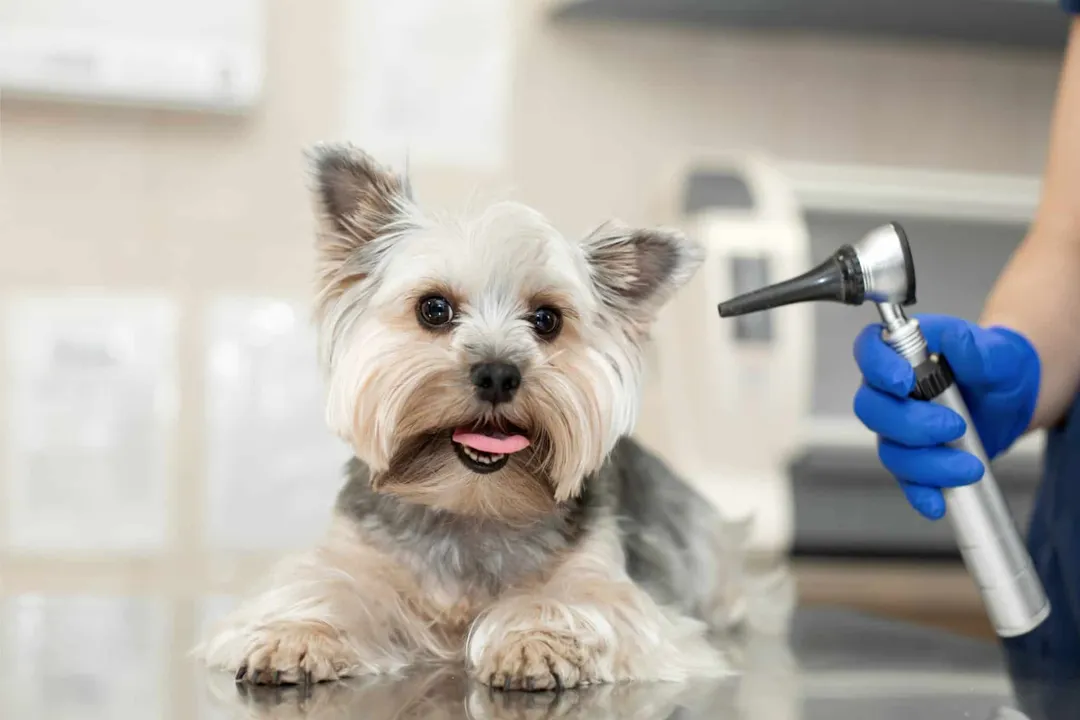
The overall size of the Yorkie-Chon usually places them firmly in the toy category. [1][5] Most sources indicate that these dogs generally weigh between 8 to 15 pounds and stand about 7 to 12 inches tall at the shoulder. [1][7] However, the genetic influence of the parent breeds means that size can vary, and the possibility of smaller variations exists. [5] Some breeders market significantly smaller dogs under the name "Teacup Yorkie-Chon," which are bred specifically to remain much smaller than the standard crossbreed size. [2] Prospective owners need to be cautious and ensure they understand the expected adult size, as significantly smaller dogs may have more pronounced fragility and related health concerns. [2]
When it comes to their coat, the color palette is often quite interesting. Since the Bichon Frise is predominantly white, and the Yorkie features steel blue and tan markings, the resulting coat of the crossbreed can display a variety of shades. [3][5] Common colors include cream, white, black, tan, or a mix of these, sometimes appearing in patches or an overall soft, off-white appearance. [3][5]
# Personality Traits
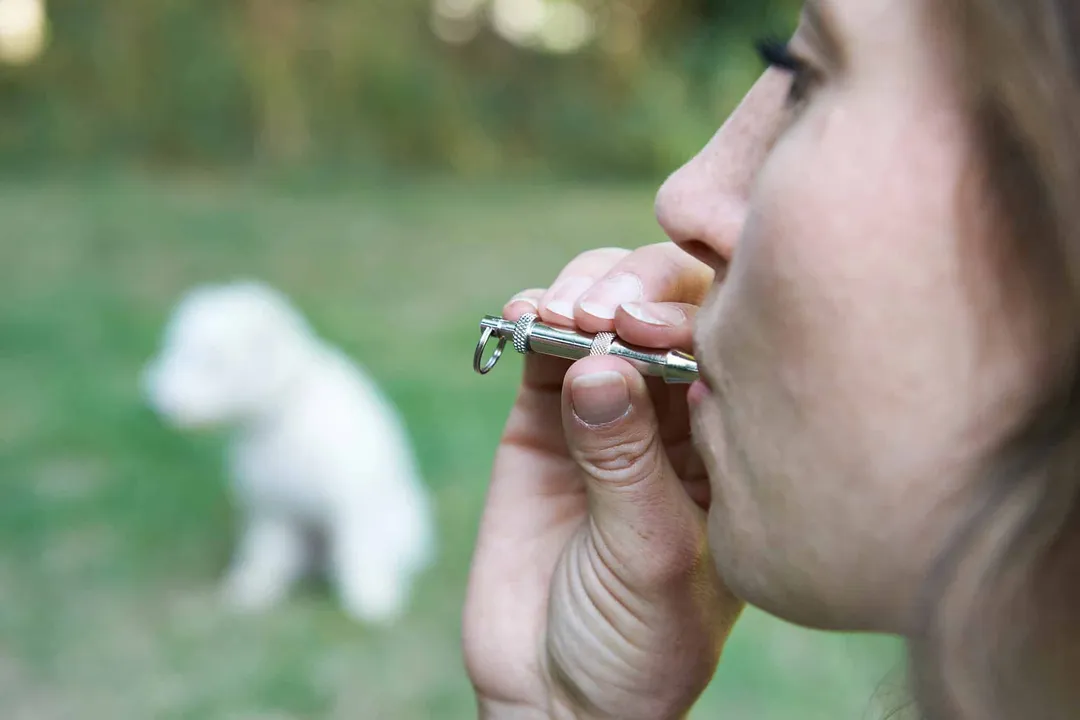
The temperament of a Yorkie-Chon is often described as charming and attentive. [5] They thrive on human companionship and frequently form strong bonds with their primary caretakers. [1] Because they inherit traits from both parent breeds, they can be spirited and playful, inheriting the vivaciousness of the Bichon while maintaining the alertness often seen in terriers. [1][5] This alertness means they can be good little watchdogs, quick to alert their owners to unusual sights or sounds, though their size means they are not suitable for serious guarding duties. [7]
One key aspect owners should be aware of is the potential for stubbornness, a trait often traceable to the Yorkshire Terrier line. [4] Early socialization and consistent, positive reinforcement training are crucial to managing this trait and ensuring they grow into well-adjusted companions. [5][7] While generally sweet and affectionate with their families, early and frequent exposure to different people, sights, and sounds is necessary to prevent shyness or excessive barking. [1] An owner expecting a dog that is purely docile might be surprised by the energetic and sometimes determined little personality that emerges.
# Grooming Health
Grooming needs are perhaps the most significant commitment for any Yorkie-Chon owner, regardless of which parent's coat they predominantly exhibit. [1][5] The Bichon Frise is known for its curly, low-shedding coat, and the Yorkshire Terrier has a long, fine, single coat. [1][8] The resulting hybrid coat is often wavy or curly and generally requires daily or near-daily brushing to prevent painful matting. [3][5] A lesser-shedding coat is a common goal for this crossbreed, but this lower shedding doesn't equate to less grooming; instead, the dead hair gets trapped in the curls, necessitating diligent brushing and professional grooming every four to six weeks. [5]
A sensible approach to grooming is to decide early on whether to maintain a longer, more characteristic look requiring daily upkeep, or opt for a shorter "puppy cut" which reduces daily work but still requires regular professional trims. [1] Failing to adhere to a regular schedule can quickly lead to skin irritation and significant discomfort for the dog. [5] If the coat leans heavily toward the Yorkie’s silkiness, daily brushing is non-negotiable to prevent tangles, whereas a curlier coat might need slightly less frequency but deeper work to get down to the skin. [5]
In terms of general health, like many small breeds, the Yorkie-Chon generally has a good lifespan, often ranging from 10 to 15 years. [1][7] However, prospective owners should be aware of potential inherited issues from both sides of the family tree. [5] These can include patellar luxation (kneecap issues) and dental problems, which are relatively common in toy breeds. [1][5] Due to their small mouths, dental hygiene, including regular brushing and professional cleanings, is exceptionally important for this mix. [5]
# Exercise Training
Despite their tiny size, Yorkie-Chons are energetic dogs that require regular activity to keep them mentally and physically satisfied. [1][7] They typically need about 30 minutes of moderate exercise daily. [1] This doesn't necessarily mean long hikes; rather, a couple of brisk walks around the block or engaging playtime indoors or in a securely fenced yard will often suffice. [7] If their energy needs are not met, they can develop undesirable behaviors like excessive barking or destructive chewing, especially if they feel lonely or bored. [5] Their intelligence means they also benefit greatly from puzzle toys or short training sessions to keep their minds engaged. [1]
Training requires patience and consistency. [5] As mentioned, they can inherit a stubborn streak, meaning that motivation is key. [4] While they are eager to please their owners, they respond best to positive methods, such as praise, treats, and play, rather than harsh corrections. [7] Because they are so closely bonded to their families, one failure scenario that often arises with this breed is separation anxiety. If they are left alone for long periods without acclimatization, they can become distressed, leading to noise complaints from neighbors or destructive behavior in the home. [5] Integrating crate training early, coupled with gradually increasing the time they spend alone while you are out of sight within the house, can help build their confidence as independent companions.
# Living Environment
The ideal setting for a Yorkie-Chon is one where they receive plenty of interaction. [1] They are not the type of dog that happily spends all day isolated in a crate or yard. Their small stature makes them perfectly suited for apartment living, provided their exercise requirements are met. [1][7] While they are generally good with children, their tiny frames mean interactions with very young or boisterous children must be closely supervised, as they can be easily injured. [1][5]
Furthermore, prospective families should consider their tendency to bond strongly with one person. [1] While they often get along well with other pets, particularly if socialized early, their devotion can sometimes manifest as possessiveness if not managed through proper training and socialization. [5] They thrive in homes where someone is generally present, making them excellent companions for empty nesters or individuals who work from home, rather than being left alone for eight hours a day. The small size also means indoor safety proofing is essential; keeping electrical cords, small chewable items, and toxic house plants out of reach is critical for their well-being. [7]
Related Questions
#Citations
Yorkie Bichon Dog Breed Health, Temperament, Training ... - PetGuide
Teacup Yorkie Chon Overview: All You Need to Know!
Yorkie Bichon Dog Breed Complete Guide - A-Z Animals
Bichon Yorkie Dog Breed Information and Pictures
Bichon Yorkie Dog Breed Characteristics and Care You Must Know
Yorkie Bichon mix characteristics and care - Facebook
A Complete Guide To Yorkie Chons - Dog Breeds - Lone Star Pups
Yorkie-Chon Puppies - Breed Info - Petland Racine, Wisconsin
Yorkshire Terrier Facts You May Not Know - American Kennel Club