Yoranian Physical Characteristics
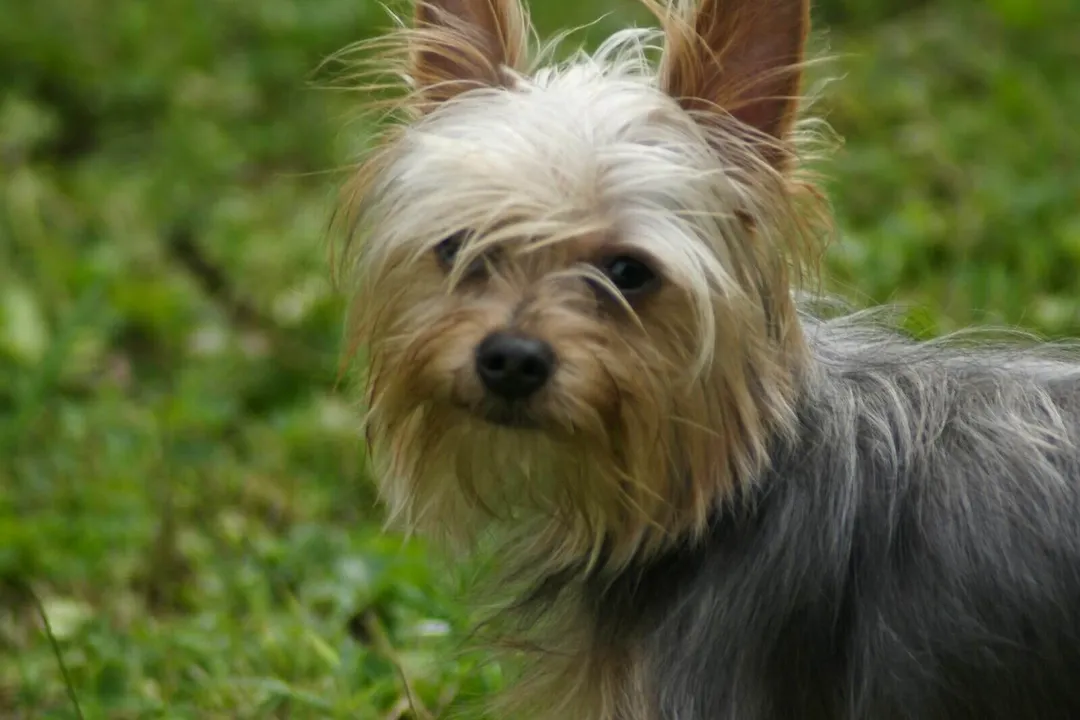
The Yoranian, a charming hybrid born from the affectionate Pomeranian and the feisty Yorkshire Terrier, presents a fascinating study in physical variability. This crossbreed, often affectionately termed a Yorkie Pom or Porkie, inherits traits from both parent lines, resulting in a small companion dog whose exact look is a delightful surprise with every new litter. [5][7] Owners should be prepared for a miniature package that carries the stature of a Toy breed but often sports an unexpectedly bold physical presence. [1][6]
# Size and Stature
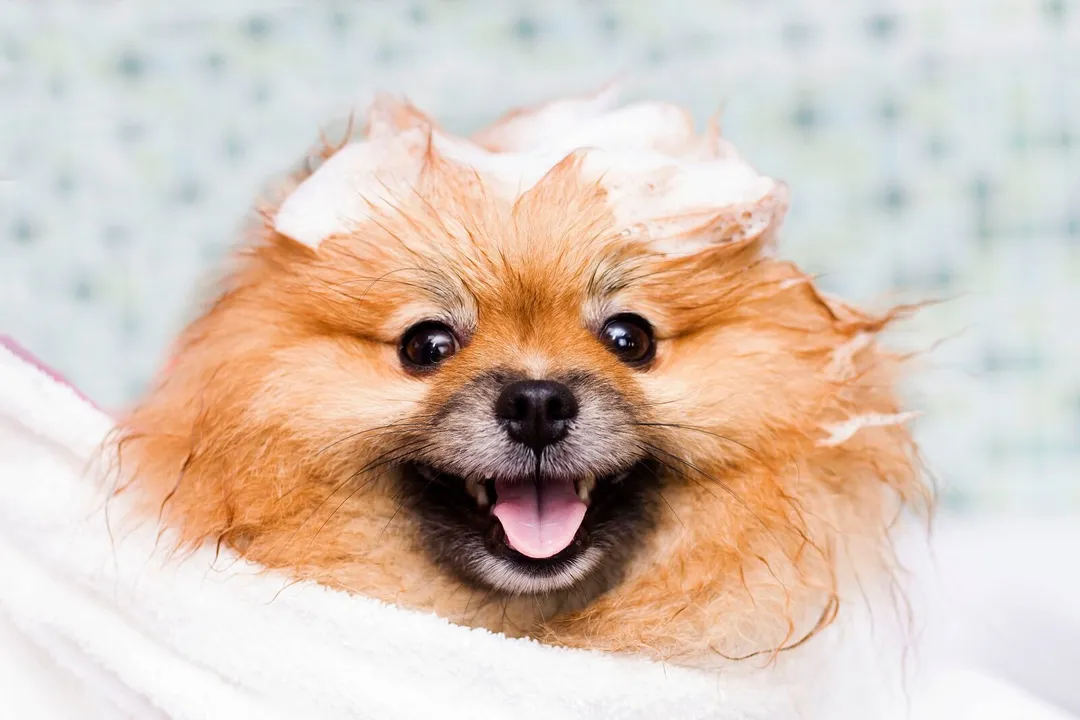
As a designated Toy breed, the Yoranian is defined by its diminutive size, making it incredibly adaptable for various living situations, including apartment life. [1][6] While there is some range reported, the general consensus places the adult height between 6 and 10 inches at the shoulder, though some sources extend this range up to 12 inches. [1][3][4][7] This means they are generally small enough to be comfortably handled and moved around the home. [6]
Weight is similarly concentrated in the lower end of the scale. Most Yoranians fall between 3 and 7 pounds when fully grown. [1][3][4] However, given the size variation in the parent breeds, some individuals may weigh slightly more, reaching up to 10 pounds, particularly if they lean genetically toward the Pomeranian side. [5][7] These little canines maintain a sturdy and well-built structure, belying their tiny frame with apparent muscularity beneath their coats. [1][4][6]
# Coat Diversity
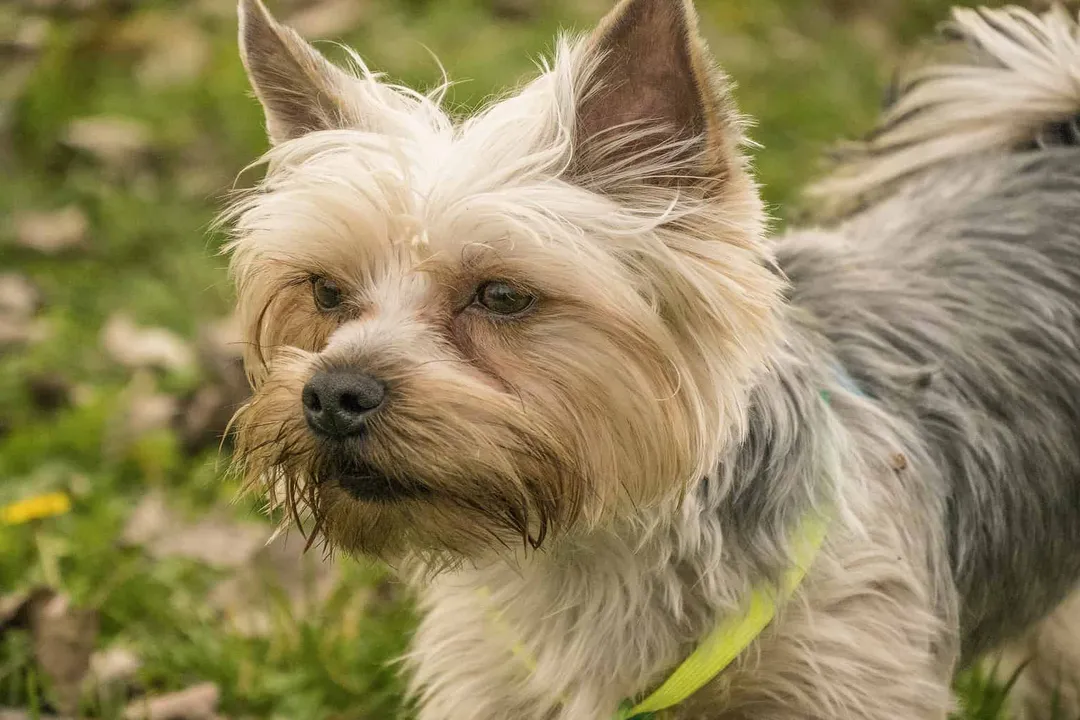
The coat is perhaps the most variable physical trait in the Yoranian, clearly displaying the mixed heritage. The texture and length are not standardized, meaning a Yoranian puppy might possess a fluffy coat reminiscent of its Pomeranian parent or a coat leaning towards the silky, long hair associated with the Yorkshire Terrier. [5][6][7]
Specific coat descriptions include:
- A long fluffy coat. [1]
- A silky coat that is short to medium in length. [6]
- A double coat consisting of a long, straight, harsh outer layer and a soft, thick undercoat. [1][6]
Shedding levels also vary across the breed. While some sources classify the shedding as High, [1] others suggest they are moderate shedders, [7] and one even suggests non to low shedding. [7] The Pomeranian parent is known to shed seasonally and requires daily brushing to manage its thick coat and prevent matting, suggesting that many Yoranians will require consistent grooming attention regardless of their precise coat type. [6][7] Daily brushing is often recommended to distribute natural oils and prevent tangles, especially for those inheriting longer hair. [1][3]
# Color Palette
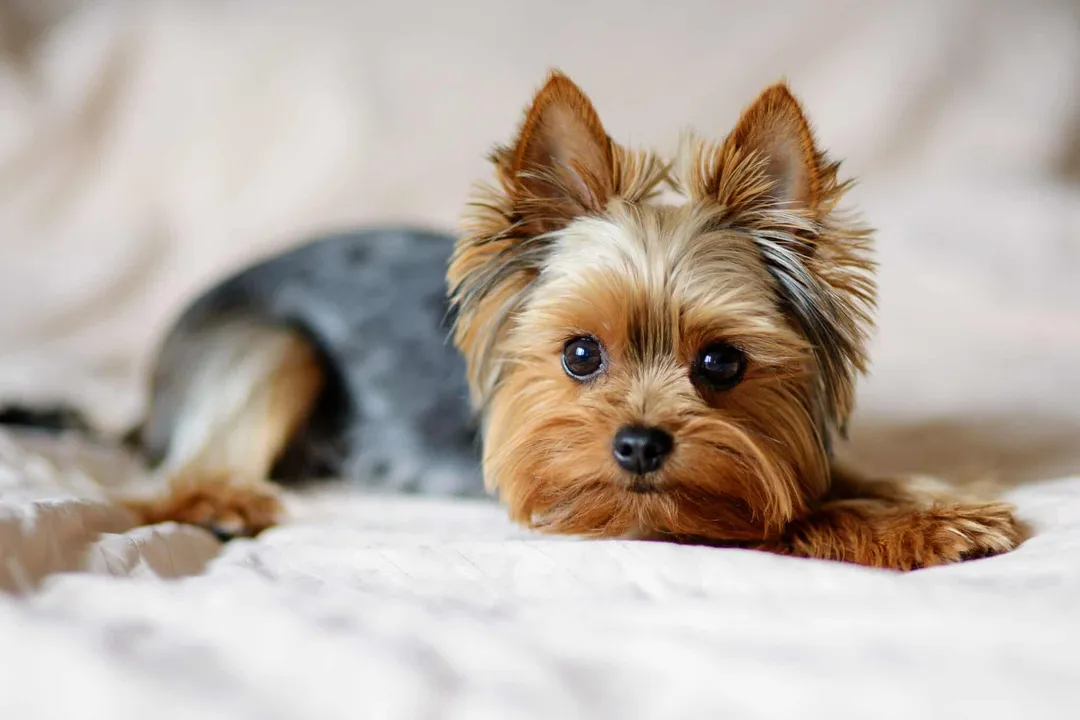
The Yoranian's color profile is extensive, drawing from the wide spectrum found in both parent breeds. [5][6] Owners should not expect a single color pattern but rather a combination of hues. [5]
Reported colors include:
- Black [1][4][6]
- White [1][4][6]
- Brown [1][4][6]
- Golden or Light Brown/Tan [1][3][4][5]
- Cream [1][4]
- Silver or Grey [4]
- Blue [5]
- Sable [5]
- Chocolate [6]
Common markings often seen are black and tan, blue and tan, and black and white combinations. [5] While some individuals may present with a solid coat color, most exhibit a mixture. [5] It is also noted that some of these dogs may experience changes in their skin color as they mature. [5]
# Head and Appendages
When considering the head structure, the Yoranian frequently inherits defining features from both sides. The ears might stand erect and pointed, characteristic of the Yorkshire Terrier. [6][7] In contrast, the tail often shows Pomeranian influence, sometimes being feathery or even inheriting the curly Pom tail. [1][7] Given the genetic contribution, an owner might observe a tail carried high, or a mix between the upright stance and a gentle curl. [6]
The eye health is a recurring point of concern, often pointing toward potential inherited issues like cataracts or irritation. [1][3] While this falls slightly into health, the physical appearance of bright, clear eyes is often sought, with Vitamin A noted as supportive in some premium foods. [7]
If you examine the physical makeup of a mixed breed like the Yoranian, the variance in features like coat texture or tail set is a direct manifestation of which parent's genes are more dominant in that specific individual. [5] For instance, a puppy with a very thick, abundant coat and a high-set, plumed tail is likely favoring the Pomeranian contribution, whereas one with a finer, smoother, more flowing coat leans toward the Yorkie side. [6] The subtle interplay between these two distinct looks is what makes predicting the exact adult appearance a fun game of chance. [5]
# Analyzing Physical Traits for Owners
Understanding the blend of parent genetics in a physical sense helps set expectations. The Yorkie was historically bred for ratting, requiring a compact yet tenacious build, while the Pomeranian descended from larger Spitz-type sled dogs, retaining a dense coat for protection. [6] The Yoranian combines this terrier tenacity with the companionability of the Spitz. [6][7] This results in a dog that appears delicate due to its toy size but possesses a frame capable of surprising agility and energy bursts, even if their top speed is estimated around 10 mph. [2][4]
The physical characteristic of smallness itself requires a specific level of owner awareness that transcends typical care. Because of their low ground clearance and minute size, Yoranians are susceptible to accidental injury from being crushed by larger animals or even humans. [4] This isn't about aggression, but simple physics. An owner with very small children must be vigilant, not only for the child's safety from a defensive nip (due to irritation or being startled) but primarily for the dog's vulnerability during enthusiastic play. [3] Recognizing this inherent physical fragility means owners must actively manage the environment, perhaps opting for low-impact indoor play or ensuring walks are on leashes to prevent chasing small wildlife, which could lead to a collision with a vehicle or larger dog. [3][7]
Another subtle physical consideration involves their dental structure. The inherited small jaw size, especially from the Yorkie lineage, predisposes them to overcrowded teeth, leading directly to plaque buildup, tooth decay, and potential tooth loss. [5][6] While this is a health/care issue, it's rooted in their physical skull structure. To mitigate this, owners must seek out specific tiny kibble sizes formulated for toy breeds, which physically allows the dog to grasp and grind the food effectively, aiding in natural plaque removal. [3][7] A food source that is too large can exacerbate dental issues, making the physical act of eating a hazard rather than a simple necessity.
Related Questions
#Citations
Yoranian Dog Breed Complete Guide - A-Z Animals
Yoranian (Yorkie & Pomeranian Mix): Info, Pictures, Care & More
Yorkie Pomeranian Mix Breed Information - PawMaw
Ultimate Guide to Yoranian Dogs Care Tips and Breed Info - Biterbite
Yoranian Hybrid Description - FCN - The Furry Critter Network
Yoranian | Pet Premium - Pet Insurance Comparison
Yoranian Dog Breed Information and Pictures
Yoranian (Yorkie-Pomeranian Mix) Info, Training, and Pictures