Yellowhammer Evolution
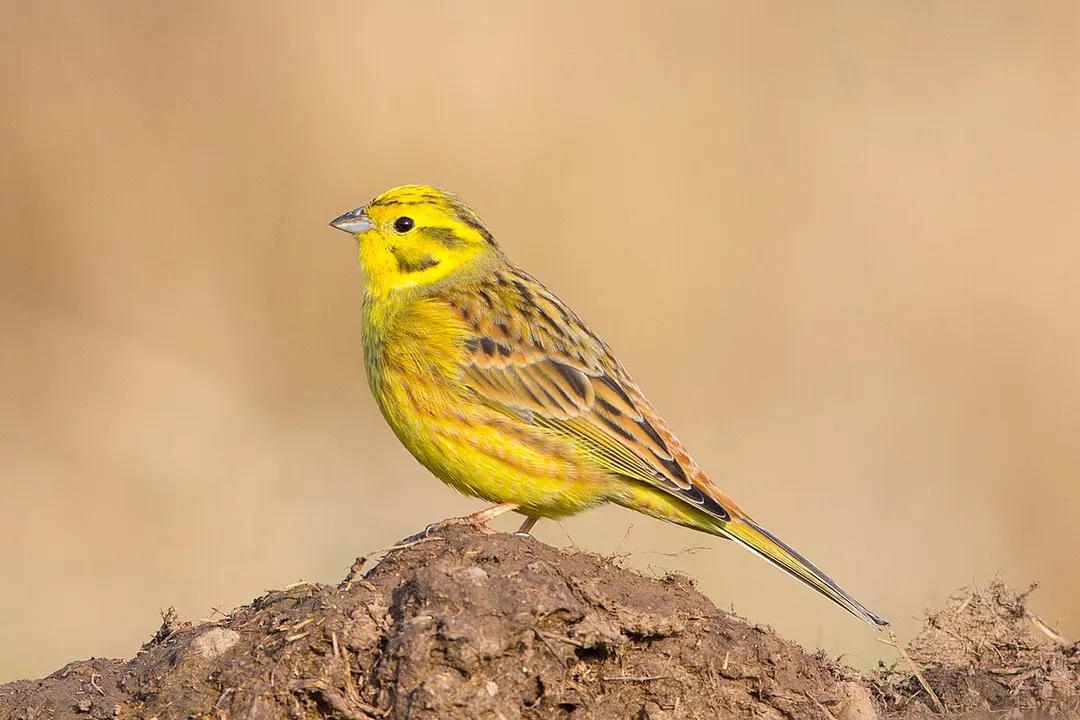
The Yellowhammer, Emberiza citrinella, is a small passerine bird familiar across much of Eurasia, instantly recognizable by the bright yellow plumage of the male, particularly in spring. This bird belongs to the bunting family and shares space with species like the Cirl Bunting and Reed Bunting across its wide range. [1][8] While many casual observers know it simply for its distinctive song, the narrative surrounding this common bird is surprisingly rich, encompassing biological shifts, dramatic population declines, and deep-seated cultural significance in places as far apart as the United Kingdom and the southern United States. [3][6] To consider the "evolution" of the Yellowhammer is to look not only at how its genes might change over millennia but also how rapidly its role in human culture has transformed over mere decades. [4]
# Identification Song
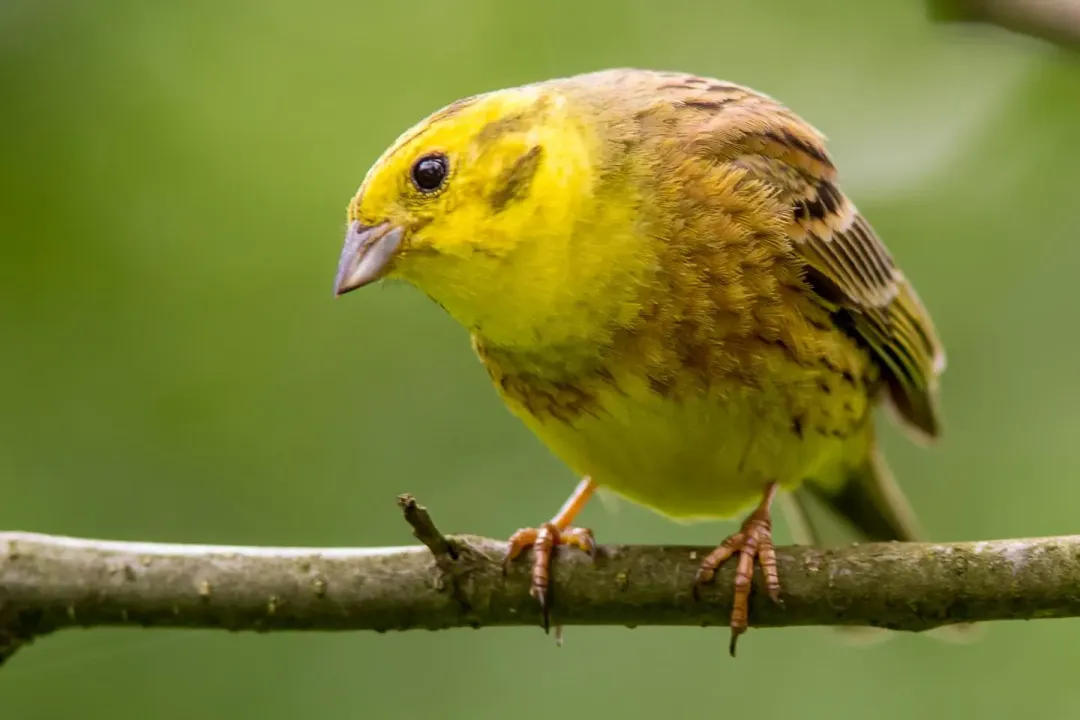
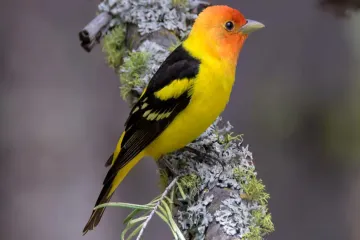
The most immediate feature distinguishing the male Yellowhammer is its appearance during the breeding season. Males display striking yellow on the head and underparts, contrasting with streaked brown upperparts. [8] Females and non-breeding males are duller, exhibiting far less conspicuous yellow coloration. [1] The species name citrinella itself speaks to this lemon-yellow hue. [8]
What truly sets the Yellowhammer apart for many enthusiasts is its song, which is often described as a simple, rattling phrase ending in a drawn-out final note. [1] A common mnemonic used across its range describes this song as: "A little bit of bread and no cheese". [1] This song, however, is not static; it varies significantly between regions, demonstrating a fascinating form of evolutionary pressure or social drift, even across relatively short geographical distances. [5]
# Range Distribution
Globally, the Yellowhammer enjoys a broad distribution, covering a significant part of Europe and Asia. [1] It is generally sedentary, meaning individuals usually remain close to their breeding grounds year-round, although the species can be found across a wide latitudinal spread. [8] In the British Isles, for instance, the Yellowhammer is a resident bird, breeding across much of England, Wales, and Scotland, though it is absent from the extreme north and many islands. [6]
The bird thrives in open or lightly wooded habitats, particularly favoring farmland, hedgerows, scrub, and the edges of woods. [1][6] This preference for agricultural landscapes means its fate is closely tied to farming practices, a factor that strongly influences its modern population trends. [6] Subspecies exist, such as Emberiza citrinella caliginosa found in Ireland, which shows slightly darker plumage compared to the nominate subspecies found further east. [8]
# Alabama Nickname
Perhaps the most unique chapter in the Yellowhammer’s cultural evolution takes place in the American South, specifically in Alabama, where the bird holds the esteemed title of State Bird. [3] The association is not based on the bird's natural occurrence or song, but rather on a historical nickname derived during the American Civil War. [10]
Confederate soldiers from Alabama were dubbed "Yellowhammers" by soldiers from other states. [3] The exact origin of this moniker is debated, but the most widely accepted explanation links it to the bright yellow linings of the red-and-yellow woodpecker insignia worn on the vests of Alabama Confederate troops. [10] This woodpecker is sometimes locally called a yellowhammer, leading to the transfer of the nickname to the actual Yellowhammer bird, Emberiza citrinella, or perhaps a bird the soldiers associated with home. [3][10] The bird was officially designated as the state bird in 1927, solidifying a human-imposed identity that has little to do with the bird's natural history in the state. [3]
It is interesting to observe how quickly a non-native species' name can be attached to an entirely different bird based on uniform color cues—a potent example of how human conflict can shape natural nomenclature. [4] This cultural adoption also stands in contrast to the bird's fate elsewhere, where it is struggling for survival. [6]
# Population Decline
While Alabama celebrates its namesake, in the United Kingdom, the Yellowhammer population has experienced significant declines over the past few decades. [6] From the mid-1960s to the early 2000s, the UK breeding population fell by more than 50%. [6] This rapid downturn signals a strong environmental response to changes in land management. [5]
The primary drivers of this decline are directly linked to modern agricultural practices. [6] The bird relies heavily on insects and seeds, especially during the breeding season when feeding chicks. [6] Changes such as the intensification of farming, the removal of traditional features like hedgerows—which provide both nesting sites and cover—and the use of herbicides and pesticides that reduce insect populations, have dramatically reduced the bird's available resources. [6] For a species that prefers open country with scattered bushes and weedy arable land, the move towards large, uniform fields has proven detrimental. [6]
When conservation efforts focus on maintaining a certain habitat structure, such as leaving field margins unsprayed, the Yellowhammer population can stabilize or even recover locally. Analyzing the speed of decline in the UK versus the slower pace of genetic drift in bird song dialects suggests that anthropogenic factors are currently exerting a far stronger selective pressure than natural isolation. [5][6]
# Song Dialects
The complexity of the Yellowhammer's song reveals a subtle, ongoing biological evolution influenced by social structure and environment. [5] As mentioned, the song is regionally distinct, essentially forming dialects. [5] Research has shown that in areas with more continuous, less fragmented agricultural habitats—such as those with long, well-connected hedgerow networks—birds tend to have more shared song elements, indicating easier mixing and learning. [5]
Conversely, in landscapes where habitat is more patchy or isolated, the song structures diverge more rapidly. [5] This suggests that the physical structure of the landscape acts as a barrier or conduit for cultural transmission of the song. If a population becomes geographically isolated due to intensive farming practices that remove necessary cover, its song can evolve independently from neighboring groups. [5] This mirrors processes seen in classic bioacoustics studies, where geographical separation leads to genetic and cultural divergence, but here, the segregation is driven by farming rather than mountains or oceans. [5]
# Plumage Genetics
Beyond cultural evolution and habitat pressures, there is evidence of biological selection acting on the physical appearance of the Yellowhammer. Specifically, the vibrant yellow plumage of the male is not merely decorative; it plays a demonstrable role in sexual selection and dominance hierarchies. [7][9]
Studies focusing on the genetic basis of this coloration show that the yellow pigments are derived from carotenoids obtained through diet. [9] Males with brighter, more intensely yellow plumage often achieve higher social status and secure better breeding territories. [7][9] This suggests a constant selective pressure where males must not only forage successfully for carotenoid-rich food but also express the corresponding genes effectively to display fitness to potential mates. [9] In an environment where food resources are becoming scarcer due to agricultural changes (as seen in the UK decline), the ability to produce peak coloration might become an even more telling indicator of a male's overall foraging prowess and genetic quality. [6][7]
Here is a comparison summarizing the selective pressures influencing the bird:
| Factor | Area of Influence | Speed of Change | Primary Mechanism |
|---|---|---|---|
| Plumage Brightness | Biology / Mating | Slow (Genetic/Dietary) | Sexual Selection via Carotenoids [9] |
| Song Dialects | Culture / Behavior | Moderate (Habitat dependent) | Cultural Transmission / Isolation [5] |
| Population Numbers | Demographics / Ecology | Rapid (Human driven) | Habitat Loss / Resource Depletion [6] |
It is worth noting that the intensity of the yellow in males might be a more immediate indicator of current health than the inherited genetic potential for coloration itself, creating a dynamic selection landscape. A male that loses access to good feeding grounds will dim quickly, signaling reduced competitive ability to rivals and females alike. [7]
# Historical Reconstruction
The bird's presence across its range has also undergone historical shifts, as reconstructed by tracing genetic markers. One interesting area of study involves looking at populations outside their core range, such as the historical presence or perceived presence in Australasia. [2] While the primary focus on the Yellowhammer remains largely centered on European conservation, historical records and genetic analyses can sometimes offer a long-term perspective on dispersal and establishment success. [2] Such reconstruction helps place the current distribution into a broader geological or even historical human migration context, suggesting that while modern decline is sharp, the species has proven adaptable over vast timeframes. [1]
The rapid shift in perception in Alabama, moving from an unknown bird to a symbol of state pride based on a military nickname, offers a parallel to the bird's biological adaptability, but in the cultural sphere. [3][10] If one were to map the "evolution" of the Yellowhammer's meaning, the arc would show a species whose physical traits (yellow color) were adopted by a human faction, leading to its formal elevation as a symbol, even as its ecological viability in other major parts of its range is actively collapsing. [4][6] This duality—being a celebrated icon in one place while being a conservation concern in another—underscores the fragmented nature of our relationship with widespread wildlife today. The next steps for conservation, particularly in places like the UK, must therefore focus on reversing the negative human impacts on farmland ecology to ensure that future generations can still hear that familiar "bread and no cheese" song echoing across the fields. [6]
# Habitat Adaptation
To survive the pressures currently fragmenting its landscape, the Yellowhammer must exhibit behavioral plasticity. The maintenance of song dialects, as described earlier, is one such adaptation, allowing local groups to persist even when connectivity is reduced. [5] Furthermore, the resilience shown by males who can maintain bright plumage despite environmental stress suggests a high capacity for dietary flexibility, perhaps shifting between different seed or insect sources depending on seasonal availability. [9]
For local land managers interested in supporting this species, recognizing the importance of edge habitats is key. Yellowhammers don't just need fields; they need the structure between the fields—hedgerows, scattered mature trees for singing posts, and areas of rough ground or fallow land that produce the insect life critical for chicks. [6] A simple management practice, such as allowing a border strip around an arable field to grow into a mix of weeds and grasses rather than intensely cultivating it, can provide a vital resource subsidy that directly impacts the reproductive success of nearby breeding pairs. [6] This localized, informed action supports the biological evolution of the local population by buffering it against wider, less manageable trends in industrial agriculture. [5][7]
# Synthesis of Change
The story of the Yellowhammer is a compelling case study in dual evolutionary narratives. Biologically, the species shows selection for brighter male plumage, a process refined by diet and sexual competition, and evidence of cultural evolution through its distinct, geographically localized songs. [5][7][9] Ecologically, it is clearly sensitive to habitat fragmentation and agricultural intensity, resulting in steep declines in core European areas. [6] Culturally, its identity is fluid, morphing from a simple songster to a powerful, albeit transferred, military symbol in Alabama. [3][10] Understanding its "evolution" requires acknowledging that the speed of human-driven change—whether through wartime symbolism or modern farming techniques—far outpaces the slower, more gradual shifts evident in genetics and dialect spread. [4][5] The bird remains, at its essence, a creature perfectly tuned to its environment, but an environment that is rapidly ceasing to match its needs across significant portions of its historical domain. [1][6]
The persistence of the Yellowhammer, whether thriving or struggling, reminds us that even the most common birds carry deep historical and ecological baggage, waiting for our stewardship to determine their future trajectory. [1][8]
Related Questions
#Citations
Yellowhammer - Wikipedia
Yellowhammer history reconstructed downunder - BirdGuides
How the yellowhammer became Alabama's state bird
How the Yellowhammer became a Kiwi – from hero to villain in 15 ...
Yellowhammer dialects - British Ornithologists' Union
The Decline of the Yellowhammer in the UK - James Common
How the yellowhammer bird became a Kiwi: From hero to villain in ...
Yellowhammer | Migratory, Songbird, Europe | Britannica
Reevaluation of dialect boundaries in the Yellowhammer (Emberiza ...
What is the origin of Alabama's state bird, the yellowhammer?