Yabby Physical Characteristics
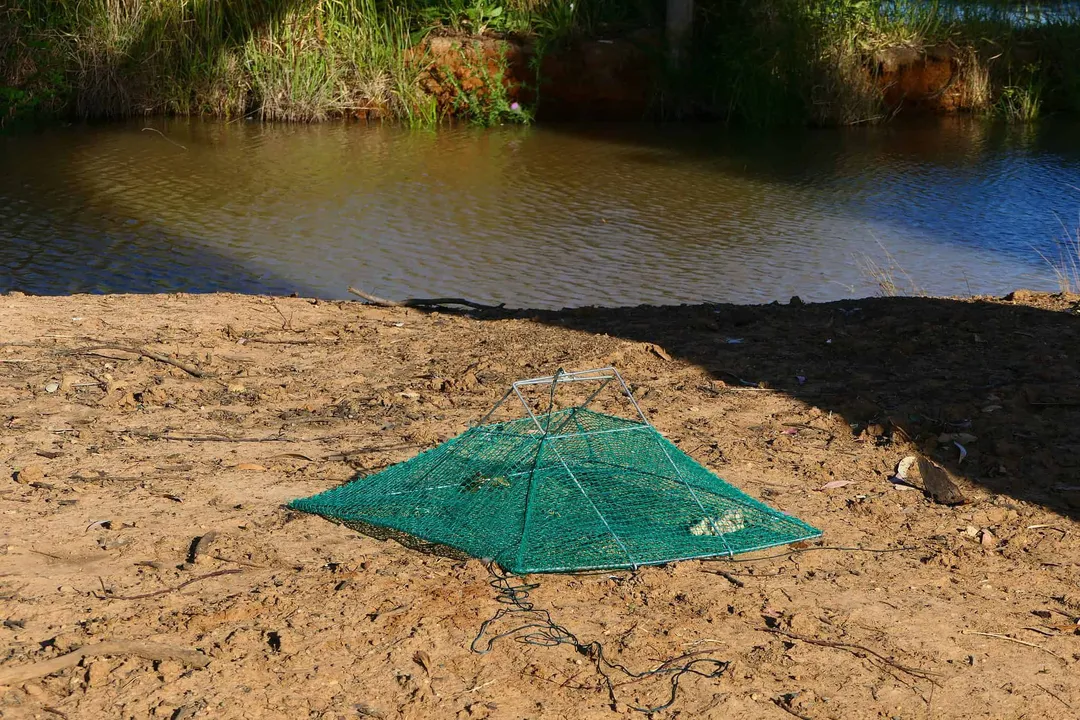
The yabby, scientifically known as Cherax destructor, presents a fascinating study in crustacean morphology, perfectly adapted to the varied and often harsh Australian freshwater environments it inhabits. Although the common name "yabby" is applied broadly to many Australian Cherax species, this particular one is the most widespread crayfish on the continent. Understanding its physical makeup is key to identifying it, especially given its introduction outside its native range.
# General Structure
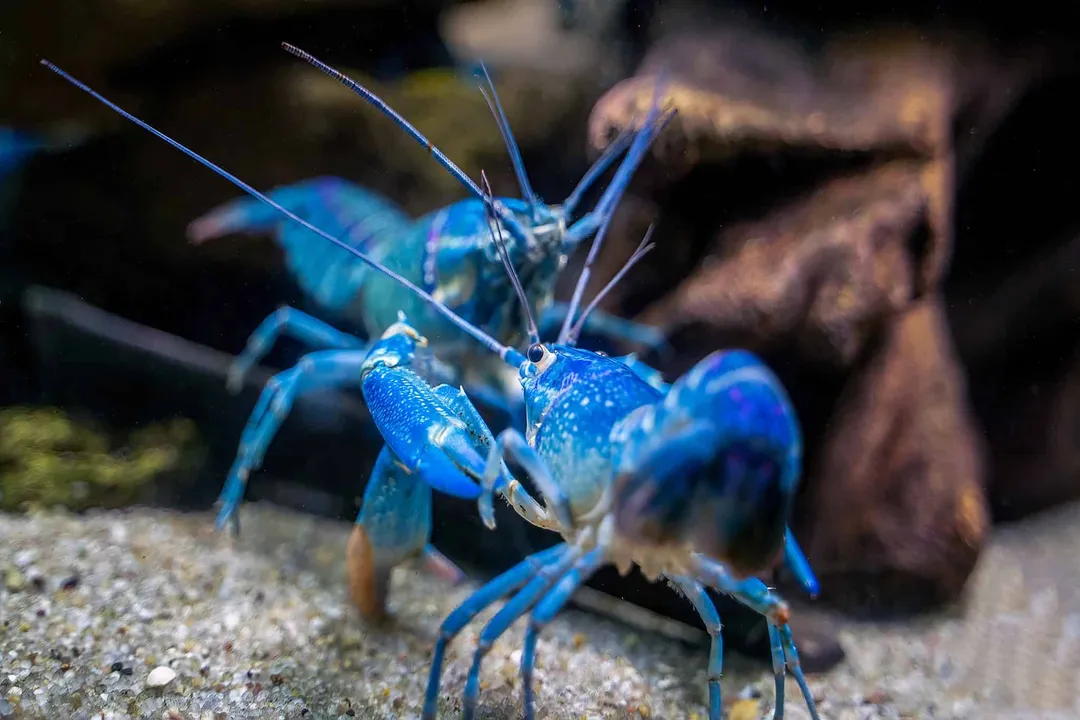
Like all crayfish, the yabby is a heavy-bodied freshwater crustacean, protected by a hard external shell called the carapace, which serves as armor for its vital internal organs [2 previous result]. The body plan is segmented into three primary sections: the head, the thorax, and the tail [2 previous result]. Locomotion and maneuvering depend on a set of appendages situated on the thorax. These include four pairs of walking legs and an additional four pairs of smaller legs known as swimmerets, used for propulsion in the water [1 previous result][2 previous result].
A distinctive feature noted across descriptions is the appearance of its claws. Yabbies possess two large, enlarged front claws, which are crucial for feeding, defense, and burrow construction[2 previous result]. These claws are frequently described as being broad and spade-like. For readers encountering them, one of the most immediate and useful identification markers in the field, especially when comparing to native Western Australian species like the koonac or gilgie, is the presence of setae, or fine hairs, located on the arm (merus) and wrist (carpus) segments of the claw.
# Size Variation
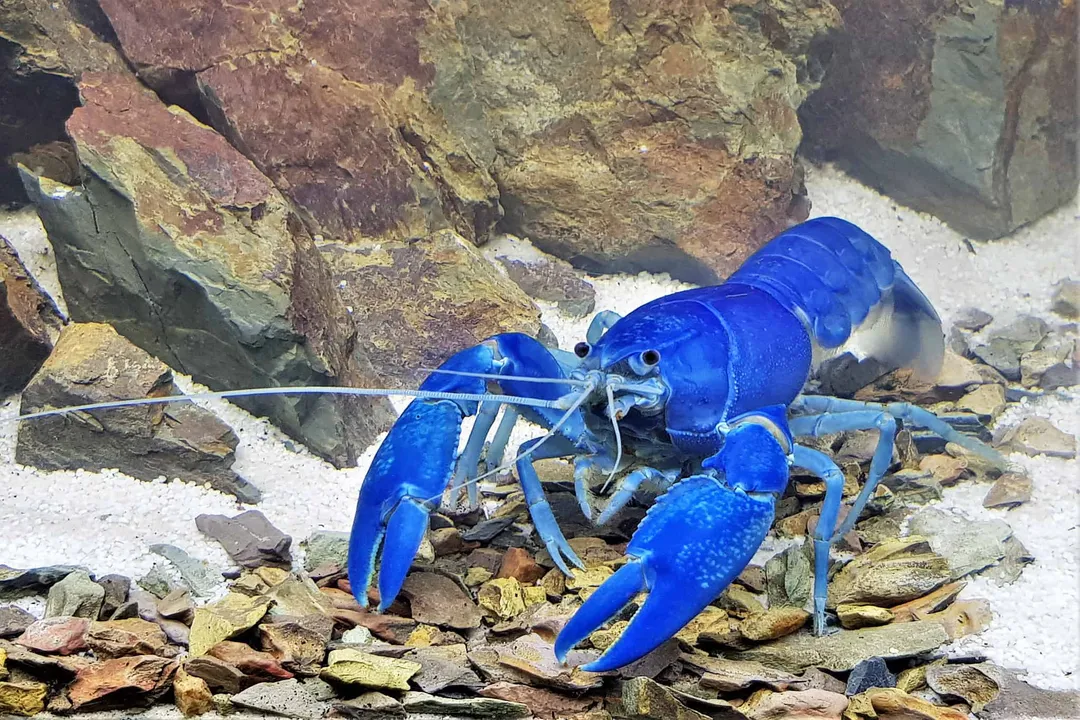
In terms of sheer size, the common yabby is one of the larger crayfish found in Australia [2 previous result]. While some exceptional specimens have been recorded reaching lengths up to 30 cm (12 inches), this represents the upper extreme. More typically, a healthy adult yabby measures between 10 and 20 cm (approximately 4 to 8 inches) in total length. Some sources specify that the carapace, or upper shell, might reach up to 7 cm in length, corresponding to a total body length of about 16 cm. This size range suggests that the environment plays a major role in reaching the upper limits of the species' potential growth.

# Head Features
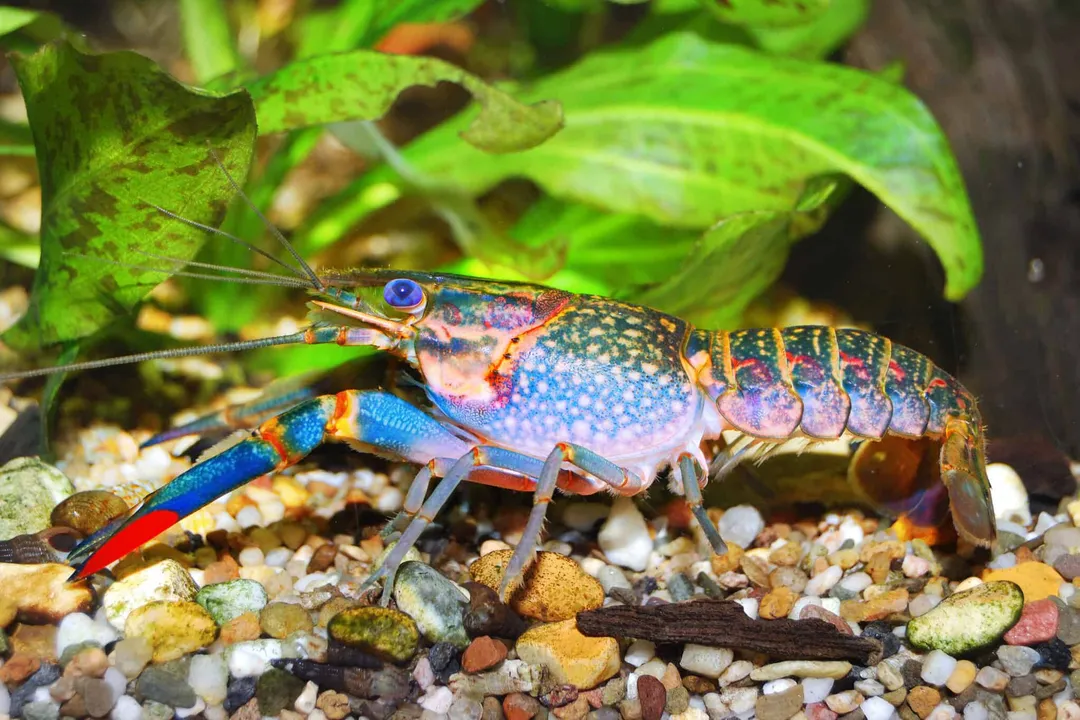
The cephalic (head) region offers several precise identifiers for C. destructor. A key characteristic involves the ridges atop the head. Observers should note the presence of four distinct ridges that extend backward from the area behind the eyes to the posterior section of the head.
More telling, perhaps, is the structure of the rostrum, which is the forward-pointing projection of the carapace situated between the eyes. In the common yabby, this feature is described as smooth. It lacks the spines, pronounced raised edges, or extended keels found in some similar species, such as the Australian Red Claw crayfish (Cherax quadricarinatus) [2 previous result]. This smooth, relatively short rostrum is a critical diagnostic feature separating C. destructor from other, sometimes closely related, crustaceans [3 previous result].
# Coloring and Appearance
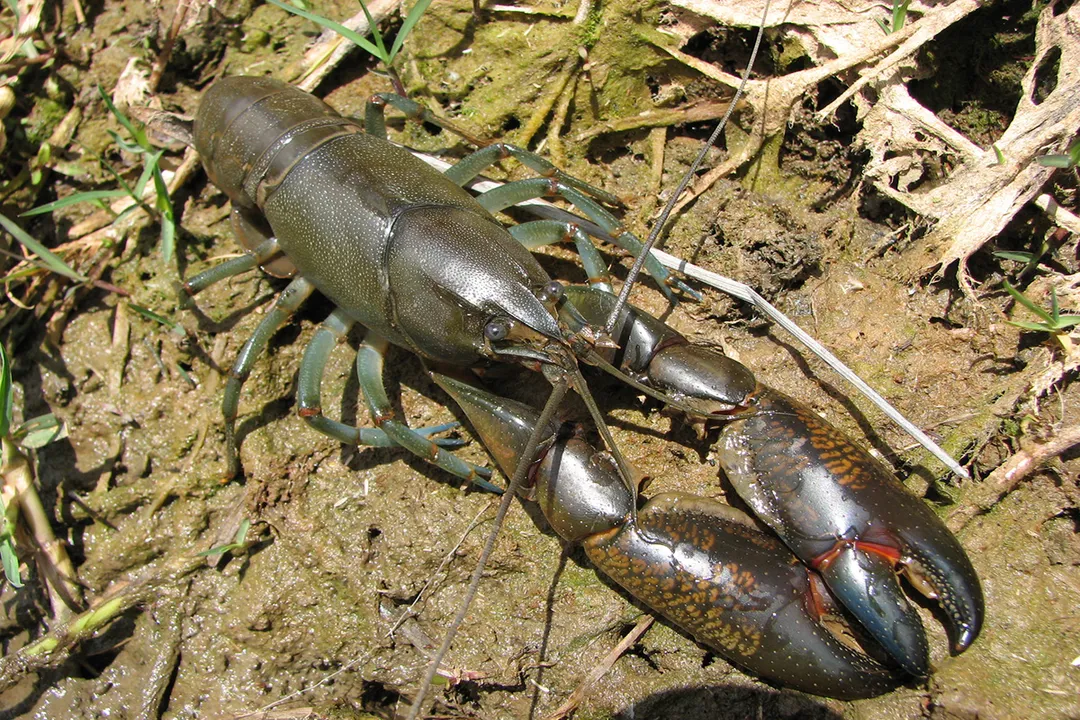
The physical appearance of the yabby is perhaps its most variable trait, directly reflecting its adaptability to diverse aquatic conditions. The color is not fixed but rather changes depending on habitat characteristics, especially water clarity and substrate composition.
When inhabiting clear waters, yabbies often present with darker pigmentation, ranging from black, blue-black, or a deep dark brown. Conversely, in environments characterized by turbid or muddy waters, the coloration shifts to lighter tones, often appearing as light brown, green-brown, or beige. The belly underside tends to be a muted, dirty-white or grey hue. This wide spectrum means that a blue specimen is usually found in clearer habitats, whereas a pale brown one is likely residing in a turbid farm dam. It is interesting to note that for the aquarium trade, breeders have specifically selected for a vibrant blue color, which is not always the most common shade found in the wild.
The large claws themselves also contribute to identification. While the body color varies widely, the large pincers often display a mesh-like color pattern. This subtle patterning on the claws, combined with the four head ridges and the smooth rostrum, creates a visual signature that helps experts distinguish C. destructor from other Cherax species, such as the Marron, which is noted for its dark purple or bright blue hue [2 previous result].
| Feature | Cherax destructor (Common Yabby) | Cherax quadricarinatus (Red Claw Yabby) |
|---|---|---|
| Claw Feature | Presence of setae (hairs) on the arm/wrist | Bright red patch on the outside of the large claw (males) [2 previous result] |
| Rostrum | Short and smooth, borders not spinous[2 previous result] | Generally has keels extending from the four ridges |
| Body Color Range | Very wide: beige to almost black, blue, green, brown | Typically more uniform, though specific coloration is less detailed across all sources [2 previous result] |
This range in appearance suggests an evolutionary advantage: a crayfish that can easily blend into both silty, muddy bottom environments and clearer, vegetated areas is better protected from predators like water birds.

# Impression of Robustness
Beyond static features, the yabby's physical structure supports its renowned resilience. Its ability to survive long periods of drought by retreating deep into burrows, sometimes for years, requires a highly durable carapace and metabolic shutdown mechanism. When they emerge, their physical recovery and ability to quickly re-establish populations are linked to rapid growth and early sexual maturity, sometimes in as little as one year. This physical hardiness—its ability to withstand low dissolved oxygen, high salinity, and temperature swings—allows it to thrive in disturbed or marginal habitats where native species struggle. In fact, their burrowing activity is so pronounced that their scientific epithet, destructor, refers directly to the physical damage their digging causes to farm dam walls and levee banks. When examining an older yabby, one might observe slight irregularities or asymmetries in the carapace near the junction points of the major limbs, a physical testament to repeated molting cycles under environmental stress.
In sum, the physical identity of the common yabby relies on a combination of specific morphological traits—the four head ridges, the smooth rostrum, and the hairy claws—overlaid by an extremely flexible pigmentation system that mirrors its surroundings.
Related Questions
#Citations
Yabby - The Australian Museum
Common Yabby - Ontario's Invading Species Awareness Program |
Yabby - NSW Department of Primary Industries
Yabby Animal Facts - Cherax destructor
Yabby Cherax destructor - Healthy Rivers
Invasive Species: Yabby - State of Michigan
Common yabby - Wikipedia
Yabby : Cherax destructor - Parastacidae (Freshwater crayfish)