Xoloitzcuintli Physical Characteristics
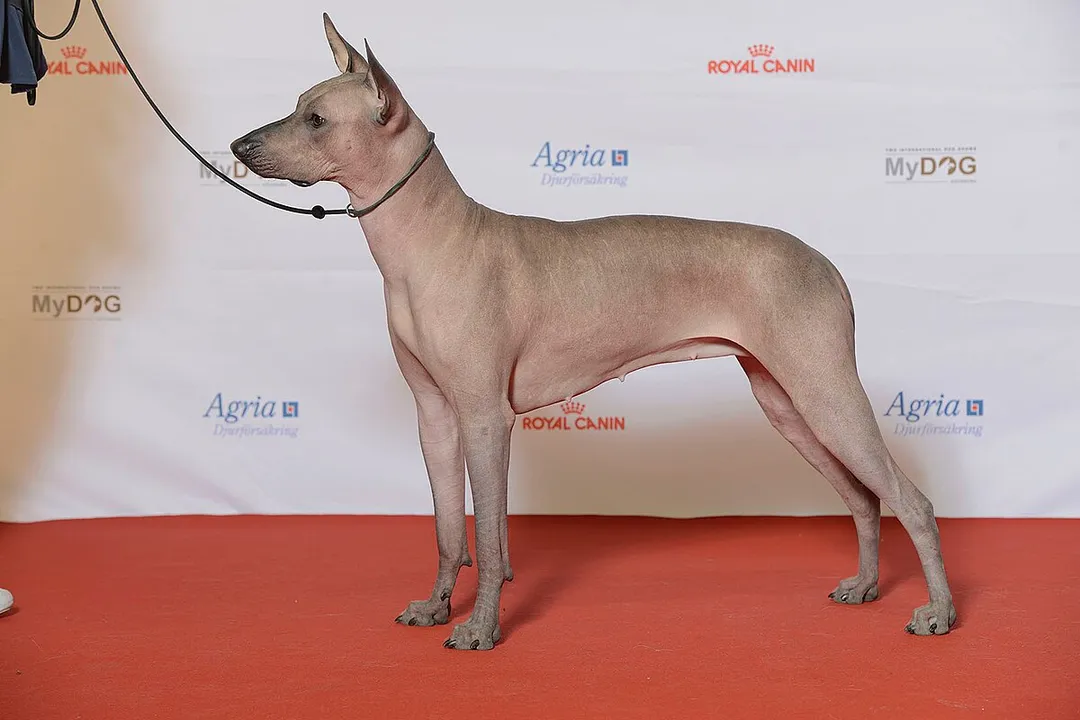
The Xoloitzcuintli, often called the Mexican Hairless Dog, presents an immediately striking silhouette, a breed steeped in ancient history spanning thousands of years in Mexico. [4][6][8] Its physical presentation is highly distinctive, instantly recognizable by the near or total absence of a coat, although recognizing the variations within the breed requires a closer look at its specific structure, size categories, and unique skin qualities. [1][5] They possess an inherent elegance that speaks to their long heritage, moving with a lightness that belies a deceptively strong frame. [1]
# Size Varieties
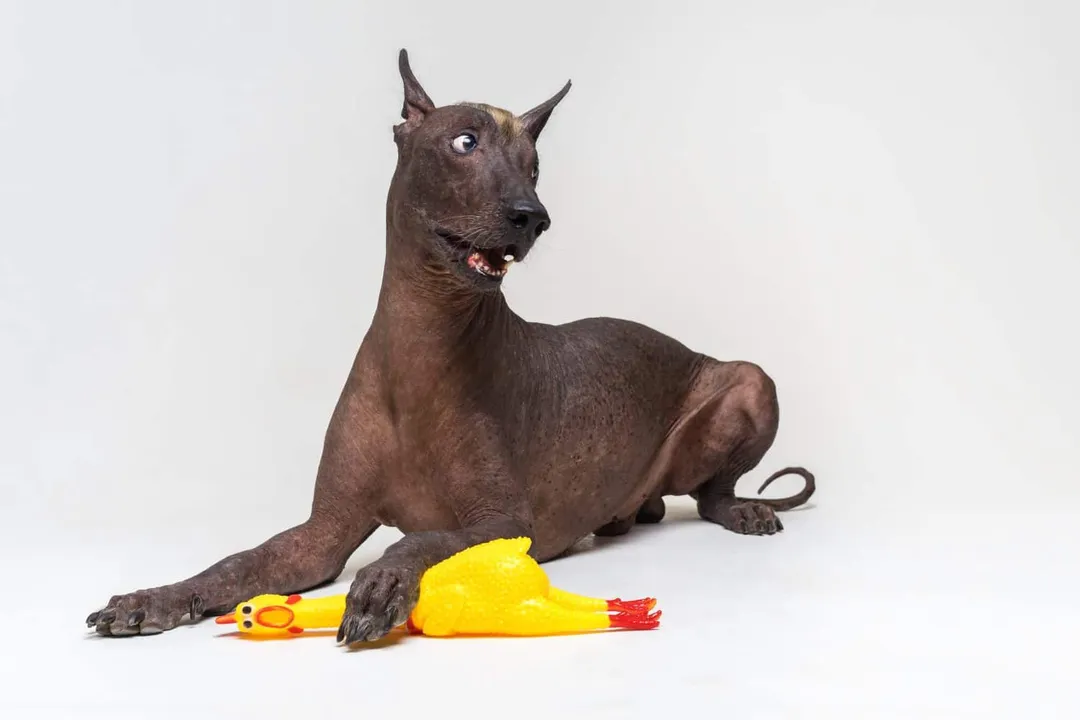
One of the first distinctions made when discussing the Xoloitzcuintli's physical profile is the recognition of three distinct size classifications recognized within the breed standard. [1][5] These categories allow the dog to fit into various lifestyles while retaining the core breed characteristics: Standard, Miniature, and Toy. [1][4] While specific height and weight ranges define the official separation between these classes, they all share the same fundamental proportions and head shape. [1] This versatility in size, maintained across thousands of years of development, is somewhat unusual compared to many ancient breeds that settled into a single, utilitarian size. [5]
# Coat Dichotomy
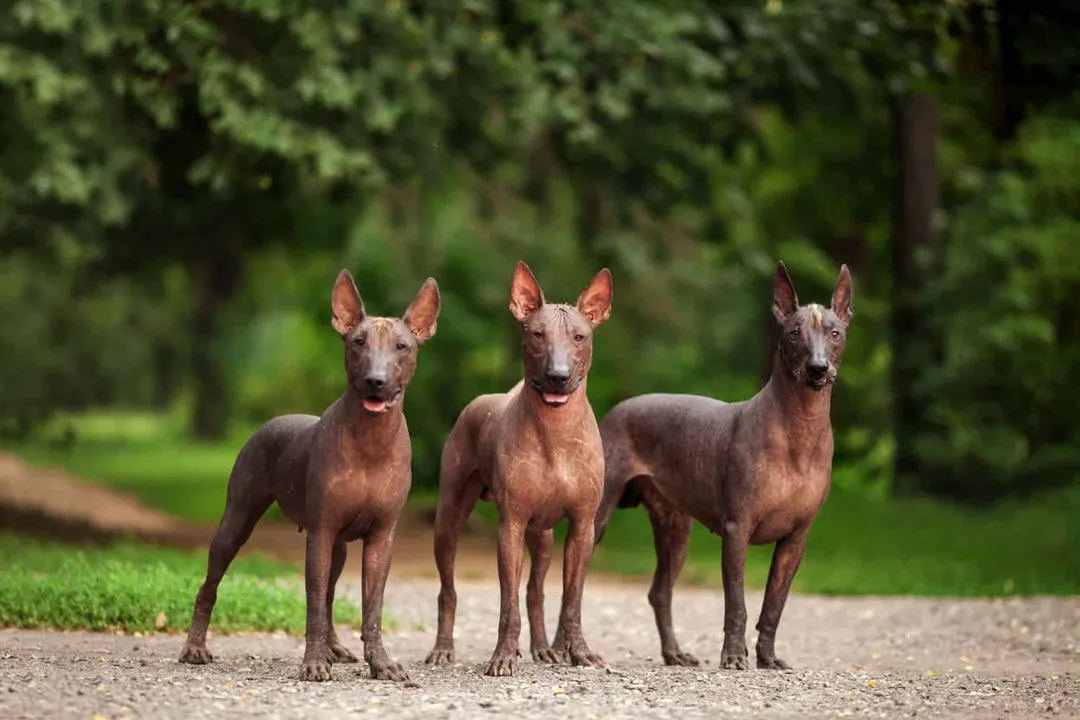
The most famous characteristic, naturally, is the skin itself. The Xoloitzcuintli exists in two official coat types: hairless and coated. [1][4] The hairless variety is genetically dominant, meaning it is the trait that is passed down more frequently. [4] These dogs are characterized by skin that feels surprisingly soft, smooth, and distinctly warm to the touch due to the lack of insulating fur. [1][6] It is worth noting that even the "hairless" dog is rarely completely naked; they often sport small tufts of hair on the top of their head, the lower parts of their legs, and the tip of their tail. [1][4][5]
In contrast, the coated Xolo has a short, smooth coat covering its entire body. [1][5] This coated type is not merely a variation; it is an integral part of the breed's makeup, and these dogs generally share the same temperament and structure as their hairless counterparts. [4] For owners managing a hairless specimen, understanding that skin temperature variation is normal is key. On a cool day, the skin feels cooler, but indoors or in sunlight, the lack of insulation makes them radiate heat more noticeably than a thickly coated dog, requiring owners to be mindful of environmental protection from both intense sun and sharp drops in temperature. [1][6]
# Head Details
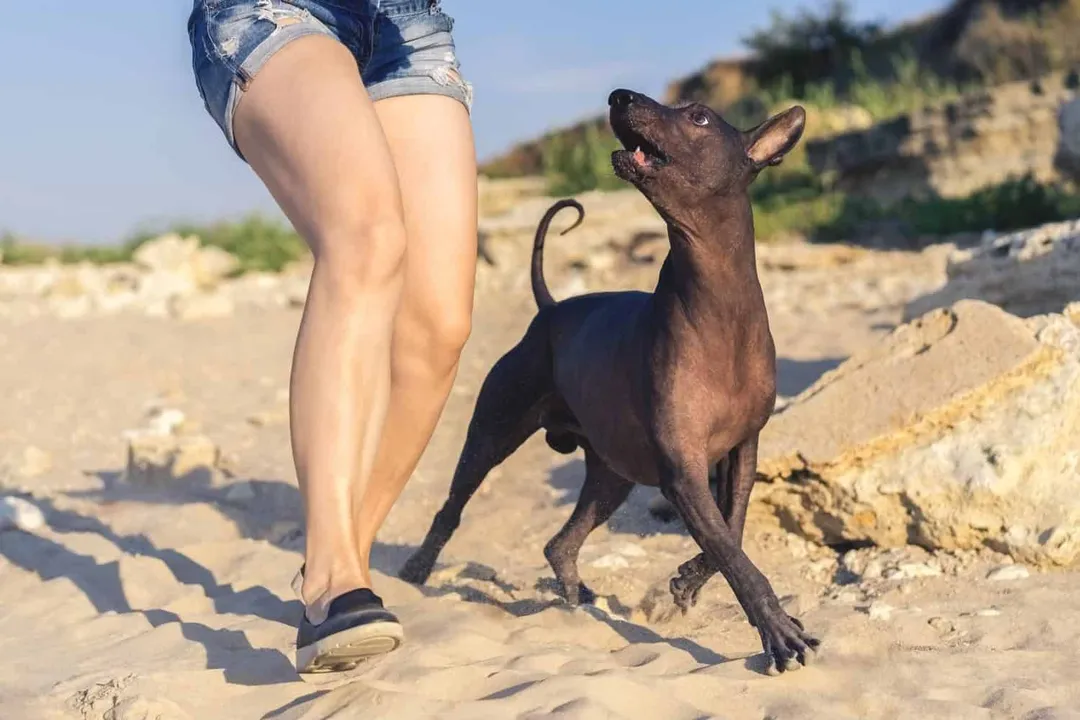
The head of the Xoloitzcuintli is a study in refinement and alertness. It is described as wedge-shaped, tapering gradually toward the nose. [1] The muzzle is long, yet strong, supported by a sound underjaw. [1] Perhaps the most arresting feature atop the head are the ears. They are quite large, thin, and noticeably erect, often described as bat-like. [1][5] While they might appear delicate due to their thin structure, these ears are strong and highly mobile, constantly scanning the environment. [1] The eyes are typically almond-shaped, conveying an intelligent and expressive gaze, usually dark in color, which complements the overall noble expression. [1]
# Structure Movement
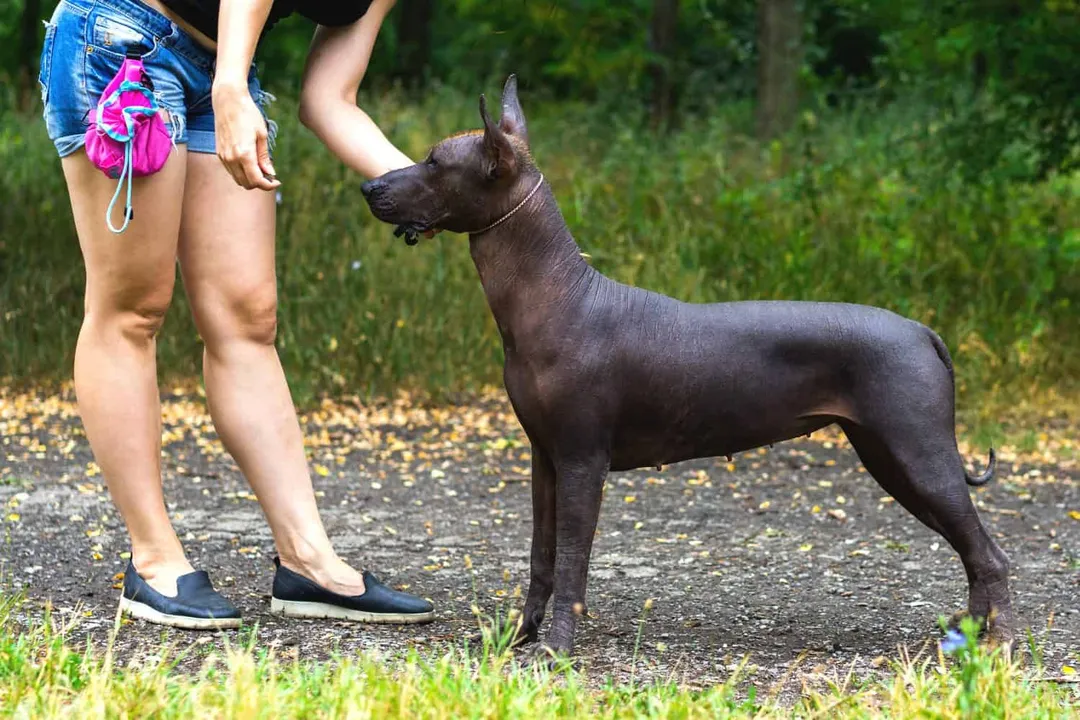
Physically, the Xolo is built for agility and endurance rather than brute strength. They are lean and well-muscled, suggesting a dog designed for moderate work over long periods. [1] A key structural note is that their body length is generally slightly greater than their height, giving them a rectangular profile rather than a square one. [1] This structure supports a graceful, light-footed gait. [1] When observing a Xolo gait, one notices a smooth, almost effortless trot, indicating efficient movement across varied terrain—a necessary characteristic for an ancient breed that accompanied humans on long treks. [5] The bone structure is strong, preventing them from appearing frail despite their lack of heavy coat. [5]
# Color Patterns
The spectrum of potential colors and markings on a Xoloitzcuintli is quite broad, offering significant visual diversity within the breed, regardless of coat type. [1][5] Accepted colors include solid shades like black, gray, slate, liver, bronze, or brown. [1] Furthermore, they can exhibit various patterns, such as splashed or spotted markings, adding another layer of uniqueness to their appearance. [1][5] It is interesting to observe that the coloration of the skin in the hairless variety is as varied as the coat colors in other breeds, making each dog visually distinct. [5]
When assessing the physical attributes side-by-side, the hairless versus coated comparison reveals more than just texture. While both share the same excellent conformation, the coated variety offers a more familiar tactile experience, whereas the hairless dog provides a direct connection to the dog’s underlying musculature and form. [1][4] Observing a pair of littermates, one coated and one hairless, provides an excellent real-time demonstration of the dominant gene expression in action, as both share the same underlying skeletal and muscular blueprints. [4] Furthermore, when considering skin health, the smooth, hairless skin requires diligence in moisturizing and sun protection, an essential aspect of care that the coated dogs bypass almost entirely. [1] This difference in integumentary management is a primary physical consideration for prospective owners when selecting between the two recognized coat types. [5]
Related Questions
#Citations
Xoloitzcuintli Dog Breed - Hill's Pet Nutrition
Introduction to Xoloitzcuintle Puppy Xochitl - Facebook
Xoloitzcuintli Facts - Dog Breeds - Wisdom Panel
Xoloitzcuintle - Wikipedia
Xoloitzcuintli - All About Dogs - Orvis
Male vs Female Xoloitzcuintli: 5 Key Differences - A-Z Animals
The Xoloitzcuintli: The Beloved Dog of Mexican Culture - Blog Xcaret
Xoloitzcuintli Dog Breed and Characteristics - Showsight Magazine