Wrasse Locations
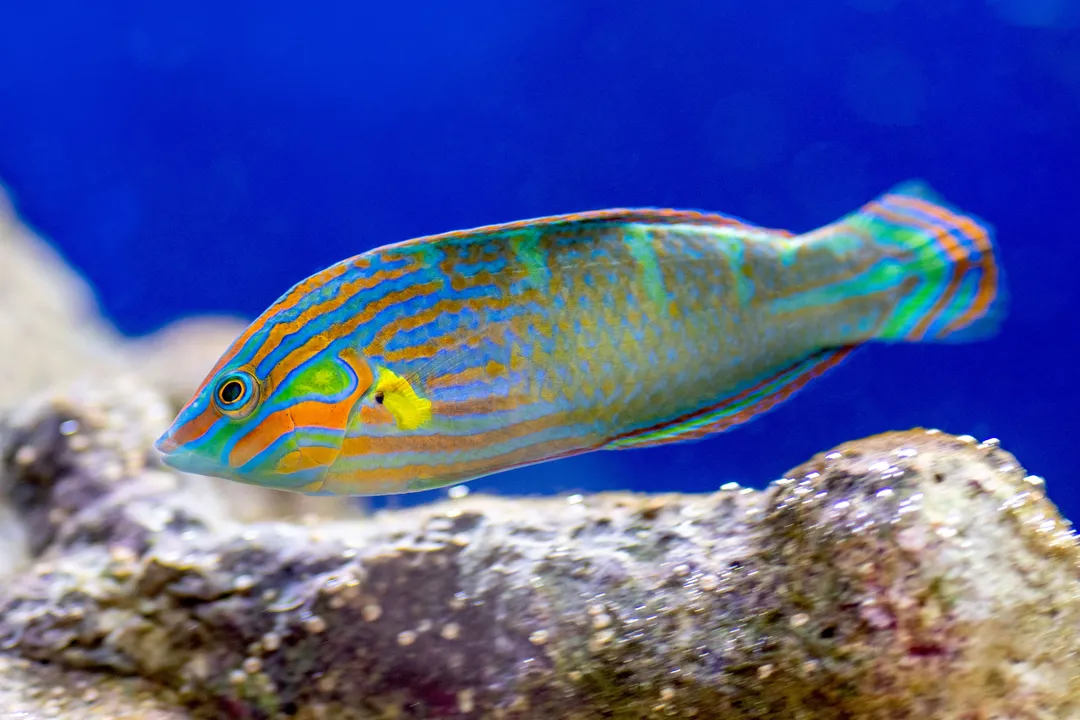
The Wrasse family, scientifically known as Labridae, represents an incredibly diverse group of fishes whose distribution spans the globe’s warmer marine environments. [1] These fish are overwhelmingly associated with saltwater, making tropical and subtropical zones their primary domain. [1] While pinpointing a single "wrasse location" is impossible due to the thousands of species within the family, their presence is almost always tied to complex, structured habitats rather than the open blue water. [3]
# Marine Zones
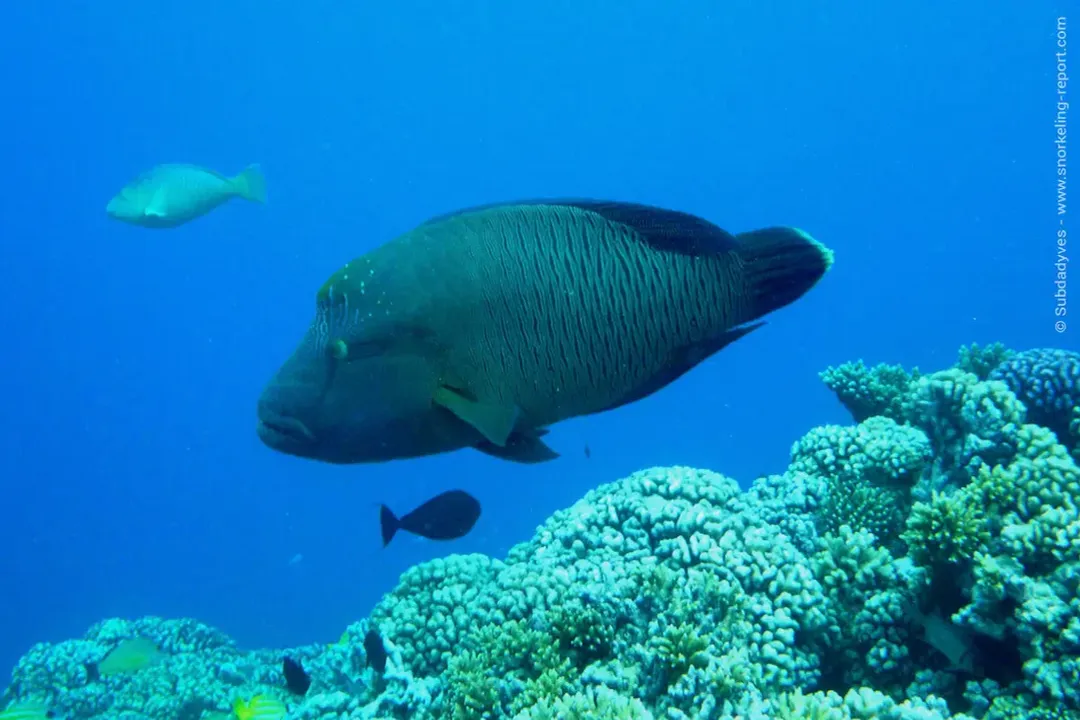
The sheer geographic spread of wrasses is impressive, covering the vastness of the world's oceans. [1] Generally, you will find them inhabiting the coastal waters of both the Atlantic and Pacific Oceans, as well as the Indian Ocean. [1] Their preference leans heavily toward warmer temperatures; while exceptions exist, the concentration of species richness is found where the water remains consistently warm throughout the year. [1] This biological preference means that searching for the greatest variety of wrasse species means heading toward equatorial regions. [1]
Contrastingly, while the family is predominantly marine, the source information indicates that the Labridae family is not exclusively saltwater dwellers, though the majority of commonly sighted and photographed species are marine. [1] For those interested in the specific habitats of common aquarium specimens, species like the cleaner wrasse or various hawkfish-like wrasses are strongly endemic to high-energy reef systems. [4][6]
# Reef Dependence
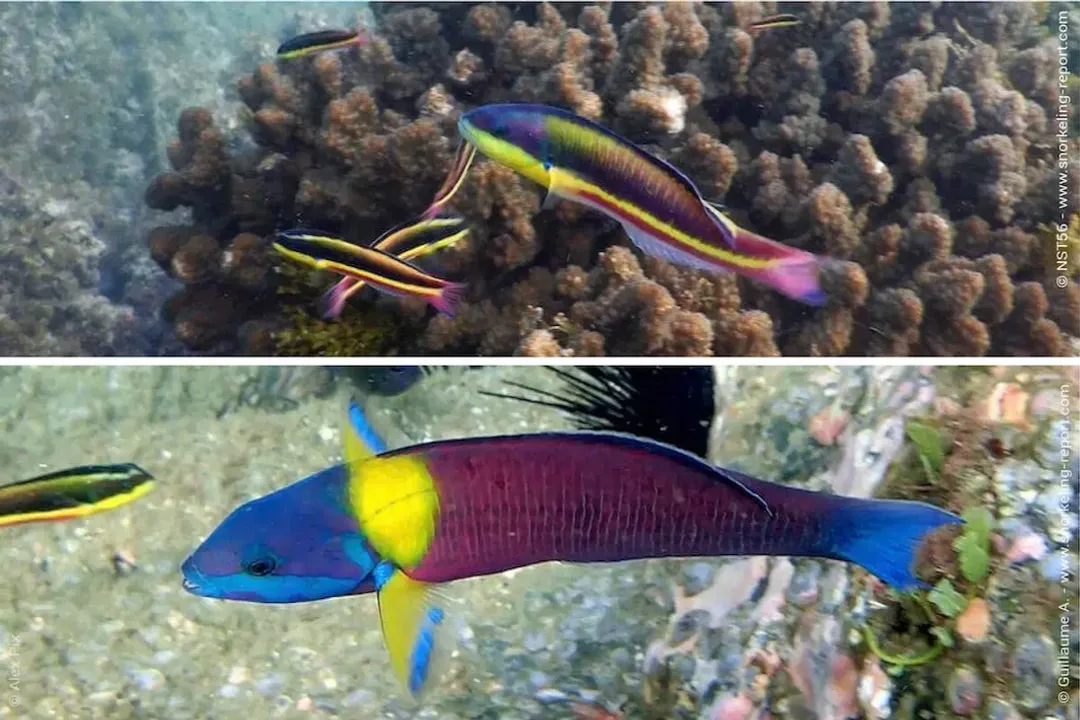
For many wrasse species, the location isn't just a general ocean region; it's a specific biotope: the coral reef. [4][6] Coral reefs provide the necessary physical structure for shelter, feeding grounds, and reproductive sites. [6] When observing or diving near healthy reef structures, the likelihood of encountering numerous wrasse species increases significantly. [7]
The structural complexity of a reef dictates which wrasses can reside there. Species that rely on picking small invertebrates from crevices will favor areas with high coral heterogeneity, meaning many nooks and crannies are available. [6] If you are snorkeling or diving, areas where you see vibrant, healthy hard corals—especially branching or massive forms—are prime wrasse locations. [5] Furthermore, the location of a reef—whether it's an exposed outer crest battered by waves or a sheltered inner lagoon—will influence the size and feeding behavior of the resident wrasses. [7]
It is interesting to note how the habitat requirements affect perceived population density. While the large, iconic wrasses need vast, interconnected reef systems to support their foraging range across multiple days, smaller, territorial species can thrive in a very confined area, perhaps centered around a single large coral head. [7] This means that a tiny, isolated reef patch might support several generations of small wrasses but could not sustain a single large Napoleon Wrasse, thereby defining the location based on the species' scale of movement.
# Substrate Variety
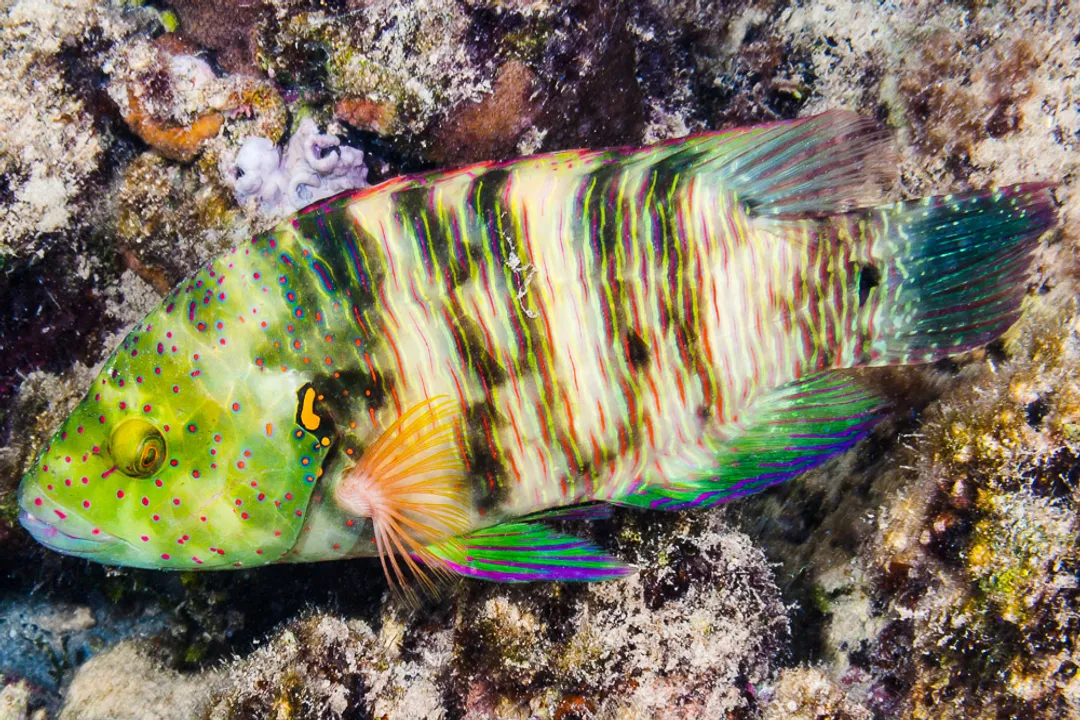
Although coral reefs dominate the discussion, wrasses are adaptable, and their required location often expands to include nearby substrates once their basic needs for protection and food are met. [1] This means that just outside the main reef framework, transitional zones hold important wrasse populations. [1]
These areas include:
- Rocky Reefs: Places with rocky bottoms, overhead cover, and crevices are favored by species that prefer hiding over open swimming. [1]
- Sandy Bottoms: Certain wrasses, especially those that burrow for protection or to rest, make their home in sandy or rubble areas adjacent to reefs. [1] For instance, some species are known to dive into the sand to escape predators or sleep at night. [1]
- Seagrass Beds: In some tropical locations, dense seagrass meadows offer a different type of hiding spot and a distinct food source, supporting species specialized for that environment. [1]
When comparing the reef to these adjacent zones, an observer might notice that the wrasse population shifts. Reef-centric species might venture out onto the sand only to feed, but those specialized burrowers will be found within the sand matrix itself, making the substrate the key locational factor. [1]
# Unusual Sightings
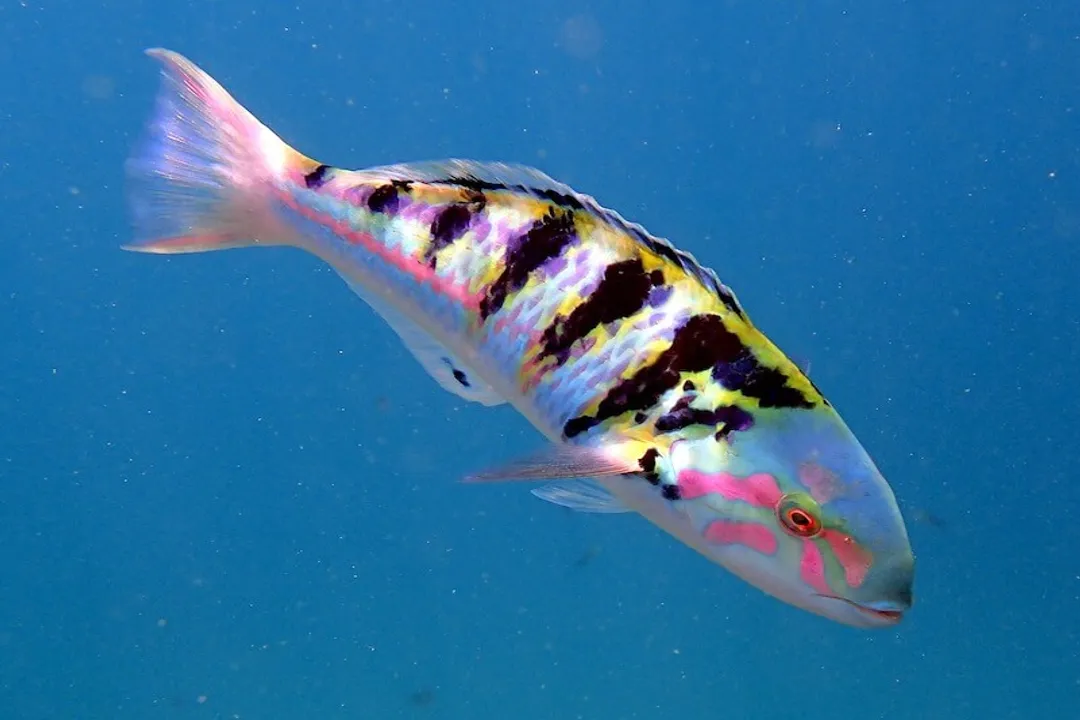
While the majority of wrasse locations are predictable marine habitats, there are documented, albeit rare, instances where these fish appear in entirely unexpected places due to extreme meteorological events. [3] This phenomenon is known as "fish rain," where marine life is sucked up from the ocean surface by powerful storm systems, most notably waterspouts, and subsequently dropped miles inland or over coastal areas. [3]
Wrasses, due to their common presence in shallow tropical waters where waterspouts frequently form, have been among the species documented in these peculiar precipitation events. [3] This is less about their chosen habitat and more about the location of the atmospheric mechanics that briefly displaced them. [3] Such events provide temporary, strange locations for wrasses far from their normal environments. [3]
For those seeking wrasses in a controlled location, the aquarium trade provides another context. [5][8] While not a natural location, the species selected for home aquariums must have their enclosures mimic their native habitats as closely as possible, often requiring substantial live rock to simulate the reef structure where they naturally reside and feed. [8] The success of keeping species like the various hawkfish-like wrasses hinges on accurately replicating the complexity of their native reef location. [8] This necessity underscores how structure—the physical location—is fundamentally tied to the species' survival, even when removed from the wild ocean. [8] The specific species one seeks often dictates the exact type of rockwork, sand bed depth, and water movement required to simulate the correct place. [6]
Related Questions
#Citations
Wrasse fish - List of fishes - Fishipedia
Stunning Photos of Different Types of Wrasse Fish - The Spruce Pets
Fish Rain Wrasses - Spanglers' Scuba
Wrasse species Identification Guide - Snorkeling Report
Wrasses – Aquatic Collection Aquarium
All About Reef Safe Wrasses
Wrasse - SSI
Wrasses in My Aquarium | Tropical Fish Hobbyist Magazine