Worm Physical Characteristics

The term "worm" describes a vast array of soft-bodied, elongated animals that lack jointed limbs or a backbone, making physical descriptions highly dependent on which specific group we are examining. [1][4][6] Generally, a worm possesses a tubular shape, often described as cylindrical, though this varies significantly; some forms are remarkably flattened, while others are distinctly round in cross-section. [1][6] Across this diverse phylum, a consistent characteristic is the absence of complex sensory organs like true eyes, though some primitive light-sensing structures may be present in certain species. [7][9] They exist across nearly all environments, from the soil beneath our feet to the oceans' depths, a testament to their elemental and highly adaptable body plan. [1][4]
# Body Shape

The defining physical trait shared by most creatures generally called worms is their relative simplicity in external structure. [4][7] They are characterized by a long, thin body plan, which allows them to burrow easily through soil or sediment. [2][5] This basic form is an evolutionary success story; the lack of appendages reduces drag in confined spaces and minimizes the energy needed for movement. [1] While earthworms, belonging to the phylum Annelida, are famously segmented, other significant groups like Nematodes (roundworms) and Platyhelminthes (flatworms) present different profiles. [1][6] Flatworms are distinctly unsegmented and flattened from top to bottom (dorsoventrally), resulting in a ribbon-like appearance. [1][6] Roundworms, conversely, are cylindrical and smooth, appearing pointed at both ends. [1][6]
# Skeletal Structure
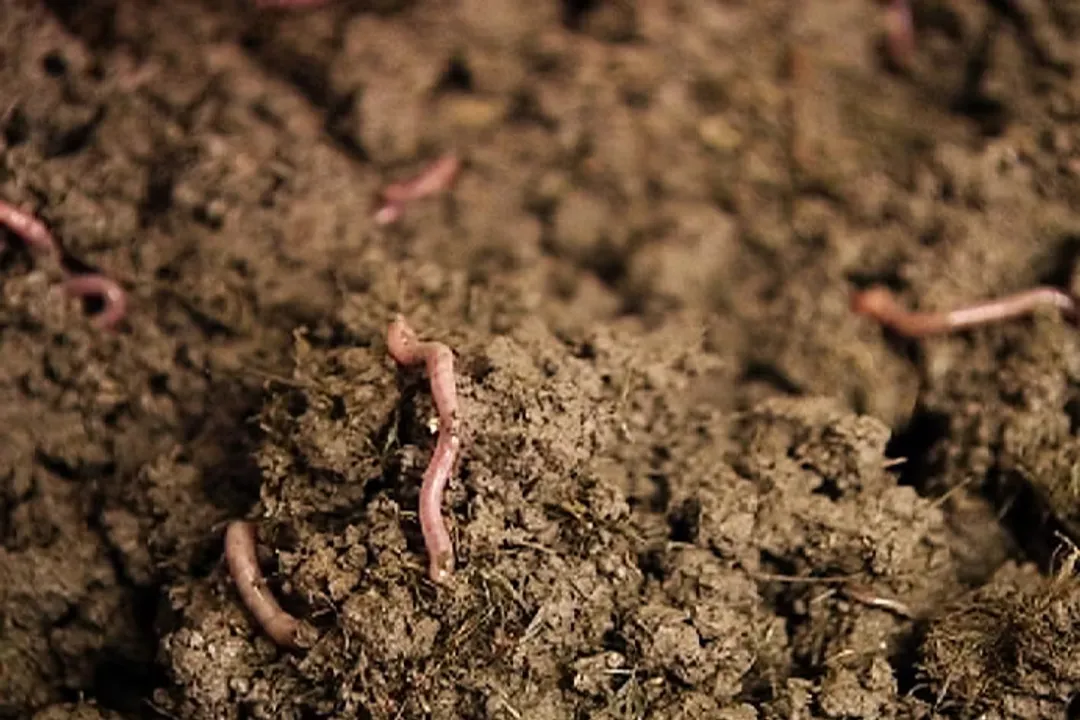
Worms do not possess a rigid internal skeleton made of bone or cartilage, nor do they have an external shell. [4][9] Instead, their form and movement are maintained by a hydrostatic skeleton. [1][4] This system relies on the pressure of an internal fluid contained within the body cavity, which resists external forces and provides rigidity when muscles contract. [1]
Movement itself is achieved through the coordinated action of two primary muscle layers lining the body wall: circular muscles and longitudinal muscles. [4][8] When the circular muscles contract, the body lengthens and becomes thinner, which is essential for pushing through soil. [4][8] When the longitudinal muscles contract, the worm shortens and thickens. [8] In annelids like the earthworm, these muscle contractions operate segment by segment, allowing for complex, undulating locomotion. [1][4] It is fascinating to observe how this simple interplay of fluid pressure and opposing muscle groups enables organisms without a single joint to achieve such varied speeds and maneuvers, a feat of biomechanical efficiency that contrasts sharply with the mechanics of vertebrates. [8]

# Segment Count
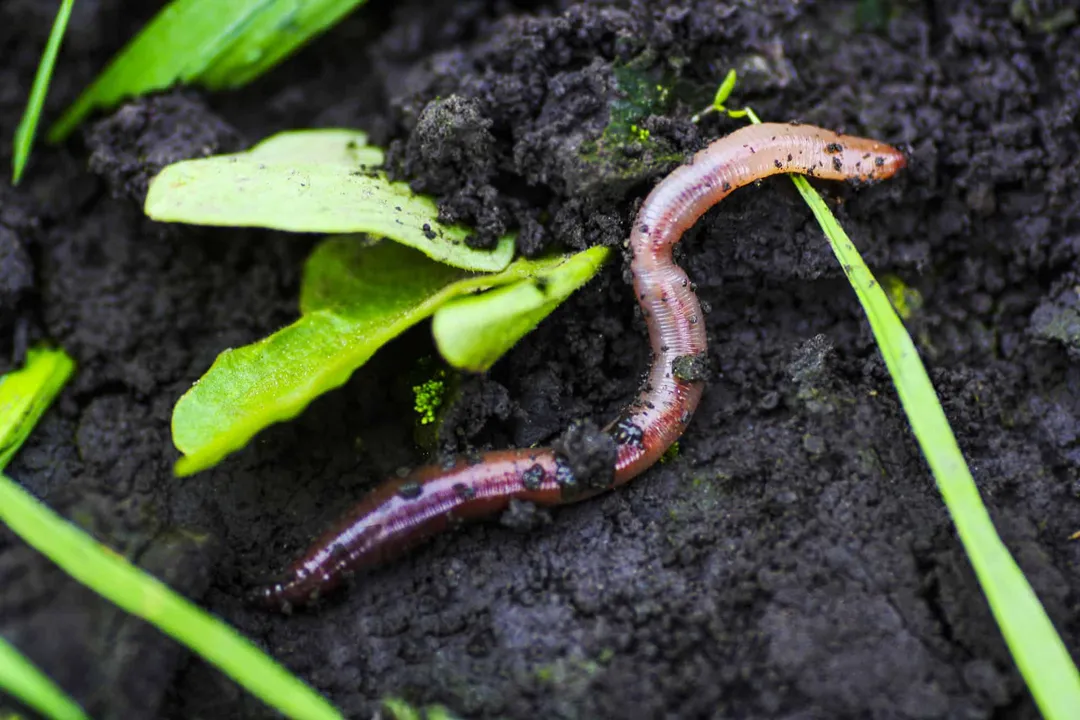
Segmentation, or annulation, is a key feature that helps classify different types of worms, though it is not universal. [1] Earthworms, as members of the Annelida phylum, exhibit obvious external rings that correspond to internal divisions, which is why they are called annelids—"little rings". [1][4] This segmentation allows for specialized function in each section and provides flexibility for burrowing. [1]
In contrast, Nematodes and many parasitic worms, such as flukes and tapeworms, are not segmented. [1][6] Although a tapeworm may appear to have repeating units (proglottids), these are reproductive structures developing sequentially, not true body segments like those seen in annelids. [1] The distinction between a true, repeated segmental unit (annelid) and a developmental, non-repeating unit (like tapeworm proglottids or the general smooth surface of a nematode) is fundamental to understanding worm anatomy. [1][6]
# Skin Functions
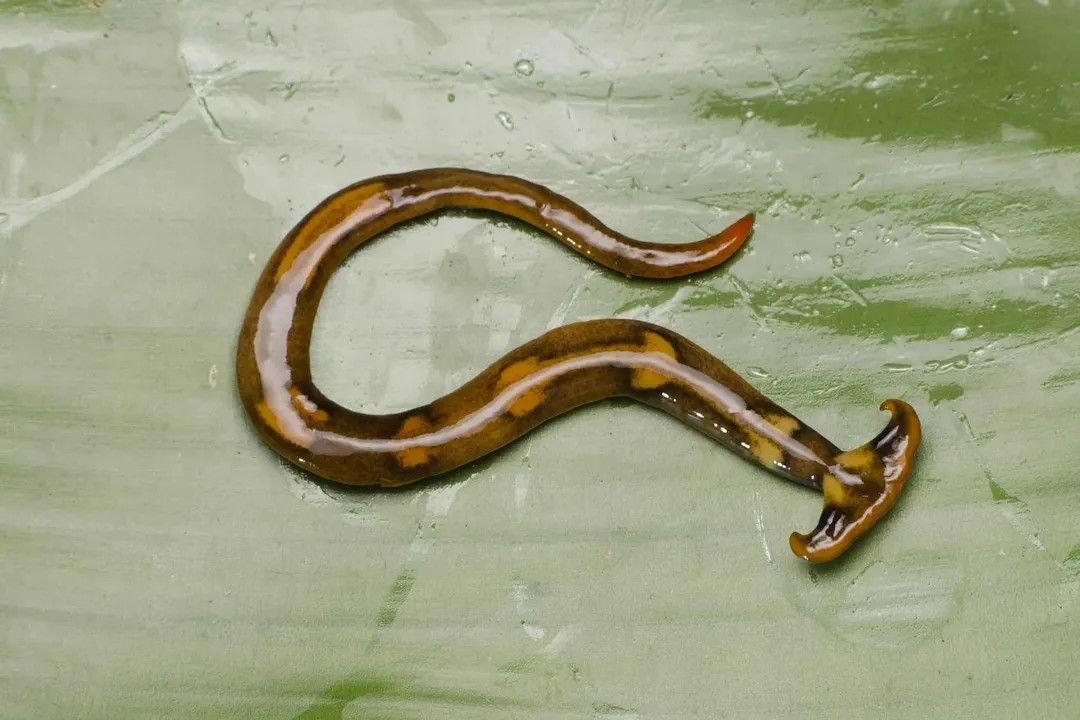
The outer covering, or epidermis, of many terrestrial worms, particularly the earthworm, must remain consistently moist for survival. [2][8] This is because they rely on cutaneous respiration; they absorb necessary oxygen directly through their moist skin and expel carbon dioxide in the same manner. [2][5][8] If the skin dries out, the worm suffocates. [2][5] Furthermore, the skin is covered in a thin layer of mucus, which aids in locomotion by reducing friction when moving through soil and also offers some protection against minor abrasions. [2][5]

# Feeding Anatomy
The anatomy related to feeding is another point of significant divergence among worms. [7] Most earthworms possess both a mouth for ingesting food and an anus for excretion, featuring a relatively simple, straight digestive tract running the length of the body. [4] They draw soil into their mouth using muscular contractions of the pharynx. [4]
However, the physical characteristics around the mouth can differ based on diet. Predators or parasitic forms often have specialized features. For instance, some parasitic worms possess hooks or suckers used to attach to internal host tissues. [7] A key anatomical feature on many earthworms is the clitellum, a noticeable, swollen, light-colored band or saddle located towards the front end of the body. [2][5] While not directly involved in eating, this structure is vital for reproduction, as it secretes the mucous cocoon that holds the eggs. [2][5]
# Size Spectrum
The physical dimensions of worms span an incredible range, making any single size description misleading. [4] On one end of the scale, many parasitic nematodes are microscopic, invisible to the naked eye, specialized for survival within a host's circulatory system or tissues. [7] On the other end, certain marine polychaetes, which are segmented marine worms, can reach lengths of several meters. [4] The common garden earthworm typically measures only a few inches, but even within this group, species size varies considerably depending on local soil conditions and available nutrients. [2][5]
Considering this vast size difference—from microscopic parasites to meter-long marine annelids—it becomes clear that a worm's physical size often dictates its ecological role and its primary mode of interaction with its immediate surroundings. A tiny soil nematode faces predation and desiccation risks entirely different from those faced by a large, protected seabed worm, requiring vastly different skin thicknesses and muscle densities to cope with pressure or substrate texture. [4][7] This illustrates how the fundamental worm blueprint is molded by environmental pressures into radically different physical forms. [1]
Related Questions
#Citations
Worm - Wikipedia
Earthworm | National Geographic Kids
Worms | Characteristics, Types & List - Lesson - Study.com
worm - Students | Britannica Kids | Homework Help
Worms | Backyard Farmer - University of Nebraska–Lincoln
What are worms? - The Australian Museum
Worm - A-Z Animals
Earthworm adaptations - Science Learning Hub
What are the main characteristics of worms? - Quora