Why do gorillas have such small PP?
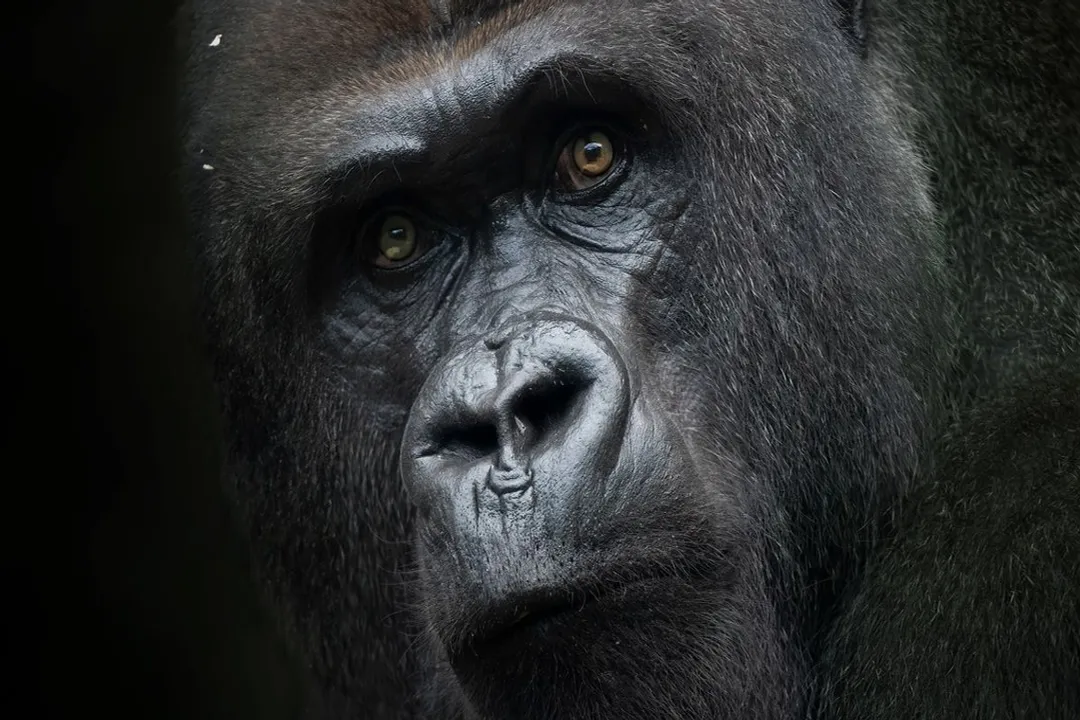
The observation that gorillas, despite their massive stature, possess relatively small external genitalia compared to other primates, especially humans, is a common point of curiosity for those studying primatology or simply comparing species. This anatomical feature isn't a random quirk of evolution; rather, it reflects deep-seated differences in social structure, mating dynamics, and reproductive strategy that have shaped primate lineages over millennia. [1][2][4] When examining the great apes, the contrast between the imposing silverback and the diminutive appearance of his reproductive organs presents a compelling case study in sexual selection.
# Testicular Size
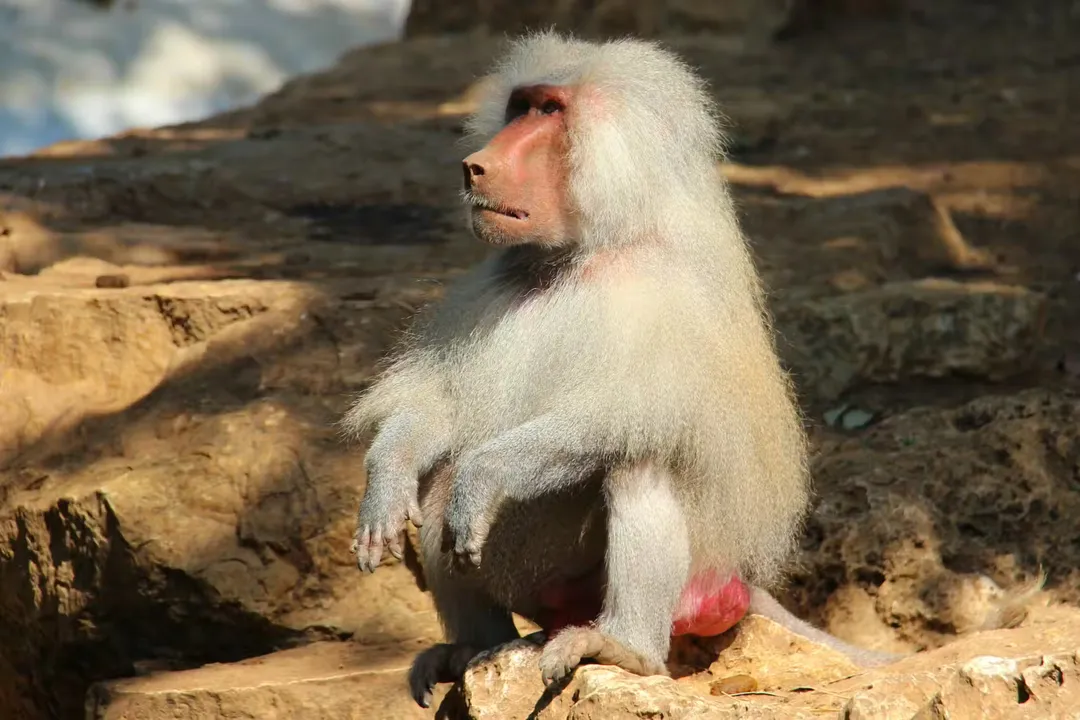
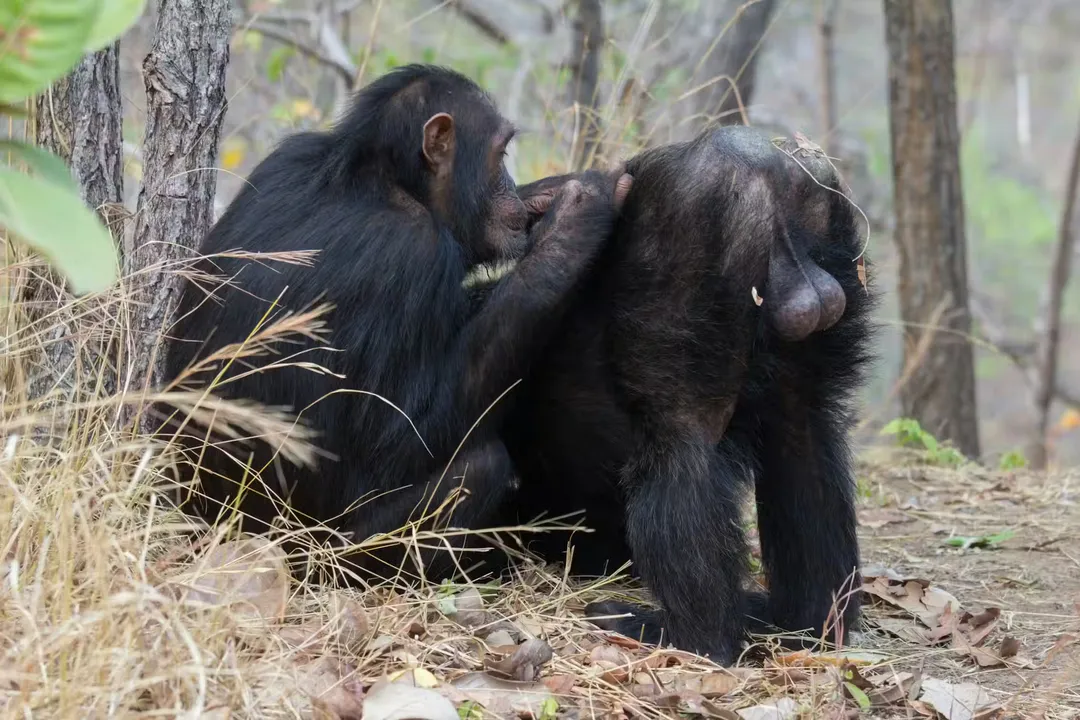
A significant aspect often discussed alongside penile size in these comparisons involves the testes. For instance, while a silverback is a dominant, imposing figure, his testicles are surprisingly small relative to his body size when compared to species like chimpanzees. [5] This difference provides a strong clue about evolutionary pressures. In species where males must constantly compete to fertilize the female's eggs—a scenario known as sperm competition—larger testes are favored because they produce a greater volume of sperm. [7]
Chimpanzees live in fluid social groups where females often mate with multiple males in a short period. This intense sperm competition has driven the evolution of exceptionally large testes in chimps relative to their body mass. [7] Gorillas, however, operate under a much more stable, polygynous system centered around one dominant silverback who monopolizes mating opportunities with the females in his troop. [5] In this environment, sperm competition is significantly reduced, meaning there is less evolutionary pressure favoring the production of massive sperm loads, thus correlating with smaller testicular volume. [5] This pattern suggests that sexual selection pressures acting on sperm production—driven by social complexity—are a key determinant in the evolution of male reproductive anatomy across apes. [4]
# Penile Proportion
The human penis, by contrast, is significantly larger than that of gorillas, chimpanzees, and orangutans, particularly in terms of flaccid length and girth. [4] While the gorilla's testicles appear minimized due to low sperm competition, their penile size seems to be scaled down in proportion to their overall reproductive strategy, which relies on dominance rather than courtship or prolonged copulation. [1][4] Gorillas have been described as having short, thick penises that are generally concealed within their thick coat of fur, and the visible external appearance is quite unassuming. [9]
The evolutionary function of penis size in primates is complex, often theorized to relate to 'sperm plugging' to prevent rival sperm or female choice. [7] In species where the male's success hinges almost entirely on his physical dominance and control over a harem—as is the case for the silverback—the need for elaborate anatomical features to secure paternity might be minimal compared to species where males must sneak matings or where females are more promiscuous. [4] One might consider the energy budget: every extra gram of tissue dedicated to ornamentation or oversized primary or secondary sexual characteristics represents metabolic energy not spent on muscle mass, intelligence, or immune defense. For a silverback whose primary evolutionary currency is sheer physical presence and group defense, investing heavily in a larger penis, which is functionally hidden most of the time, seems like an inefficient allocation of resources when compared to the direct benefits of bulk and threat display. [9]
# Genetic Links Uncovered
Recent scientific inquiry has moved beyond simply observing these differences to identifying potential genetic mechanisms. Intriguingly, research has pointed to shared genetic mutations that result in smaller penises in gorillas, which may also have implications for modern human males. [6][8] Studies suggest that the very genetic pathways that resulted in the relatively small primate penis in gorillas might also be associated with reduced fertility in human males. [8]
This finding offers a fascinating, though somewhat concerning, point of comparison. If the same set of genes is involved, it implies that the genetic architecture for specific traits—in this case, penile development—is conserved across these closely related species, even if the selection pressures acting on those genes differed drastically. [6] For instance, a gene variant that causes a minor reduction in size in a gorilla where dominance secures mating might manifest as a more significant issue in the context of modern human female choice and lower male-male confrontation rates. [5][8] The researchers noted specific differences in gene structures related to cell proliferation during development, which could explain the variance in the final organ size between humans and gorillas. [6]
# Comparative Primate Anatomy
Understanding the gorilla's anatomy requires contextualizing it within the broader family of great apes. [4]
| Primate Species | Typical Social Structure | Relative Testis Size (Estimate) | Key Reproductive Pressure |
|---|---|---|---|
| Gorilla | Polygynous (One dominant male) | Small | Dominance ensures paternity |
| Chimpanzee | Fission-fusion (Multi-male/multi-female) | Very Large | High sperm competition |
| Human | Monogamous/Polygynous (Variable) | Medium/Moderate | Complex mix of factors |
| Orangutan | Solitary | Small | Male-female contact is brief |
This table highlights that reproductive anatomy is tightly coupled with the mating system. [4][5] While the gorilla system favors bulk and defense, the orangutan's solitary nature leads to small testes because males encounter females infrequently, minimizing competition. [4] Humans occupy a middle ground; while social structures vary, the moderate size suggests a balance between mating competition and other selective forces that favored a larger human penis, perhaps related to signaling or better fit within the human vagina, which differs anatomically from that of other apes. [7]

# Evolutionary Trade-offs
The specific configuration seen in gorillas—massive body, pronounced sexual dimorphism (males much larger than females), but relatively small genitals—is characteristic of species where intrasexual competition for access to females is primarily solved through physical dominance rather than continuous sperm competition or elaborate displays during copulation. [2][4] The sheer size of the silverback acts as the primary deterrent to rivals. Once he controls the group, his paternity is largely assured by his muscle and threat display, reducing the selective incentive to evolve exaggerated genital structures or maintain a massive sperm-producing apparatus.
It is worth considering that the evolution of the human penis, which is notably larger than that of any other great ape when scaled for body size, may also be an outcome of trade-offs, though favoring a different direction. Some hypotheses suggest that the human penis size is related to the removal of other males' sperm (a form of 'scooping' or displacement) or, alternatively, that it evolved as an honest signal of male quality to the female. [7] When comparing the highly dominant, physically imposing, yet genitally modest gorilla to the less dimorphic, less physically dominant human, we see two very different, yet equally successful, evolutionary paths driven by the singular goal of passing on genetic material. The gorilla's path prioritized brute force in securing mating rights, making elaborate genital engineering largely redundant.
Related Questions
#Citations
Gorilla Dicks Are Absolutely Tiny. The Reason Why Is Fascinating
Why Do Gorillas Have Such Small Genitals?
TIL The silverback gorilla has the smallest penis and testes of all ...
Why is it that the non-human great apes have such small penises ...
Why Gorillas Have Tiny Testicles, and So Do Humans
The same genetic mutations behind gorillas' small penises may ...
Why did humans evolve big penises but small testicles?
Study: Same genes that made gorilla penises small may make men ...
What do a silverback's genitals look like?