What is the best food to feed seagulls?
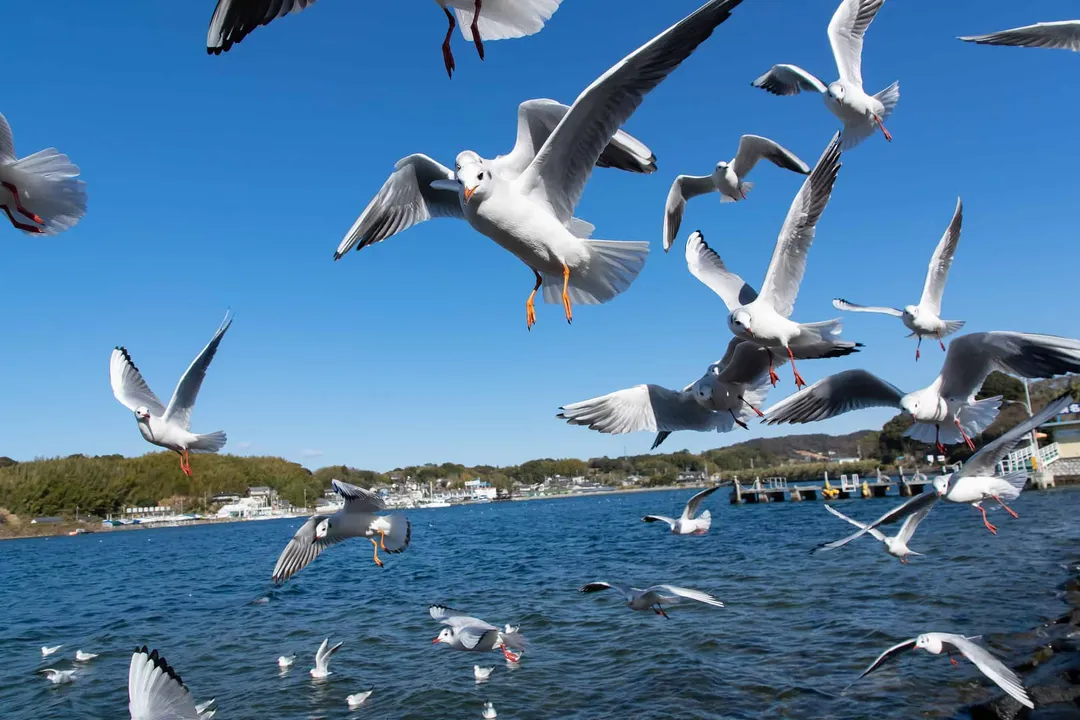
The immediate sight of a seagull circling overhead often triggers an instinct to share a piece of our lunch, perhaps a crust of bread or a few dropped chips. However, deciding what is "best" to feed these opportunistic coastal birds is far more complicated than simply satisfying their hunger. In many contexts, the most appropriate food to give them is none at all. [6] Understanding their natural diet and the consequences of human handouts is essential for responsible interaction with these common birds. [3]
# Natural Diet
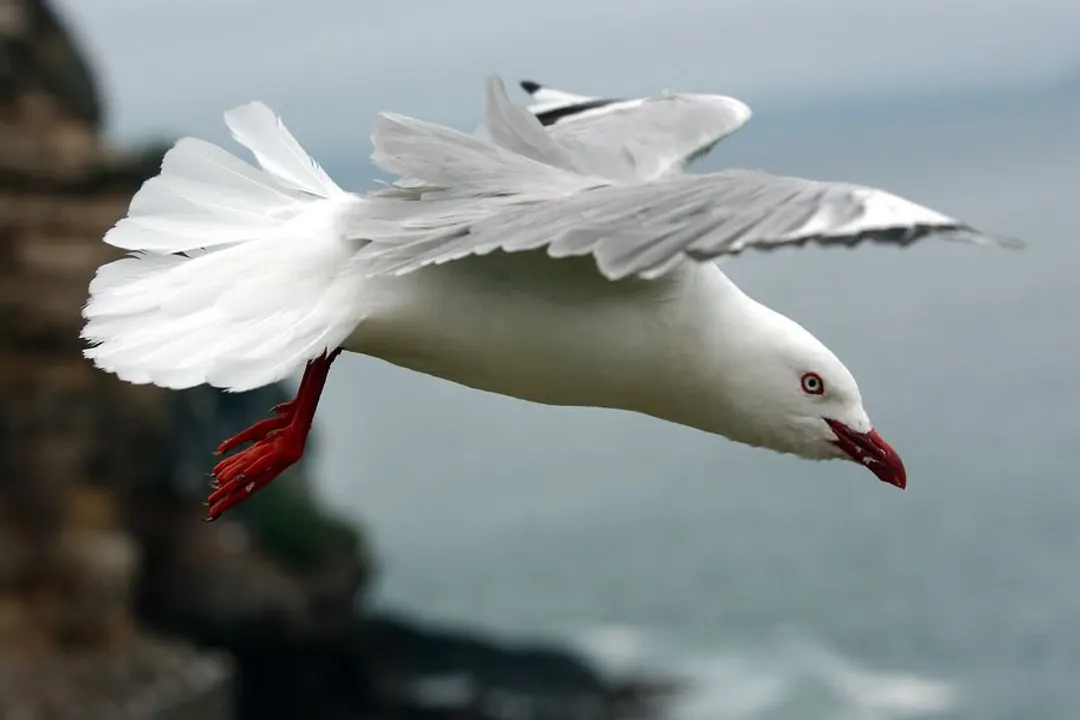
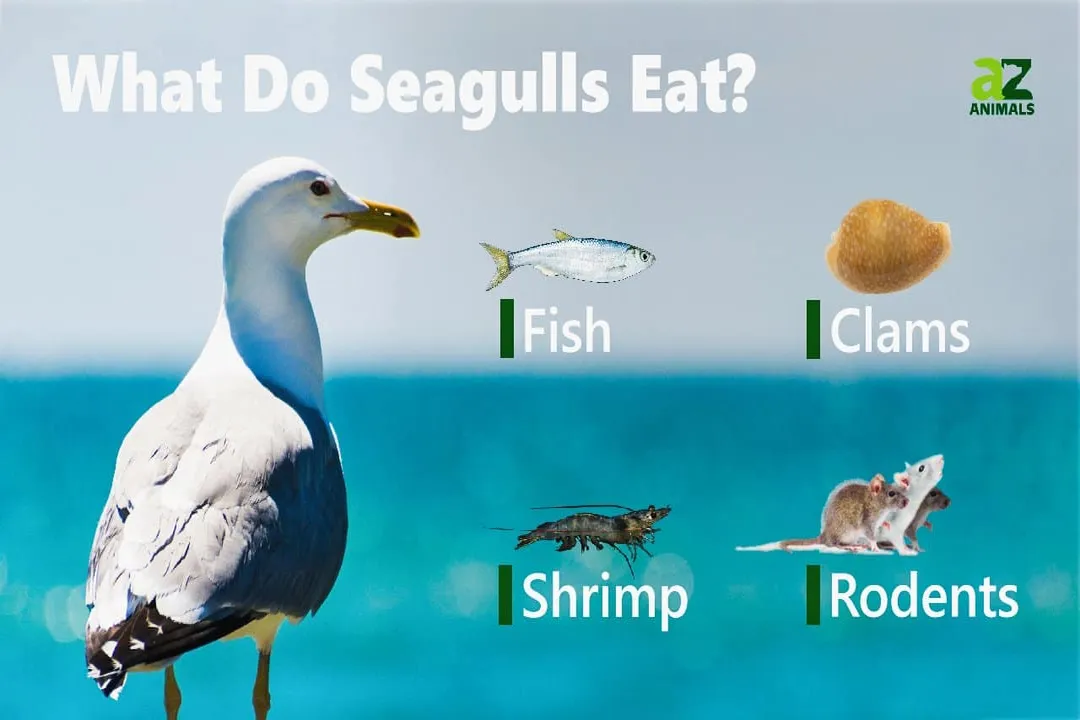
In their natural environment, seagulls are omnivores and quite adaptable eaters. [3] Their diet primarily consists of things they can forage for or scavenge around coastal areas. [3] This natural menu includes small fish, crustaceans, marine invertebrates, worms, and insects. [3] They are also known to consume carrion and eggs from other birds’ nests. [3] This varied intake ensures they receive a broad spectrum of necessary nutrients. [3]
A slightly different perspective notes that seagulls are scavengers, which means they will eat almost anything they can find, including human refuse. [9] While this scavenging ability allows them to thrive near human populations, it doesn't mean that everything humans discard is good for them. [9]
# The Bread Issue
One of the most common offerings from well-meaning people is bread, which many assume is a harmless filler. [7] However, feeding seagulls bread is widely considered detrimental to their health. [7] Bread offers very little nutritional value, essentially acting as empty calories for the bird. [7] When seagulls fill up on bread, they miss out on the nutrient-dense food they need, potentially leading to deficiencies. [7] Some sources explicitly advise against feeding bread to them. [8]
In discussions among bird enthusiasts, the consensus often leans heavily against bread. While some may casually mention giving a small piece of a biscuit or a bit of toast, the underlying sentiment echoes the expert advice: it's not proper sustenance. [1][7] In fact, it can be likened to a human eating only sugar; it provides energy but lacks the building blocks for health.
# Scraps and Peanuts
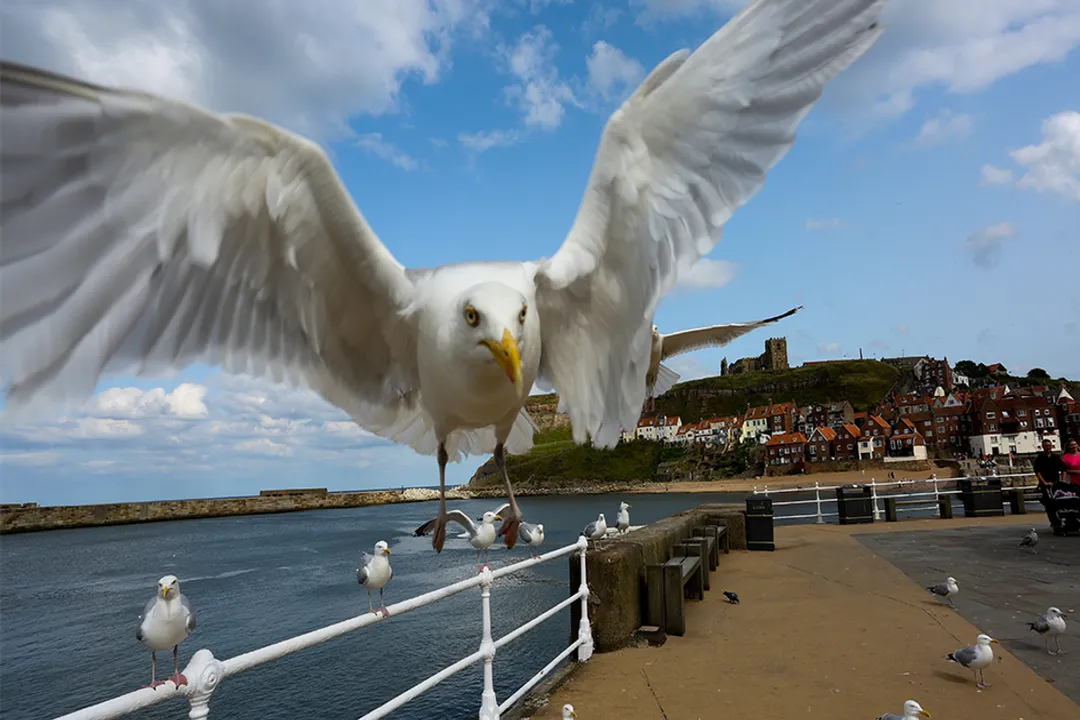
When looking at what people do feed seagulls, a wide range of human food appears, often out of convenience or habit. Leftover fish and chips, crusts of sandwiches, or even french fries are common handouts, particularly in coastal towns or parking lots near food vendors. [4][8] One social media discussion highlighted that while some people fed them scraps of fish or even bits of uncooked meat, others warned against such practices. [2]
Peanuts have also come up as a specific query regarding their suitability. [10] While seagulls might certainly eat peanuts if offered, whether they are good for them is another question entirely. Given their natural diet focuses on protein and marine sources, nuts, which are high in fat, are unlikely to be a balanced part of their diet, though they are not universally condemned in casual conversation like plain white bread is. [10]
Comparing the community feedback, there is a clear split: those who simply feed what's on hand versus those who attempt to offer what seems more substantial, like fish. [1][5] Yet, even offering fish scraps can be problematic if it encourages the birds to become overly dependent on human handouts, which brings us to the official warnings.
| Food Type | Potential Benefit (Anecdotal) | Primary Concern (Expert/General) | Citation Examples |
|---|---|---|---|
| Bread/Dough | Quick energy/easy availability | Zero nutritional value, displaces proper food | [7][8] |
| Fish Scraps | High protein, closer to natural prey | Encourages dependency, potential for parasites if raw | [2][8] |
| Peanuts | Consumed readily | High fat content, not natural staple | [10] |
| French Fries/Chips | High caloric content | High salt/fat, similar to bread regarding nutrition density | [4][8] |
# Official Deterrence

Many wildlife agencies and local authorities take a very firm stance: do not feed the gulls. [6] The Massachusetts guidance, for instance, is direct, urging the public not to feed the gulls at all. [6] This recommendation stems from several concrete issues that arise when feeding becomes widespread.
First, feeding leads to habituation. [6] When birds associate humans with easy food sources, they lose their natural wariness. This boldness can lead to aggressive behavior as they become demanding, sometimes even becoming confrontational to get food. [6] This change in behavior impacts the overall public experience, especially in areas like mall parking lots where people are trying to eat outdoors. [4]
Second, concentrated feeding, especially in urban or suburban areas, results in an unnatural population density. [6] This high concentration exacerbates issues like noise and droppings, which can become a significant nuisance and a sanitation concern for property owners. [6] An increase in droppings can lead to property damage and unpleasant outdoor spaces. [6]
Thinking about the local context in a dense urban environment, even if one person only feeds a small amount of "good" food, their actions contribute to a localized draw. If ten people in a single block do the same with bread, the negative effects on the local gull population and human residents are compounded dramatically.
# Better Habits
If the goal is truly to support local wildlife without causing negative behavioral changes or public nuisance, the "best" food is essentially no food. However, for those who feel compelled to interact, the shift should be from feeding to cleaning up. Seagulls are excellent scavengers, meaning they are very good at finding food that humans have carelessly left behind. [9] By ensuring that all outdoor trash is securely contained and food waste is disposed of properly, you are indirectly "feeding" them their natural scavenging opportunities without encouraging them to rely on you specifically. [6]
The core difference between a seagull naturally finding a dead fish on the beach and being handed a piece of white bread is the behavioral conditioning involved. [7] One action allows the bird to maintain its independence and natural foraging drive; the other teaches it that standing near a person with a bag of groceries is a profitable activity. [6]
For situations where feeding is technically permissible but discouraged, the general community advice leans toward offering something more substantial than bread, such as small pieces of cooked fish or perhaps even certain types of whole grains, though the advice remains highly fragmented and often based on personal experience rather than ornithological study. [1][5] It is important to note that even items sometimes deemed "safe," like dog or cat food, are still artificial supplements to their natural diet. [8] The crucial action item for observers should be checking local regulations, as many municipalities may have specific bylaws prohibiting feeding wildlife, making any food choice a potential violation. [6]
Related Questions
#Citations
What to feed seagulls? - Reddit
Seagulls will eat literally anything. They are oportunistic feeders ...
What Do Seagulls Eat? 25+ Foods That Seagulls Love - A-Z Animals
What is a good food to feed seagulls that hang out in mall parking lots?
[PDF] Please Don't Feed The Gulls | Mass.gov
Is feeding bread to seagulls bad for them?
What you should and shouldn't feed a seagull - The Tab
What Do Seagulls Eat? Expert Answers to Your Questions