What not to feed Rainbow Lorikeets?
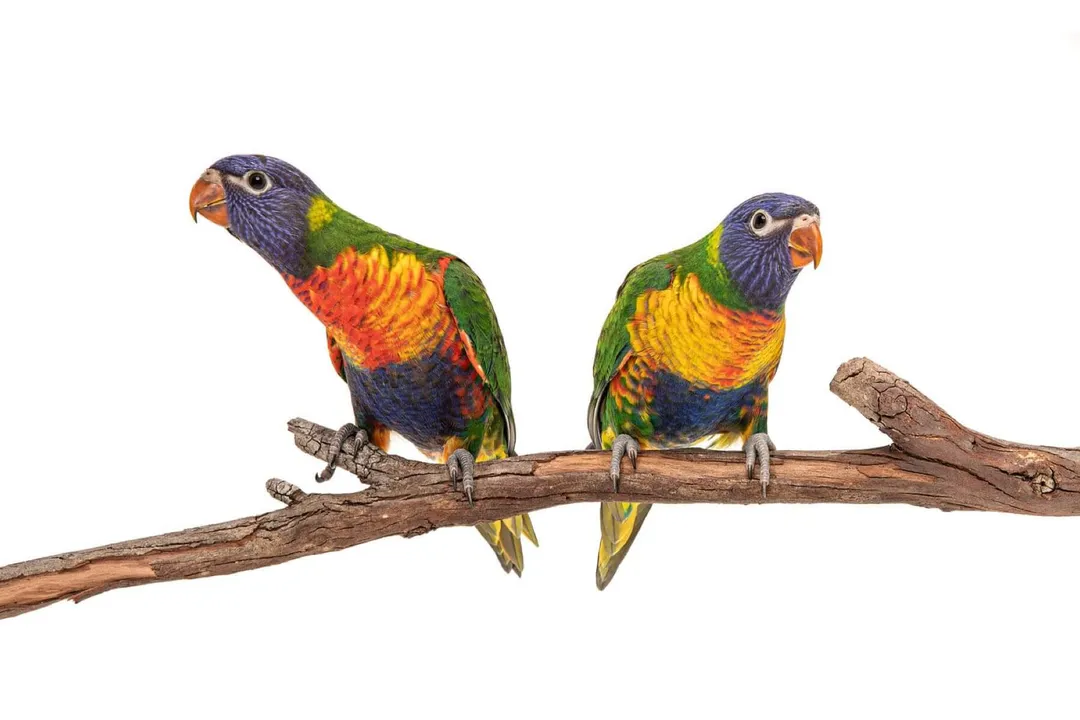
The vibrant Rainbow Lorikeet, with its dazzling plumage, is a common and beloved sight in many Australian gardens. It is natural to want to offer these striking birds a treat, perhaps seeing them flutter near a feeder. However, what seems like a kind gesture can quickly become detrimental to their health, especially if we misunderstand their highly specialized dietary needs. Because their natural diet revolves around nectar and pollen, they are uniquely susceptible to imbalances caused by improper human foods. Understanding precisely what to withhold is just as important as knowing what they should eat to ensure they remain healthy, whether they are pets or wild visitors.
# Seed Trap

One of the most persistent mistakes people make when feeding lorikeets, particularly those kept as pets, is offering a diet based on seeds or nuts. Lorikeets are not true parrots in the sense that they do not thrive on a seed-heavy diet like budgies or cockatiels. Their digestive systems are specifically adapted to process liquids and soft, easily digestible matter like nectar, pollen, fruit pulp, and sap.
Seeds and nuts, common staples for many other parrot species, are far too high in fat and protein for a lorikeet’s metabolism. While a few nuts as a rare treat might be acceptable for a pet under strict supervision, making them a regular part of the diet will lead to serious health issues, including obesity, liver disease, and vitamin deficiencies. When wild lorikeets visit a garden feeder, they may try the offered seed mix, but it offers them nothing of what their specialized gut requires to function correctly, leading to nutritional deficits even if they appear full. Similarly, common parrot mixes that are heavily seed-based should be entirely avoided as the foundation of a lorikeet’s nutrition.
# Toxic Items
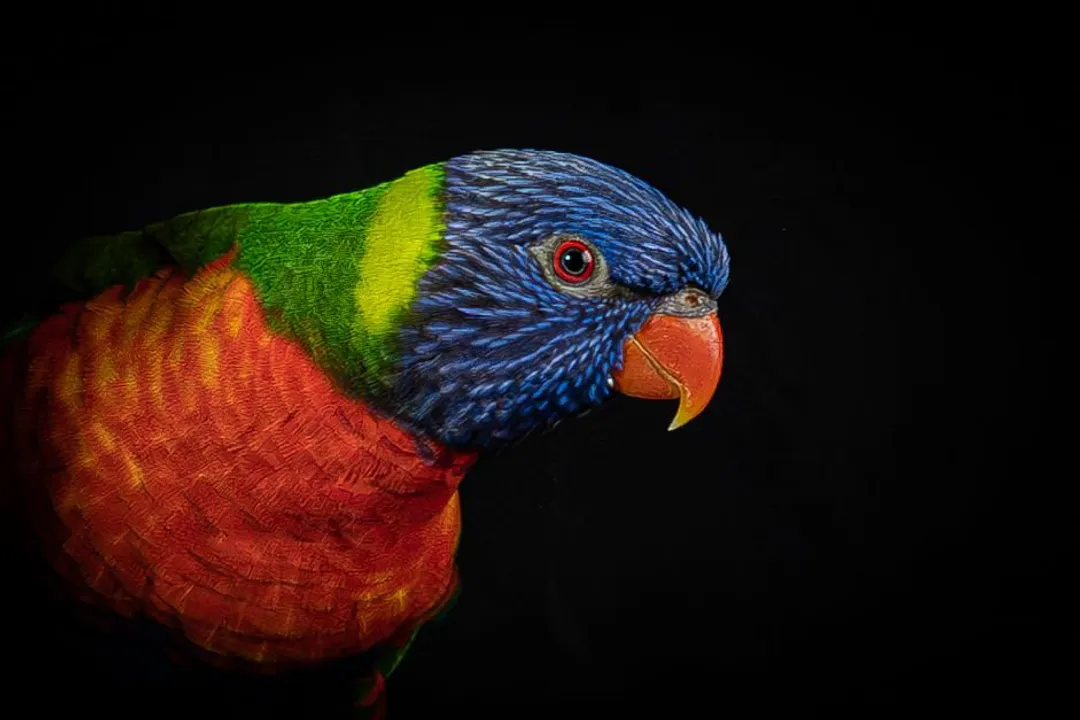
Certain everyday human foods are not just nutritionally inappropriate but are outright toxic or dangerous to birds in general, and lorikeets are no exception.
Avocado is frequently listed as dangerous for birds and should never be offered. While the exact toxin is debated, ingestion can cause rapid cardiac distress and potentially death in various bird species.
Other items that must be kept far away from lorikeets include:
- Chocolate and Caffeine: Both contain methylxanthines, substances that are toxic to birds, affecting their nervous and cardiovascular systems.
- Alcohol: Even small amounts of alcohol can have severe negative effects on a bird’s system.
- Dairy Products: Lorikeets lack the necessary enzymes to digest lactose, meaning milk, cheese, and other dairy products can cause severe digestive upset.
If you keep lorikeets as pets, ensuring that no crumbs or scraps containing these ingredients accidentally fall into their bowls is a basic safety measure. For wild birds in the garden, keeping these items out of reach is often more about preventing them from accessing discarded food waste than direct feeding, but awareness is necessary.
# Bread and Processed Filler
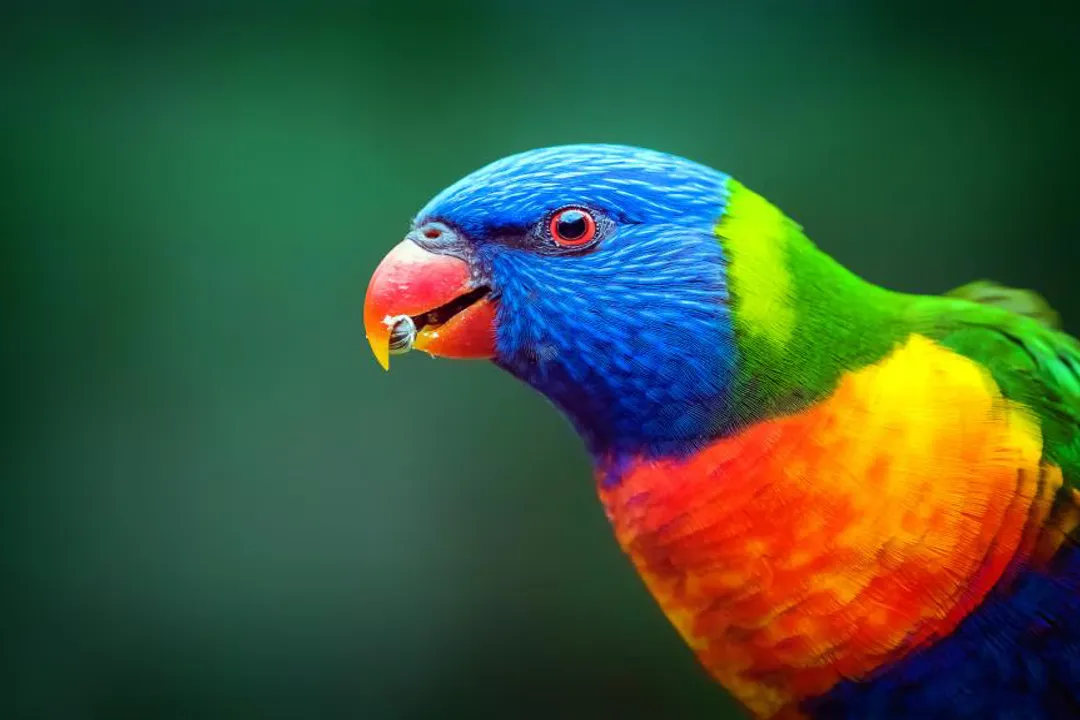
Another commonly offered, yet nutritionally void, item is bread. Bread, whether white or wholemeal, provides very little nutritional value relative to the space it takes up in a lorikeet’s stomach. It acts as a filler, displacing the consumption of necessary nectar, fruit, or specialized pellets. A bird full of bread will feel satisfied but is effectively starving for essential vitamins and minerals.
This issue extends to many other highly processed human foods found on our dinner plates. Cooked meats, salty snacks, sugary desserts, and anything heavily seasoned are inappropriate. Their systems are not built to handle high levels of salt, artificial coloring, or preservatives.
# Sugar Balance
The lorikeet’s reliance on nectar brings a unique complexity to their diet: the sugar content must be carefully managed. While their primary food source is naturally high in sugar, domestic diets must mimic this carefully. Commercial lorikeet nectar or specialized powder is formulated to provide the correct balance of sugars, proteins, vitamins, and minerals needed for a stable diet.
The problem arises when owners over-rely on fresh fruit or try to create homemade nectar without proper knowledge. While fresh fruit is an essential component of a healthy diet, relying on it instead of formulated nectar or powder can lead to an imbalanced intake, often skewed too high in simple sugars and too low in other necessary components like iodine or specific amino acids. If you feed too much high-sugar fruit, like mango or grapes, you risk creating a similar metabolic load to constant junk food consumption in a human. For instance, if a pet owner tries to compensate for a lack of commercial mix by providing excessive quantities of high-fructose fruit, they might inadvertently cause digestive upset or contribute to long-term health problems, even though the food itself isn't poisonous. Think of it this way: a commercial nectar mix is like a vitamin-fortified cereal; a bowl of pure, undiluted honey or overly ripe fruit is like giving the bird cake all day long.
# Wider Context Dangers
When considering what not to feed, the conversation often shifts from the bird’s individual health to the health of the local wild bird population. Feeding wild lorikeets, even with appropriate food, carries significant risks that owners must consider.
One major concern is dependency and altered behavior. Once wild birds become accustomed to reliable, easy handouts, they may stop foraging naturally. This dependency can lead to aggressive behavior toward other birds or people when food is scarce, and it can cause them to abandon natural feeding grounds.
Furthermore, feeding stations become hotspots for disease transmission. When many birds congregate around a single source of food or water—especially if that food source is wet, like nectar—diseases such as psittacosis can spread rapidly between individuals. Improper feeding practices, such as leaving spoiled fresh food out, further compound this risk. In many areas, it is actively discouraged by environmental agencies for these reasons, emphasizing that the long-term effect on the wild flock outweighs the short-term benefit to the individual bird.
| Dietary Category | Example Food | Primary Risk for Lorikeets | Citation Focus |
|---|---|---|---|
| Seed/Nut | Sunflower Seeds, Peanuts | High Fat/Protein, Low Nutrition | Gut adaptation, liver issues |
| Toxic | Avocado, Chocolate, Alcohol | Acute Poisoning, Cardiac Failure | Direct toxicity |
| Filler | Bread, Cooked Scraps | Nutritional Deficiency, Satiety without Value | Displacement of real food |
| Excess Sugar | Overripe Fruit, Pure Honey | Metabolic Strain, Imbalance | Vitamin/mineral deficits |
# Moving Past What to Avoid
The comprehensive list of things to avoid—seeds, nuts, bread, chocolate, avocado, dairy, and alcohol—paints a clear picture: the lorikeet diet must be specialist. For pet owners, the path to avoiding these pitfalls means sticking rigidly to high-quality, commercially prepared lorikeet powder or nectar designed specifically for their species. These products are the closest approximation to a balanced diet derived from pollen and nectar available outside their natural habitat. When supplementing with fresh items, focus on fruits like berries, melon, and certain vegetables, but always ensure these are offered alongside the base commercial diet, not as the base itself. If you observe a wild lorikeet eating something from your garden that you suspect is unsafe, the best course of action, according to wildlife advice, is to secure your feeding areas to prevent access to inappropriate scraps rather than attempting to interfere directly with a wild animal.
Related Questions
#Citations
Lorikeet Care & What to feed your lorikeet - Gladesville Vet Hospital
The Lorikeet Diet - BirdTricks
Those who feed Rainbow Lorikeets, what are you giving them?
Lory and Lorikeet Care Sheet - PetMD
Lorikeets eat fruit ,nectar not birdseed - Facebook
[PDF] Feeding your lorikeet | Inner South Vet
Diet for Rainbow Lorikeets - Melbourne Bird Veterinary Clinic
What can I feed the birds in my garden? - Sydney Wildlife Rescue
The danger of feeding lorikeets | Native animals