What should I feed my Neapolitan Mastiff?
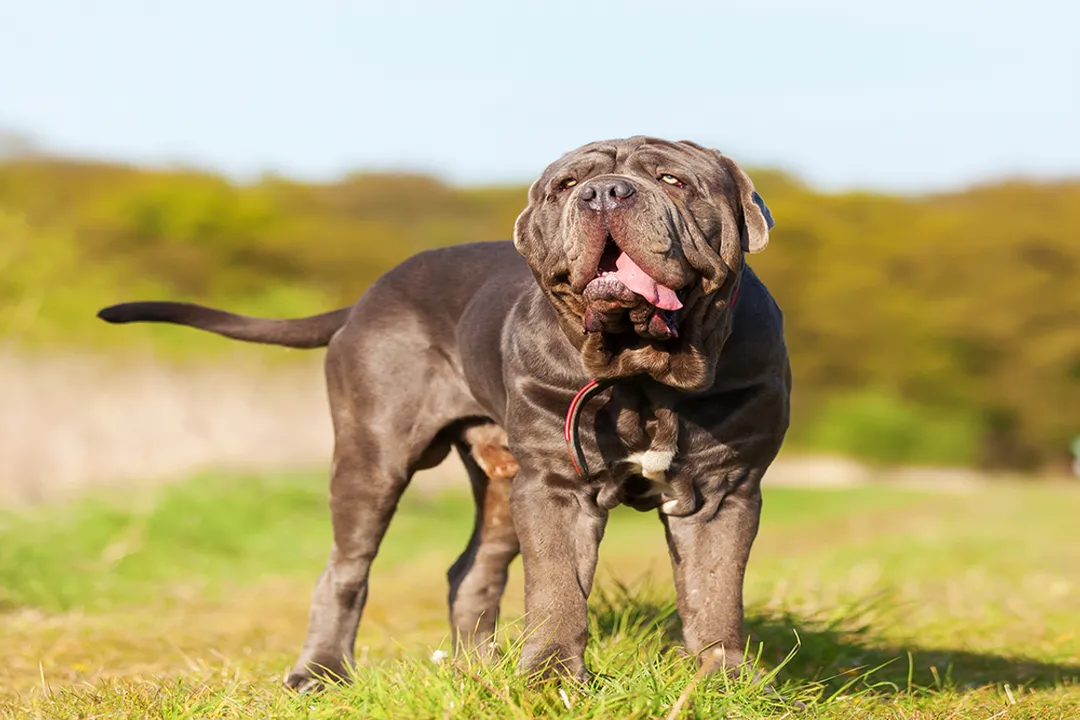
Feeding your Neapolitan Mastiff is a decision that significantly impacts their long-term health, given their immense size and slow maturation rate. These dogs are giants, and their nutritional requirements, especially during the critical growth phase, demand a thoughtful approach that prioritizes steady development over rapid bulk. Owners often seek clear guidance on what constitutes an appropriate diet for these magnificent, droopy-faced companions. [4]
# Breed Needs
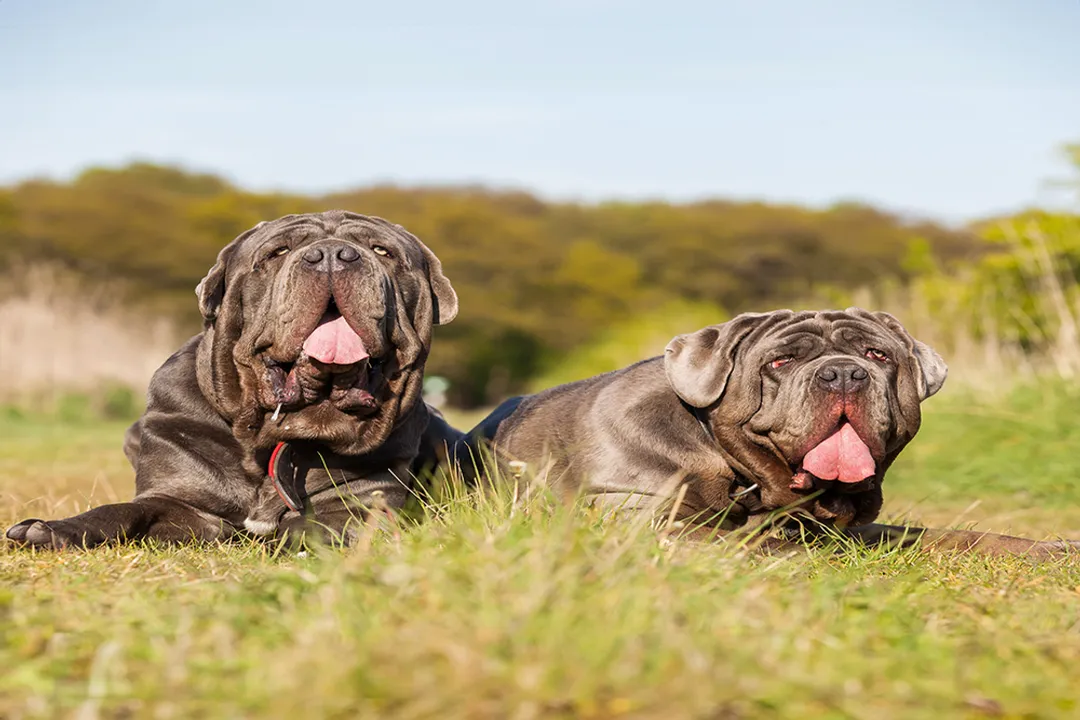
The Neapolitan Mastiff, or Mastino Napoletano, is characterized by its imposing stature and heavy bone structure, which dictates specific feeding considerations throughout its lifespan. [2] Unlike smaller breeds, these giants take a considerable amount of time to fully develop. It is not uncommon for them to continue growing and filling out until they reach three years of age. [4] This extended growth period means that owners must be diligent in managing calorie and nutrient intake to ensure skeletal and joint development is gradual and correct, avoiding stresses that could lead to orthopedic problems later on. [3][4]
Their massive size naturally requires a substantial daily intake of food to maintain muscle mass and energy, but this must be balanced against the risk of overfeeding, which accelerates growth and strains developing joints. [4] A high-quality diet is non-negotiable for supporting this large frame. [2][3]
# Puppy Nutrition
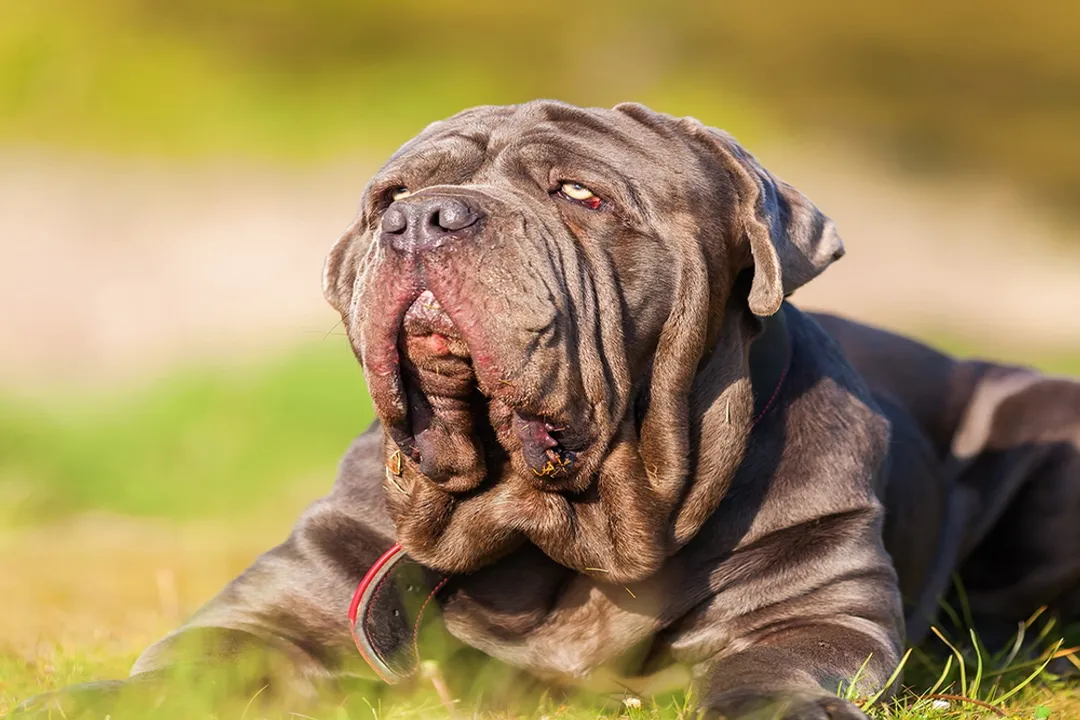
For a Neapolitan Mastiff puppy, the focus shifts entirely to controlled, slow growth. Providing an inappropriate diet, particularly one too high in calories or unbalanced minerals, can encourage them to grow too quickly, which is detrimental to their developing joints and bones. [3][4]
Puppies need food specifically formulated for large or giant breeds. These specialized formulas are designed with lower energy density and a carefully calibrated calcium-to-phosphorus ratio to promote steady weight gain rather than explosive growth spurts. [4] It is vital to monitor your puppy’s body condition constantly; they should never appear chunky or overfed. [4]
When feeding your Mastiff puppy, consistency in the feeding schedule helps regulate digestion. If you are feeding a raw diet, ensuring the proportions of meat, bone, and organ matter are correct is crucial for delivering all necessary vitamins and minerals required for that slow, steady maturation process. [1] For those using commercial kibble, stick to the feeding guidelines for large breed puppies, but adjust based on the puppy's actual body condition, not just age. [3]
For example, if you find that the general recommendation suggests feeding 6 cups a day for a puppy of a certain weight, consider assessing whether that intake is leading to a visible "barrel belly" or if the puppy seems overly energetic after eating. A good rule of thumb is that you should be able to easily feel the ribs without pressing hard, but not see them sticking out sharply.

# Adult Maintenance
Once your Neapolitan Mastiff has reached maturity, the goal of feeding transitions from growth management to maintenance of lean muscle mass and energy levels. Adult Mastiffs require a high-quality, well-balanced diet to sustain their massive bodies. [3] The exact quantity of food needed will vary dramatically based on individual metabolism, current weight, and activity level. [4]
An adult dog that is moderately active might require more calories than a less active companion. It is generally advised to feed adult Neapolitan Mastiffs at least twice per day. [4] Splitting the total daily ration into two meals, rather than one large serving, is a simple but important management technique that helps reduce the risk associated with their deep chest cavity. [4]
While a raw feeding approach might involve adjusting meat, fat, and vegetable content based on the dog's condition, commercial large-breed adult formulas are also appropriate, provided they meet the high-quality standards necessary for such a large animal. [1][2] Be attentive to weight changes; a Neapolitan Mastiff that starts gaining excessive weight as an adult is likely consuming too many calories relative to their current activity level, placing unnecessary strain on their structure.
# Food Type Decisions
Choosing between raw, commercially prepared, or home-cooked meals is a significant choice for any Mastiff owner. Each path has advocates, and what works best often comes down to the owner's commitment to nutritional completeness. [1][3]
Raw feeding advocates often point to the concept of feeding a diet closer to what a dog would eat in nature, focusing on whole, unprocessed ingredients, including muscle meat, bone, and organs. [1] If this path is chosen, meticulous balance is required to ensure the dog receives appropriate levels of calcium, phosphorus, and micronutrients, especially for a giant breed puppy. [1]
For those selecting commercial kibble, selecting a brand specifically formulated for large or giant breeds is critical. [2][5] These foods usually have controlled levels of fat and lower overall caloric density compared to foods made for active smaller breeds, aligning better with the Mastiff's generally lower energy requirements once fully grown. [8] Brands that focus on high-quality protein sources and joint support ingredients, like glucosamine and chondroitin, may be beneficial for this breed. [4]
It is worth noting that some high-quality commercial pet food companies specifically target the needs of breeds like the Neapolitan Mastiff, recognizing that their growth curve and maintenance phase require specialized nutrition not met by general-purpose foods. [5][8]
# Bloat Prevention
Perhaps the most serious feeding-related concern for the Neapolitan Mastiff, as with many deep-chested breeds, is Gastric Dilatation-Volvulus (GDV), commonly known as bloat. [4][6] This life-threatening condition occurs when the stomach fills with gas or fluid and potentially twists. [6] While the exact causes are complex, feeding habits play a role in risk management. [7]
To mitigate the risk:
- Slow the Pace: Do not allow your dog to gulp food down rapidly. If your dog eats too fast, use a slow-feeder bowl or place a large, clean ball in their regular bowl to break up their eating pattern. [4][6]
- Avoid Water Rush: Fast consumption of water, especially immediately after a meal, should also be avoided, as this introduces excess volume quickly. [6]
- Meal Timing: Do not engage in strenuous exercise immediately before or immediately after eating. [4][7] A period of quiet rest following a meal can give the stomach time to settle.
If you observe behaviors such as non-productive retching, a visibly distended abdomen, pacing, or restlessness after eating, immediate veterinary attention is required, as these are classic signs of a potential GDV episode. [6]
If you are monitoring water intake, especially in hot weather or after significant exertion, consider managing water access. Instead of allowing free access to a massive bowl of water right after a meal, offer small amounts of water frequently. This prevents them from rapidly filling their stomach with both food and a large volume of water in one sitting, which is an important aspect of bloat management for this breed. [4]
# Growth Management Insight
When managing a Mastiff puppy, look beyond just the bag recommendations. If you are feeding a premium large-breed puppy kibble, observe your puppy’s overall "rib spring." An ideal Neapolitan Mastiff puppy should have a slight tuck after the ribcage, rather than a rounded or bulging abdomen, even if they are eating the recommended amount by weight. If you notice the abdomen seeming too full consistently, try reducing the daily volume by about 5 to 10 percent and re-evaluate in two weeks. This small adjustment, applied consistently during periods of rapid development (like months 4 through 12), can be a powerful tool in preventing excessive strain on rapidly forming joints, essentially acting as a manual throttle on their growth rate. [4]
# Supplementation
For adult dogs, while a complete and balanced diet should theoretically provide everything necessary, owners of giant breeds often consider joint supplements out of an abundance of caution. [4] Ingredients like glucosamine and chondroitin sulfate are frequently included in specialized large-breed foods or can be added separately to support cartilage health throughout the dog’s long life. [4] Always consult your veterinarian before introducing any new supplement to ensure it complements their existing diet and doesn't cause an imbalance, particularly concerning mineral intake in growing puppies. [3]
# Routine and Observation
Establishing a consistent routine for feeding times is beneficial for both the dog's digestive system and overall training compliance. [4] Neapolitan Mastiffs thrive on predictability. Observe your dog closely during the initial phase of any new diet—be it raw or commercial—to watch for signs of dietary sensitivity, such as persistent loose stools or excessive gas.
It is also helpful to keep a simple log of what you feed and the corresponding weight/condition score every month for the first year of life. This paper trail provides concrete data, which is far more reliable than memory when discussing feeding progression with your veterinarian or breeder. This level of detailed tracking is especially useful during the fast-changing growth period of the first year, allowing you to correlate specific dietary changes with observable outcomes in your dog's body structure. [3][4]
Related Questions
#Citations
Neapolitan Mastiff Feeding Guide - ProDog Raw
What are the Best Dog Foods for the Neapolitan Mastiff? - Petabolix
How to Care for and Feed Your Neapolitan Mastiff
Feeding mastiffs : r/Mastiff - Reddit
Best dog food for Neapolitan Mastiff - Yumwoof
Raising a healthy english neapolitan mastiff - Facebook
Ideal Nutrition for Mastiffs - Huntaway
Neapolitan Mastiff Breed Info Best Food, Training, Grooming - Bil-Jac
Basic Care | USNMC - United States Neapolitan Mastiff Club