Why can't Chartreux cats meow?
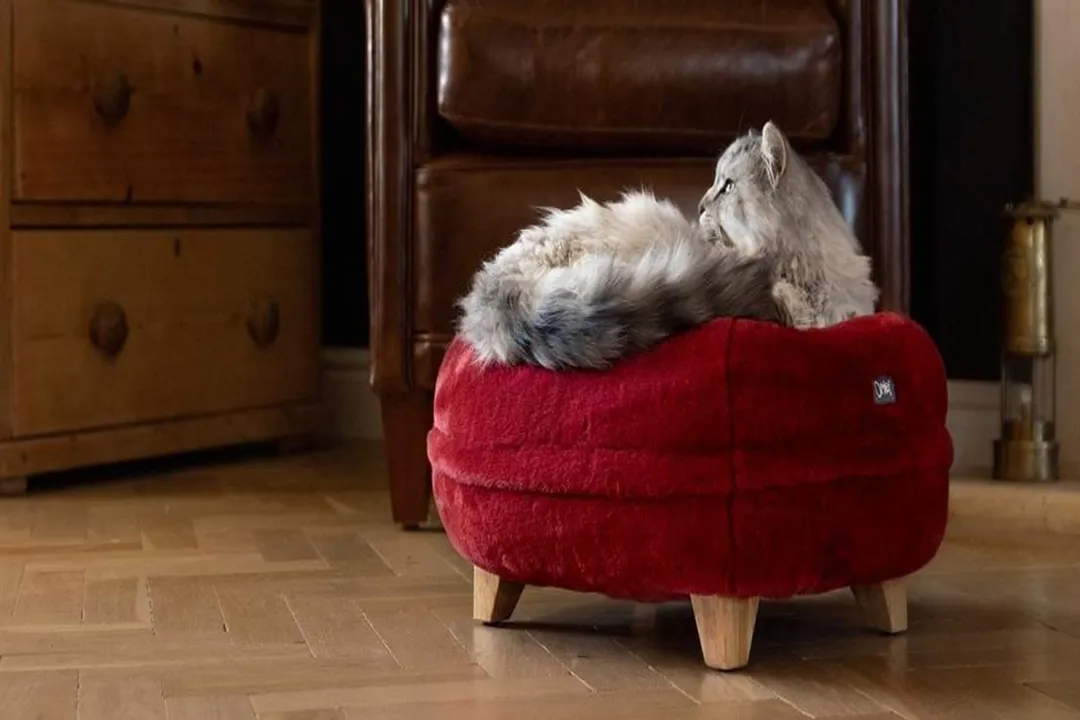
The question of the Chartreux’s voice often begins with a charming, if apocryphal, story. A popular legend suggests these majestic blue cats once resided in French monasteries and, like their hosts, took a vow of silence. [1] While the idea of felines observing such a commitment is clearly a pleasant myth, it underscores the reality that the Chartreux is known for being remarkably quieter than most cat breeds. [1][2][5] This quietude is a key characteristic woven into their image, often leading new owners or admirers to wonder if they are truly incapable of meowing.
# Monk Silence Myth
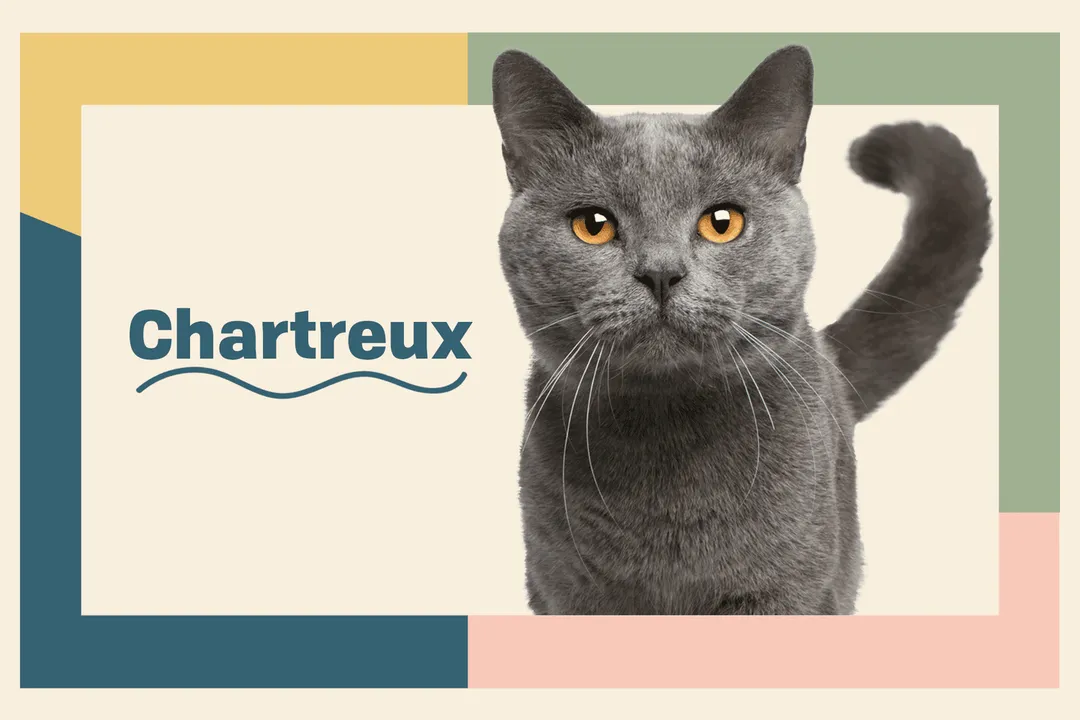
The perception that the Chartreux is mute likely stems from their historical association with the Carthusian monks of France, though their name may alternatively come from a type of Spanish wool reminiscent of their dense fur. [1] Regardless of origin, their defining trait is a certain joie de vivre paired with a calm, dignified presence. [1] For many owners, this manifests as a pet that rarely makes a sound, leading to the impression that the meow button is simply missing or deactivated.
# Whispers Not Yells
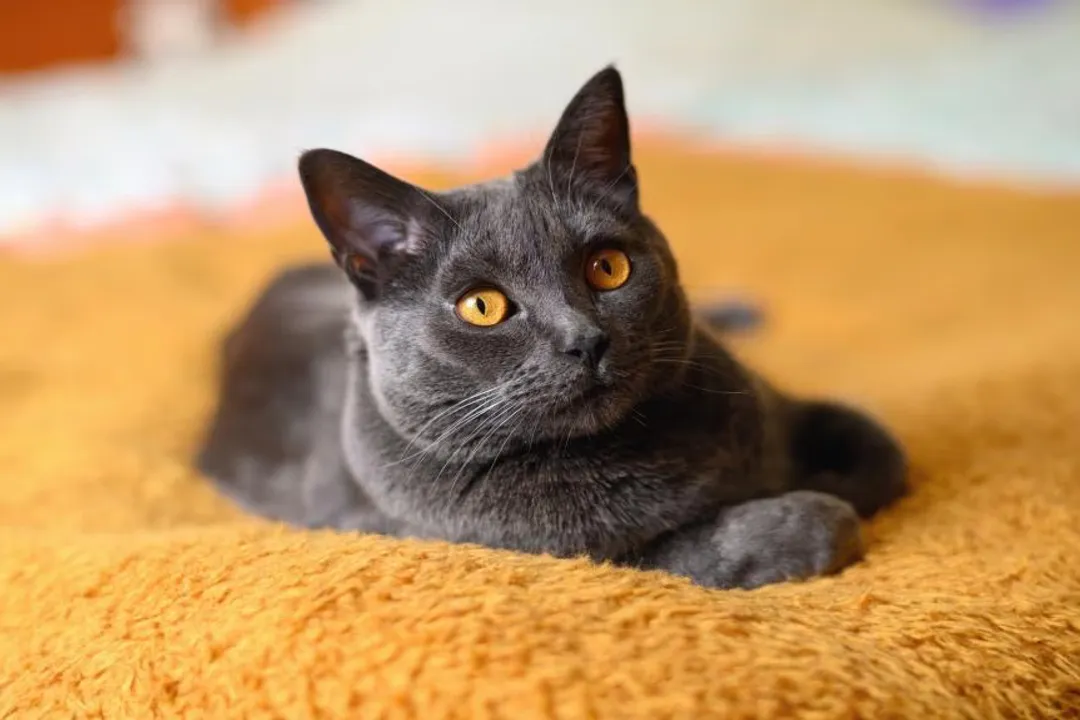
The reality, as with many breed generalizations, is nuanced. Official breed information confirms that the Chartreux’s vocal tendencies vary significantly from cat to cat. The Cat Fanciers’ Association (CFA) notes that many Chartreux possess a tiny voice they use only rarely, while others may indeed be entirely mute. [1] This inherent subtlety is part of their nature; they are often described as preferring to communicate through mimed actions rather than loud vocalizations. [2]
This breed communicates expertise through means other than the standard "meow." They excel at using expressive eyes and subtle body language. [1][2] An owner might find the cat uses a gentle paw touch to request lap time or presents a favorite toy as a clear, non-verbal summons for play. [1] For those who prefer a low-decibel companion, the Chartreux fits well, as they are unlikely to wail through the night, making them excellent apartment dwellers. [2]
However, this reputation for quietness is not universal. Anecdotal evidence from devoted owners suggests that the Chartreux can be quite talkative. One owner shared an experience with a cat, believed to be a Chartreux, who loved to talk, producing an unusual little high-pitched meow or a definite chirp before engaging in any activity. [7] This suggests that while the standard Chartreux presentation leans toward quiet, genetic expression or individual personality means some carry a much more vocal repertoire, often characterized by chirps and murmurs instead of a full-throated meow. [1][4]
# Quiet Communicators
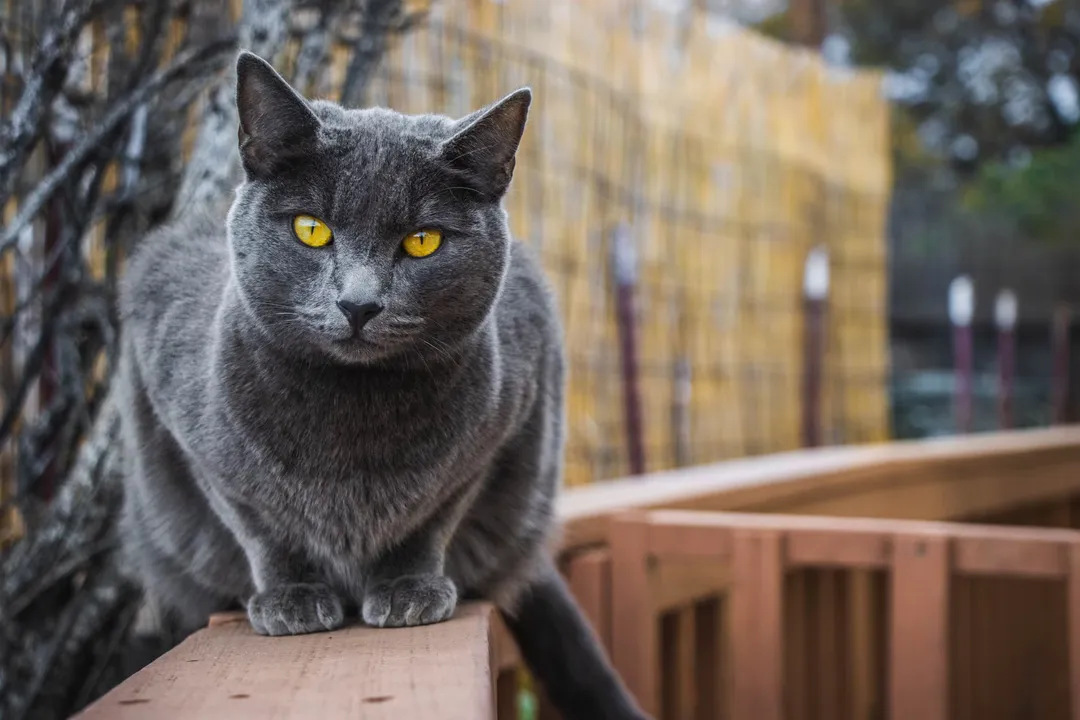
The silent nature often attributed to the breed relates closely to their temperament—they are intelligent, independent, and observant. [2][5] This combination leads to a form of communication that is highly efficient for their specific needs. If a Chartreux is focused on following its established routines, a loud, demanding meow might feel unnecessary or even disruptive to the stable environment they crave. [2]
Consider the contrast: some highly vocal breeds, like the Siamese or Oriental Shorthair, rely heavily on vocalization for interaction. [4] The Chartreux appears to have evolved a different strategy, relying on close, affectionate bonds expressed through companionship and subtle cues rather than constant noise. [1][2]
| Vocal Trait | Description/Example | Source of Expression |
|---|---|---|
| Meow | Tiny, rarely used, or entirely absent [1] | Breed Tendency |
| Chirp/Murmur | A higher-pitched, infrequent sound used for greeting or request [1][2][7] | Preferred Vocalization |
| Body Language | Paw touch, bringing toys, expressive eyes [1][2] | Primary Communication Method |
| Silent Mouth | Opening the mouth as if to meow but producing no sound [3] | Variation in Vocal Absence |
When owners are used to a cat that communicates through elaborate body language—like a cat described as a "mime"—a sudden noise can indeed be surprising. [2] For instance, cats sometimes only develop a proper meow later in life, or only use it when highly motivated, such as demanding food. [3]
# Vocal Change Warning
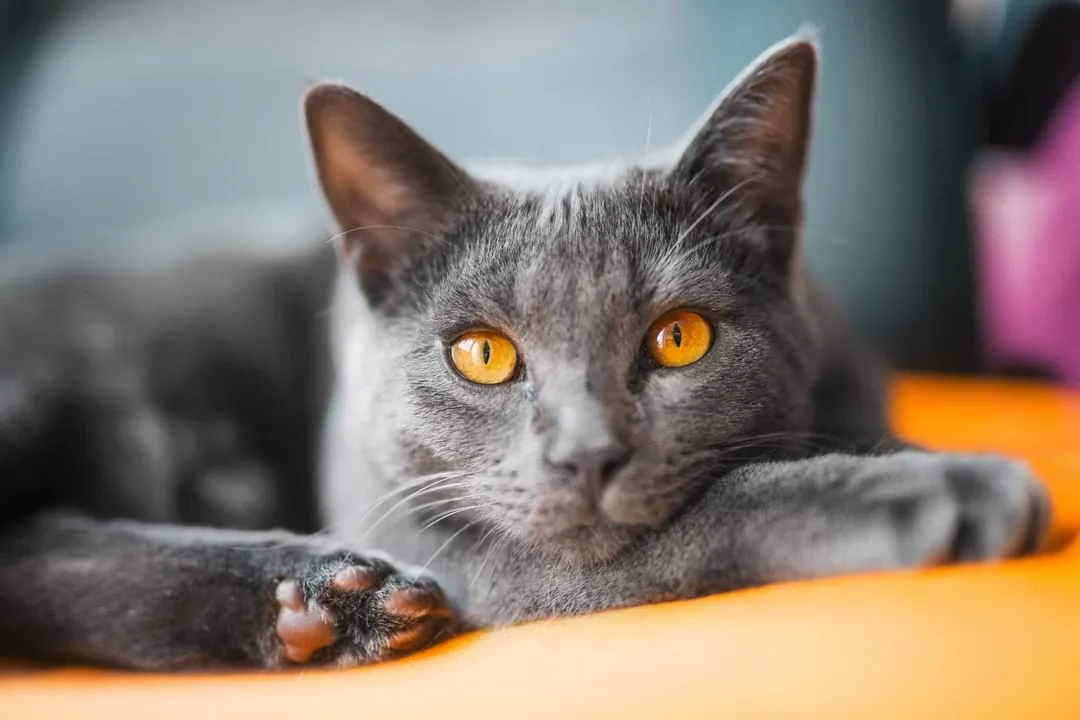
One crucial aspect for any owner, especially of a naturally quiet breed like the Chartreux, involves recognizing deviations from the norm. Because they are already low-volume communicators, owners must be particularly attentive to changes in their baseline sound profile. [2] A cat that is usually a quiet chirper or murmurist suddenly falling silent, or vice versa, warrants investigation. [3]
While a temporary loss of voice can happen to any cat after excessive vocalizing, or due to post-anesthesia inflammation, silence paired with other symptoms could signal a medical issue. [4] If a normally quiet Chartreux starts exhibiting lethargy, appetite changes, or increased hiding, it is essential to consult a veterinarian promptly. [2][5] Conditions like upper respiratory infections, allergies, or, in older cats, laryngeal paralysis (where vocal cord degeneration prevents sound production) can cause a loss of meow, although the cat may feel no discomfort from the resulting silence. [4] A soundless cat that is otherwise content is likely adhering to breed norms; a silent cat whose demeanor has shifted is sending a different, non-vocal message that requires attention. [2]
Observing these gentle, reserved felines means learning their individual language, which may involve paying closer attention to the slightest shift in eye expression or the very softest of chirps. Treating these cats with patience helps them feel secure enough to express their needs, whether that means a subtle nudge or an infrequent, tiny sound. [1][5]
# Routine Adherence
Chartreux cats are creatures of habit and benefit greatly from predictable routines. [1] This preference for stability may also influence their communication; they learn which non-vocal actions reliably result in desired outcomes (like food or play) and stick to those established patterns. In a home where a soft nudge works as well as a loud plea, the subtle approach is the most energy-efficient choice for an intelligent animal. Furthermore, when introducing a new element to the household, a Chartreux might temporarily retreat into even quieter observation mode as they assess the new situation before re-engaging their usual communication style. [2] Understanding that their quietness is often a sign of contentment and observation, rather than fear or aloofness, is key to a strong bond with this fascinating French breed. [2][5]
Related Questions
#Citations
Does anyone else's cat not meow at all? - Reddit
Why Isn't My Cat Meowing? - Omlet Blog US
Chartreux Cat Breed Information & Characteristics - Daily Paws
Chartreux (?) that loves to talk! - TheCatSite
Chartreux - The Cat Fanciers' Association
Chartreux - Breed Info - Atascazoo Animal Hospital
Chartreux Cat Breed Health and Care - PetMD