Do Chartreux cats like water?
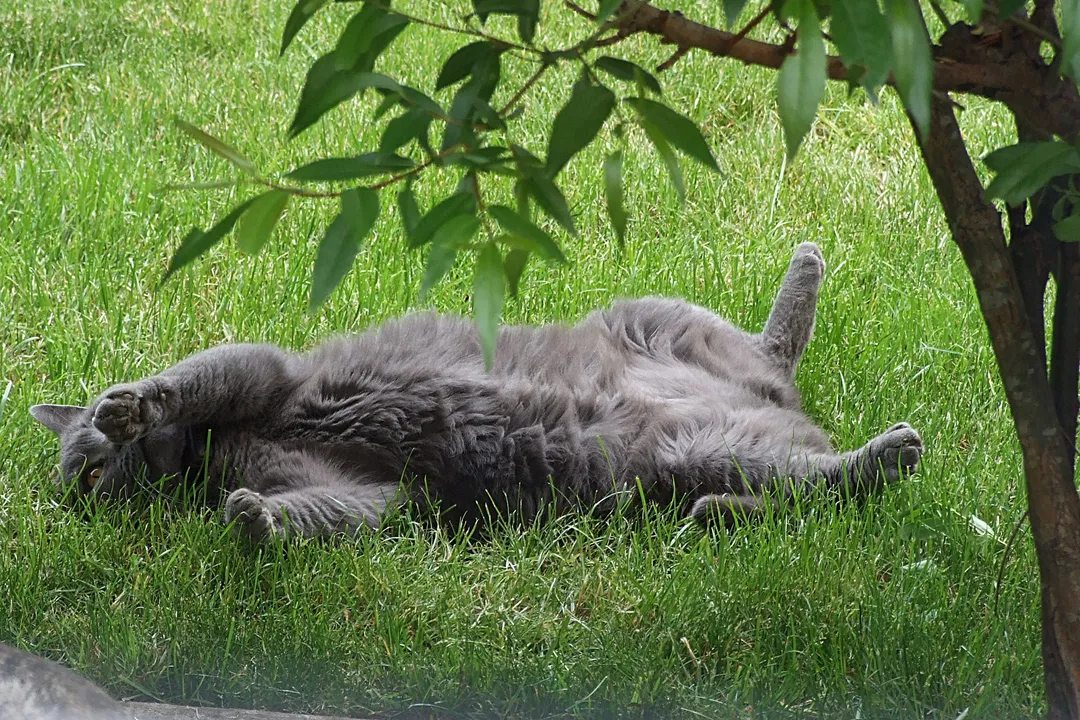
The Chartreux cat, often celebrated for its striking blue-gray coat and seemingly permanent, gentle expression, possesses a rich history and a distinct personality that endears them to many admirers. When considering bringing one of these French natives into your home, potential owners often have numerous questions, including one that seems unusual for a feline: what is their relationship with H2O? Unlike some breeds that famously adore swimming, the general disposition of the Chartreux toward water is often a topic of curiosity rather than concrete fact across all breed descriptions.
# Breed Temperament
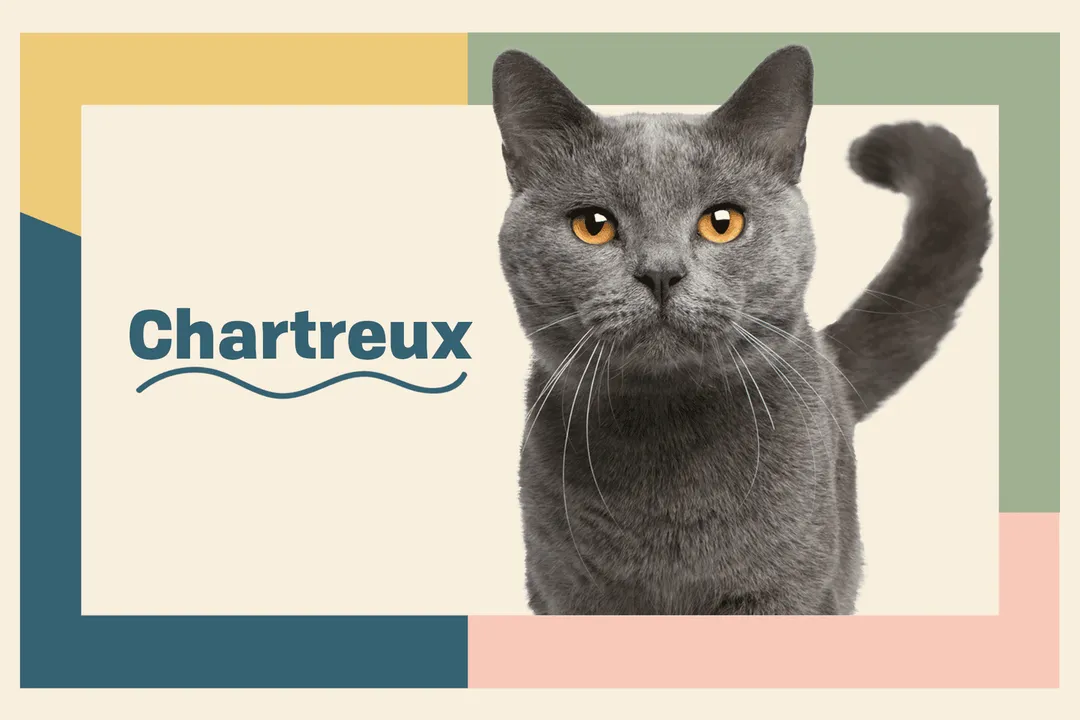
Understanding the Chartreux’s typical demeanor is essential context before hypothesizing about their bathing habits. These cats are generally regarded as quiet companions. They tend to vocalize less frequently than many other breeds, often preferring soft chirps or murmurs over loud meows. [2][6] This reserved nature means they are excellent for households that appreciate a calm atmosphere, though they are certainly affectionate with their chosen people. [7]
# Social Needs
While they are often described as independent thinkers, they thrive on companionship and do not usually enjoy being left alone for extended periods. [7] A Chartreux often forms a strong bond with its family members, sometimes following them from room to room, observing the household activities with thoughtful concentration. [1] They are intelligent and curious, which sometimes translates into an interest in human activities, including those near sinks or tubs, though this interest may stem more from observation than a desire to participate directly in aquatic endeavors. [5] They are often good with respectful children and other pets, provided introductions are managed slowly, reflecting their generally adaptable yet sensitive nature. [3]
# Intelligence and Play
The intelligence of the Chartreux is often highlighted in breed descriptions. They are problem-solvers, capable of figuring out puzzle toys or mastering new tricks. [5] Their play style leans toward interactive games that engage their minds, perhaps involving batting at a feathered wand or chasing a toy mouse across the floor, rather than prolonged, high-energy bursts common in some more frantic breeds. [1] This methodical approach to life might suggest a similar, careful consideration when encountering running water. For owners introducing new environments or items, patience is key; a Chartreux will likely observe from a safe distance before committing to interaction. [4]
# Water Interactions
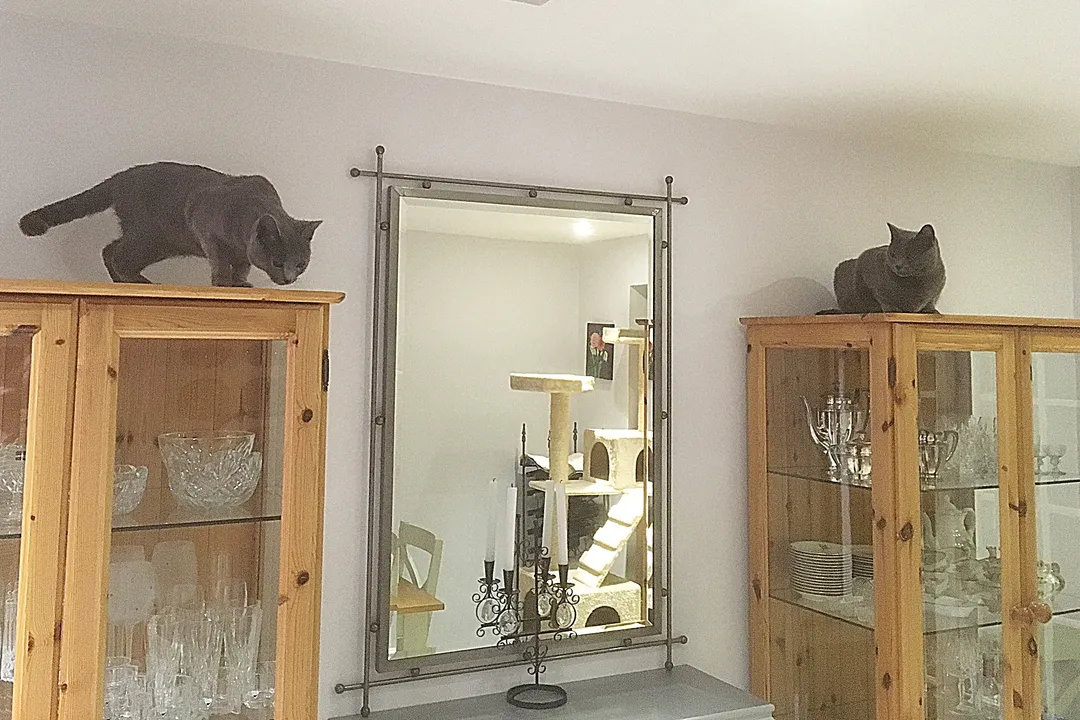
The definitive answer to whether a Chartreux "likes" water is not as straightforward as it is for a Turkish Van. While some cats exhibit an innate draw to water, others are naturally averse to getting wet. For the Chartreux, anecdotal evidence collected by breeders and owners suggests a varied response. Many owners report that Chartreux cats are not inherently fond of being submerged or bathed, which aligns with the general feline aversion to having their dense coats saturated. [1]
# The Grooming Factor
One aspect influencing a cat’s relationship with water is its coat. The Chartreux boasts a thick, dense, double coat that is relatively short. [3] This coat is also slightly woolly in texture. [2] When this type of coat becomes thoroughly wet, it can become quite heavy and take a significant amount of time to dry, which can be uncomfortable for the cat. [3] Therefore, a cat’s natural instinct might be to avoid situations that lead to a full soaking. This is less about disliking the substance of water and more about disliking the consequences of being drenched.
# Curiosity Near Faucets
Despite a potential dislike for full immersion, many sources note that Chartreux cats can be fascinated by running water. [4] It is not uncommon to find a Chartreux sitting patiently by a sink, watching the faucet drip or a small stream run. [6] This behavior likely taps into their inherent curiosity and their enjoyment of observing their environment. They may even cautiously play with a very small trickle of water, batting at it gently with a paw—a common behavior across many cat breeds when investigating novel stimuli. [5]
For instance, consider a household where the owner often washes dishes. A Chartreux might position itself nearby, perhaps on a countertop if allowed, or on a nearby stool, intently watching the water swirl down the drain. This observation phase, where they test the water with a single, tentative toe-dip, often precedes a retreat if the water becomes too enthusiastic. This pattern suggests a preference for controlled exposure, perhaps just enough to satisfy their inquisitive nature without leading to a soaking.
# Bathing Realities
When bathing becomes necessary, owners should approach the situation with care, acknowledging the breed’s generally calm but potentially resistant nature. If a Chartreux needs a bath—which, for most indoor cats, is infrequent—the owner should aim to make the experience as calm and low-stress as possible. [7] Starting with lukewarm water and using a reassuring tone can make a notable difference. Due to their unique coat texture, thorough rinsing is crucial; any residual soap can cause skin irritation or lead the cat to groom excessively afterwards. [3]
# Physical Attributes and Care
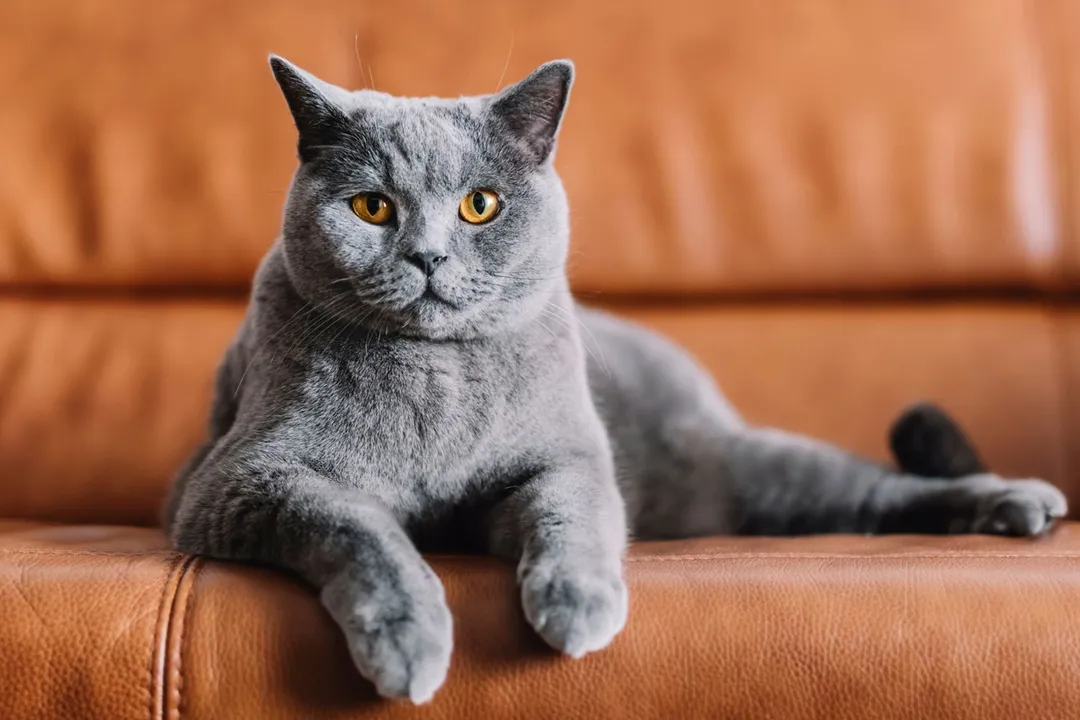
The Chartreux’s physical characteristics play a role in their overall presentation, setting them apart visually. They are medium-to-large cats, known for being muscular and sturdy in build. [1][3] They possess broad chests and relatively short, strong legs, giving them a powerful appearance. [2]
# The Distinctive Eyes
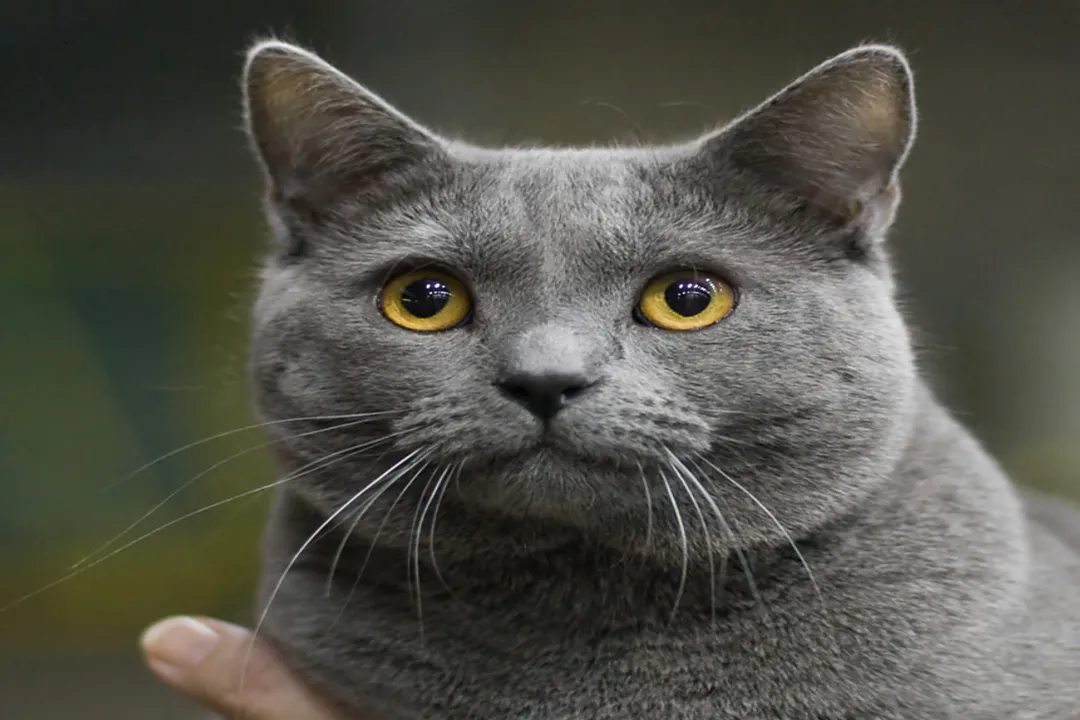
One of the most celebrated features is their eye color, which ranges from brilliant gold to deep copper or orange. [6] The intensity of the color often deepens as the cat matures. [1] This striking eye color contrasts beautifully with their signature blue-gray coat, which can appear slightly lighter or darker depending on the light. [2]
# Coat Maintenance
Their maintenance requirements are relatively straightforward compared to some long-haired breeds. The dense, short-to-medium coat requires regular grooming, but perhaps not daily intervention. [7] Weekly brushing is usually sufficient to remove loose undercoat and keep the fur in good condition. [3] Given their tendency to observe rather than engage in risky activities, a well-cared-for Chartreux may experience fewer external tangles than a more adventurous breed. A helpful tip when brushing is to use a slicker brush followed by a metal comb to ensure you are working through the entire double coat without causing static electricity, which can sometimes occur with overly dry or rapidly brushed woolly textures.
# Health and Longevity
Chartreux cats are generally considered a healthy breed, often enjoying a relatively long lifespan when provided with quality care. [1] As with all purebred animals, they can be predisposed to certain hereditary conditions, though they are not known for an extensive list of common ailments. [4]
# Lifespan Expectations
With appropriate nutrition, regular veterinary check-ups, and a safe indoor environment, it is common for a Chartreux to live well into their teens, often reaching 15 years or more. [1][4] Maintaining a healthy weight is a key factor in ensuring longevity, as the breed can be prone to putting on excess pounds if their food intake is not carefully managed alongside their activity levels. [7]
# Feeding Considerations
Because they are muscular and sometimes have a relaxed approach to exercise when unsupervised, owners should be mindful of portion control. Consulting with a veterinarian to determine the precise caloric needs based on the cat's activity level and age is prudent. For example, a less active indoor senior Chartreux may require significantly fewer calories than a playful, younger adult to prevent obesity, which can stress joints and lead to other health issues down the line. [7]
# Historical Roots
The origins of the Chartreux are somewhat shrouded in the mists of time, adding to their mystique. They are traditionally associated with France, with the name deriving from a Carthusian monastery, though the exact link is debated. [4][6] Some accounts suggest they were bred by monks, while others propose they were originally kept as working cats for their rodent-controlling skills. [2][4]
# Arrival in the West
The breed was largely unknown outside of France until the mid-20th century. [6] They were introduced to the United States and the UK after World War II, gaining recognition through cat fanciers who appreciated their unique look and temperament. [1] Despite being recognized by major registries, they remain less common than breeds like the Persian or Siamese, lending them a special, almost exclusive status among cat enthusiasts. [3]
# Communication Style
Beyond their quiet vocalizations, Chartreux cats communicate volumes through their body language. Their soft, sometimes described as "smiling," facial appearance is indicative of a relaxed disposition. [6]
# Silent Dialogue
They are adept at silent communication. A slow blink, for example, is often interpreted as a sign of trust and affection in felines, and Chartreux owners often report receiving numerous slow blinks from their companions. [5] Furthermore, their posture conveys their mood—a relaxed, loafed position indicates contentment, while flattened ears signal stress or agitation. Since they generally prefer observation over confrontation, learning to read these subtle cues is the best way to maintain a harmonious relationship with your contemplative companion. [4]
If you observe your Chartreux sitting near the edge of the bathtub, staring intently at the faucet while refusing to jump in, you are likely witnessing a classic example of their cautious curiosity. They are assessing the situation, mentally calculating the risk versus the reward of investigation. This measured approach is a hallmark of the breed, whether they are observing a dripping tap or contemplating their next move across the living room floor. The key takeaway is that their engagement with water is more intellectual than physical immersion, distinguishing them from breeds with a known aquatic affinity.
Related Questions
#Citations
Chartreux: Cat Breed Profile, Characteristics & Care - The Spruce Pets
Get to Know Chartreux Cats: 10 Fun Facts | FELIWAY Cat Experts
Chartreux - The Cat Fanciers' Association
Chartreux - Wikipedia
Chartreux Cat Breed Information & Characteristics - Daily Paws
The Smiling Chartreux - Pet Health Network
Caring for your Chartreux
Chartreux Cat Breed - Hill's Pet Nutrition
Chartreux - Breed Info - Atascazoo Animal Hospital