Do Chartreux cats like to be picked up?
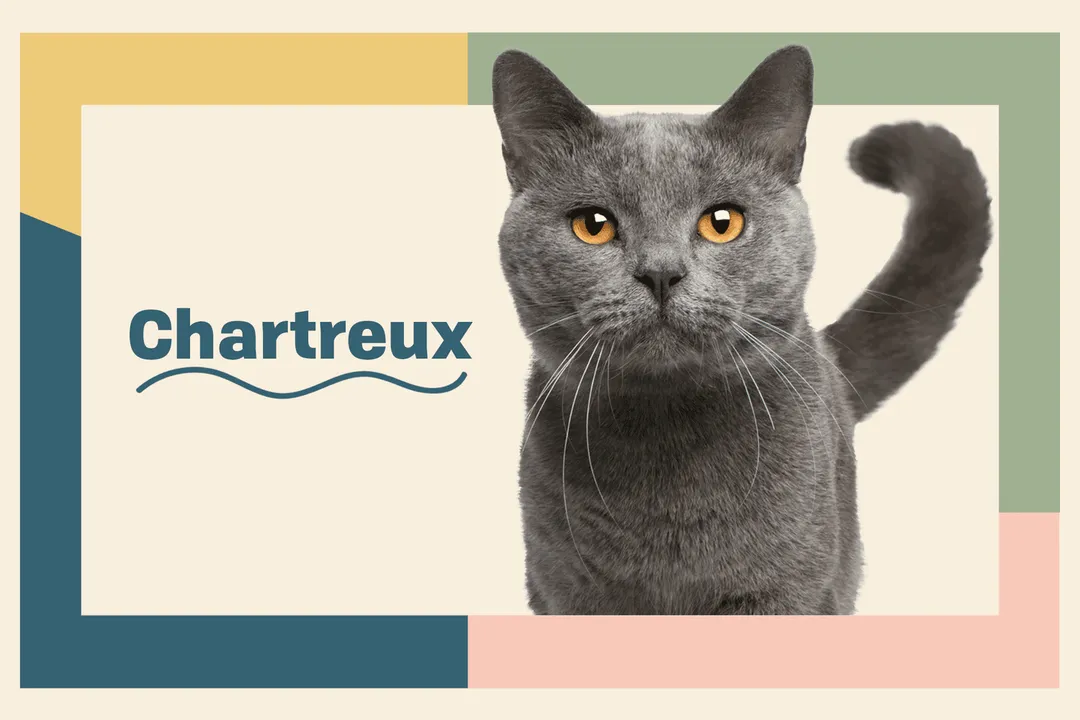
The question of how a Chartreux interacts physically with its person is rarely answered with a simple yes or no. These French blue beauties are renowned for being devoted companions, yet their approach to physical affection, particularly being picked up, tends to be conditional and highly individualized. [2][5] It is far more accurate to say that a Chartreux likes interaction and closeness, but usually on their own carefully selected terms. [6] For many, this means being in the same room, sitting beside you, or perhaps even on your lap when they choose, but not necessarily enjoying the sensation of being lifted entirely off the ground or held against one's chest like a baby.
# Breed Temperament
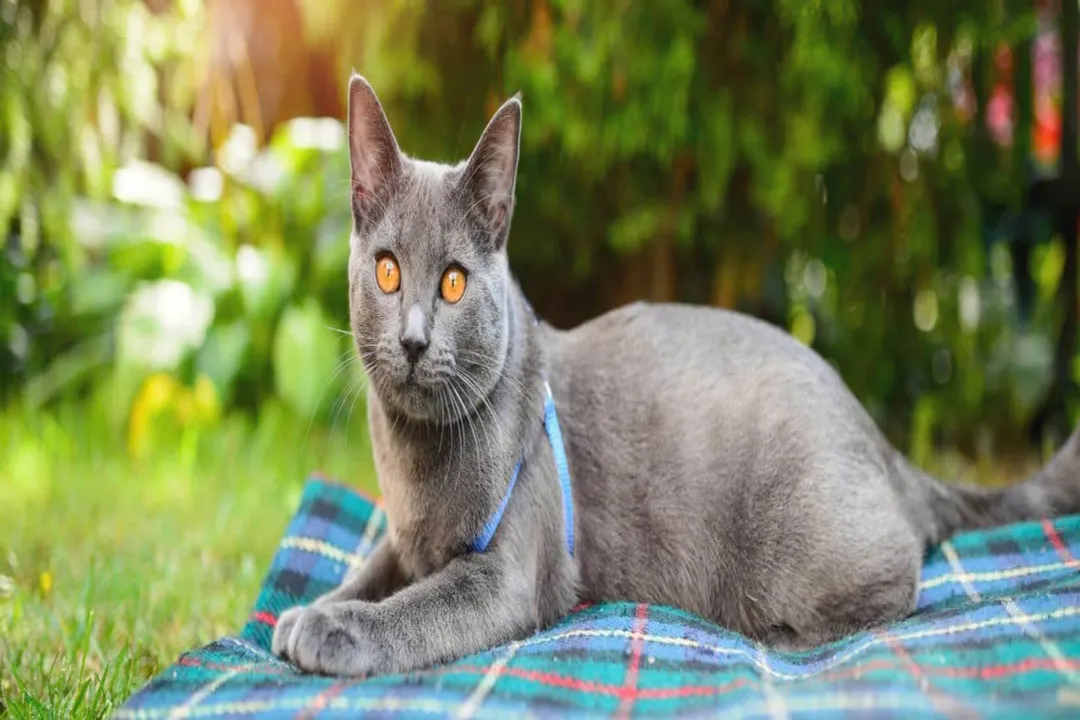
Understanding the typical Chartreux personality provides the necessary context for their handling preferences. They are widely admired for being intelligent, gentle, and loyal cats. [2][5] Often described as a quiet breed, they aren't typically prone to excessive vocalization, preferring to communicate through subtle body language and presence. [5] While deeply attached to their families, they often possess a slightly more reserved demeanor compared to some other outgoing breeds. [2] This reserve can sometimes be mistaken for aloofness, but it usually matures into steadfast devotion once the cat feels secure in its environment and relationship with its human companions. [2] A mature Chartreux typically appreciates routine and predictability, which extends to their expectations regarding physical boundaries. [3]
# Handling Limits
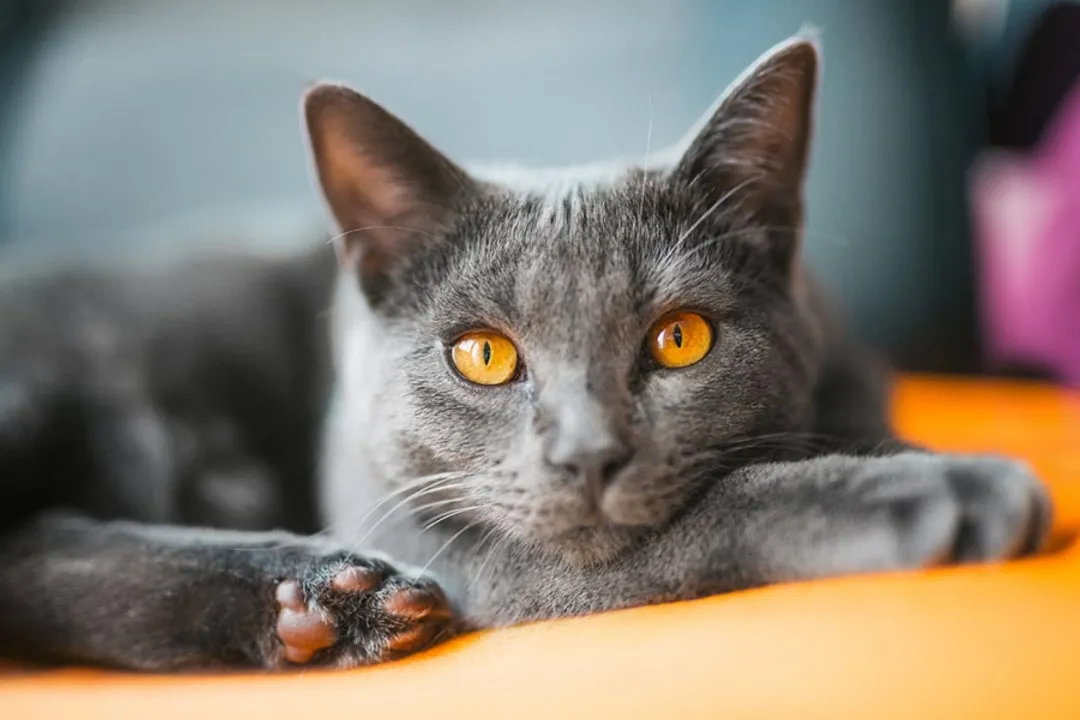
When considering whether a Chartreux enjoys being picked up, the consensus leans toward moderation and consent. Many owners report that while their Chartreux enjoys sitting nearby or even kneading on their lap, the moment they are lifted, the cat may become tense or immediately try to jump down. [6] This is not necessarily a sign of dislike for the owner, but rather an indication that they prefer to keep their feet firmly planted on a stable surface. [1]
If your specific Chartreux is one of the few that genuinely enjoys being held, it is usually a learned behavior developed through very positive early socialization or a particularly laid-back individual temperament. [1] For the majority, however, the experience of being picked up is tolerated only briefly before they seek a return to ground level. [6] They value their independence, and having their movement restricted, which is what being picked up entails, can break the spell of a cozy moment. Think of it less like rejecting affection and more like rejecting restraint. [6] If you notice signs of tension—tail twitching, stiffening muscles, flattened ears—it is a clear signal that the handling session needs to end immediately, regardless of how cute they look. [6]
# Showing Love
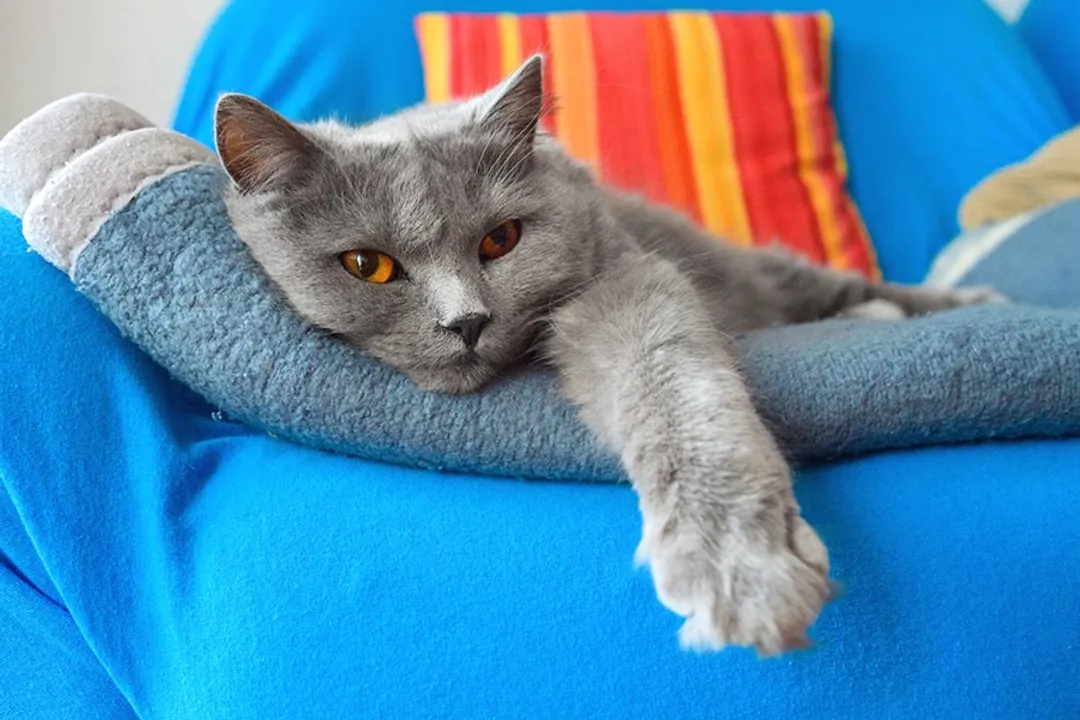
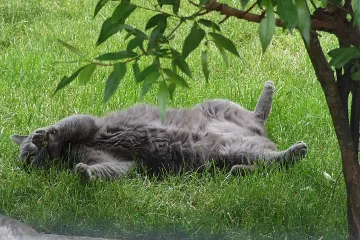
The ways in which a Chartreux chooses to express affection are often subtle, which is an important distinction when assessing their comfort with physical contact. They might not be the breed constantly rubbing against your legs or demanding belly rubs, but their devotion is evident in other ways. [2] They frequently enjoy following their people from room to room, acting as a quiet shadow, which demonstrates a strong bond. [2]
They often prefer affectionate contact that involves mutual choice. This might manifest as:
- Sitting next to you on the sofa rather than on you.
- Leaning against your leg while you are standing or sitting.
- Blinking slowly at you from across the room—a sign of deep trust.
- Choosing your bed or favorite chair as their resting spot when you are not there.
These actions fulfill their need for proximity and companionship without the perceived vulnerability of being lifted. [2][5] Respecting these subtle cues is key to building a trusting relationship with this intelligent breed.
# Social Dynamics
The Chartreux's temperament also influences how they handle physical interaction, particularly in multi-pet or busy households. They are generally reported to be good with children and other pets when properly introduced. [3] However, their quiet nature means they can become overwhelmed by too much sudden, boisterous handling, especially from unfamiliar people or energetic children. [2] A Chartreux that values its space may also feel lonely if its human leaves for extended periods, but that loneliness doesn't necessarily translate into an automatic acceptance of being cuddled when the owner returns. [6] They need quiet time to decompress and observe their surroundings, making unsolicited grabbing particularly unwelcome after a long absence.
# Handling Advice
For owners seeking to bond closely with their Chartreux while respecting their known boundaries, a gentle, approach-based strategy works best. Instead of attempting to lift the cat preemptively, focus on encouraging them to initiate the physical contact on your terms. If you consistently offer a lap or a soft spot on the couch and allow them to settle in naturally, you are far more likely to achieve moments of comfortable contact than if you try to impose cuddling. [1]
When you do want to pick up your Chartreux, even briefly, practicing a consistent pre-lift ritual can significantly improve compliance and reduce stress. Before you even touch them, pause, speak softly, and extend a hand for them to sniff or rub against. If they actively lean into your hand or rub their head against your arm, this is a green light for possible, short-term lifting. If they pull back or simply stand still without engaging, interpret that as a polite "no thank you" and opt for a gentle pet instead. This consistent honoring of their initial non-verbal signals ensures they learn that you respect their boundaries, making them slightly more likely to trust you in novel physical situations down the line. [3]
One helpful distinction many experienced Chartreux owners make involves the difference between being held and being supported. Many cats, including this breed, accept being lifted if they feel secure—for example, scooping them up from underneath supporting both their chest and rear end, rather than grabbing them awkwardly around the midsection. If you must carry them, support their entire body weight so they don't feel like they are falling or being squeezed. This sensation of being securely cradled, rather than awkwardly suspended, can sometimes transform a reluctant pick-up into a tolerable transit, especially when moving them from one comfortable spot to another. [1]
# Individual Differences
It is crucial to remember that while breed tendencies offer a guideline, they are not absolute laws. Genetics and early life experiences sculpt the final personality, meaning you might own the one Chartreux in the neighborhood who demands to be carried everywhere, or the one who prefers to remain completely independent. [1] If you acquire a kitten, consistent, gentle socialization during the first few months is vital for influencing their adult tolerance for handling. Introducing them calmly to being picked up for very short durations while offering a high-value treat can build positive associations. [3] For an adult rescue cat with an unknown history, always default to the most reserved temperament until proven otherwise. Never force a cat into a situation it clearly dislikes, as this erodes the trust that is the foundation of the Chartreux-human relationship. [6] Their quiet, loyal partnership is earned through patience and respect for their space.
Related Questions
#Citations
Do Chartreux cats like to be picked up? - Adopt a Pet
Living with Chartreux - CFA Chartreux Breed Council
Chartreux Cat Breed Information & Characteristics - Daily Paws
The Chartreux cat breed history and characteristics - Facebook
Chartreux - Breed Info - Atascazoo Animal Hospital
Should I adopt a kitten friend to my 7-year-old Chartreux cat ... - Quora
Chartreux Cats: Personality, Care, and Names - ASPCA Pet Insurance
What's this cat breed and is it a good choice as first pet/is it family ...
The Chartreux Cat: A Friendly and Loyal Feline Breed - Life & Cats