Do Russian Blue cats meow a lot?
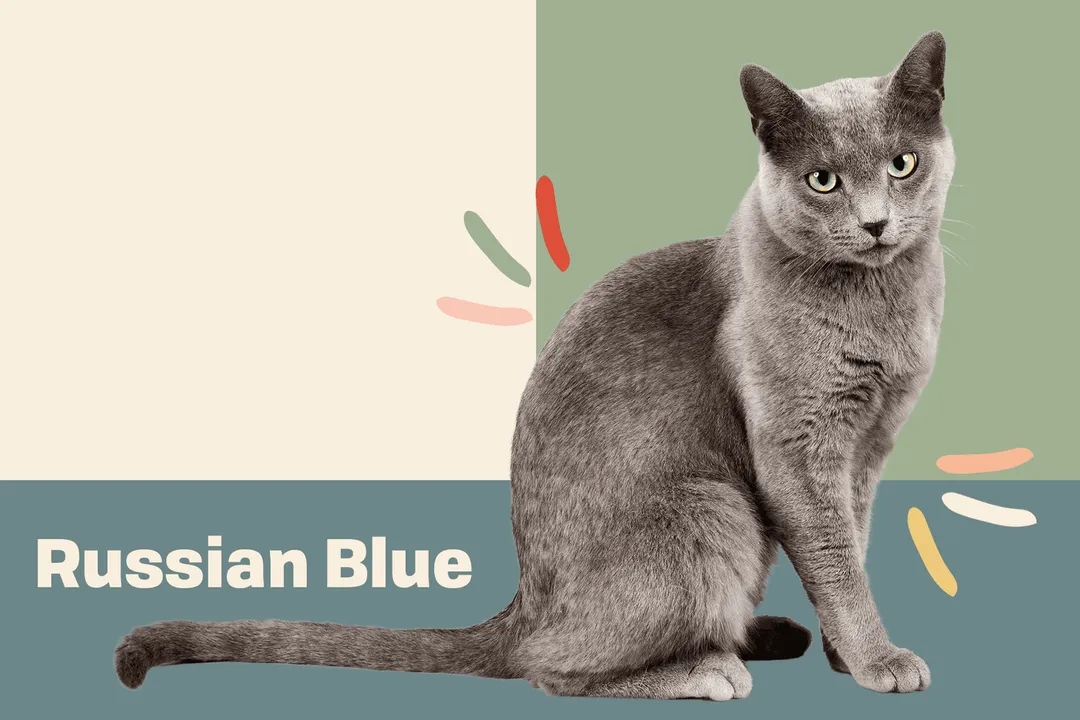
Russian Blues often arrive in new homes with a reputation preceding them: they are elegant, reserved, and, most importantly for many prospective owners, relatively quiet cats. However, ask a group of Russian Blue owners about their cat’s vocal habits, and you will likely receive a spectrum of answers ranging from "silent as a shadow" to "remarkably chatty." The reality of how much a Russian Blue meows is less about a breed-wide mandate and more about individual personality shaped by environment and owner interaction. [5][2]
# Breed Reputation
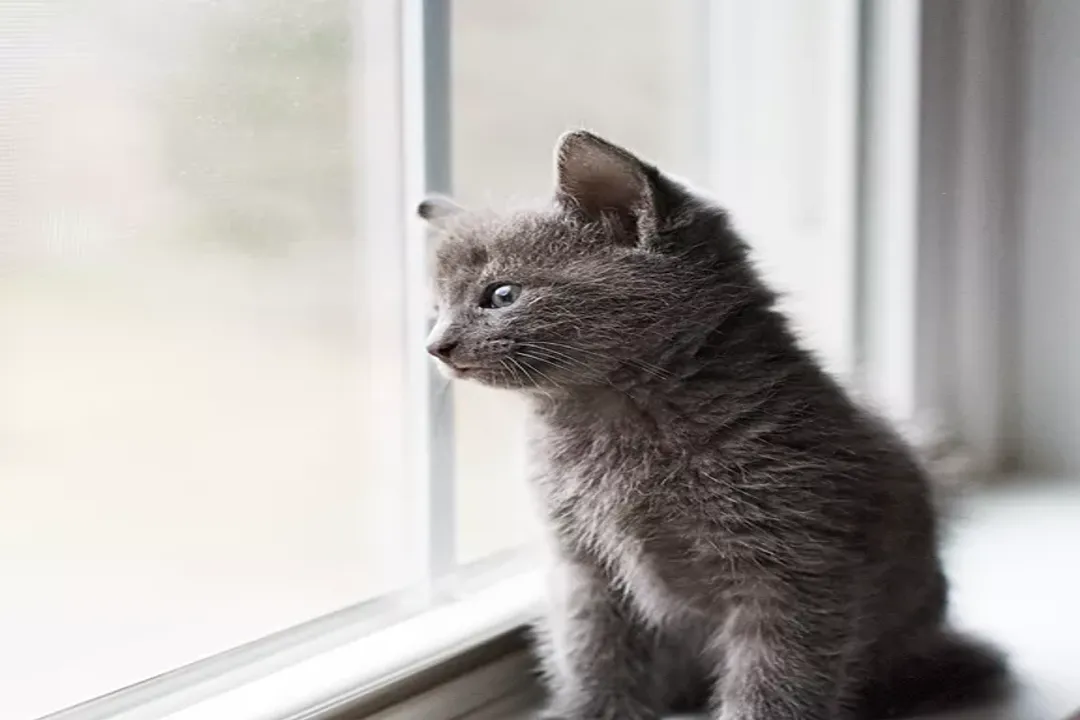
Generally speaking, the Russian Blue is not categorized among the most vocal cat breeds, unlike, for example, the Siamese or the Oriental Shorthair. [5] Many sources describe them as cats that prefer quiet companionship. [4] Their default setting seems to lean toward being reserved, especially in new situations or around strangers. [10] When they do communicate vocally, owners frequently note that the sounds are softer, often described as melodic chirps or gentle meows, rather than harsh or incessant caterwauling. [6][10] This tendency towards subtlety contributes to their overall perception as a placid breed. [5]
# Vocal Personalities
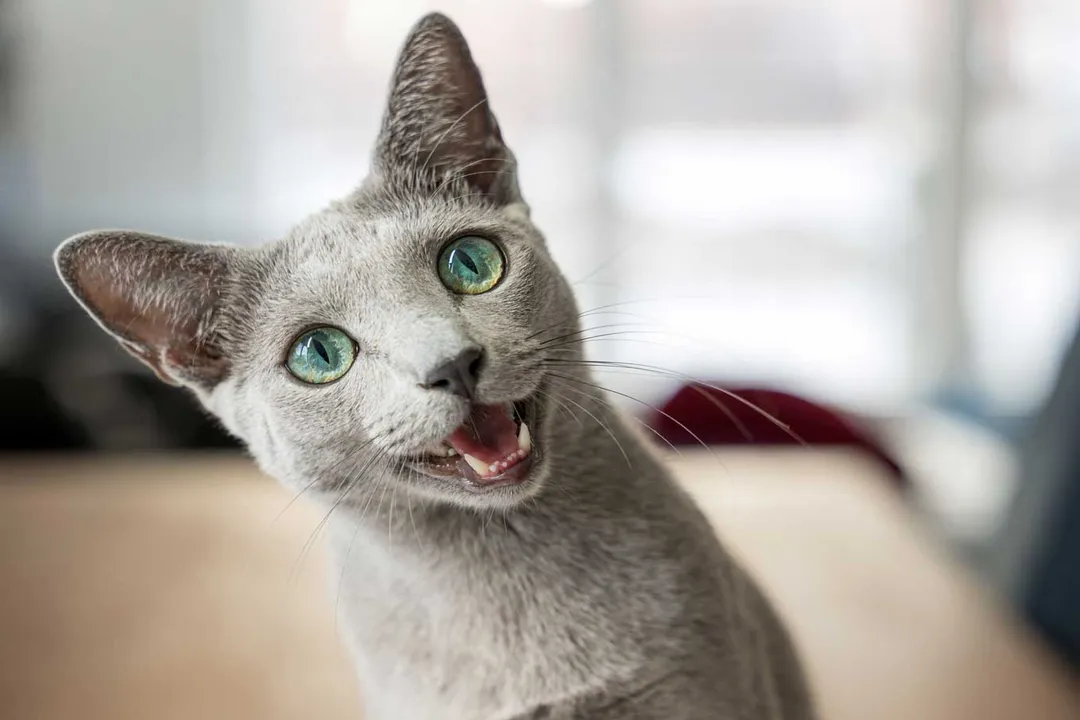
Despite the quiet baseline reputation, it is quite common for Russian Blues to develop strong vocal habits. Owners on various forums and social media groups readily admit that their reserved-looking cats are, in fact, quite talkative. [1][6] It appears that the term "quiet" might mean "not prone to aimless noise" rather than being completely silent. A Russian Blue often learns that vocalization is an effective tool for soliciting attention, food, or playtime from their human companions. [2] Once they discover that a specific meow yields a desired result—whether it's breakfast served promptly or immediate petting—that behavior is likely to be reinforced. [7] Some owners describe having a cat who uses an extensive vocabulary, requiring careful listening to distinguish a demand for food from a simple greeting. [1]
If we look closely at the anecdotes, it suggests that the Russian Blue possesses the capacity for volume and frequency, but they are selective about when they deploy their voice. A truly silent Russian Blue might simply be an individual that has never needed to be loud to get its needs met, or one whose temperament is naturally more introverted than its peers. Observing a Russian Blue, one can often see a distinct, demanding look paired with a vocalization, suggesting the meow is a calculated request rather than a random outburst. [2]
# Communication Needs

The reasons behind a Russian Blue’s vocalizations are often transparent, reflecting the breed's intelligence and strong attachment to its family unit. [5][4] They thrive on interaction, and if they feel ignored or bored, vocal communication becomes their primary method of bridging that gap.
Common triggers for meowing include:
- Attention Seeking: A direct request for petting, cuddling, or simply acknowledgment that the owner is present. [1][7]
- Demanding Resources: This is perhaps the most common reason—meowing near the food dish, an empty water bowl, or near a closed door. [8][9]
- Greetings: Many owners report their cats greet them enthusiastically upon returning home with a series of chirps or meows, indicating deep affection. [2]
- Boredom: Highly intelligent cats, like the Russian Blue, require mental stimulation. If toys are ignored or the environment is static, they may use their voice to prompt play. [5]
It is interesting to note the context of the change. One user on a dedicated Russian Blue forum mentioned their cat, typically quiet, became noticeably louder and more insistent following a recent move to a new residence. [1] This suggests that changes in the cat’s familiar territory can induce stress or anxiety expressed through increased vocalization, indicating that the sound is reactive to their emotional state as much as it is proactive communication. [9]
# Sound Quality

While the frequency of meowing is debatable and highly individual, the quality of the sound often remains consistent with breed tendencies. Even a demanding Russian Blue is often characterized by a sweet, soft sound when they do meow. [6] Some observers categorize the breed’s vocal repertoire as including trills and soft chirps alongside standard meows, which can sound endearing even when the cat is being insistent. [10] If a Russian Blue owner reports a "loud cry," it’s worth paying attention, as this deviation from the expected soft tone might signal genuine distress. [9]
To help decipher what your specific cat is requesting, it can be helpful to start a small log. Noting the time of day, the location (e.g., near the food cabinet, by the bedroom door), and the resulting action can quickly establish a personalized communication guide. For example, a pattern might emerge: a short, high-pitched mew at 6:00 AM means food; a drawn-out, rumbling mrrrrow in the living room means sit down and pet me now. [5] This simple cataloging effort moves the owner from simply hearing noise to understanding an individual cat’s language.
# Behavioral Shifts
When owners observe a sudden, dramatic increase in their Russian Blue’s vocalizations, the first step should always be a thorough check of their routine and immediate environment before assuming it's just a quirk. While boredom and attention-seeking are standard explanations, sustained, uncharacteristic loudness can sometimes mask underlying issues. [8]
If the usual environmental adjustments (more playtime, better food schedule adherence) do not curb the increased vocalization, a physical check-up is warranted. Medical concerns, ranging from dental pain to hyperthyroidism or other age-related changes, can manifest as increased vocal behavior in cats who are usually reserved. [9] A vet can rule out physical discomfort that might be causing your typically quiet companion to become unusually loud. [8] Remember that a Russian Blue's reserved nature means they often hide illness; vocalizing loudly might be the only way they signal something is wrong. [4]
# Final Assessment
Ultimately, the answer to whether Russian Blues meow a lot is: sometimes they do, and sometimes they don't, depending entirely on the cat. They are not inherently high-volume talkers like some Oriental breeds, which is why they often earn the label "quiet". [5] However, they are intelligent, bonded cats that use their voices deliberately to interact with their chosen people. [4][2] If you find yourself with a chatty Russian Blue, consider it a sign of a strong bond and a cat who is comfortable enough to express its every need directly, even if it means being a little noisy about it. [1][6]
#Videos
[Russian Blue] 4 scenes of meowing cats ~whispering cat - YouTube
Related Questions
#Citations
My Russian Blue has become quite vocal and constantly yowls ...
Why do Russian blue cats meow so much? - Quora
[Russian Blue] 4 scenes of meowing cats ~whispering cat - YouTube
Russian Blue Cat Breed Information & Characteristics - Daily Paws
Everything You Should Know About Russian Blue Cats
Russian Blue cat meowing constantly for attention - Facebook
Extremely Vocal Russian Blue - Pet Forums
Why has my Russian Blue cat been so meowy and vocal ... - Dial A Vet
My 13 year old Russian Blue female cat recently started meowing a ...
Russian Blue Cat Behavior