Do Eclectus parrots eat seeds?
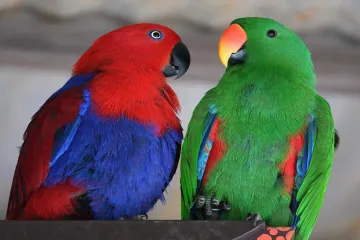
The question of whether Eclectus parrots consume seeds in their native habitat or as pets often leads to confusion among owners, given the wide variety of seed mixes marketed for parrots generally. The reality for the Eclectus—with its unique, specialized physiology—is that seeds are not a dietary staple and, in many cases, should be severely restricted or avoided altogether. [1][2][5] These magnificent birds, known for their striking sexual dimorphism in color, also possess a distinct metabolic need for a diet much lower in fat than parrots from drier, seed-dependent regions. [1]
# Dietary Niche
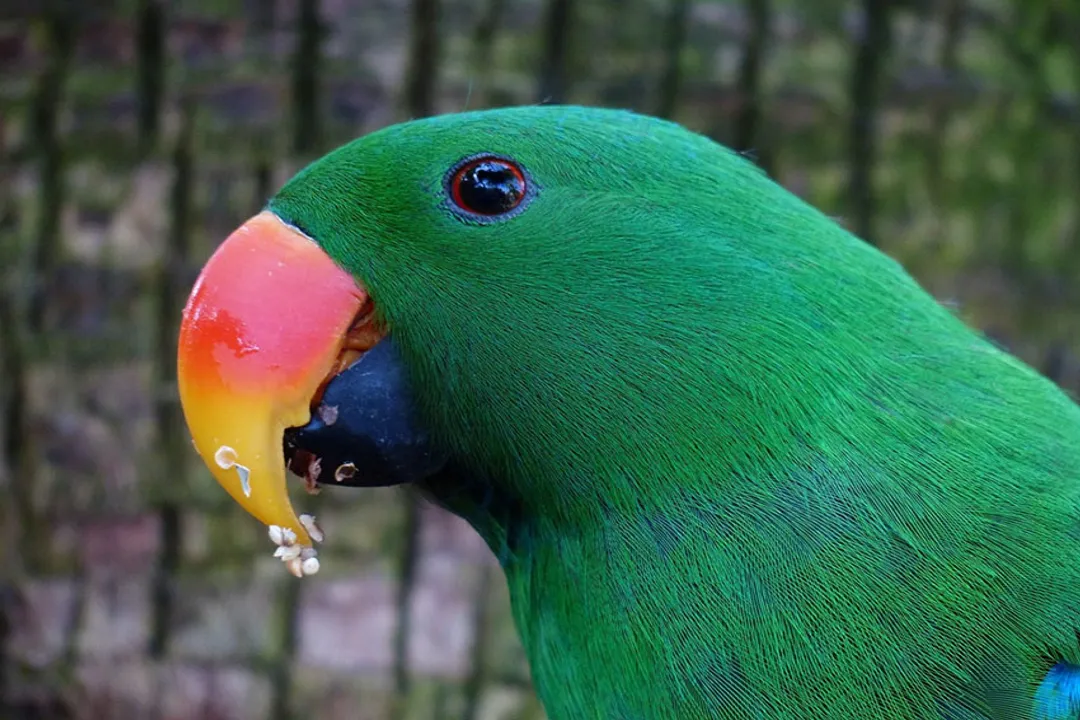
Eclectus parrots evolved to consume a diet heavily weighted toward fruit, nectar, and pollen in the wild. [2][6] Their digestive systems are adapted to process large volumes of soft, high-moisture foods, such as soft fruits and vegetables, rather than hard, oily seeds. [1][6] This evolutionary path means their bodies are not equipped to efficiently metabolize the high levels of fat found in typical commercial seed mixes. [5]
When comparing the Eclectus to, say, a Cockatiel or a Quaker Parrot, whose natural environments often yield drier, seed-heavy sustenance, the dietary difference becomes stark. [4] A seed-heavy diet, which might be acceptable as a small component for other species, poses significant health threats to the Eclectus. [5]
# Seed Dangers
The primary concern surrounding seed consumption in this species is the high fat content. [1][5] For a bird whose natural intake is naturally low in fat, regularly consuming fatty seeds can quickly lead to severe health issues. [2] The most common and dangerous outcome is Obesity, which stresses the entire system, but more specifically, it can cause Fatty Liver Disease (hepatic lipidosis). [5] This condition occurs when the liver becomes inundated with fat it cannot process, impairing vital functions. [2]
Many commercial parrot mixes are heavily reliant on seeds like sunflower and safflower, which are notoriously high in fat. [1][5] Feeding these mixes essentially sets the bird up for chronic health problems. [4] Some experienced owners suggest that if a bird is eating primarily a seed mix, it is likely being underfed essential nutrients, even if the bird appears satisfied or maintains a high weight, because the quality of nutrition is poor compared to fresh produce. [5][6]
Consider this comparison between a typical high-seed mix and an ideal Eclectus diet composition:
| Component | General Seed Mix % (Approx.) | Recommended Eclectus % (Approx.) | Primary Concern |
|---|---|---|---|
| Seeds/Nuts | 60% - 80% | 5% - 10% (Maximum) | High Fat, Low Nutrient Density |
| Pellets | 10% - 20% | 50% - 60% | Balanced Base Nutrition |
| Fresh Produce | 5% - 15% | 30% - 40% | Vitamins, Moisture, Natural Intake |
| Supplements | Trace | As directed | Essential Micronutrients |
This contrast illustrates that relying on seeds as a baseline for the diet flips the natural nutritional requirement on its head. [1][2]
# Optimal Diet Focus
Given the avoidance of high-fat seeds, what should an Eclectus parrot eat? The answer lies overwhelmingly in fresh, diverse foods. [1][6] A diet based on high-quality, veterinarian-approved pellets should form the bulk of the daily intake, often making up at least half of the food offered. [2][4] This ensures a baseline of balanced vitamins and minerals that are often missing from seed-only diets. [5]
The remaining substantial portion of the diet must be comprised of fresh vegetables and fruits. [1][6] Vegetables should generally be offered in greater quantity than fruit because fruits contain higher natural sugars. [2] Good vegetable choices often include dark leafy greens, orange/yellow vegetables rich in Vitamin A (like sweet potato or carrots), and bell peppers. [1][6] It is important to offer a wide variety to ensure a broad spectrum of nutrients, mimicking the varied foraging patterns in the wild. [6]
If you are transitioning an established pet Eclectus away from seeds, introducing new vegetables can sometimes be met with suspicion—a common behavior known as neophobia (fear of new things) in parrots. [4] One helpful strategy, which requires patience, is to offer new items alongside a familiar, highly-loved food or to present the new vegetable in an unusual way, perhaps lightly steamed or finely chopped into a mash with a small amount of cooked sweet potato to entice initial tasting. [4] This approach capitalizes on the bird's curiosity without forcing consumption.
# Seeds as Treats
If seeds are to be included at all, they should be treated as an occasional training treat rather than a regular food source. [1][5] Even when offered sparingly, the type of seed matters considerably. Hard, oily seeds like sunflower seeds are generally discouraged due to their high-fat profile. [1]
Some bird nutrition experts permit small amounts of lower-fat seeds or nuts, but often with a strong caveat: they should be introduced in a sprouted form. [8] Sprouting dramatically increases the nutritional value by reducing fat content and boosting enzyme activity and vitamin availability. [8] For instance, you might offer a very small portion of soaked and sprouted mung beans or lentils as a highly valued training reward. [1]
It’s worth noting that while some parrot owners discuss nuts like almonds or walnuts—which are biologically similar to seeds—these are also extremely high in fat and should be reserved for the most rare of occasions, perhaps only one or two small pieces per week for an average-sized bird, and only if the rest of the diet is impeccable. [5] For the Eclectus, moderation isn't just a suggestion; it is a medical necessity. [2]
# Monitoring Intake
Because the risk of dietary imbalance is so high with an Eclectus, owners must be diligent observers of their pet's output. When you shift an Eclectus onto a healthier, fresh-food-based diet, you should pay close attention to the droppings. [2] A healthy bird consuming a diet rich in fresh produce will often have droppings that are larger and wetter than those from a seed-fed bird, reflecting the high water content of their intake. If you notice that a bird suddenly refuses an entire meal of its fresh chop or pellets and focuses solely on a few scattered seeds, this is a red flag that the diet is unbalanced or the bird is developing unhealthy preferences. [4][5]
A good rule of thumb, particularly for newer owners moving away from seed dependency, is to never leave a bowl of dry seed mix available all day. If you must offer a small seed treat, only provide what the bird can consume in a 10-minute window once a day, and then remove the bowl. [5] This controlled exposure prevents grazing on high-fat items while still allowing for some acceptable enrichment or training reinforcement.
# Specialized Needs Summary
The Eclectus parrot’s digestive tract dictates its dietary path. Unlike many other parrot species, they are specialists, not generalists, when it comes to food processing. [6] Their lower fat tolerance requires an owner to actively select for low-fat foods and strictly limit high-fat items like seeds and nuts. [1][5]
To summarize the key dietary takeaways for responsible Eclectus ownership:
- Pellets First: High-quality pellets should form the foundation, usually over 50% of the daily intake. [2][4]
- Produce Dominates: Vegetables and fruits must make up the next largest portion, prioritizing greens and lower-sugar items. [1][6]
- Seeds as Rare Exception: Seeds should be offered in negligible amounts, if at all, due to the high risk of obesity and fatty liver disease. [5] If used, sprouting them increases their value while mitigating fat risk. [8]
By understanding their natural history as fruit and nectar consumers, it becomes clear why seed-based diets are inappropriate for these beautiful birds. [6] Providing a fresh, low-fat diet is perhaps the single most significant action an owner can take to ensure their Eclectus lives a long, healthy life free from diet-related illness. [2][5]
Related Questions
#Citations
Graham Taylor - 60 Year Eclectus Expert - Eclectus Parrot Diet
Diet for Eclectus Parrots - Melbourne Bird Veterinary Clinic
Sprouting seeds and nuts: what's safe for eclectus? - Facebook
Colorful Cuisine: The Ultimate Eclectus Diet Guide - BirdSupplies.com
The Eclectus Diet: The Do's, the Don'ts, and Everything You Need to ...
Eclectus Diet
Eclectus diet : r/parrots - Reddit
seedsnnuts - Eclectus Parrots
Seed for Parrots | Parrot Food | Parrots | Guide | Omlet US